Tiếng Việt
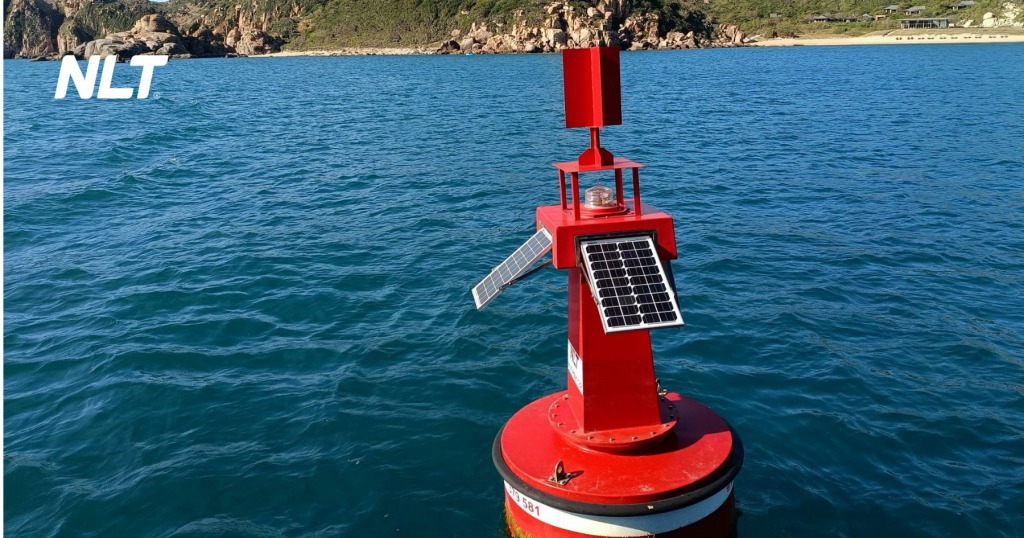
In inland and maritime navigation, choosing the correct standard waterway buoys not only helps ensure vessel safety but also prevents risks such as loss of direction or dangerous collisions. However, not everyone clearly understands how to select waterway buoys that suit the navigation route, intended use, and current technical standards. So what criteria are essential? How can quality be ensured while still optimizing costs? Explore the detailed A to Z guide in this article.
Why is choosing the right type of buoy important?
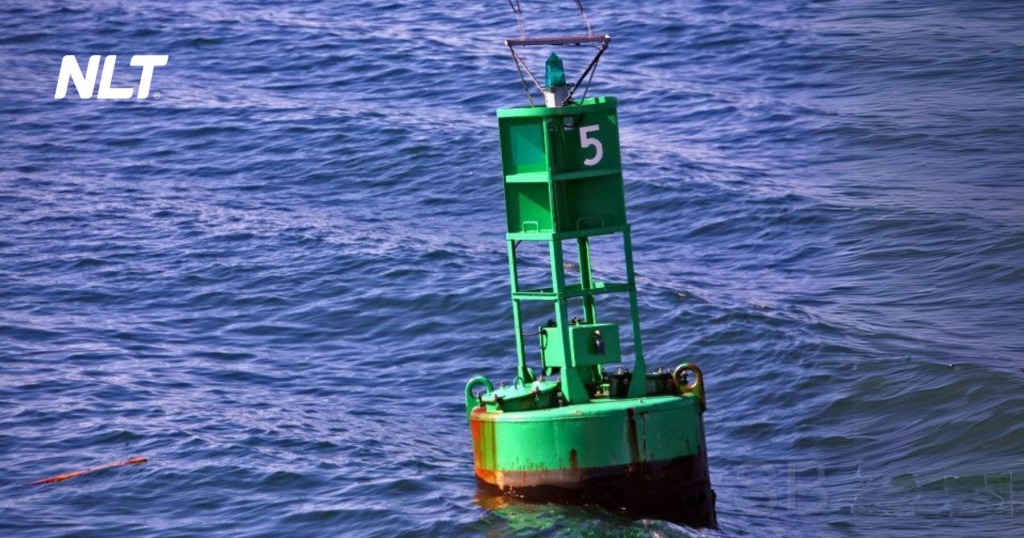
Choosing the correct type of waterway buoy is not merely a technical matter. It is a factor that directly determines maritime safety, the operational efficiency of waterway traffic, and legal compliance. A buoy with the wrong function, incorrect placement, or one that does not meet standards can lead to serious consequences. Especially in narrow channels, bends, or areas near bridges and port structures, even a small error in buoy type or position can make the entire route dangerous.
Selecting the correct waterway buoy also means greater management flexibility, reduced maintenance costs, and easier remote operational control. This has become an increasingly critical requirement in the ongoing digital transformation of transport infrastructure.
Common classifications of waterway buoys
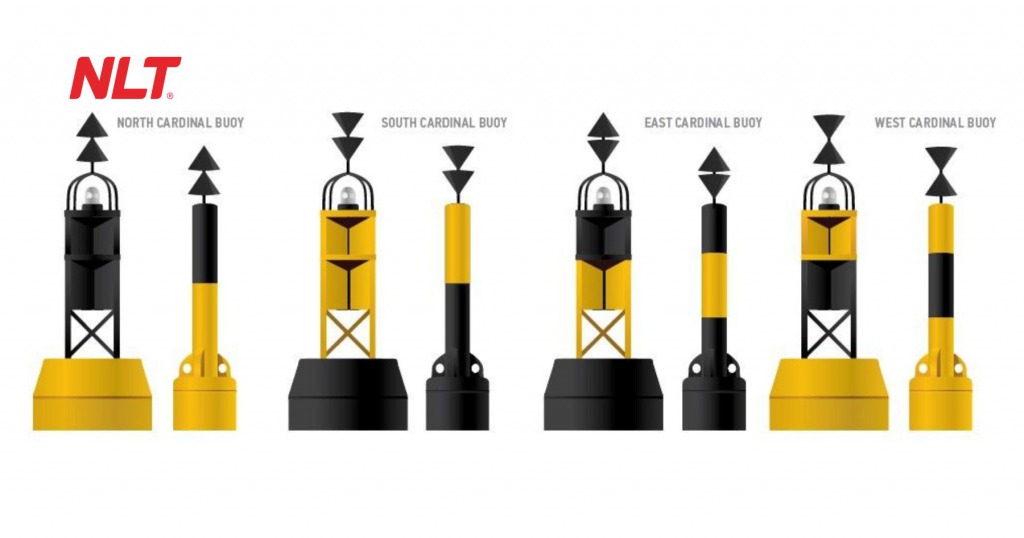
By function (channel guidance, danger, special purpose…)
Waterway buoys are classified based on their primary functions in ensuring safety and guiding waterway traffic. Common types include:
- Channel buoys: Used to mark the boundaries of navigation routes, helping vessels stay within the channel and avoid hazardous areas
- Obstacle warning buoys: Indicate underwater obstacles such as reefs, wrecks, or submerged structures, helping vessels keep clear
- Depth limit buoys: Mark areas of dangerous shallow or deep water, helping operators avoid grounding or bottom impact
- Danger warning buoys: Installed in areas with strong currents, whirlpools, or hazardous conditions to warn vessels
- Restricted area buoys: Mark areas where entry is prohibited, such as military zones, nature reserves, or restricted exploitation areas
By the IALA A and IALA B systems
The International Association of Marine Aids to Navigation and Lighthouse Authorities (IALA) divides the world into two regions with different maritime buoyage systems:
- IALA A system: Applied in Europe, Africa, Asia (including Vietnam), and Australia. Under this system, when vessels enter a port, red buoys are on the left (port side) and green buoys are on the right (starboard side)
- IALA B system: Applied in the Americas, Japan, South Korea, and the Philippines. Under this system, when vessels enter a port, red buoys are on the right (starboard side) and green buoys are on the left (port side)
Understanding the differences between these two systems is essential for mariners and vessel operators, especially when navigating across regions that apply different buoyage systems.
By technology (traditional buoys and smart buoys)
Technological advancement has led to the emergence of smart buoys alongside traditional buoy types:
- Traditional buoys: Usually made from materials such as steel or plastic, without integrated electronic devices. They require periodic inspection and maintenance to ensure proper operation
- Smart buoys: Integrated with advanced technologies such as sensors, GPS positioning, IoT connectivity, and solar energy. These buoys enable remote monitoring, automatic alerts in case of malfunctions, and reduced maintenance costs
The choice between traditional and smart buoys depends on specific needs, budget, and operating conditions of each area.
Factors to consider when selecting buoys
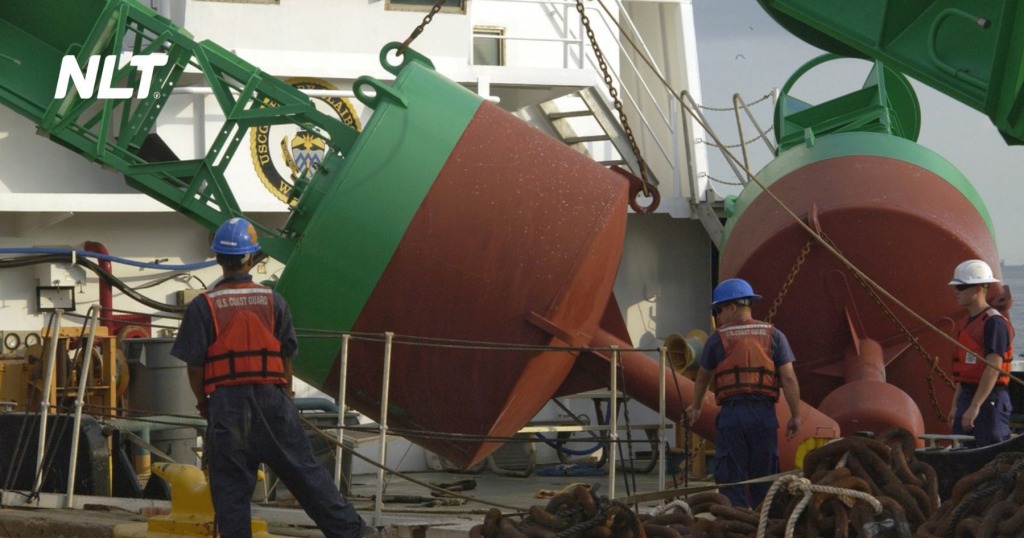
Type of navigation route (inland waterways, seaports, ferry terminals…)
Selecting the appropriate waterway buoy depends on the type of navigation route, including:
- Inland waterways: Commonly use channel buoys, obstacle warning buoys, and depth limit buoys
- Seaports: Require buoys that can withstand harsh marine conditions, typically larger in size, made from durable materials, and equipped with high-intensity signal lights
- Ferry terminals and anchorage areas: Require buoys to mark anchoring positions, restricted zones, and safe navigation guidance for vessels
Purpose of use (guidance, restriction, special areas)
Each purpose requires specific buoy types and technical characteristics:
- Guidance: Use channel buoys and fairway buoys to guide vessels safely
- Restriction: Use buoys indicating prohibited passage, no anchoring, or restricted activities
- Special areas: Use buoys to mark military zones, conservation areas, or areas with special operations
Color and shape according to international standards
Under the IALA international maritime buoyage system, buoy colors and shapes are specified as follows:
- Port-hand buoys (IALA A): Red color, cylindrical or square shape
- Starboard-hand buoys (IALA A): Green color, conical or triangular shape
- Fairway buoys: Red and white vertical stripes, spherical shape
- Isolated danger buoys: Black-red-black horizontal bands, spherical shape
- Safe water buoys: Red and white vertical stripes, spherical shape
Requirements for nighttime signal lights
Signal lights on buoys help vessels identify buoy position and type at night or in poor visibility conditions. Key requirements include:
- Light color: Corresponding to buoy color (red, green, white, yellow)
- Flashing pattern: Specifically regulated for each buoy type (fixed, quick flashing, long flash, two flashes)
- Light intensity: Sufficient to be visible from a safe distance
- Power source: Solar energy is preferred for efficiency and environmental friendliness
Weather and hydrological conditions at the buoy location
Environmental conditions directly affect material selection and buoy design:
- Rough seas and high waves: Require buoys with high structural strength, durable materials, and corrosion resistance
- Calm waters and rivers: Lighter buoys made from composite or plastic materials may be sufficient
- Areas with strong currents: Require buoys with stable designs and anti-capsizing characteristics
How to select waterway buoys according to technical standards
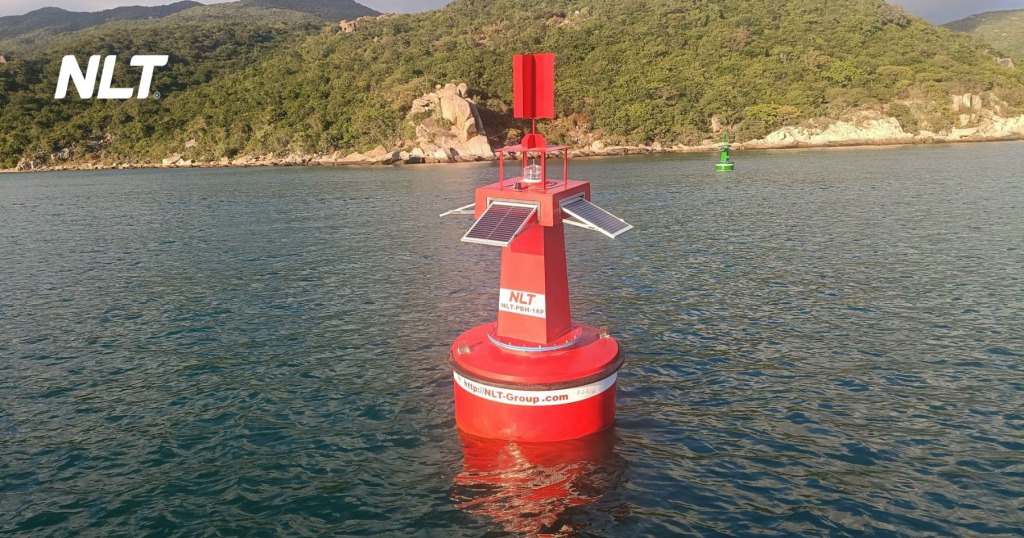
According to Vietnam Standard QCVN 39:2020/BGTVT
QCVN 39:2020/BGTVT specifies technical requirements for inland waterway aids to navigation, including:
- Shape and color: Must match the function and placement position of the buoy.
- Dimensions: Must be large enough to ensure clear visibility.
- Signal lights: Buoys must be equipped with appropriate lights by type, ensuring continuous operation at night.
- Materials: Must withstand environmental conditions and must not cause pollution.
According to international IALA and ISO standards
International standards such as IALA and ISO provide detailed requirements on buoy design, materials, and performance:
- IALA: Defines maritime buoyage systems, including buoy classification, colors, shapes, and signal lights.
- ISO 17357: Standard for high-pressure rubber fenders and buoys, commonly used in seaports.
- ISO 9001: Standard for quality management systems in buoy manufacturing.
- ISO 12944: Standard for corrosion protection of metal structures exposed to marine environments.
Size, materials, and corrosion resistance
Selecting appropriate size and materials ensures effective and durable buoy operation:
- Size: Must match visibility requirements and the scale of the navigation route.
- Materials: Commonly steel, composite plastic, or rubber, with good corrosion resistance and mechanical strength.
- Surface protection: Anti-corrosion coatings applied in accordance with ISO 12944 to extend buoy service life.
Buoyancy, durability, and impact resistance
These factors ensure stable buoy operation under harsh conditions:
- Buoyancy: Ensures the buoy remains afloat, without sinking or capsizing.
- Durability: Withstands waves, wind, and impacts from vessels.
- Impact resistance: Design and materials help prevent damage during minor collisions.
Guidelines for checking whether buoys meet standards

Inspect labels, identification numbers, and manufacturer information
When selecting waterway buoys, the first step is to inspect labels and manufacturer information. Labels must be clear, legible, and firmly attached, and must include the following details:
- Manufacturer name: Must be a reputable entity with valid operating licenses.
- Product identification number: Enables traceability and verification of technical specifications.
- Manufacturing date and service life: Ensures the buoy is within its safe operating period.
- Applicable standards: For example, QCVN 39:2020/BGTVT, ISO 17357.
Careful inspection of labels helps ensure the buoy meets technical and safety requirements.
Cross-checking with applicable technical standards
Waterway buoys must comply with current technical standards to ensure safety and effective operation. In Vietnam, the primary standard is QCVN 39:2020/BGTVT, the National Technical Regulation on Inland Waterway Aids to Navigation. This regulation specifies requirements for buoy shape, color, size, materials, and other technical aspects.
In addition, international standards such as ISO 17357, which applies to rubber buoys and fenders used in maritime environments, are applied in certain cases. Cross-checking against these standards ensures the buoy is suitable for its intended use and specific environmental conditions.
Verifying inspection certificates and warranties
Standard-compliant buoys must be accompanied by inspection certificates and warranties issued by competent authorities. In Vietnam, the authority responsible for issuing technical safety and environmental protection certificates for inland waterway equipment is the Vietnam Register.
Documents to be checked include:
- Inspection certificate: Confirms that the buoy meets technical and safety requirements.
- Warranty documentation: Ensures user rights in the event of technical issues.
Verifying these certificates ensures that the buoy has been manufactured and inspected in accordance with proper procedures and is safe for use.
Tips for choosing cost-effective buoys while maintaining performance
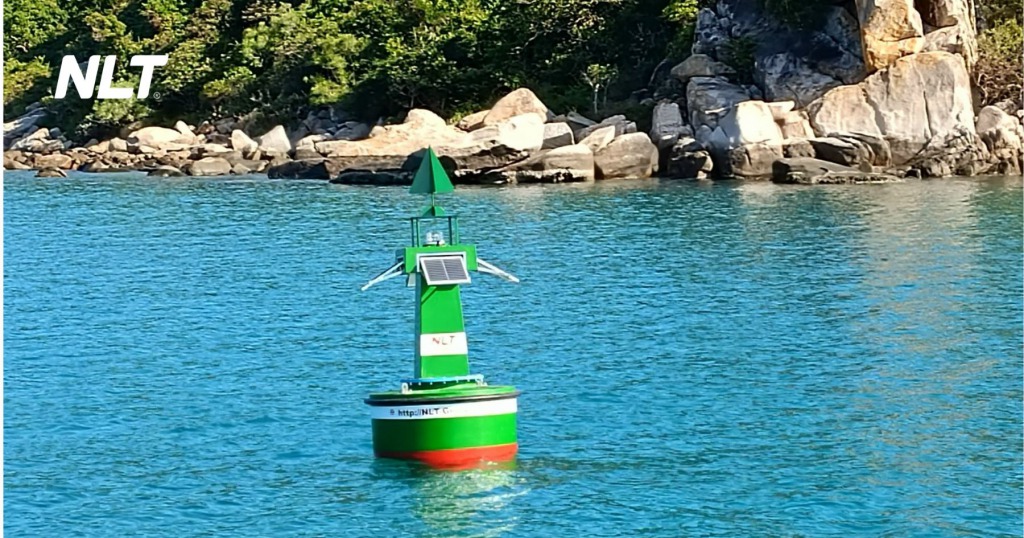
Select the appropriate buoy class based on route scale
Choosing buoys that match the scale of the navigation route helps optimize costs while ensuring operational effectiveness. Specifically:
- Small, inland routes: Smaller buoys with lighter materials can be used, making maintenance easier and more economical.
- Large routes and seaports: Larger buoys with durable materials are required to withstand harsh environmental conditions.
Selecting the correct buoy class helps reduce initial investment costs as well as ongoing maintenance expenses.
Use composite buoys as an alternative to steel
Composite buoys are a cost-effective and efficient option in many cases. Compared to steel buoys, composite buoys offer the following advantages:
- Lightweight: Easier to transport and install.
- Corrosion resistance: Do not rust like steel, especially suitable for saltwater environments.
- Long service life: Less affected by weather and environmental conditions.
Using composite buoys helps reduce maintenance and replacement costs while ensuring long-term operational efficiency.
Prioritize buoys with integrated solar lighting
Buoys equipped with solar-powered lights provide an energy-saving solution with lower operating costs. Key advantages include:
- Energy savings: No external power source required, reducing operating expenses.
- Easy installation: No complex electrical wiring systems needed.
- Stable operation: Lights automatically charge during the day and illuminate at night.
Prioritizing buoys with integrated solar lighting helps reduce operation and maintenance costs while also supporting environmental protection.
NLT Group – High-quality, standard-compliant buoy solutions

NLT Group, officially Nam Long Technology Investment Group, is one of the leading companies in Vietnam specializing in the supply and installation of inland waterway navigation buoy systems. With many years of industry experience, NLT Group has successfully implemented numerous projects nationwide, particularly on major river routes and key seaports.
A key strength of NLT Group lies in its integration of modern technologies into its products, including:
- IoT and solar energy technologies: Enable buoys to operate continuously 24/7 and transmit data to a central control system.
- Smart monitoring systems: Automatically issue alerts when buoys drift from position or encounter technical issues.
- High-grade composite materials: Corrosion-resistant, high-strength, and environmentally friendly.
NLT Group’s engineering team is professionally trained and continuously updates the latest technologies to ensure product quality and service excellence.
Conclusion
Selecting the right type of waterway buoy is not only a technical requirement but also a decisive factor affecting safety levels, operational efficiency, and maintenance costs within the waterway transport system. In addition to complying with regulations such as QCVN 39:2020/BGTVT and international standards like IALA and ISO, users should carefully verify inspection certifications, warranties, and manufacturer information before putting buoys into service.
FAQ
Can the same type of buoy be used for both rivers and the sea?
No. Each environment has distinct characteristics in terms of currents, salinity, and wave conditions, so an appropriate buoy type must be selected to ensure performance and durability.
Which side should red and green buoys be placed when entering a port?
Under the IALA A system, which is applied in Vietnam, when entering a port, red buoys are placed on the left side and green buoys on the right side.
Are unlit buoys compliant with standards?
Unlit buoys can be compliant if they are used in areas where nighttime illumination is not required. However, in areas with high traffic volume or where nighttime warning is necessary, buoys must be equipped with signal lights.
How often should buoys be re-inspected?
According to regulations, buoys should be inspected periodically at least once a year to ensure safe and effective operation.
Is a permit required to purchase buoys?
Purchasing buoys does not require a permit. However, installing and using buoys on waterway routes must comply with regulations of the waterway transport authorities and may require permits depending on the area and intended use.