Tiếng Việt
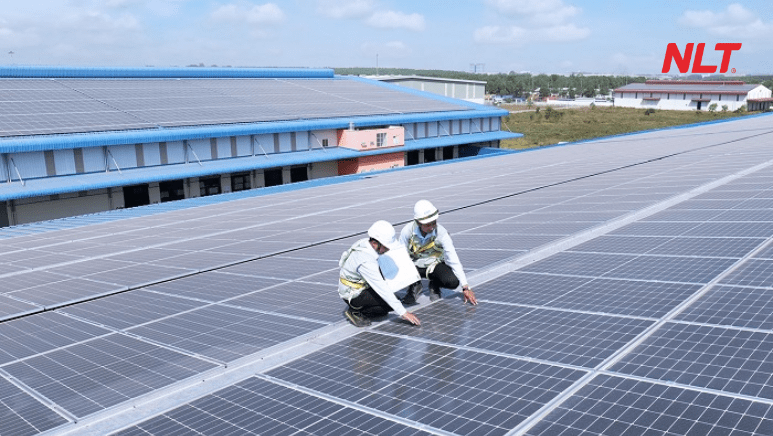
Stepping into 2026, solar power system in Vietnam has moved past the phase of relying on price subsidies to enter the era of self-production, self-consumption, and meeting strict international green standards. A solar power system now is not just simple rooftop panels, but a complex technical infrastructure that requires absolute accuracy. To ensure the investment cash flow yields sustainable profits without operational risks, here are the core links you must thoroughly understand before construction.
Overview of solar power system
What is a solar power system?
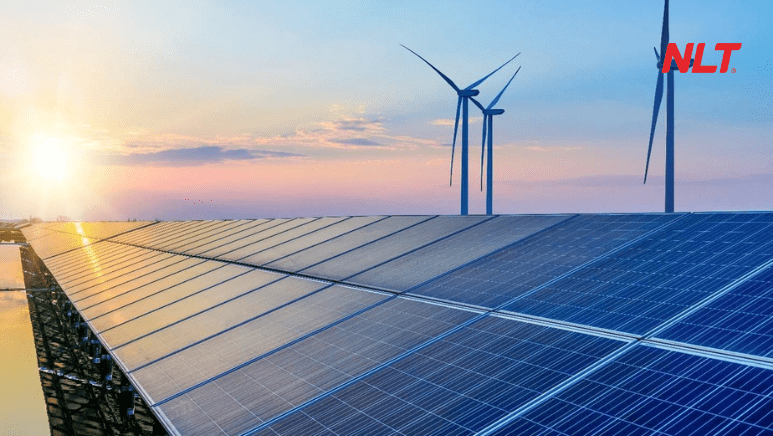
A solar power system is a complete renewable energy technology solution that functions to directly absorb sunlight (solar energy) and convert it into clean electricity to serve living and production needs. This is considered an eternal energy source, helping humans reduce dependence on traditional fossil fuels that are gradually depleting such as coal and oil.
Core components that make up a solar power system
A standard solar power system is composed of the following strict technical devices:
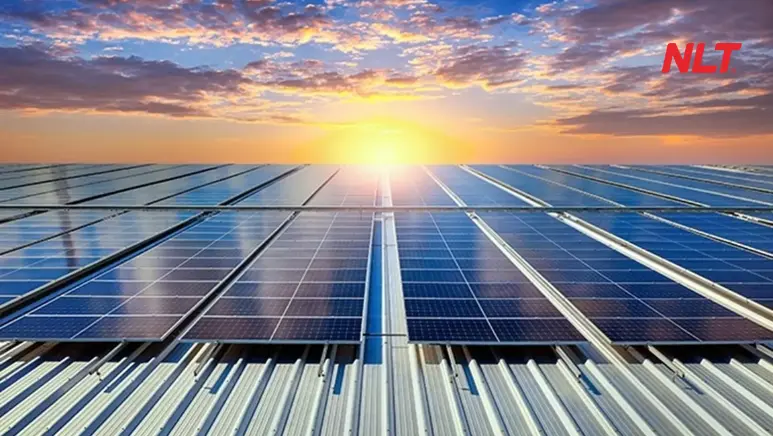
- Solar panels: The part that directly absorbs sunlight to generate electricity. These panels are usually installed in high, airy locations such as roofs to catch as much sunlight as possible.
- Inverter: Is the central device responsible for converting the current obtained from the panel arrays into regular alternating current electricity. The nature of this device is to help the solar current be fully compatible and safely used for electrical appliances in the house.
- Storage system (Lithium battery/Battery): This component helps store excess solar electricity not used up during the day. This stored energy source will be used at night or as a backup power source when grid power outages occur.
- Frame system and auxiliary materials: Including a sturdy metal support frame system to fix the panels on the roof, a safe electrical wire system, and lightning protection devices to ensure the entire project operates durably against rain and storms.
Benefits of installing a solar power system
Optimize costs with a solar power system
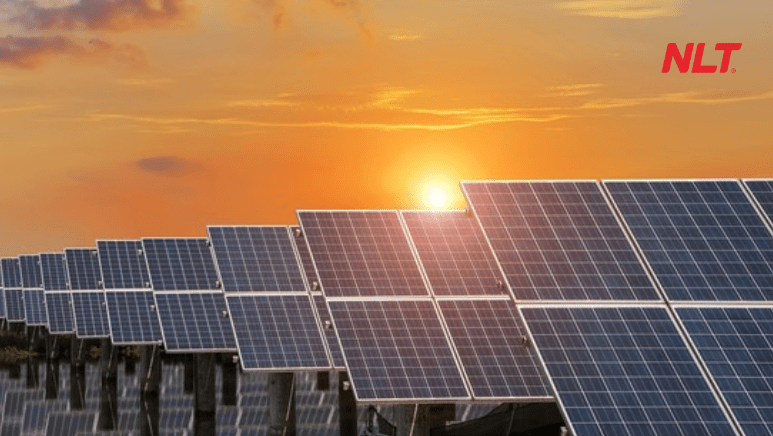
The system automatically prioritizes using solar power first to reduce the amount of electricity purchased from the grid, thereby lowering the amount on monthly bills to a minimum.
At the same time, daytime is when offices and factories operate machinery with the largest capacity. Self-supplying electricity at this time from a solar power system helps businesses avoid the very expensive high-rate commercial/production electricity prices of the national grid.
Reduce emissions from solar energy
The solar energy conversion process of a solar power system does not emit greenhouse gases at all, helping protect the atmosphere and meet environmental, social, and governance (ESG) standards to increase brand reputation.
This is also the golden key that helps export goods easily pass strict control policies in the European market (such as the CBAM mechanism) to avoid being imposed environmental penalty taxes.
Fast payback thanks to a solar power system
Thanks to optimized production technology that makes equipment costs cheaper, a properly designed system only takes about 4 to 6 years to recover the entire initial investment cost.
After payback, the entire amount of electricity generated by the solar power system is completely free. With equipment lifespan lasting from 25 to 30 years, investors will have more than 20 years to enjoy pure profit from this energy source.
What are the popular solar power systems today?
Grid-tied solar power system (On-grid)
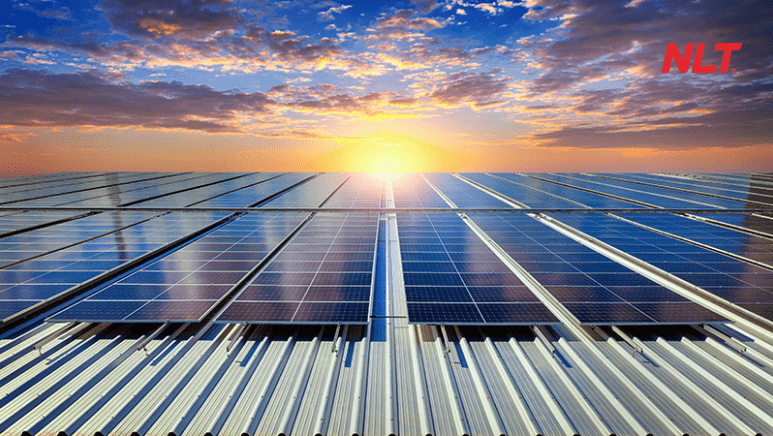
This is the most economical model, operating in parallel with the national power grid and extremely suitable for offices and factories using a lot of electricity during the day. Operating according to an automatic mechanism, the solar power system will prioritize supplying electricity from the panels to devices, and only complement with grid power when it is cloudy or lacking sunlight.
To ensure compliance with regulations, reputable solar energy system design consulting units will install an additional anti-reverse flow device. This device helps block excess electricity from flowing backward onto the power grid when it has not been licensed by regulatory authorities.
Independent solar power system (Off-grid)
This model operates completely autonomously and separated from the transmission grid network. Solar energy collected during the day will be charged directly into a large storage system using Lithium batteries or batteries for reuse. This is an ideal infrastructure solution for deep, remote areas, islands, or telecommunications stations where grid power has not yet reached.
When deploying, engineers belonging to reputable solar energy system design consulting units must carefully calculate seasonal sunlight and the consumption capacity of equipment. This helps configure the correct storage battery capacity, ensuring the solar power system supplies electricity continuously and without interruption at night.
Hybrid solar power system
Hybrid is a comprehensive solution that combines the advantages of both above systems. The system both operates in parallel with the grid to save costs during the day, and stores excess energy into a smart storage system to serve as a backup power source.
In 2026, this is the leading trend being deployed by reputable solar energy system design consulting units for high-end villas and data centers. This solar power system has the ability to automatically switch circuits to the backup source immediately when the grid power is lost, helping important equipment always operate stably 24/7.
Conditions for installing a solar energy power system
The installation area must have good sunlight and little shading
The electricity generation efficiency of a solar power system depends entirely on the amount of solar radiation the area receives. The location to place the panels needs to be airy, facing South or Southeast and completely eliminating shading factors such as trees, surrounding buildings, or utility poles to avoid current voltage drop phenomena.
The roof must be sturdy to bear the force when installing a solar power system
A solar panel array has a very large weight and will exist on the roof for nearly 3 decades. Therefore, the load-bearing frame structure of iron roofs or concrete roofs must be thoroughly inspected, ensuring the ability to bear static loads (equipment) and dynamic loads (wind force, large storm pressure) throughout the operational process.
Full legal documents and standards for connection with the power grid
The technical profile of the solar power system must strictly comply with current administrative legal regulations including: approval of construction structure safety, fire safety certificate, and technical connection test approval document from Electricity of Vietnam (EVN).
Investors must have capital ready to install a solar power system
Despite bringing long-term economic benefits, a solar power system still requires a relatively large initial investment cost for genuine, high-quality materials. Investors need to prepare proactive financial sources or choose appropriate financial linkage solutions to ensure the project deployment progress is not interrupted.
Steps to deploy a safe solar power system
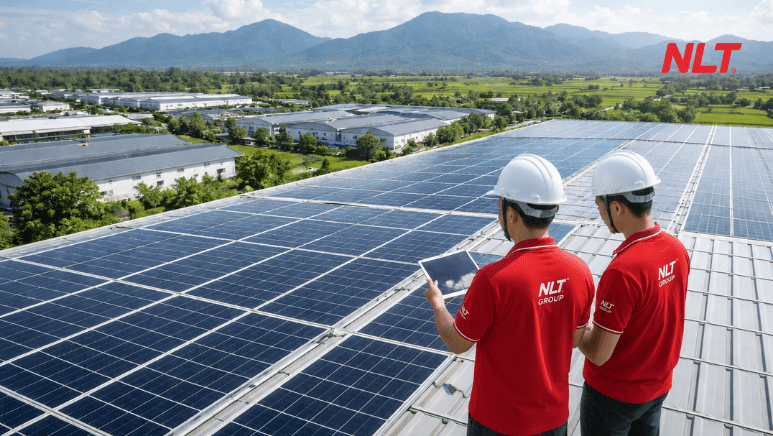
Survey roof area and sunlight direction for installation
This is the prerequisite step that decides the maximum installation capacity of the project. The engineering team will proceed to accurately measure the available roof area necessary to arrange the panels for the solar power system.
From actual measurement data, technical staff will determine the sunlight direction to calculate the most optimal tilt angle, helping the panel array collect the highest amount of solar radiation according to each season of the year.
Evaluate the load-bearing capacity of the roof before installing a solar power system
Before placing any equipment high up, appraising the actual construction structure of the roof part is a mandatory requirement. This step helps determine whether the current support frame system is capable enough to bear the load long-term.
Based on inspection results, engineers will offer solutions to reinforce more purlins or load-bearing beams if necessary, aiming to completely eliminate risks for the solar power system such as roof sagging or concrete floor cracking when encountering large thunderstorms.
Complete legal procedures for the solar power system
In parallel with technical preparation, the design drawings profile for the construction of the solar power system will be gathered and fully prepared to be sent to competent authorities.
This step ensures the project is legally licensed for construction, strictly meets fire prevention and fighting (PCCC) safety plans, and completes procedures for registering technical connection testing with the power grid.
Proceed with actual construction of the solar power system
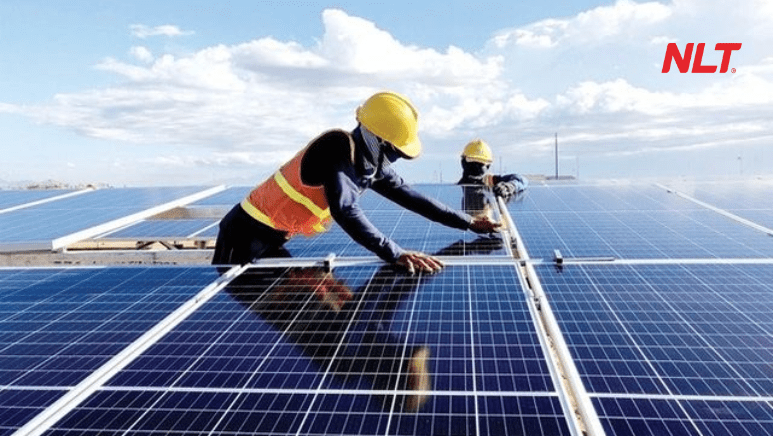
The process of positioning the frame system, fixing rooftop panels, and running electromechanical wiring will be deployed in reality by a team of skilled workers under the close supervision of the chief engineer.
All cable connections, distribution electrical cabinets, and protection devices such as surge protection of the solar power system must be installed with absolute precision to completely eliminate the risk of electrical leakage or short-circuit fires.
Technical inspection and handover of the solar power system
After physical installation is completed, the solar power system will enter the phase of adjusting, measuring insulation resistance parameters, and testing the actual operating performance of the load.
When technical parameters all reach safety thresholds according to regulations, the project is officially accepted for power turn-on, activating the remote monitoring solution and handed back to you for stable operation.
Notes when operating a solar power system
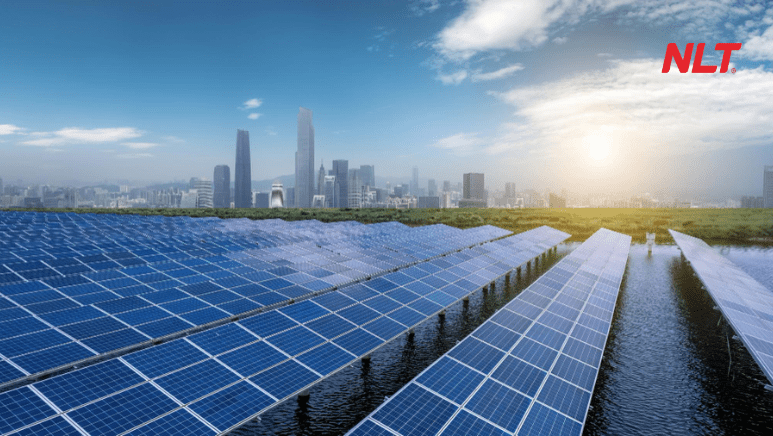
Clean the panel array of the solar power system periodically
- Avoid reducing efficiency and damaging panels: Dirt, leaves, or trash clinging to the glass surface will obstruct panels from absorbing light, causing a drop in electricity output and easily triggering overheating phenomena that burn and damage panel cells.
- Time and method for cleaning: Should schedule panel washing regularly every 3 – 6 months with clean water and specialized soft cleaning brushes to avoid scratching the panel surface.
Monitor the solar power system via smart application
- Track output anytime, anywhere: Through applications on phones or computers connected to the inverter, you can easily control detailed generated electricity amounts in real-time.
- Detect and handle incidents promptly: The system will automatically send alerts as soon as a technical error occurs, helping you or the maintenance unit accurately locate the error position to fix it quickly, without interrupting production.
When a solar power system is proactively managed through digital technology, it will always maintain its most ideal operating state. The close combination between periodic panel cleaning work and remote smart monitoring process is the golden key that helps optimize energy extraction efficiency, maximally prevent technical risks, thereby ensuring the green electrical current always operates safely, smoothly, and durably over time.
Nam Long Technology Investment Group (NLT Group)
- Hotline: 0911 379 581
- Email: kinhdoanh@nlt-group.com
- Tax code: 0313339640
- Address: 43R Ho Van Hue, Duc Nhuan Ward, Ho Chi Minh City