Tiếng Việt
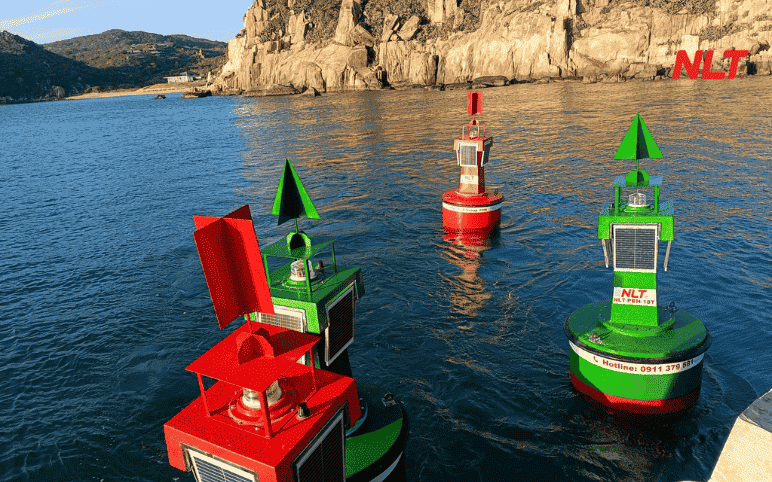
In inland waterway transport, navigation buoys play an important role in guidance, positioning, and ensuring safety for vessels traveling on rivers and at sea. However, not everyone clearly understands inland waterway navigation buoy standards, from design and materials to modern technology applications. This article provides the most detailed information to help you understand this topic.
What are inland waterway navigation buoy standards?
Inland waterway navigation buoy standards are technical and quality requirements that buoys must meet to be used on inland waterways or maritime routes. These standards are established to ensure that buoys can effectively perform warning, guidance, or traffic separation functions accurately and durably under harsh environmental conditions.
Common types of inland waterway navigation buoys
Before going into detailed standards, it is important to understand the most common types of inland waterway navigation buoys currently on the market:
- Channel marking buoys: Used to indicate the boundaries of waterways.
- Special hazard buoys: Warn of dangerous areas such as submerged rocks or strong currents.
- Directional buoys: Guide vessels to travel along the correct route.
- Restricted area buoys: Used in limited access zones such as military areas or nature reserves.
Each type of buoy must comply with specific standards to ensure easy detection and effective operation.
Technical specifications for inland waterway navigation buoy standards
According to specialized technical documents, below are the standards for inland waterway navigation buoys:
Manufacturing materials
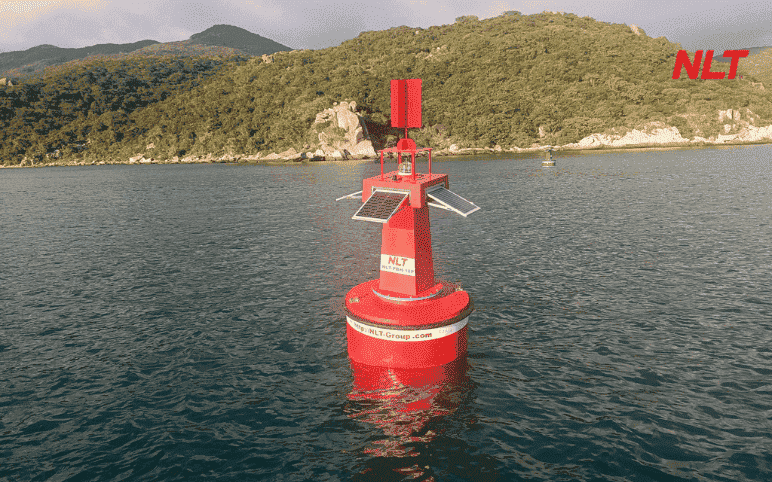
Navigation buoys are commonly made from durable materials such as:
- Composite: 10 mm thickness, corrosion resistant, able to withstand harsh weather, long service life.
- Polyethylene: Lightweight, strong load bearing capacity, and easy to transport and install.
These materials must meet requirements for waterproofing, UV resistance, and impact strength to ensure durability in severe weather conditions.
Dimensions and colors
Buoy dimensions must comply with national or international standards, for example:
- Diameter from 1 m to 2 m.
- Minimum height of 4 m to ensure visibility from a distance.
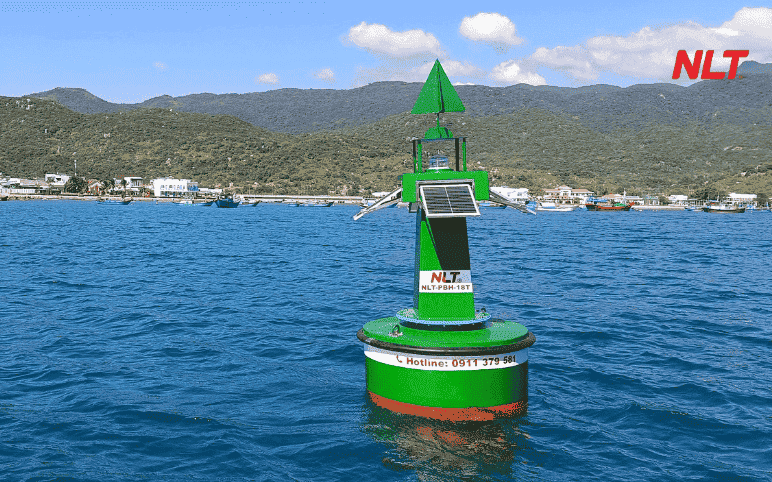
Colors must be clear, typically red, green, yellow, black, or white, depending on the function of each buoy type.
Flashing light system
Buoys must be integrated with an LED flashing light system with a clear flashing cycle, for example: 1.5 seconds off, 1.5 seconds on, to ensure easy recognition at night or in low visibility conditions.
Lights use solar energy to save power and reduce operating costs.
Impact resistance and security
- Buoys must withstand strong impacts from vessels.
- Remote monitoring systems via IoT or GPS help detect and alert cases of buoy theft or drifting.
The role of inland waterway navigation buoy standards in traffic safety
Standards not only ensure effective buoy operation but also contribute significantly to:
- Accident prevention: Buoys help vessels identify hazardous areas and adjust routes appropriately.
- Environmental protection: With environmentally friendly materials such as composite, buoys do not pollute water environments.
- Cost savings: Technical standards help extend buoy service life, reducing repair and replacement costs.
Application of modern technology in inland waterway navigation buoys
Today’s technologies have enhanced the operational capabilities of navigation buoys:
- IoT and AI: Remote monitoring, control, and alerts via applications on phones or computers.
- GIS Cloud: Real time updates of buoy position and status data.
- Solar energy: Enables durable operation without frequent maintenance.
Conclusion
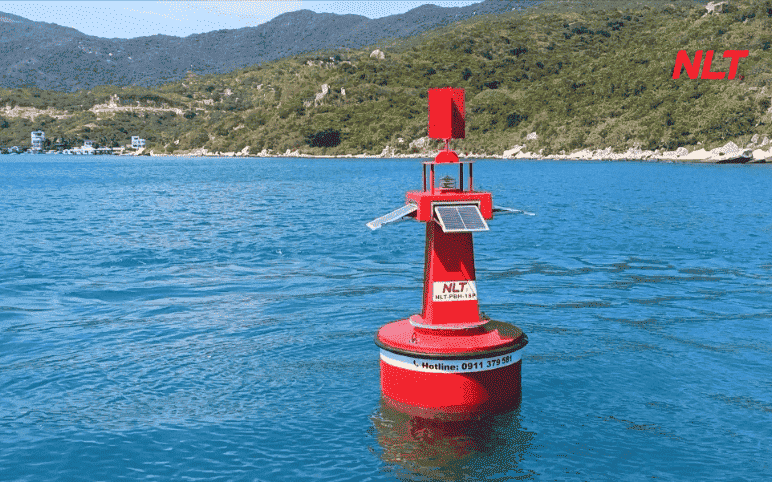
Inland waterway navigation buoy standards are essential for ensuring safety and efficiency in inland waterway transport. Compliance with standards related to materials, dimensions, lighting systems, and technology helps buoys operate better, save costs, and protect the environment.
If you are interested in modern navigation buoy solutions, consider reputable providers such as NLT Group, one of the leading groups in applying IoT and GIS technologies in inland waterway transport.
Frequently asked questions
1. Why is it necessary to comply with inland waterway navigation buoy standards?
Standards ensure that buoys operate effectively and durably in all weather conditions, enhance traffic safety, and minimize accident risks on waterways.
2. What role do IoT and GIS technologies play in navigation buoys?
IoT and GIS technologies support remote monitoring and management, provide real time information on buoy status, and update data on digital map platforms.
3. Where are inland waterway navigation buoys installed?
Buoys are installed on inland waterways, near shore sea areas, hazardous zones, or traffic guidance points such as bridges and ports.
Contact information
If you have further questions or need consultation on inland waterway navigation buoy standards, please contact NLT Group for support:
Nam Long Technology Investment Group (NLT Group)
- Hotline: 0911 379 581
- Email: kinhdoanh@nlt-group.com
- TIN: 0313339640
- Address: 43T Ho Van Hue Street, Duc Nhuan Ward, Ho Chi Minh City
We are always ready to accompany you in delivering the best solutions in the field of inland waterway transport.