Tiếng Việt
What does an MEP system include, and why does it determine the “health” of a building? How do HVAC, power systems, low-voltage systems, water supply and drainage, and fire protection work together without driving up costs?
What is MEP? Why does it determine the “health” of a building?
The MEP system is the core technical system in every construction project, consisting of Mechanical, Electrical, and Plumbing components.
This system is considered the factor that determines the “health” of a building because:
- When the MEP system is properly designed and constructed, the building operates stably, uses energy efficiently, and provides a healthy living and working environment.
- Conversely, a weak MEP system, poor design, or improper installation can lead to high operating costs, technical risks such as flooding, fire, or electrical failures, and may even negatively affect long-term investment performance.
- MEP typically accounts for a large proportion of a project’s total scope and cost. For example, the electrical system alone can represent 45–65 percent or more of total construction costs.

Therefore, project owners, design consultants, and construction engineers must treat MEP as an indispensable component to ensure the overall “health” of a building.
What does an MEP system include?
Below are the main components of an MEP system based on real project practice. Each component is explained in terms of function, key elements, and important design considerations:
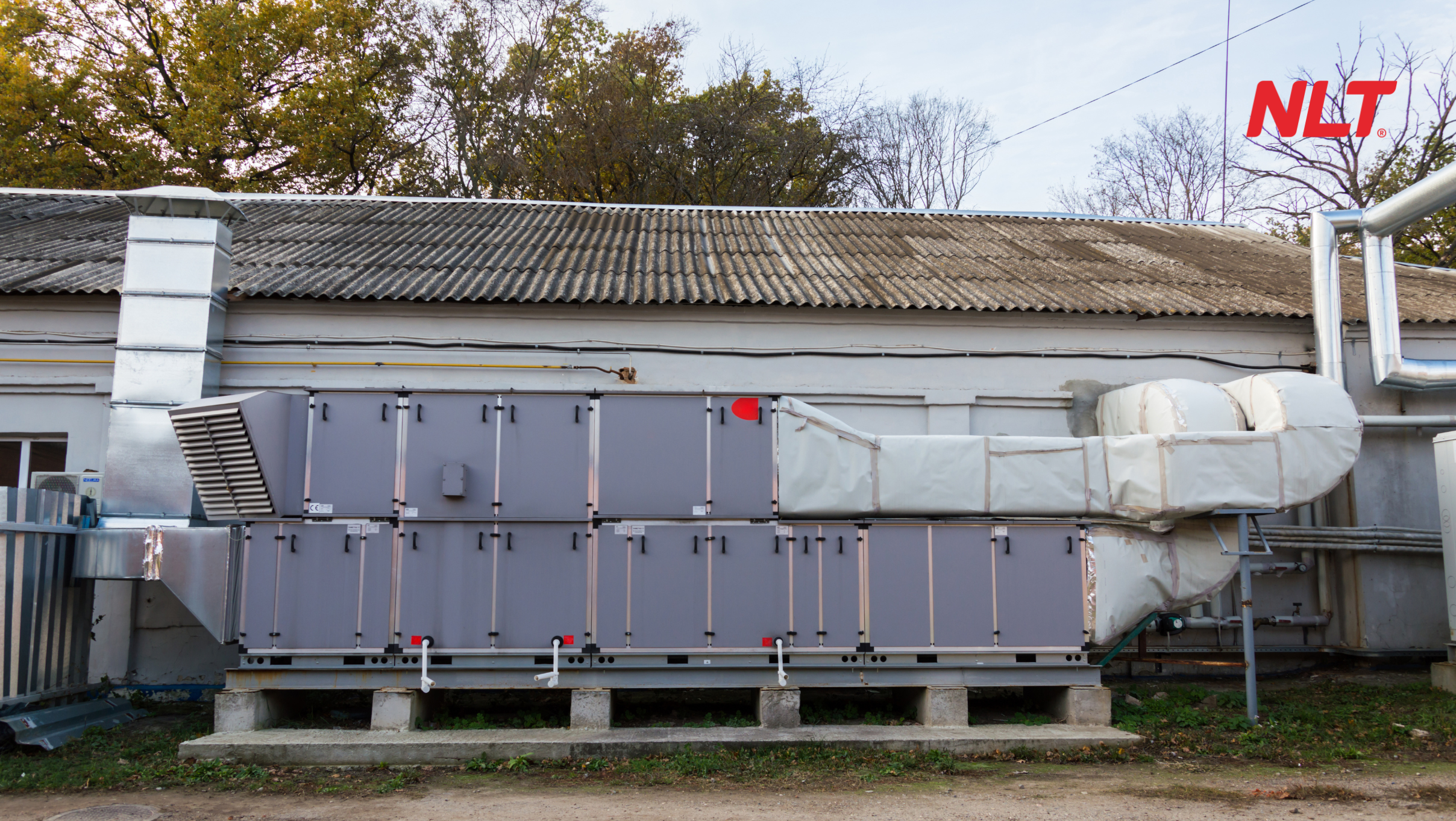
Ventilation and air conditioning systems
This group is commonly referred to as HVAC (Heating, Ventilation, and Air Conditioning).
- Main functions: Regulating temperature and humidity, circulating air, filtering dust, and maintaining indoor air quality in spaces such as offices, factories, and shopping centers.
- Common components: AHU (Air Handling Unit), FCU (Fan Coil Unit), chillers, and VRF/VRV systems.
For example, AHUs handle large volumes of air and heat loads, FCUs are smaller and typically installed directly in occupied spaces, while VRF systems offer high energy efficiency under variable loads. - Why design matters: Oversized equipment increases both capital and operating costs. Poor installation, lack of maintenance access, or limited load adjustability leads to inefficient operation.
- Duct systems with VAV boxes and CO₂ sensors enable demand-controlled ventilation, helping reduce operating costsDuct systems with VAV boxes and CO₂ sensors enable demand-controlled ventilation, helping reduce operating costsDuct systems with VAV boxes and CO₂ sensors enable demand-controlled ventilation, helping reduce operating costsPrioritize heat recovery solutions, use variable speed drives (VSDs) for fans and pumps, and integrate indoor air quality sensors to adjust airflow based on actual demand.

Water supply and drainage systems
These include three subsystems: water supply, drainage, and wastewater treatment.
Water supply system
- Function: Supplying water for domestic use, production, and firefighting.
- Components: Main and branch piping, shut-off valves, pump stations, and storage tanks.
- Design requirements: Ensure adequate pressure, clean water quality in compliance with standards, and rational layout to minimize pressure loss and water waste.
Drainage system
- Includes: stormwater drainage, domestic wastewater drainage, and industrial or specialized wastewater drainage.
- Key notes: Stormwater may be discharged directly if permitted, while domestic and industrial wastewater must be treated before discharge to avoid environmental pollution and regulatory violations.
Wastewater treatment system
- Typically consists of three basic stages: Mechanical treatment (screening, sediment separation), chemical treatment (pH adjustment, metal removal), biological treatment (microorganisms breaking down organic matter)
- Design consideration: Treatment design must match the characteristics and discharge standards of the wastewater. Operating and maintenance costs should be evaluated from the design stage.

Electrical systems
Heavy electrical system
- These include: transformers, medium- and low-voltage switchboards, distribution panels, grounding systems, lightning protection, and power outlets.
- This is the backbone of the building. If the power supply is unstable or electrical equipment is unreliable, the entire MEP system cannot function. Therefore, power system design and installation must comply with national and international standards (such as IEC 60364) and incorporate redundancy and protective measures.
Extra low voltage systems
- These include: LAN and internet networks, CCTV, intercom, access control, public address systems, and telephony.
- Although they account for a smaller share of costs compared to power systems, low-voltage systems significantly affect user comfort and experience. In the era of IoT and smart buildings, investing properly in these systems increases property value and reduces future retrofit costs.

Fire detection and firefighting systems
- Fire detection systems: smoke and heat detectors, fire alarm control panels, sounders, and manual call points.
- Firefighting systems: sprinkler, fire hydrants, fire pumps, gas-based suppression systems, and foam systems…
- These systems are legally mandatory and directly affect the safety of people and property. Incorrect design or poor installation can lead to severe consequences in the event of a fire. Proper layout and integration with alarm, evacuation, and fire safety systems are essential.

Standards in MEP system design
The design of an MEP system cannot be arbitrary. It must comply with clearly defined standards, regulations, and technical specifications to ensure safety, efficiency, and stable operation. Below are some key standards to note:
- QCVN 06:2022/BXD – Fire safety for buildings and structures.
- ASHRAE 62.1 – Ventilation and indoor air quality (IAQ), international reference.
- IEC 60364 – Low-voltage electrical installations.
- QCVN 01-1:2018/BYT – Domestic potable water quality.
- QCVN 14:2008/BTNMT – Domestic wastewater.
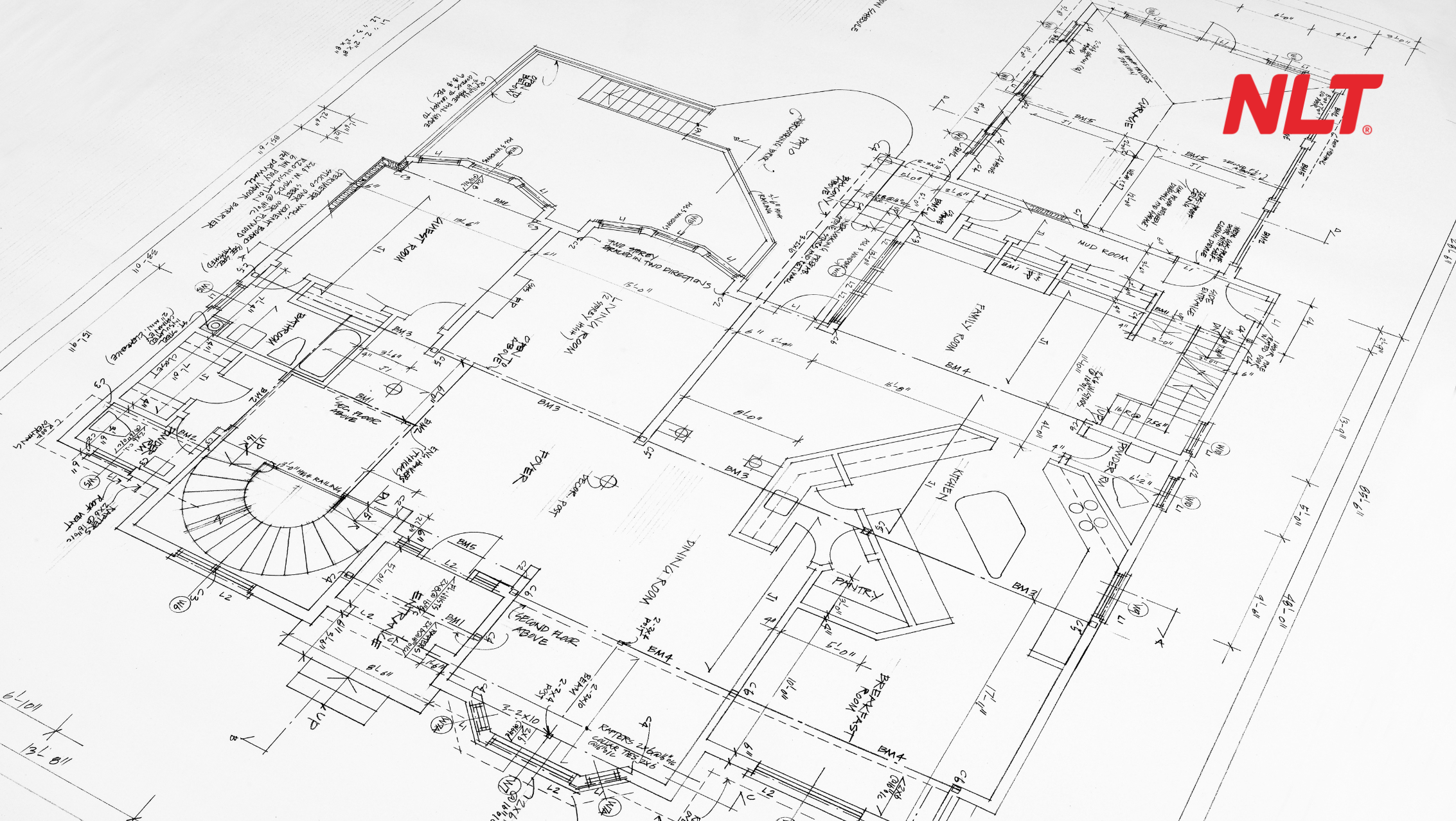
During design, a standards matrix should be established. For example, office buildings differ from hospitals, factories differ from shopping centers. This helps define the correct criteria for implementation. Failure to comply with standards can lead to major revisions during inspection or operation, increasing costs.
7 common mistakes that cause MEP costs to escalate
- Lack of coordination in design, no use of BIM or clash detection, leading to overlapping pipes and cable trays and rework.
- Oversizing equipment such as chillers, pumps, or UPS systems, increasing both CAPEX and OPEX while reducing actual efficiency.
- Insufficient service access and no maintenance clearance for large equipment, resulting in demolition of floors or ceilings during maintenance.
- No allowance for future expansion such as spare piping, spare cables, or technical room space, forcing redesign during expansion.
- Selecting materials, filters, or equipment unsuitable for the environment, such as corrosive conditions, dust, or high humidity, resulting in short lifespan and higher replacement costs.
- Fragmented control systems without integration, no BMS or EMS, making energy optimization difficult and operations inefficient.
- Lack of operational data such as metering and logging, preventing performance evaluation and future improvement.

Each of these issues directly affects both initial investment and operating costs. Preventing them at the design stage can result in significant savings.
Tips to optimize MEP operating costs
- Design for correct partial-load conditions and prioritize high-efficiency equipment with appropriate COP or EER for actual operation.
- Use demand-controlled ventilation with CO₂ and VOC sensors to reduce airflow when not required.
- Apply heat recovery and free cooling solutions when environmental conditions allow.
- Integrate BMS or EMS to monitor, control, and issue alerts when operation deviates from design intent.
- Implement predictive maintenance instead of rigid periodic maintenance by installing sensors to monitor filter pressure differential, pump and fan vibration, and remaining temperature margins.
- Optimize hydraulic and aerodynamic design by balancing flow rates and selecting correct pipe and duct sizes to reduce losses and electrical consumption.
- Use high-efficiency LED lighting together with occupancy sensors and daylight harvesting to reduce HVAC and electrical loads.

Applying these measures helps MEP systems operate stably while reducing lifecycle costs.
Common mistakes in MEP implementation
- Focusing on low initial capital expenditure while ignoring operating costs and equipment lifecycle.
- Lack of standardization, not finalizing components and submittal drawings early, resulting in inconsistent installations among contractors and difficulties during acceptance.
- Failure to verify legal and regulatory compliance such as QCVN and TCVN from the beginning, leading to major revisions or administrative penalties.
- Skipping commissioning and operational training, causing equipment to underperform and operators to lack full understanding.
- Incomplete as-built documentation and unclear operation and maintenance manuals, making maintenance and replacement difficult.
- Poor management of interfaces between systems, for example electrical and mechanical or ELV and HVAC, leading to integration issues, delays, and additional costs.
- Not considering supply chain and replacement risks, such as imported equipment with long lead times, causing difficulties when replacement is needed and forcing design changes.

Identifying and avoiding these mistakes ensures that the MEP system is not only technically “accurate” in design but also “sustainable“ in long-term operation.
The MEP system is the technical backbone of all buildings, from residential housing and offices to hotels, factories, and shopping centers. Proper design, construction, and operation of the MEP system ensure smooth operation, cost efficiency, and safety. Conversely, neglect or superficial implementation can result in significant risks and cost overruns.
If you want your project to operate reliably and efficiently, choose NLT Group as your MEP general contractor and receive free consultation today.
Nam Long Technology Investment Group (NLT Group)
- Address: 43T Ho Van Hue Street, Duc Nhuan Ward, Ho Chi Minh City
- Hotline: 0911 379 581
- Email: kinhdoanh@nlt-group.com
- TIN: 0313339640
See more: Comprehensive MEP general contracting services by NLT Group