Tiếng Việt
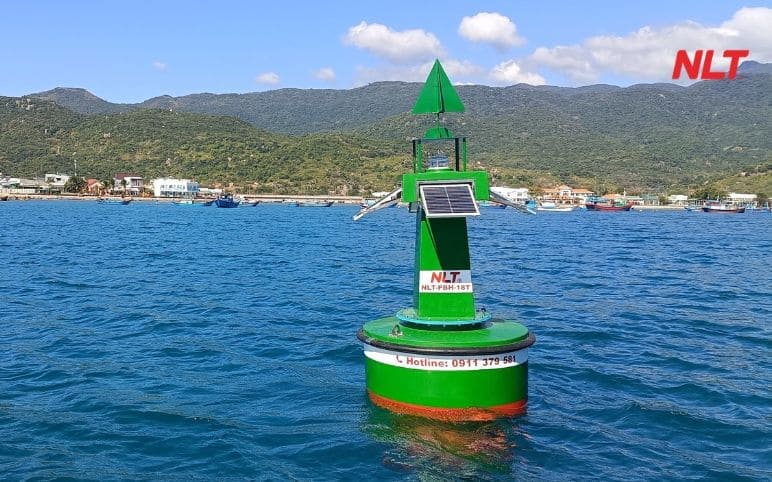
A waterway navigation buoy system is not only a traffic support solution but also a breakthrough in applying modern technology to the management of waterways. With the integration of IoT, AI, and GIS Cloud, this system helps guide, warn, and ensure optimal safety for vessels navigating rivers and seaports. In this article, we will explore in detail the buoy system, its roles, integrated technologies, benefits, and key applications in daily life and industry.
What is a navigation buoy system?
A waterway navigation buoy system is a modern technological solution designed to ensure traffic safety on waterways. The system uses various types of navigation buoys installed along channels, port areas, or major inland waterways. By integrating IoT, AI, and GIS Cloud technologies, navigation buoys not only provide visual guidance for vessels but also transmit data to a control center for remote monitoring and management.
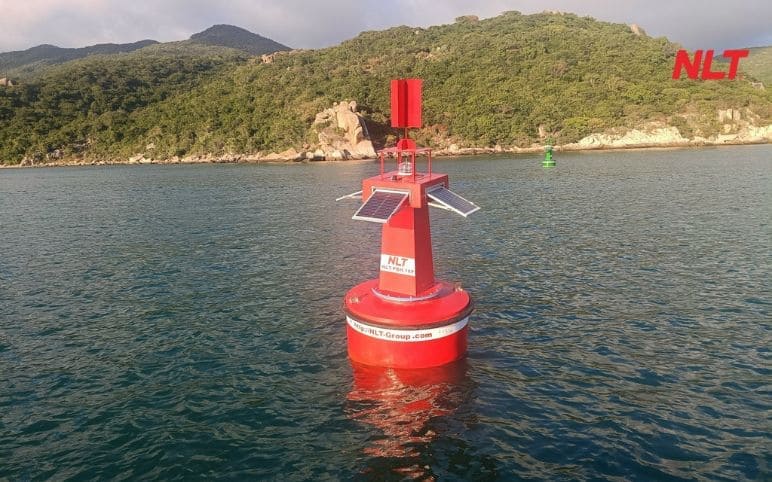
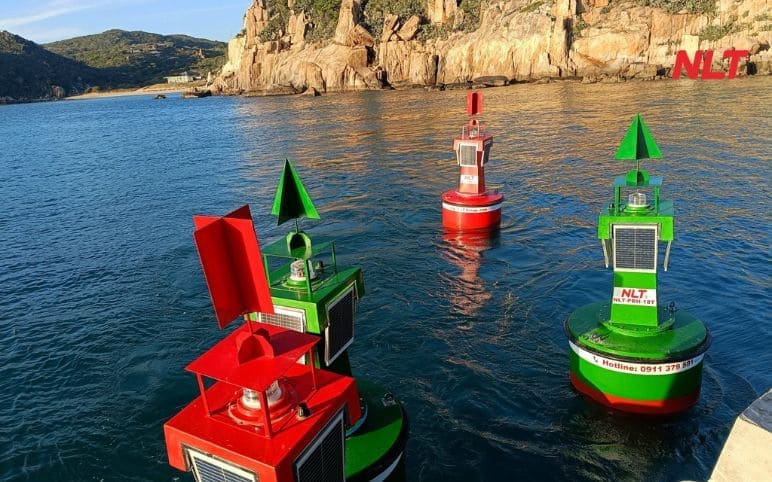
The system includes channel-marking buoys, LED warning panels, air-draft measurement sensors, and wireless connectivity devices such as Smart Mesh LoRa. These components are built with durable materials, capable of withstanding harsh environmental conditions and operating effectively over long periods.
The role of navigation buoys in waterway traffic
Inland waterway navigation buoy systems play a crucial role in ensuring safety and smooth traffic flow. Key roles include:
- Guiding vessels along correct routes: Channel-marking buoys clearly indicate hazardous areas, shallow waters, and the safest navigation paths.
- Warning and accident prevention: With smart warning technologies, the system can send real-time alerts about obstacles, adverse weather conditions, or traffic congestion.
- Supporting efficient traffic management: Remote monitoring allows authorities to manage traffic flow, direct vessels, and respond quickly to emergencies.
Integrated technologies in inland waterway navigation buoy systems
NLT Group’s inland waterway navigation buoy system incorporates advanced technologies to optimize performance and ensure high accuracy, including:
- Solar energy: Buoys are equipped with solar panels, ensuring continuous operation even in unfavorable weather conditions.
- IoT (Internet of Things): Enables continuous data transmission from buoys to the control center, supporting real-time traffic management.
- AI (Artificial Intelligence): Analyzes collected data to provide predictions and intelligent alerts for abnormal situations on waterways.
- GIS Cloud: Uses digital GIS maps to display buoy locations and provide a comprehensive overview of waterway traffic.
- Smart Mesh LoRa: Advanced wireless connectivity that links multiple buoys without heavy bandwidth usage, reducing operating costs.
Benefits of inland waterway navigation buoy systems
The integration of modern technologies brings significant benefits, including:
- Optimized investment and maintenance costs: Durable composite materials and automation reduce operating and maintenance expenses.
- Enhanced traffic safety: Early warnings of potential hazards help vessels minimize collision risks and accidents.
- Reduced environmental impact: Clean energy usage lowers CO₂ emissions and supports environmental protection.
- Efficient management: Control centers can remotely monitor the entire system and make fast, accurate decisions during incidents.
>>> See more: What does an inland waterway signaling system include?
Applications of inland waterway navigation buoy systems
Navigation buoy systems are widely applied across various fields, such as:
- Environmental applications: Maintaining clear channels while contributing to water pollution reduction through automated monitoring.
- Inland waterway traffic: Guiding and regulating vessels on major waterways.
- Maritime operations: Warning of hazardous areas and supporting safe port entry and exit.
- Bridge management: Integrated with air-draft measurement systems to warn vessels of safe clearance heights.
- Ports and terminals: Remote monitoring systems help optimize port operations.
Conclusion
A waterway navigation buoy system is not merely a traffic support tool but a major step forward in applying modern technology to waterway management and operations. With outstanding benefits such as enhanced safety, cost savings, and environmental protection, it is an ideal solution for today’s waterways.
Hệ thống không chỉ là một công cụ hỗ trợ giao thông mà còn là bước tiến vượt bậc trong việc ứng dụng công nghệ hiện đại vào quản lý và vận hành các tuyến đường thủy. Với những lợi ích nổi bật như tăng cường an toàn, tiết kiệm chi phí và bảo vệ môi trường, đây là giải pháp lý tưởng cho mọi tuyến giao thông đường thủy hiện nay.
Contact information
If you are interested in waterway navigation buoy systems or need detailed consultation, contact NLT Group, a pioneer in providing Industry 4.0 technology solutions.
Nam Long Technology Investment Group (NLT Group)
- Hotline: 0911 379 581
- Email: kinhdoanh@nlt-group.com
- TIN: 0313339640
- Address: 43T Ho Van Hue Street, Duc Nhuan Ward, Ho Chi Minh City
We are committed to delivering modern, cost-effective, and highly efficient solutions for our customers.