Tiếng Việt
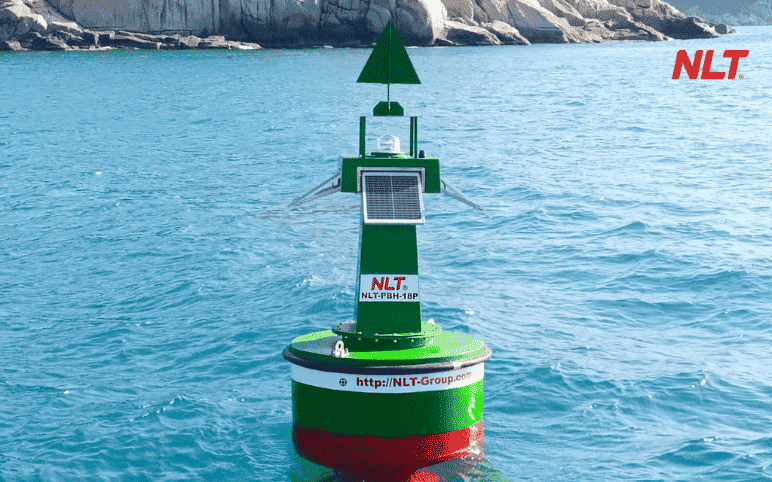
Inland waterway navigation buoys play an important role in navigation guidance and traffic safety on waterways. With the development of inland waterway transport and the increasing need for management, navigational aids, including inland waterway buoys, have become an indispensable part of maintaining safety and supporting smoother vessel movement. So what are inland waterway navigation buoys, and how effective are they in operation? Let us explore in the article below.
What are inland waterway navigation buoys?
Inland waterway navigation buoys are navigational aid devices placed on the water surface to provide information for inland waterway vessels. These devices are commonly used to indicate directions, warn of hazardous areas, mark channels, or signal ports and terminals.
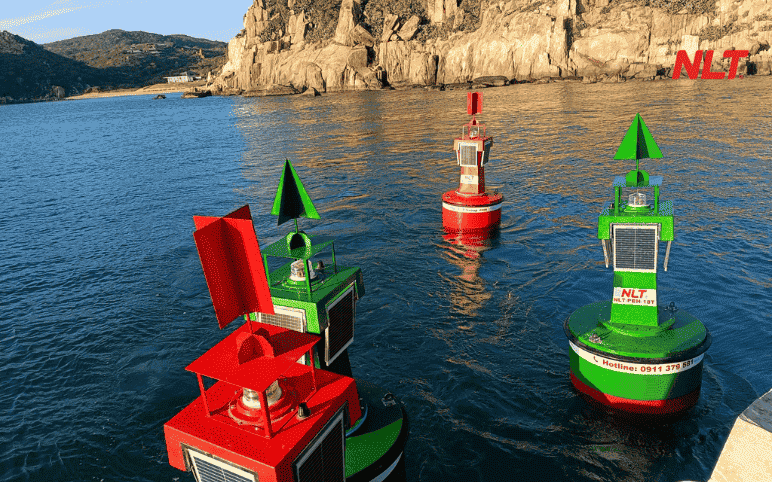
Inland waterway navigation buoys can be classified by color, shape, structure, and light or sound signals. For example, some buoys emit sound signals to warn vessels of areas with submerged rocks, while others are illuminated at night to guide waterway traffic. These buoys are essential for maintaining safety and order on inland waterways.
Operational effectiveness of inland waterway navigation buoys
Inland waterway navigation buoys are highly effective in maintaining safety and guiding inland waterway traffic. Below are the operational benefits of inland waterway navigation buoys:
Providing clear and easy to understand information
Inland waterway navigation buoys provide clear visual signals for vessel operators. These signals help captains identify traffic conditions, safe channels, or areas to avoid. For example, different buoy colors indicate hazardous zones, safe areas, or restricted movement zones. These signals enable captains to easily understand and comply with navigation regulations.
Channel guidance and vessel protection
Inland waterway navigation buoys are essential for identifying channels, helping vessels avoid getting off course or encountering hazardous areas such as submerged rocks or sandbanks. The use of navigation buoys allows vessels to travel safely and helps prevent unfortunate incidents on waterways.
Hazard warnings and accident prevention
Navigation buoys also serve as warnings for dangerous areas such as deep waters, rocky zones, or areas with strong waves. These buoys are typically placed at critical locations on rivers or coastal waters to help vessels recognize and avoid hazardous zones. Thanks to warning buoys, inland waterway accidents can be significantly reduced.
Supporting inland waterway traffic coordination
In areas with heavy vessel traffic, inland waterway navigation buoys help coordinate and separate traffic lanes effectively. These buoys guide vessels to follow designated channels, preventing head on encounters or violations of navigation rules.
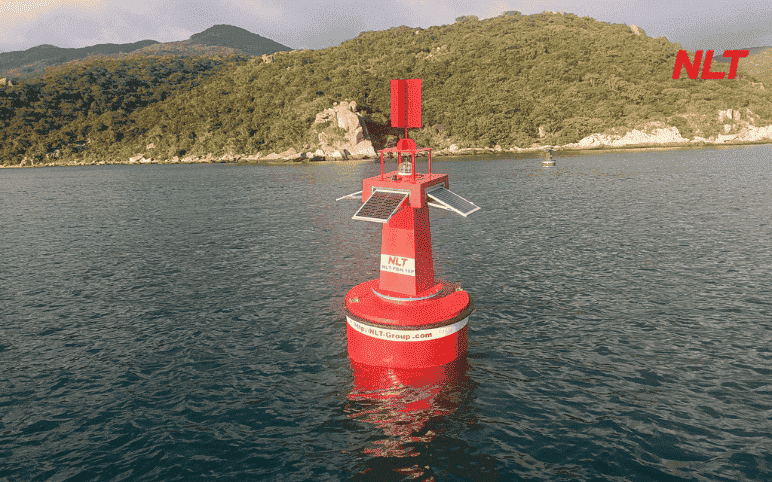
Modern technologies in inland waterway navigation buoys
Today’s technologies have made inland waterway navigation buoys more modern and effective. Current navigational aids are equipped with advanced technologies such as:
Navigation buoys with LED lighting and sensors
Modern navigation buoys are equipped with LED lighting with flexible color changing capabilities, enabling captains to identify signals in all weather conditions, including at night or in low visibility environments. Sensor technology also allows buoys to automatically change status in response to weather conditions, improving accuracy and effectiveness in navigation guidance.
Smart navigation buoys connected to monitoring systems
GPS technology and remote monitoring systems enable inland waterway navigation buoys to connect and transmit information about traffic conditions on waterways. This makes monitoring and traffic coordination more effective and accurate. These smart buoys can detect moving vessels and automatically adjust navigational signals accordingly.
Navigation buoys with automatic lighting and incident alerts
Some modern buoys are capable of automatically lighting up or emitting sound signals when incidents are detected, such as vessels entering restricted or hazardous areas. This enhances safety and reduces the risk of inland waterway traffic accidents.
Benefits of using modern inland waterway navigation buoys
Using modern inland waterway navigation buoys provides many benefits for vessels as well as waterway management authorities:
Enhancing safety: Modern navigation buoys improve vessel safety by providing clear and easily recognizable signals, helping prevent risks such as collisions, capsizing, or grounding.
Reducing maintenance costs and effort: Modern navigation buoys are designed with high durability, reducing maintenance costs and effort. These buoys rarely require replacement and can operate effectively for many years with minimal human intervention.
Improving traffic coordination: With advanced technology, inland waterway navigation buoys make traffic coordination easier and more efficient. Vessels can move safely and smoothly, reducing congestion and collision risks.
Optimizing inland waterways: With modern navigation buoys, waterways are better optimized, reducing risks and ensuring accurate guidance for vessel movement.
Notes when using inland waterway navigation buoys
To ensure effective operation of inland waterway navigation buoys hoạt động hiệu quả, các cơ quan chức năng và người điều khiển phương tiện cần lưu ý một số điều sau:
- Kiểm tra định kỳ: Phao báo hiệu đường thủy cần được kiểm tra định kỳ để đảm bảo rằng các tín hiệu vẫn hoạt động tốt, đặc biệt là các phao có ánh sáng LED hoặc các cảm biến.
- Vị trí đặt phao: Phao báo hiệu phải được đặt ở các vị trí dễ nhận diện, đặc biệt là ở các khu vực nguy hiểm, khu vực có nhiều tàu thuyền hoặc khu vực bến cảng.
- Tuân thủ quy định giao thông: Các phương tiện đường thủy cần tuân thủ các tín hiệu báo hiệu từ phao để đảm bảo an toàn và tránh vi phạm luật giao thông đường thủy.
authorities and vessel operators should pay attention to the following points:
Periodic inspection: Inland waterway navigation buoys should be inspected regularly to ensure signals are functioning properly, especially buoys equipped with LED lights or sensors.
Buoy placement: Navigation buoys must be placed in easily recognizable locations, particularly in hazardous areas, high traffic zones, or port areas.
Compliance with navigation regulations: Inland waterway vessels must comply with buoy signals to ensure safety and avoid violations of inland waterway traffic regulations.
Conclusion
Inland waterway navigation buoys are a vital component in maintaining safety and traffic coordination on waterways. With technological advancements, navigation buoys are becoming increasingly modern and effective, enhancing safety and improving inland waterway traffic management. The use of inland waterway navigation buoys not only protects vessels but also helps optimize waterways, reduce accidents, and minimize traffic incidents.
Contact information
If you would like to learn more about modern inland waterway navigation buoy solutions or need support with installation and maintenance, please contact NLT Group.
Nam Long Technology Investment Group (NLT Group)
- Hotline: 0911 379 581
- Email: kinhdoanh@nlt-group.com
- TIN: 0313339640
- Address: 43T Ho Van Hue Street, Duc Nhuan Ward, Ho Chi Minh City
Contact us today for free consultation and experience the most advanced inland waterway navigation buoy solutions from NLT Group.