Tiếng Việt
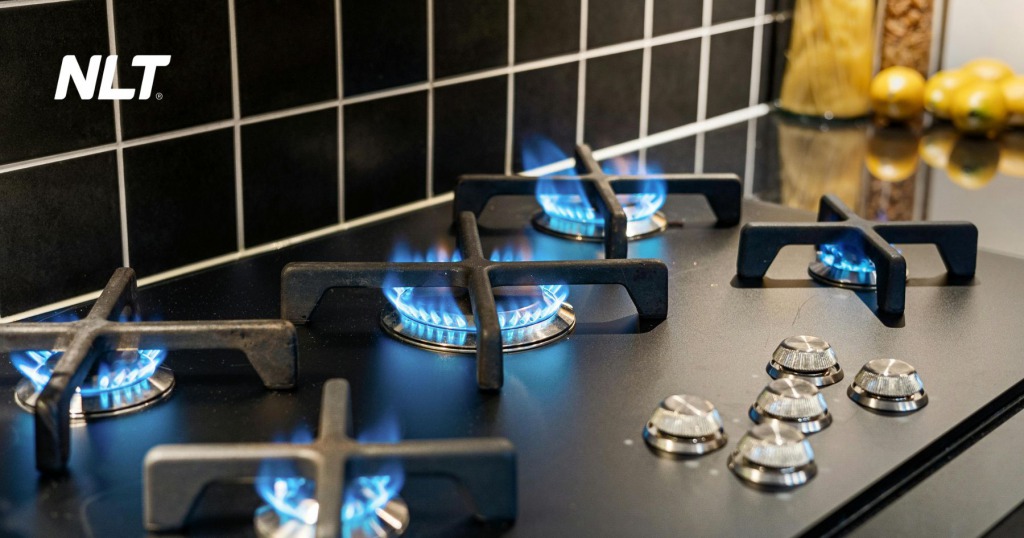
We often think the biggest risks in the kitchen are sharp knives or boiling oil, but there is a far more silent danger that few people pay attention to gas leaks. In recent years, quite a number of gas leak explosions have been reported in the Vietnamese press. What these accidents have in common is that those involved had no idea when the gas started leaking and only discovered it when the consequences had become serious. This is not only a concern for restaurants and eateries but also a potential threat in every household. In this article, we at NLT Group introduce the gas leak warning system, a modern smart-kitchen trend.
Why are gas leaks a “silent” hazard but extremely dangerous?
Gas leaks are very difficult to detect through ordinary human senses. Because gas is colorless and largely odorless unless odorants are added, detecting it by sight or smell is nearly impossible for typical users. Unlike other more visible kitchen risks, a gas leak happens quietly and unnoticed, yet its potential for harm is enormous. Even a small spark or switching on an electrical device can trigger a serious fire or explosion.

Understanding this, a smart gas leak warning system plays an essential role in ensuring absolute safety for family kitchens and food preparation areas in restaurants and eateries.
How does gas leak warning technology work?
Basic structure of a gas leak warning system
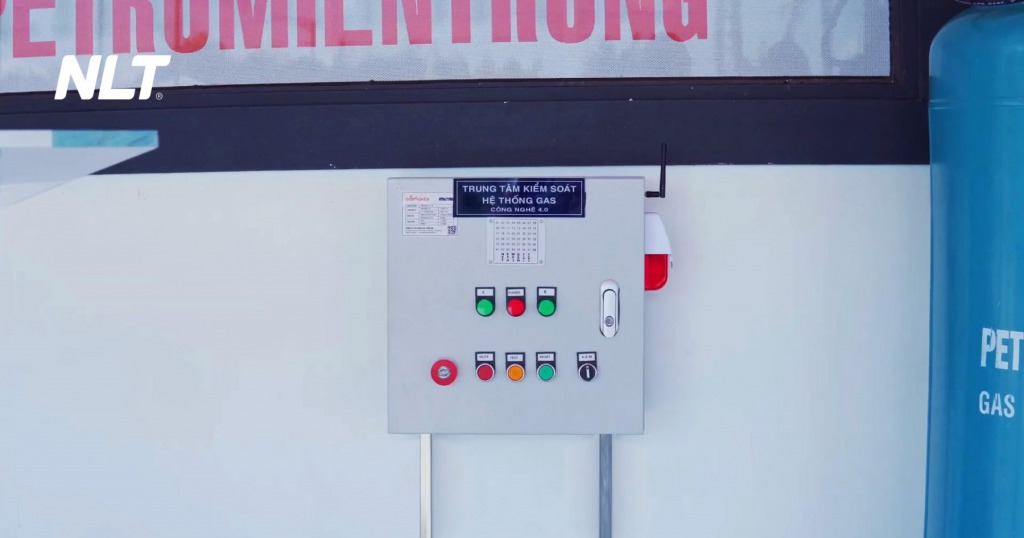
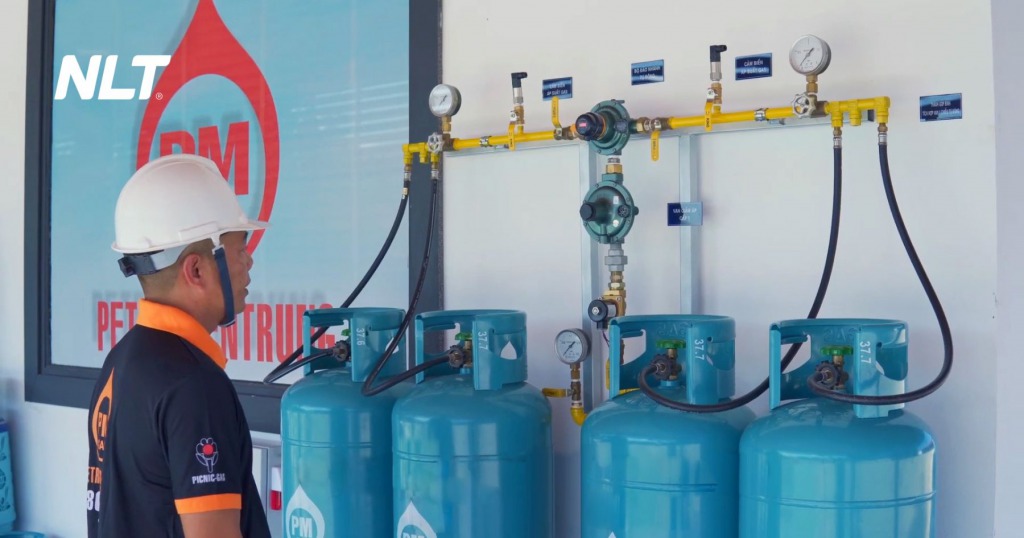
A smart gas warning system is not overly complex in design, but it plays an extremely important role in preventing dangerous incidents. Depending on the deployment model, the system can be simple or more advanced; however, most include the following basic components:
- Gas sensors: Devices that detect abnormal gas concentration levels in the monitored space. This is the “sense organ” of the entire system.
- Central control unit: Receives data from the sensors and processes it to deliver appropriate responses such as triggering alarms or sending commands to other devices.
- Alarm siren and warning lights: When signs of leakage are detected, the system activates the siren and flashing lights to alert users immediately.
- Automation devices: Some systems integrate additional features such as a solenoid valve to automatically shut off gas, SMS notifications, or connections to a remote monitoring application.
With this structure, the system can detect and respond to a leak quickly before people can realize the danger already present in the air.
Simple yet effective operating principle
Although the structure can be flexible depending on usage needs, the operating principle of a smart gas leak warning system is very clear and easy to understand. When the gas sensor detects a concentration exceeding the allowed threshold, it immediately sends a signal to the central control unit. The system then activates pre-programmed response mechanisms such as:
- Activating the alarm siren to alert users
- Triggering flashing lights to draw attention
- Sending messages to a phone or a remote monitoring application
- Issuing a command to automatically close the gas valve to cut off the gas supply
Integrating IoT technology – turning the kitchen into a “speaking” space
The biggest difference of modern gas warning systems is their smart connectivity. Instead of stopping at standalone alerts, today’s devices integrate IoT technology to expand monitoring and response capabilities.
- Alerts via mobile app: Users can receive gas leak notifications even when they are away.
- Connection with smart electrical systems: Automatically cuts power to the kitchen area when there is a risk of fire or explosion.
- Operational data storage: Helps monitor, evaluate, and detect abnormalities over time.
- Integration into a centralized management ecosystem: Especially suitable for restaurant chains, residential communities, or industrial gas systems.
It can be said that gas leak warning systems are no longer just simple alarm devices but are becoming part of the smart home ecosystem, acting like a quiet assistant that protects every activity in the kitchen.
>> See more: Gas management software: an optimized solution for businesses
Choosing a gas leak warning system: what should you consider?
There are many different types of gas warning devices on the market today; however, not every product ensures sensitivity and stability. When considering investing in a gas leak warning system, users should pay attention to the following criteria:
- Choose devices with high sensitivity and fast response speed to ensure timely detection as soon as a leak begins.
- Prioritize products integrated with an automatic gas shut-off valve to prevent fire and explosions more thoroughly rather than relying on alarms alone.
- The system should support remote alerts via phone or app, especially important for restaurants without 24/7 on-site staff.
- Devices with clear origin and fire safety certifications help ensure long-term quality.
- Easy installation and maintenance to avoid operational costs and to fit small spaces or densely populated residential areas.
Choosing the right solution from the start not only helps reduce risks but also ensures safe, stable, and sustainable operation for kitchens in both households and professional food service environments.
Who should install a gas leak warning system?
It is not only large restaurants or industrial facilities that need gas warning devices. In fact, a gas leak warning system should be installed anywhere gas is used for cooking, heating, or water boiling. This is especially important for the following groups:
- Households: In modern households, gas stoves remain very popular thanks to their convenience and low cost. However, this is also one of the environments with the highest potential risks, particularly dangerous for older adults who may have slower reflexes and for children who cannot recognize unusual gas smells. Installing a warning system is not only a way to prevent risks but also a proactive step to protect the people you love most.
- Owners of eateries, restaurants, and industrial kitchens: Food service business models use gas at high intensity, with kitchen systems operating continuously, which can easily lead to leaks due to equipment wear or improper installation. Therefore, gas warning systems become a powerful support tool for owners and staff to detect incidents early before they become uncontrollable.

If you belong to one of the groups above, installing a gas warning system is no longer an option but a part of your responsibility to ensure the safety of yourself and those who live and work with you.
Conclusion
We cannot predict accidents, but we can absolutely take proactive steps to prevent them. With a gas leak warning system, a small investment today can protect a major asset or even save lives in the future.
NLT Group is a pioneering unit in Vietnam in integrating smart gas monitoring technology. With more than 10 years of experience in providing safety solutions for the residential and industrial gas sectors. Our system not only integrates high-sensitivity sensors but also supports app-based monitoring, IoT connectivity, and automatic gas shut-off when necessary. If you are looking for an effective, safe, and easy-to-install gas warning solution, let NLT Group accompany you in protecting what matters most.
Frequently asked questions (FAQs)
How does a gas leak warning system work?
A gas leak warning system uses sensors to detect gas concentrations exceeding permitted thresholds and sends signals to a central control unit to activate alarms or automatically shut off the gas supply.
Should a gas leak warning system be installed in a family kitchen?
Yes, because gas leaks can occur unexpectedly and cause serious danger. A warning system helps detect leaks early and protects the safety of the whole family.
Can a gas leak warning system connect to a phone?
Many modern systems integrate IoT technology, allowing alerts to be sent via an app or SMS so users can monitor remotely, even when they are not on site.
Is installing a gas leak warning system complicated?
Installation is quite simple and suitable for both households and restaurants. Some devices can be mounted directly in the kitchen area without changing existing structures.
Contact information
If you are interested in deploying a gas leak warning system or need consultation on Smart Gas solutions, please do not hesitate to contact NLT Group.
- Address: 43R Ho Van Hue, Duc Nhuan Ward, Ho Chi Minh City
- Hotline: 0911 379 581
- Email: kinhdoanh@nlt-group.com
- Website: nlt-group.com
Contact us now for free consultation and to experience the most advanced smart technology solutions from NLT Group!