Tiếng Việt
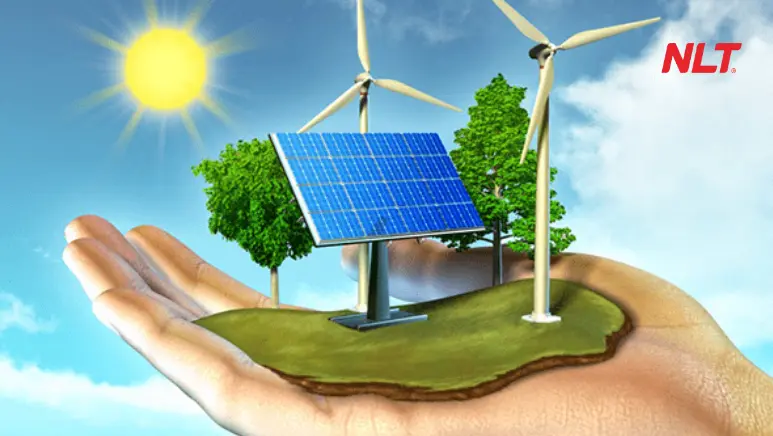
Nowadays, solar energy and other clean, safe energy sources are becoming an inevitable choice in modern life. Not only does this solution help protect the environment around us, but it also brings very practical economic benefits to both families and businesses. To help you have the most complete view, the article below will share from the basic concepts, actual advantages and disadvantages, to the detailed structure and strong development potential of solar power systems in Vietnam.
What is solar energy?
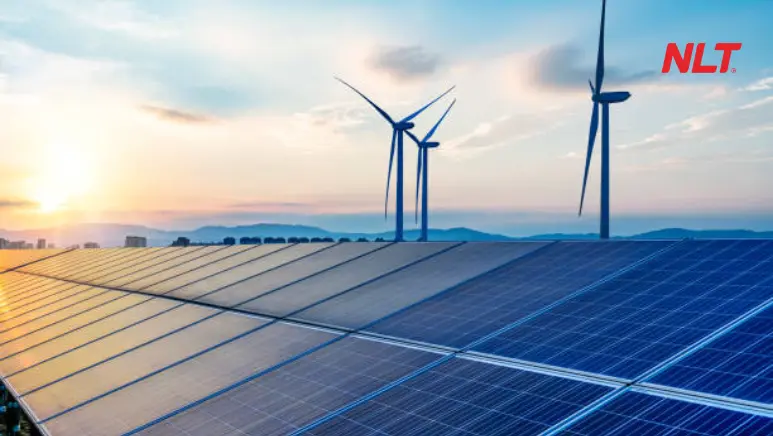
Solar energy is thermal radiation from the sun including light, heat and other forms of electromagnetic waves, exploited by humans through using a variety of modern technologies such as heating, photovoltaics, solar architecture or photoelectrochemistry.
This is a natural, abundant energy source present everywhere, playing a core role in the earth’s ecosystem and becoming the cleanest alternative energy source today.
Advantages and disadvantages of solar energy
Outstanding advantages of solar energy
- Renewable and endless: Solar energy is an infinite resource, self-regenerating every day and allowing long-term exploitation in all geographical areas without worry of depletion.
- Clean and environmentally friendly: The process of converting light energy does not emit greenhouse gases, the system operates completely smoothly without causing noise pollution, and does not consume or pollute clean water sources.
- Reduce electricity costs: Self-mastering local power sources helps directly cut monthly electricity bills, reduce the pressure of peak daytime pricing and can create passive income when feeding surplus electricity into the grid.
- Low maintenance costs: Systems exploiting this energy usually have very high durability (over 25 years) and require very little maintenance throughout their operating life cycle.
Limitations when using solar energy
- Dependent on weather: Electricity generation is directly affected by weather, dropping sharply when it rains or is cloudy and stopping completely at night, forcing the use of additional storage batteries or backup grid electricity to maintain continuity.
- High initial investment costs: The package installation budget for solar energy systems in the early stage is quite large due to high-tech material costs and technical construction costs.
- Space consumption: The energy density per unit area is low, requiring large enough installation space (such as roof space, factory roofs or solar farms) to collect large electricity output.
Practical role of solar energy?
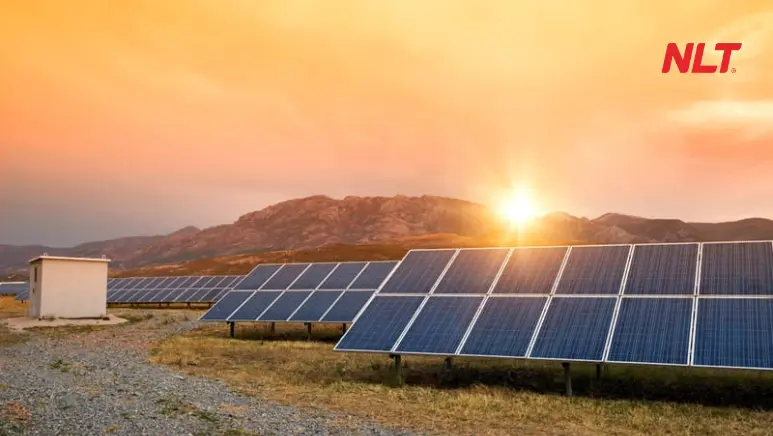
Protecting the environment and reducing greenhouse gas emissions
The widespread application of solar energy helps significantly minimize dependence on coal-fired power plants, the main cause of air pollution and global climate change. Switching to using this clean energy source will help cut millions of tons of CO2 emissions.
Developing sustainable renewable solar energy sources
Solar energy plays a role as the core nucleus in the national energy security strategy, aiming towards sustainable development goals and reducing load pressure on traditional electricity grids. Continuously improving technology to transmit and receive this energy helps ensure stable power supplies for the future, minimizing energy crisis risks when non-renewable resources deplete.
Optimizing living costs for households
For households, installing solar energy systems on rooftops helps directly cut electricity costs consumed for cooling, lighting and daytime living devices. Besides reducing the monthly living cost burden, this system also cools rooftops naturally and elevates modern aesthetic values for living spaces.
Solar energy serving industrial production
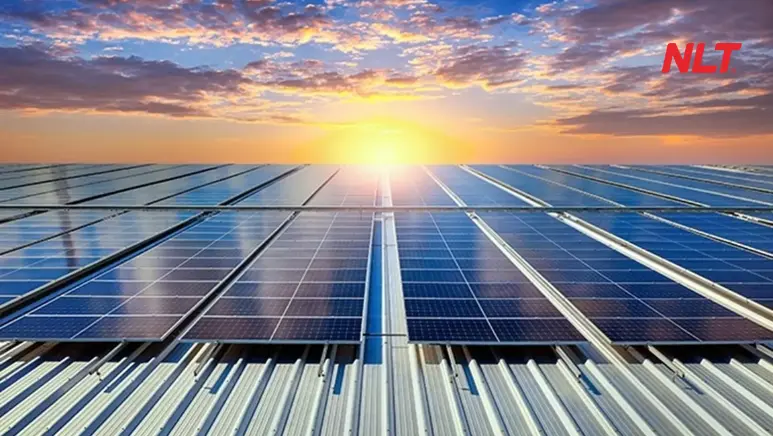
At large industrial parks and factories, solar energy is exploited on vast factory roof areas to supply electricity directly to production lines, heating systems and waste treatment. This solution not only helps businesses optimize operating costs but also brings green certificates, creating a large competitive advantage when exporting goods to international markets.
Integrating solar energy into urban lighting systems
Solar energy is being smartly applied into public infrastructure such as street lights, traffic signal lights, billboards and automatic public charging stations. This integration helps modern cities completely eliminate operating costs for lighting networks, ensuring traffic safety even when widespread power outages occur.
What is solar power?
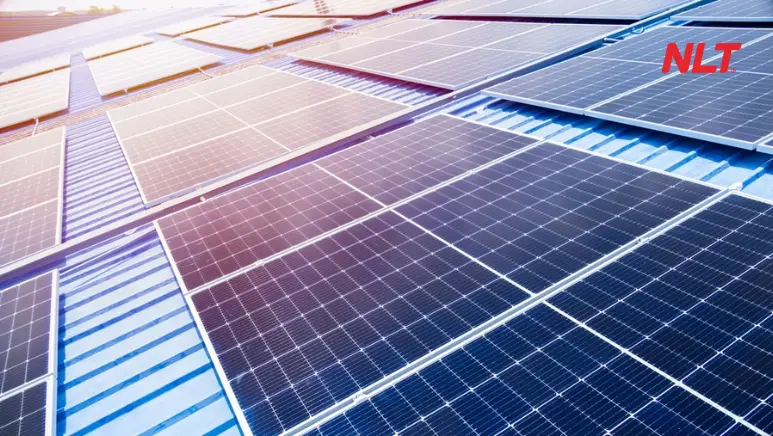
Solar power is the electric current generated from directly converting sunlight into electricity through photovoltaic panels. Solar power is currently ranked as a clean renewable energy source that needs to be encouraged for development, not only bringing many values to humans but also helping fight against global climate change, which is increasingly affecting human life seriously as well as all living organisms on earth.
Structure of solar power systems
Solar panels
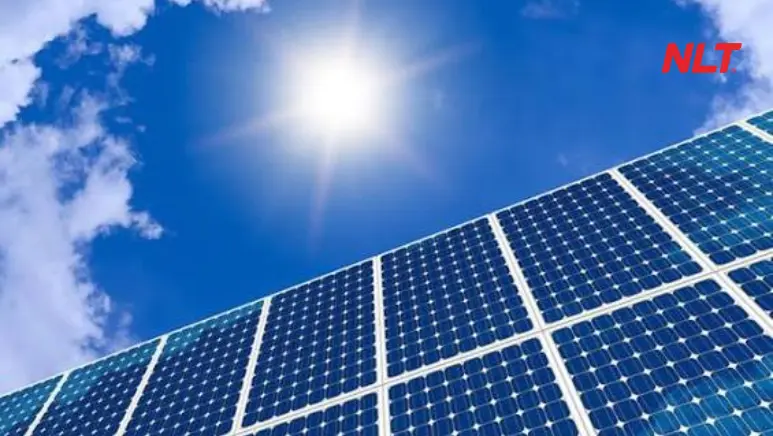
Solar panels are the first parts to receive light and play the most important role in the entire system. This device is constructed from many small solar cells made of high-grade silicon semiconductor material, tightly linked together on a large flat surface.
- Main function: Absorb light particles from the sun and activate electrons to move, thereby directly converting light energy into direct current.
- Practical operational benefits: Help exploit the endless solar energy source to the maximum, protect the roof from thermal impacts and ensure the system always has abundant input energy to convert into household electricity.
Solar charge controller
The solar charge controller plays a role like a smart gatekeeper, regulating the energy flow coming from the panels before charging into the storage system. This is an indispensable device in solar power systems that use batteries or accumulators to protect hardware.
- Main function: The device has the task of controlling, keeping the voltage and current transmitted down from panels always at a stable level. Prevent storage batteries from being overcharged causing short circuits, or current flowing backwards to panels at night when it gets dark.
- Operational and practical benefits: Ensure absolute safety against explosion for storage areas, optimize the energy charging and discharging process and maximize the life span of expensive storage battery systems.
Solar grid-tie inverter
The solar grid-tie inverter is considered the brain controlling all activities of the system. Because the current generated from solar panels is direct current that is not directly compatible with household electrical appliances, this device will stand out to solve that problem.
- Main function: Convert direct current from panels into alternating current with the same frequency and voltage as the national grid (usually 220V).
- Operational and practical benefits: Help synchronize perfectly with the national grid, automatically regulate to prioritize using solar power sources first to optimize electricity costs and protect electrical devices in the house to operate stably.
Storage battery
Storage batteries (usually new-generation Lithium battery systems or specialized accumulators) are the energy storehouses for the whole project. This device completely solves the biggest limitation of solar energy, which is stability when weather changes.
- Main function: Collect all surplus solar power generated during the day (when devices in the house do not use it all) to store it.
- Operational and practical benefits: Solve the energy interruption problem, help users self-master electricity 24/7 and reduce complete dependence on the traditional electricity network when weather is bad.
ATS automatic transfer switch
ATS (Automatic Transfer Switch) is an automatic source transfer switch, playing a role like a safety engineer on duty 24/7 to monitor and regulate the current entering the house.
- Main function: The device continuously measures the grid electricity and solar electricity. When sudden power outages happen from the state, ATS will automatically disconnect from the external grid and switch to using electricity from the solar energy system or storage batteries in a split second.
- Operational and practical benefits: Ensure the electrical system in the house always operates continuously without interruption, protecting sensitive electrical devices (such as computers, refrigerators, cameras) from sudden shutdowns.
Development potential of solar power in Vietnam
Ideal radiation conditions to develop solar energy
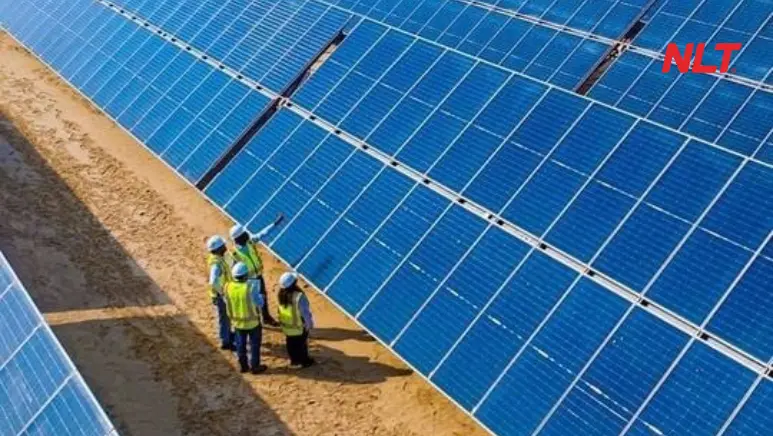
Our country is located in the tropical zone with a sunshine distribution range among the high groups in the world. The Central and Southern regions have an average number of sunshine hours up to 1,600 – 2,700 hours/year with large, stable radiation, creating optimal conditions to generate maximum solar power output.
Large surface area to apply solar energy widely
Fast urbanization speed brings extremely abundant installation space. From millions of residential roofs, factory roofs at industrial parks to arid lands, all can be utilized to install panels, helping solar energy easily approach from household to industrial scales.
Policies and trends to develop sustainable solar energy
The Government always promulgates encouraging mechanisms combined with the increasingly high green living awareness of citizens. This helps reduce load for the national grid during hot sunny seasons, while making solar energy become a strategic solution towards the net zero emissions goal (Net Zero).
Solar energy in Vietnam possesses enormous development potential thanks to outstanding advantages in both nature and policies. Actively investing and utilizing this clean energy source not only helps solve the power shortage problem, optimize operating costs for citizens and businesses, but is also an inevitable step contributing to the sustainable development of the nation in the future.
Nam Long Technology Investment Group (NLT Group)
- Hotline: 0911 379 581
- Email: kinhdoanh@nlt-group.com
- Tax code: 0313339640
- Address: 43R Ho Van Hue, Ward Duc Nhuan, HCMC.