Tiếng Việt
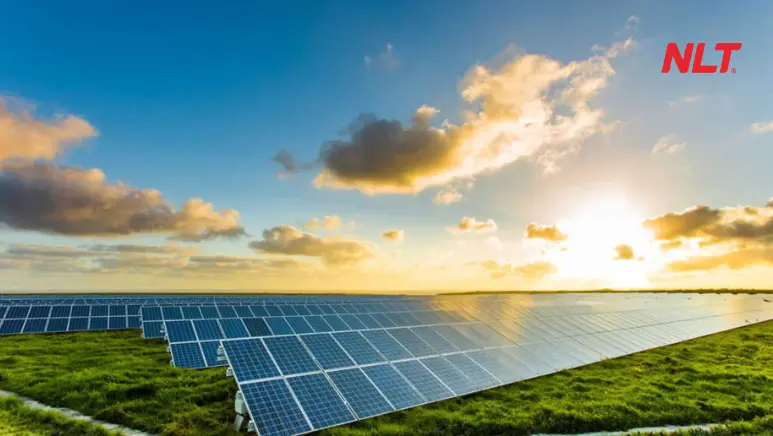
Solar power system installation is becoming a leading strategic priority in 2026 for households and businesses that want to proactively cut down electricity costs, while simultaneously perfecting international green standards. However, this is not simply fixing panels onto the roof, but a synchronized technical infrastructure requiring absolute accuracy regarding regulatory standards. For the investment cash flow to yield profits safely and avoid unwanted operational risks, mastering the strict standards below is a prerequisite step before you officially execute the construction.
What is a solar power system installation standard?
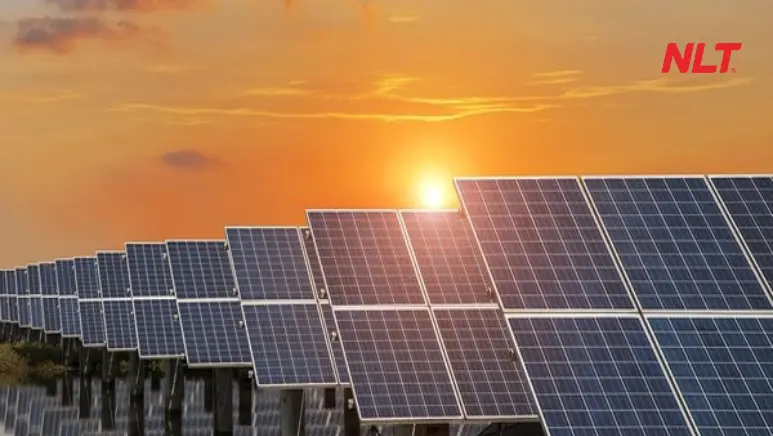
A solar power system installation standard is a compilation of legal regulations, technical codes, and safety principles issued by national functional authorities or international organizations. These sets of standards control the entire life cycle of an energy project, including: input material quality inspection, mechanical structure calculation, fire prevention and fighting safety, power grid protection, and acceptance testing processes.
Complying with these standards helps ensure that the project not only generates stable electricity but is also absolutely safe for humans, avoiding risks of short-circuit fires or infrastructure damage.
Summary of standards to know during solar power system installation
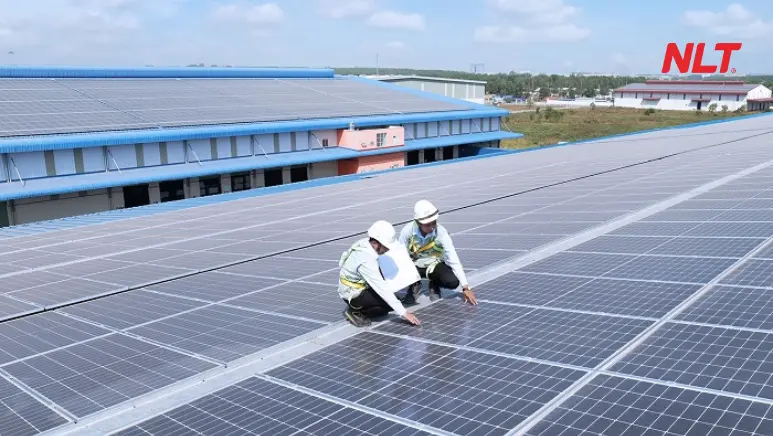
Technical and quality standards of equipment
Equipment quality is the first link deciding the project lifespan. During solar power system installation, all main equipment such as photovoltaic panels (PV Module), inverter (Inverter), distribution electricity cabinet, and conductors must have full origin and quality certificates.
Equipment must reach Tier 1 certificates regarding manufacturer reputation, fully integrate safety self-tripping technology, and have the capacity to endure harsh outdoor weather (anti-UV, anti-rust) throughout dozens of years.
Standards on survey design and installation techniques
Before executing solar power system installation, the engineering team must take measurements and conduct actual surveys to determine coordinates, sunlight direction, optimal tilt angle, and comprehensively check surrounding shading factors.
The support frame structure system must use specialized materials such as anodized aluminum or hot-dip galvanized steel, fixed and linked by bolts with waterproof rubber gaskets to prevent roof leakage. This mechanical structure must be able to withstand the static load of the equipment and the dynamic load of wind force and storms according to the climate characteristics of each region.
Electrical safety and lightning protection system standards
Solar power operates with high-voltage direct current (DC), which easily causes electrical arcs leading to fires and explosions if leaked. Therefore, the DC/AC wiring system must be wrapped in specialized insulating conduits.
The infrastructure responsible for protecting safety for the process of solar power system installation must be equipped with two synchronized lightning protection layers:
- Direct lightning protection: Install lightning rods to protect the entire roof scope.
- Surge lightning protection: Integrated into the electricity cabinet and inverter to suppress surge lightning currents, protecting electronic circuit boards.
- Grounding system: The earthing resistance of the electrical safety and lightning protection system must reach the level of R ≤ 4Ω (or maximum ≤ 10Ω depending on the project grade).
Technical standards for connection and grid synchronization
For grid-tied or hybrid systems, the generated power source must reach strict power quality indexes to avoid causing pollution to the general power grid. The operating power factor must maintain cos ≥ 0.9, and the total harmonic distortion must lie within allowable limits.
Besides, the inverter selected during solar power system installation must integrate anti-islanding protection functions. This feature helps automatically cut off the generation source within a few milliseconds when the national power grid loses electricity, protecting absolute safety for workers during line repair processes.
Standards for inspection, acceptance, and operation
When completing the physical installation part, the system must enter the acceptance assessment phase. Technicians must proceed to measure insulation resistance, check current polarity, and actually test anti-reverse flow functions and meter errors.
Only when technical parameters after solar power system installation all lie within safe thresholds is it permitted to completely energize. After that, the system will be activated with a cloud monitoring application to enter the long-term commercial operation phase.
Popular standards in Vietnam during solar power system installation
National standards TCVN
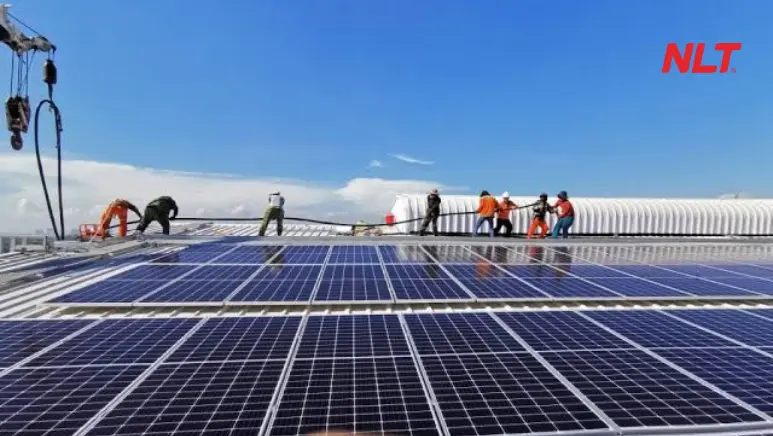
In Vietnam, engineers must always base on the synchronously issued national standard system to design and construct. The core sets of codes regulating the process of solar power system installation include:
- TCVN 7447-7-712:2015: Regulates special electrical safety requirements for photovoltaic (PV) power supply systems.
- TCVN 12232:2018: Safety standards specialized for photovoltaic modules against mechanical risks and electrical leakage.
- TCVN 11855-1:2017: Regulates testing processes, technical document handover, and maintenance of grid-connected PV systems.
EVN connection standards
- Connection and monitoring technical requirements: Systems wanting to link with the national power grid must strictly comply with the technical regulations of Vietnam Electricity (EVN), typically Decision 378/QD-EVN on technical requirements for connecting and monitoring rooftop solar power systems.
- Control and data transmission: The technology infrastructure after solar power system installation must be configured synchronously to transmit real-time generation capacity data to the dispatch authority with a frequency of 5 minutes/time and allow receiving remote capacity reduction control commands when the regional power grid
International standards IEC
Most distribution equipment in Vietnam takes the standards of the International Electrotechnical Commission (IEC) as the quality yardstick. During solar power system installation, core materials must reach the following certificates:
- IEC 61215: Checks design, performance, and durability of solar panels.
- IEC 61730: Evaluates electrical safety, fire and explosion safety, and mechanical safety of panels.
- IEC 62109: Safety standards specialized for inverters.
International standards IEEE
- Distributed energy source regulations: This is the standard system from the Institute of Electrical and Electronics Engineers (IEEE) USA, prominent with the IEEE 1547 standard, strictly regulating connection conditions of distributed energy sources into medium-voltage and low-voltage power grids.
- Synchronous quality control: This standard is responsible for strictly controlling the synchronicity regarding frequency, phase, and voltage of the current. This ensures that the infrastructure after solar power system installation operates safely and does not cause disturbance or reduce the quality of the general power grid network.
The importance of complying with standards during solar power system installation
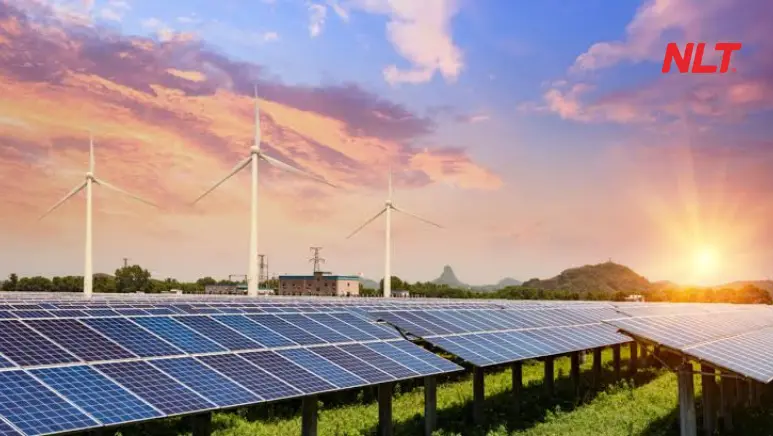
Seriously applying technical standards during the process of solar power system installation brings 3 core values:
- Protect assets and lives: Eliminate to the maximum risks of electrical short-circuits causing roof fires, frame system collapse due to big winds and storms, or dangerous electric shocks for users.
- Optimize the economic problem: A properly installed system according to standards will operate durably, have fewer minor breakdowns, minimize repair costs, and maintain the highest electricity generation efficiency throughout the project life cycle.
- Legalize administrative procedures: Help investors easily complete notification and registration files with local People’s Committees according to new regulations (such as Decree 243/2026/NĐ-CP) and be approved for connection by EVN.
NLT Group – a reputable solar power system installation unit in Vietnam
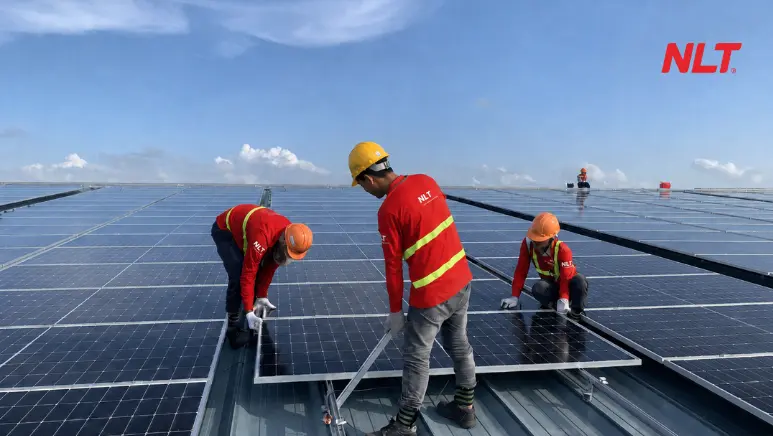
Core capacity of Nam Long Technology Investment Group (NLT Group)
As one of the units with experience in the EPC field, NLT Group aims to bring optimal power-saving solar panel installation solutions thanks to focusing on applying modern technology and owning a team of engineers with expertise. We always prioritize selecting material lines from reputable brands on the market, combining with a smart monitoring system supporting users to easily track performance from afar.
Every project executed by NLT Group is carefully calculated to aim at the goal of optimizing electricity output, while striving to meet standards on electrical safety, bearing structure, and fire prevention and fighting (PCCC). This brings trust and peace of mind to customers during the long-term green infrastructure operation process.
Solar power system installation process at NLT Group
- Step 1: Survey and appraise the premises: Proceed to accurately measure the available roof area, while supporting the inspection and preliminary evaluation of the bearing rafter structure to ensure absolute safety before solar power system installation.
- Step 2: Optimize solution design: Develop technical simulation drawing plans to determine sunlight direction and calculate the most optimal tilt angle for the panel array, helping the system reach high radiation absorption efficiency.
- Step 3: Support completing procedural files: Accompany investors in preparing and gathering necessary technical papers complying strictly with current regulations to prepare solid legality for connection work after solar power system installation.
- Step 4: Construction and actual monitoring: Deploy positioning of the support frame structure system, fixing panels and running electromechanical wiring out at the site under the close monitoring of specialized personnel.
- Step 5: Parameter check and handover: Execute careful measurement of operating parameters, actual testing of infrastructure stability and safety before officially accepting and energizing, completing the full package solar power system installation process.
Some frequently asked questions when executing solar power system installation
How much is the cost for solar power system installation?
The initial investment level will depend on the capacity, type of materials, and system model you choose (grid-tied, independent, or hybrid). Normally, the cost for solar power system installation for small households will range from a few tens of million VND, while large businesses and factories will be calculated in detail according to the roof area and actual usage needs.
Does the system operate on rainy and stormy days?
Yes. On rainy and stormy days or when the sky is cloudy, panels still absorb diffuse light to generate electricity, although the output from solar power system installation will decrease significantly compared to sunny days. If using a Hybrid or Off-grid model, the backup power source from storage batteries will automatically activate to compensate for shortages, helping the electricity in the house always maintain continuously.
How long does it take for solar power system installation to recover capital?
Thanks to increasingly reasonable equipment costs, a properly designed project according to standards only takes an average of about 4 to 6 years to recover the entire initial capital cost. After this time, the solar power system installation process will bring pure profit for you because the amount of electricity generated after that is completely free.
What is the lifespan of a solar panel and how is the warranty?
Genuine high-quality panels always have impressive durability and operating lifespan from 25 to 30 years. When deciding on solar power system installation, you will enjoy parallel warranty policies from reputable brands: hardware equipment warranty from 12 to 15 years and a commitment to power generation efficiency warranty (ensuring panels do not degrade beyond specified limits) extending up to 25 years.
Solar power system installation is a smart and sustainable investment solution, helping optimize operating costs while proactively catching up with future green transformation trends. Understanding and seriously complying with technical standards not only protects safety for the project but also guarantees long-term profitable performance for investors. Choose accompanying partners with capacity and methodical deployment processes to realize energy-saving goals in the most secure and effective way.
Nam Long Technology Investment Group (NLT Group)
- Hotline: 0911 379 581
- Email: kinhdoanh@nlt-group.com
- Tax code: 0313339640
- Address: 43R Ho Van Hue, Ward Duc Nhuan, HCM.