Tiếng Việt
In the era of Industry 4.0, smart lighting technology is becoming an inevitable trend across many sectors, from urban and industrial lighting to residential spaces. The development of IoT (Internet of Things) and artificial intelligence (AI) has opened up modern lighting solutions that help optimize energy use, enhance convenience, and improve quality of life. Beyond flexible control capabilities, smart lighting systems also make a significant contribution to environmental protection by using energy-efficient devices and reducing carbon emissions.
What is smart lighting technology?
Definition and operating principles
Smart lighting technology refers to lighting systems that can automatically adjust brightness, color, and on off schedules based on sensors and remote control via mobile devices. These systems are typically integrated with IoT, allowing users to easily manage lighting through smartphones, voice commands, or virtual assistants such as Google Assistant and Alexa.
The operating principles of the system are based on:
- Smart sensors: Light sensors and motion sensors enable the system to automatically turn lights on or off or adjust brightness according to surrounding environmental conditions.
- IoT connectivity: Lights and lighting devices are connected to a central controller via Wi Fi, Zigbee, or Bluetooth, allowing users to control them remotely.
- Learning user habits: Some advanced systems also use AI to learn users’ lighting habits, thereby optimizing the lighting experience.
Main components of smart lighting technology
1. Smart LED lights
- Using energy-efficient LED technology, these lights can adjust color and brightness intensity according to demand.
- Some types also integrate RGB color changing features, suitable for decorative and relaxation purposes.
2. Light and motion sensors
- Light sensors help the system automatically adjust brightness based on ambient conditions, reducing unnecessary energy consumption.
- Motion sensors allow lights to turn on or off automatically when movement is detected, which is especially useful in public spaces or residential settings.
3. Central control unit and IoT connectivity
- This is the core component that connects lighting devices together, allowing users to control them through smartphone applications.
- Some systems also support voice control and integration with virtual assistants to enhance the user experience.
With these outstanding benefits, smart lighting technology not only improves energy efficiency but also brings convenience and modernity to daily life. In the coming years, this trend will continue to grow strongly, contributing to the development of smarter and more sustainable cities.
Outstanding benefits of smart lighting technology
Energy savings and operating cost reduction
One of the greatest advantages of smart lighting technology is its ability to save energy effectively. By integrating light and motion sensors, the system can automatically adjust brightness or turn lights off when no one is present. This significantly reduces energy waste, especially in public spaces, offices, or factories. In addition, the use of smart LED lights, which have long lifespans and low power consumption, helps businesses and households optimize operating costs and reduce monthly electricity bills.
Enhanced convenience and user experience
Beyond energy savings, smart lighting technology delivers maximum convenience for users. The system allows remote control via mobile applications and supports voice control through virtual assistants such as Google Assistant or Alexa. In particular, AI technology can learn users’ lighting habits and automatically adjust settings based on personal preferences and needs. Users can also customize lighting color and intensity for different contexts, making living and working spaces more comfortable.
Improved security and safety
Another important benefit of smart lighting technology is enhanced security for homes and businesses. The system can be integrated with surveillance cameras and motion sensors to automatically turn on lights when unauthorized movement is detected. In addition, scheduling features that turn lights on and off help create the impression that someone is at home even when occupants are away, reducing the risk of theft.
Practical applications of smart lighting technology
Smart lighting in homes
In modern apartments and villas, smart lighting technology is widely applied to optimize daily living convenience. The system can schedule lights according to homeowners’ routines, enable voice or sensor-based control, and enhance the overall living experience.
Urban lighting and public infrastructure
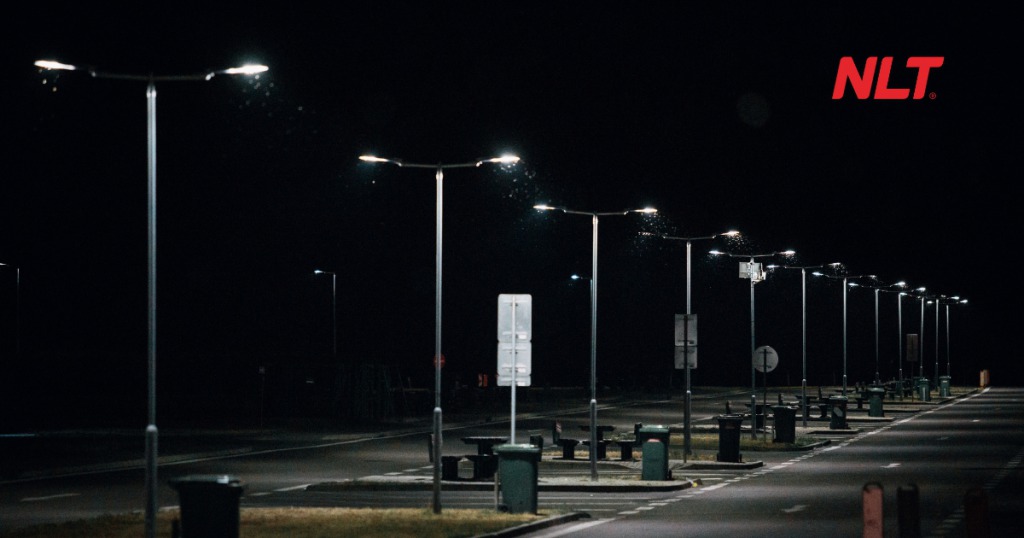
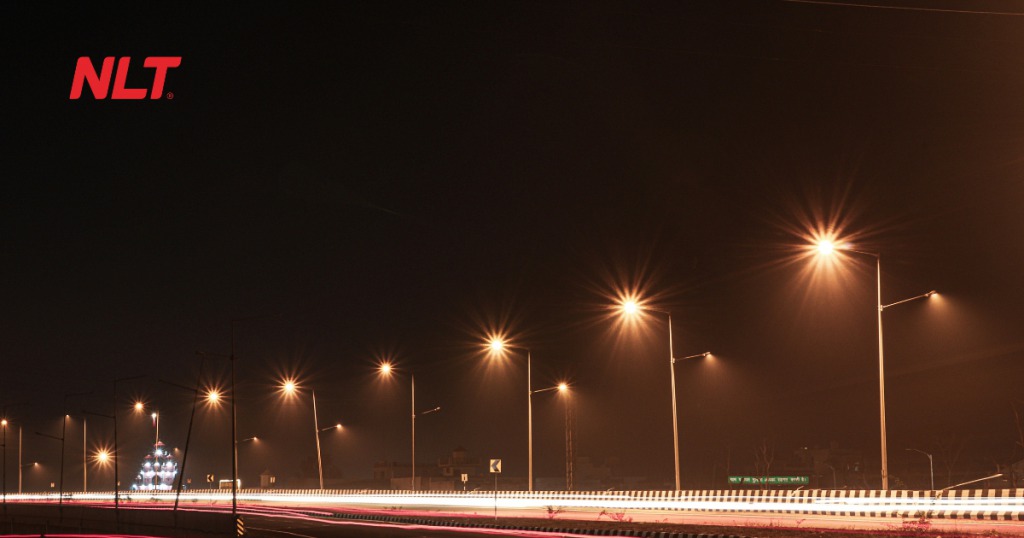
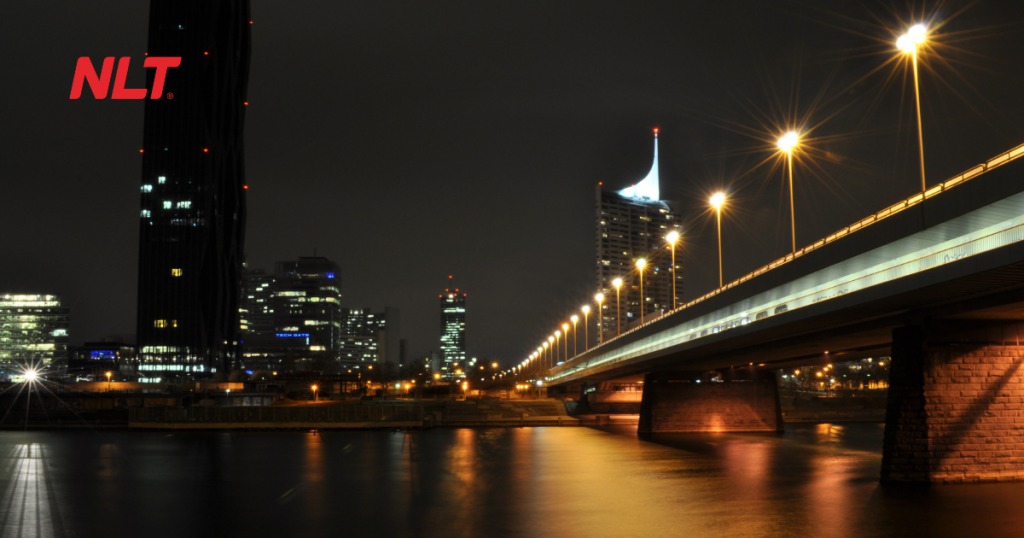
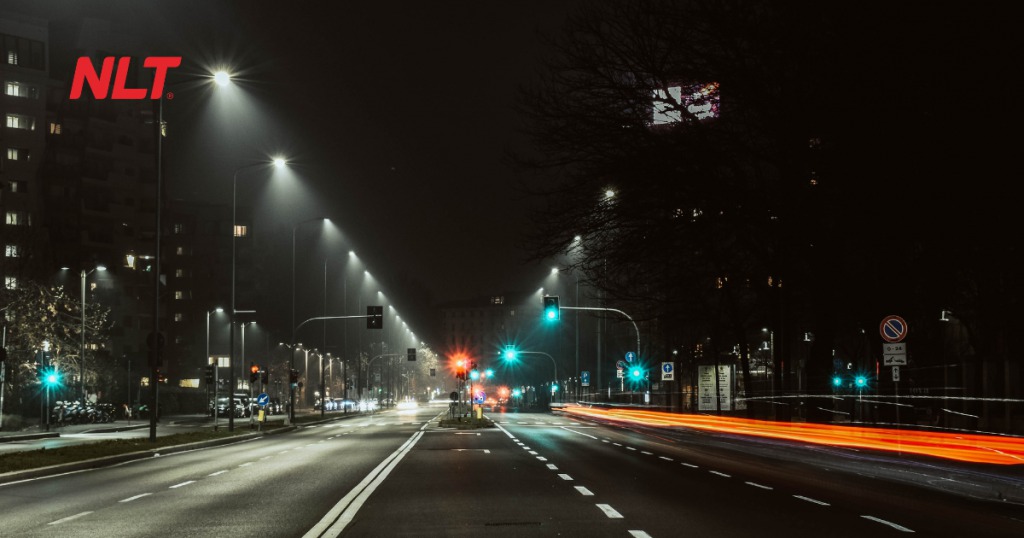
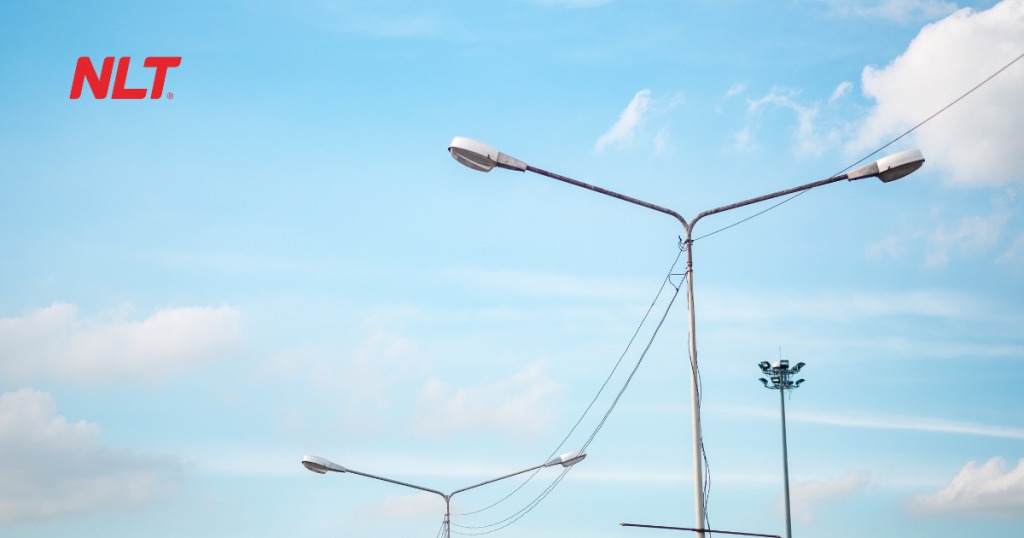
In smart cities, street lighting systems use light sensors to adjust brightness according to environmental conditions, helping save energy and extend equipment lifespan. In addition, parking areas, parks, and public spaces are equipped with automatic lighting systems to ensure security and efficient energy use.
Industrial and commercial lighting
In industrial settings, smart lighting technology helps factories, offices, and commercial centers optimize energy consumption while maintaining optimal working conditions. The system can automatically adjust lighting based on occupancy density or actual needs, contributing to improved productivity and reduced operating costs.
Thanks to its outstanding benefits and flexible applications, smart lighting technology is increasingly becoming an optimal solution for the future, contributing to the creation of modern, energy-efficient, and sustainable living and working environments.
Future development trends of smart lighting technology
Integrating AI and IoT into lighting systems
In the future, smart lighting technology will continue to advance through the integration of artificial intelligence (AI) and the Internet of Things (IoT). Lighting systems will be able to learn users’ habits and automatically adjust brightness and color temperature to suit different times of day. In addition, connecting with other smart devices in homes or workplaces will help optimize the overall experience, improve efficiency, and deliver even greater energy savings.
Using renewable energy in smart lighting
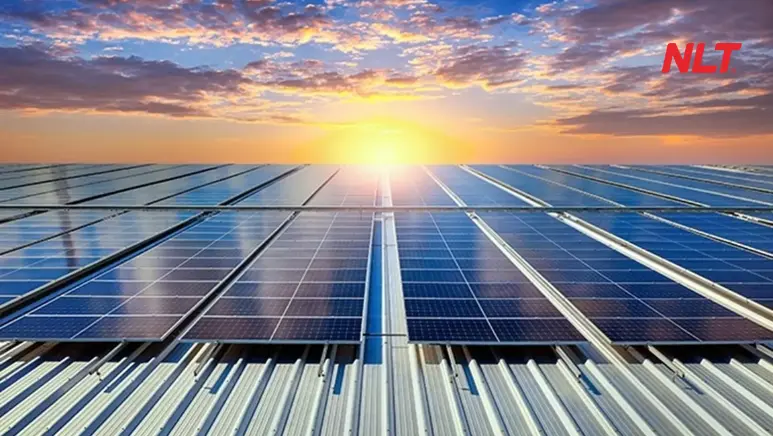
With sustainability as a key direction, smart lighting technology will increasingly incorporate renewable energy sources such as solar and wind power. This not only reduces dependence on the traditional power grid but also contributes to environmental protection. Street lighting systems, public works, and residential buildings will be equipped with solar panels, ensuring stable operation even in the event of power outages.
Wireless technology and cloud-based control
Wireless control technology and cloud platforms are becoming inevitable trends in the lighting industry. As a result, users can control lighting systems remotely via smartphones or voice commands, and even monitor and manage systems in real time. This development increases flexibility, reduces the cost of wiring installation, and enhances the user experience.
Conclusion
With the continuous development of AI, IoT, and renewable energy, smart lighting technology is ushering in a new era of modern lighting. Beyond convenience, savings, and safety, this technology also contributes to building a more sustainable and nature-friendly living environment. In the future, smart lighting trends will become increasingly widespread, emerging as an optimal solution for every space, from homes and offices to public infrastructure and smart cities.
Contact information
If you need consultation on smart lighting solutions, do not hesitate to contact NLT Group.
Nam Long Technology Investment Group (NLT Group)
- Hotline: 0911 379 581
- Email: kinhdoanh@nlt-group.com
- TIN: 0313339640
- Address: 43T Ho Van Hue Street, Duc Nhuan Ward, Ho Chi Minh City
Contact us now for free consultation and experience the most modern and advanced smart lighting solutions from NLT Group!
>> You may also be interested in::
- All you need to know about smart lighting systems
- Smart urban lighting systems – a driving force for urban development