Tiếng Việt
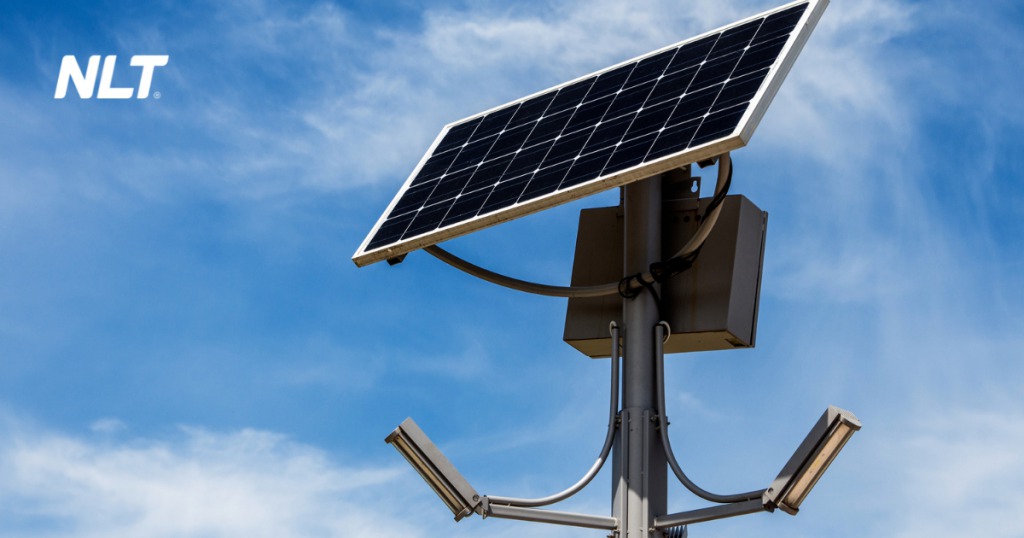
As urbanization accelerates, electricity demand for public lighting continues to rise. However, maintaining traditional lighting systems not only consumes massive amounts of electricity but also increases operating costs and negatively impacts the environment. That is why smart urban lighting is becoming an inevitable trend, helping optimize energy use, reduce costs and move toward sustainable development. This article explores technology solutions in smart urban lighting, focusing on the benefits of these systems and how they are reshaping modern cities.
>> See more: Urban lighting standards
Smart urban lighting: advanced technology
IoT and AI technologies in smart urban lighting
One of the biggest breakthroughs of smart urban lighting is the combination of the Internet of Things (IoT) and artificial intelligence (AI) to create a flexible and efficient lighting system. Lighting devices no longer operate in a traditional fixed manner. Instead, they can:
- Automatically adjust lighting based on traffic flow, weather conditions and time of use.
- Be monitored remotely through cloud platforms, enabling authorities to track operating status and detect faults in time.
- Use smart sensors to automatically switch on or off when vehicles or pedestrians pass by, reducing unnecessary energy waste.
Energy efficient LED lighting
LED lighting is a key component of smart urban lighting systems. Compared with conventional lamps, LEDs offer major advantages in lighting performance, lifespan and energy saving capability.
- Save up to 50–70% electricity, significantly reducing operating costs.
- Longer lifespan (typically 50,000–100,000 hours), lowering maintenance and replacement costs.
- High quality light output that reduces glare, improves road safety and fits a wide range of urban lighting applications.
Smart control systems
Smart control systems are the key factor that optimizes the performance of smart urban lighting. These systems can adjust brightness based on time and environmental conditions, helping save energy and reduce light pollution.
- Flexible dimming: lights can reduce power late at night or when there is no traffic, saving energy while maintaining safety.
- Remote monitoring and control: operators can check the status of each light and detect faults instantly through a centralized software platform.
Benefits of smart urban lighting solutions
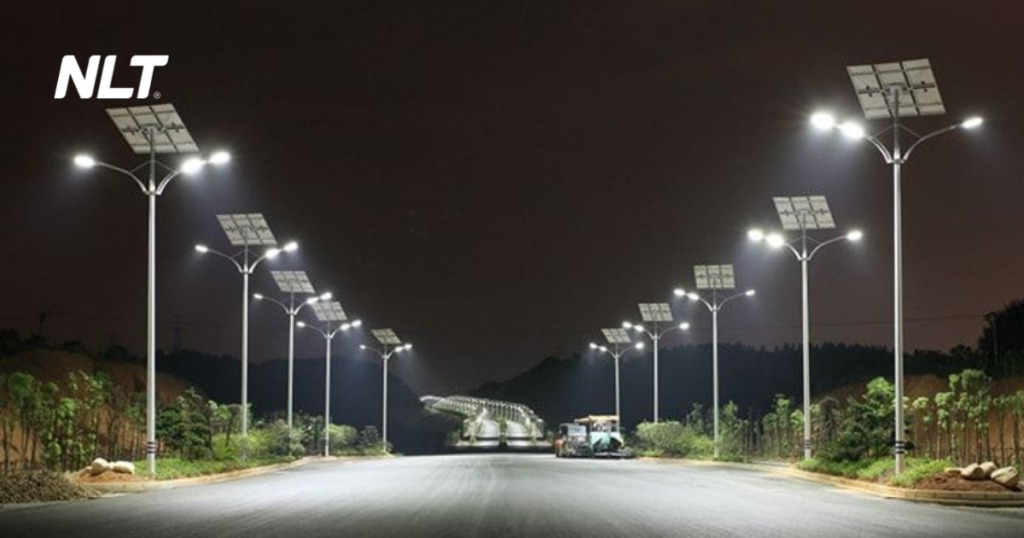
Deploying smart urban lighting delivers outstanding benefits. It not only saves energy but also improves residents’ quality of life. This is an important step toward building sustainable, modern cities.
Energy savings and cost reduction
A key advantage of smart urban lighting is its ability to maximize energy savings. By combining advanced LED technology with smart control systems, electricity consumption can be reduced by up to 50–70% compared with traditional lighting. This eases pressure on the power grid while optimizing operational budgets for cities.
In addition, with an average lifespan of 50,000 to 100,000 hours, LED lights in smart urban lighting systems significantly reduce maintenance and replacement costs. Remote control and monitoring also helps track the operating condition of each light, detect faults early and minimize unnecessary repairs.
Environmental protection
Reducing electricity consumption also means reducing CO2 emissions, contributing to environmental protection. Smart urban lighting can also reduce light pollution, an issue that is increasingly important in major cities.
- LED lighting can be adjusted to minimize impacts on wildlife habitats and human well being.
- Systems can be designed to reduce glare, creating a more comfortable and safer lighting environment.
Improved quality of life
Smart urban lighting systems do more than save electricity. They bring meaningful improvements to everyday life. By providing stable, optimized lighting tailored to each area, these systems improve visibility at night, reduce traffic accident risks and enhance public safety.
In addition, well designed urban lighting contributes to a modern, aesthetic cityscape, improving the living experience and increasing the value of urban environments. Thanks to these strong benefits, smart urban lighting is becoming an inevitable trend, supporting the development of smarter and more sustainable cities in the future.
Practical applications of smart urban lighting
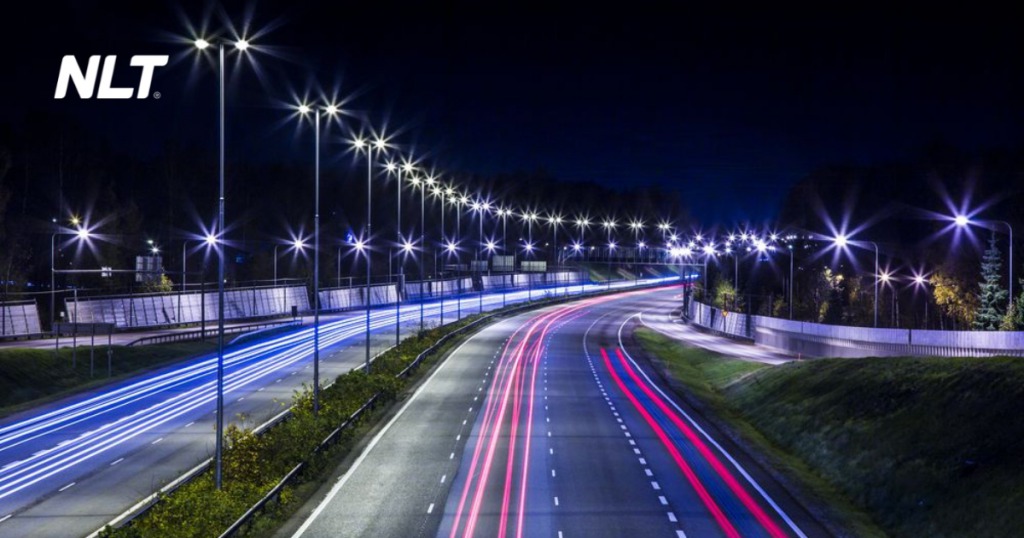
Street and traffic lighting
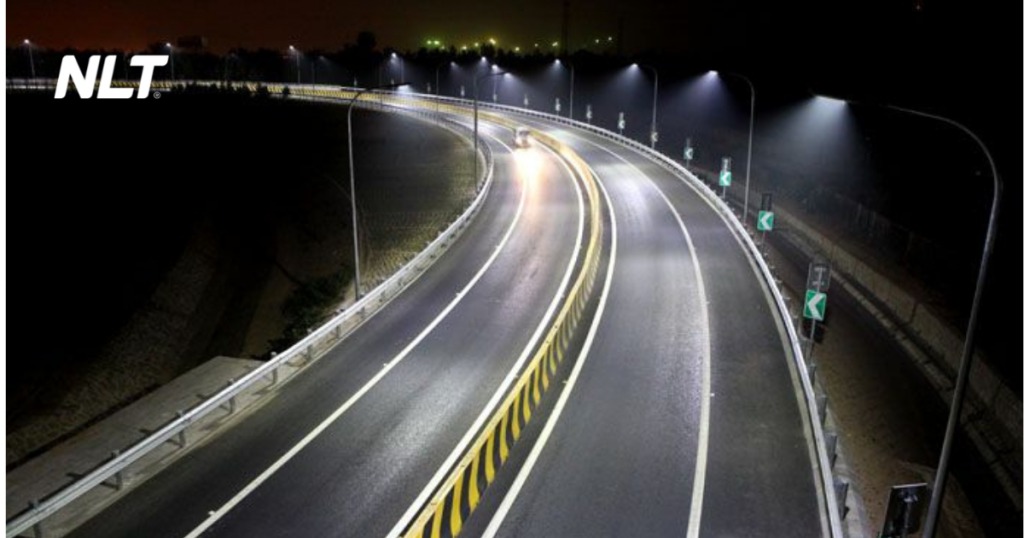
Smart urban lighting systems are transforming how street lighting is operated today.
- 30–50% energy savings: Thanks to smart sensors and automatic control technologies, lighting can be switched on or off and dimmed based on real traffic volume.
- Integrated security: Street lights can be connected with surveillance cameras and smart traffic signs, supporting early warnings for accidents or congestion.
- Optimized nighttime visibility: The system increases brightness when detecting pedestrians or vehicles, ensuring safety for road users.
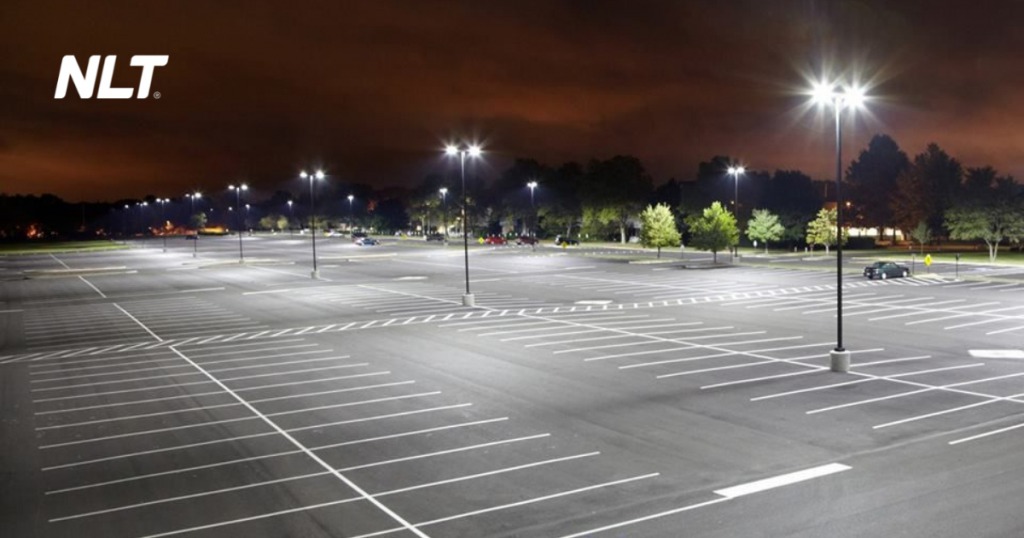
Lighting for parks and public squares
Public spaces such as parks and squares become safer and more welcoming with modern lighting systems:
- Light adjustment based on pedestrian density: Sensors increase lighting in crowded areas and automatically dim lights in low-traffic zones to save energy.
- Enhanced urban aesthetics: Soft, uniform lighting creates a pleasant nighttime environment and can be combined with artistic lighting effects to highlight architectural features and landmarks.
Conclusion
Smart urban lighting is a breakthrough solution that brings significant benefits to modern cities. From energy savings and environmental protection to improved quality of life, these systems are gradually becoming an essential component of sustainable urban development. In the context of rapid urbanization, deploying smart urban lighting is an inevitable step toward building smart, safe and environmentally friendly cities. Local authorities and businesses should actively adopt these advanced solutions to develop efficient lighting systems that deliver long-term value to the community.
Frequently asked questions
What is the cost of implementing a smart urban lighting system?
The cost of implementing a smart urban lighting system depends on many factors, including project scale, the type of LED luminaires used, control technologies and additional features. To receive the most accurate and suitable quotation, it is recommended to contact reputable providers for consultation and on-site assessment.
What are the economic and environmental benefits of smart urban lighting?
Economically, smart urban lighting significantly reduces electricity and maintenance costs thanks to LED technology and automated control systems. Environmentally, it helps reduce CO₂ emissions and light pollution, contributing to greener cities and more aesthetically pleasing urban spaces.
How does smart urban lighting save energy?
Smart urban lighting operates through the combination of energy-efficient LED technology, smart sensors and remote control systems. Sensors collect data on ambient light levels and traffic flow, then transmit this information to the control system. The system automatically adjusts LED brightness accordingly, achieving substantial energy savings.
Contact information
If you are interested in deploying lighting systems or need consultation on smart urban lighting solutions, feel free to contact NLT Group.
Nam Long Technology Investment Group (NLT Group)
- Hotline: 0911 379 581
- Email: kinhdoanh@nlt-group.com
- TIN: 0313339640
- Address: 43T Ho Van Hue Street, Duc Nhuan Ward, Ho Chi Minh City
Contact us today for free consultation and experience modern, smart urban lighting solutions from NLT Group!