Tiếng Việt
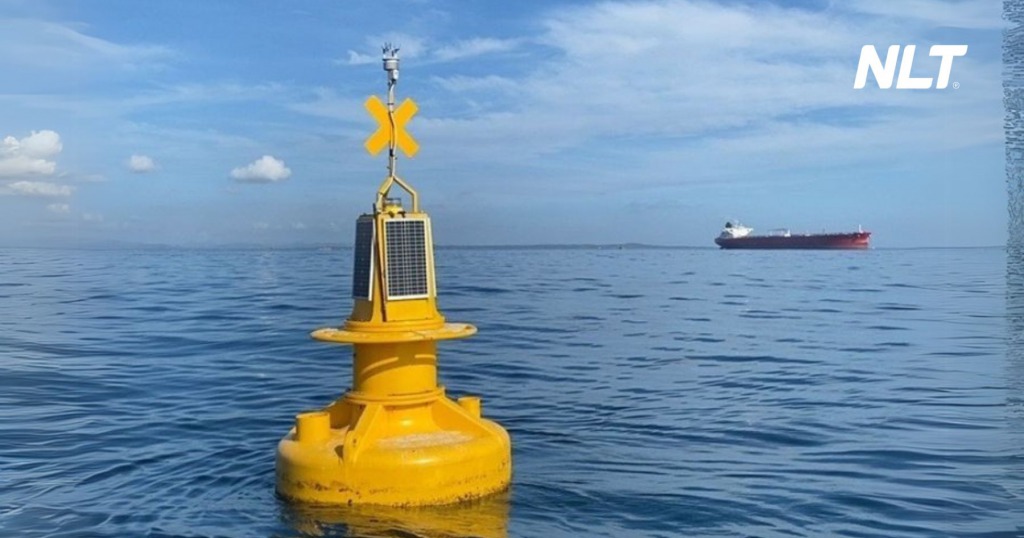
n maritime navigation, correctly identifying buoyage systems is a critical factor in ensuring vessel safety. Worldwide, there are two primary systems in use: IALA A and IALA B, Among them, the IALA B standard is applied in countries such as the United States, Japan, and South Korea.
The following article by NLT Group will help you clearly understand the IALA B standard, how to recognize it, how it differs from IALA A, and important considerations when navigating between regions that apply different buoyage systems.
Overview of the IALA B standard
What is IALA B?
IALA B is one of the two maritime buoyage systems issued by the International Association of Marine Aids to Navigation and Lighthouse Authorities, abbreviated as IALA. This system is applied to ensure consistency in the placement and identification of maritime navigation buoys, especially in waters with frequent international vessel traffic.
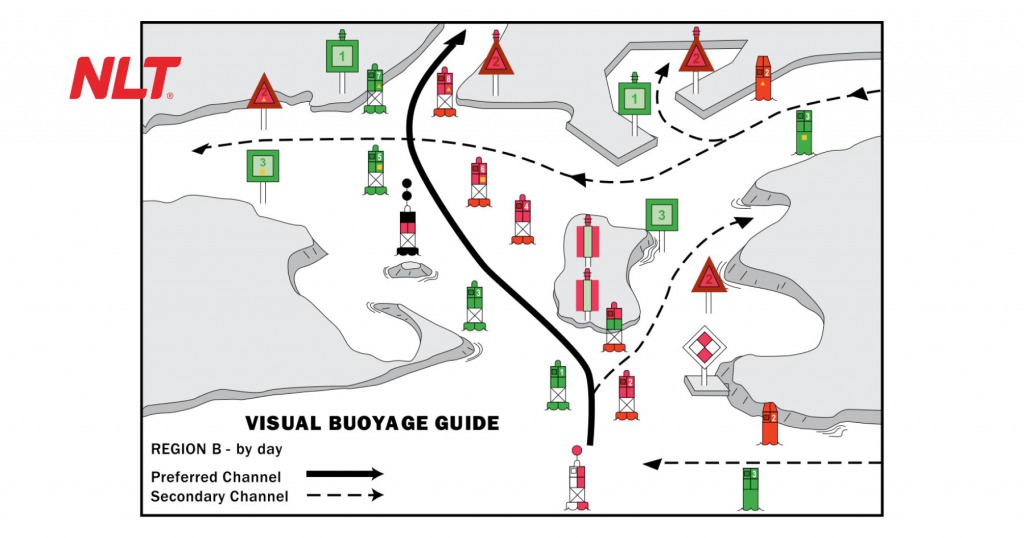
The most distinctive feature of the IALA B system is that when a vessel is entering a harbor or proceeding upstream, red buoys are kept on the right-hand side of the vessel (starboard side), while green buoys are kept on the left-hand side (port side). A commonly used mnemonic is “Red Right Returning,” meaning “when returning to port, keep red buoys to the right.”
Why are IALA A and IALA B separated?
Before 1980, more than 30 different maritime buoyage systems were in use worldwide, causing confusion and serious maritime accidents. To unify and simplify navigation aids, IALA divided the world into two regions: IALA A and IALA B. This division aimed to minimize changes to existing systems and avoid major disruptions, while still ensuring global maritime safety.
Regions applying the IALA B standard worldwide

The IALA B standard is applied in:
- North, Central, and South America (including the United States, Canada, Mexico, Brazil, Argentina, and others)
- Japan
- South Korea
- The Philippines
- Certain islands in the Pacific Ocean
Most other countries around the world, including Europe, Africa, Australia, and the majority of Asia, apply the IALA A system.
How to recognize the IALA B standard
Basic principles
The core principle of the IALA B standard is:
- When entering a harbor or proceeding upstream, vessels must:
- Keep red buoys on the right side (starboard)
- Keep green buoys on the left side (port)
A widely used mnemonic is “Red Right Returning,” meaning “red on the right when returning.” In addition, buoys are typically equipped with distinctive topmarks and flashing lights to aid identification at night or in foggy conditions.
Comparison between IALA B and IALA A standards
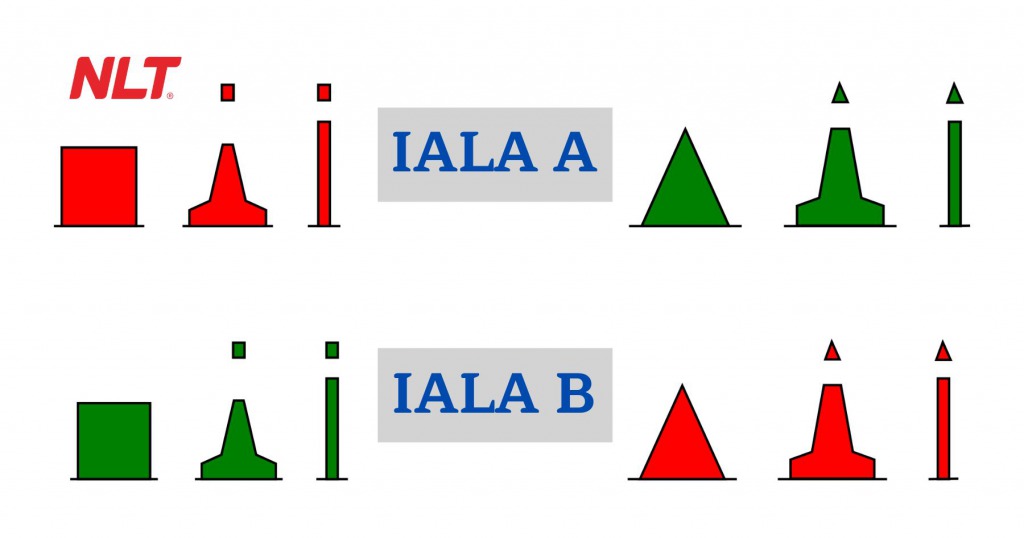
The primary difference lies in the color placement of left and right lateral buoys. However, other buoy types such as isolated danger buoys, safe water buoys, and special marks are the same in both systems.
| Feature | IALA A (Vietnam) | IALA B (USA, Japan, Korea) |
| Left lateral buoy | Red | Green |
| Right lateral buoy | Green | Red |
| Shape of left buoy | Can | Can |
| Shape of right buoy | Cone | Cone |
| Light color | Corresponds to buoy color | Corresponds to buoy color |
>> See more: Learn about the IALA A standard governing modern inland waterway navigation aid systems
Main channel direction and how to determine port and starboard sides in IALA B
In the IALA B standard, the main channel direction is defined as the direction of entering a harbor or proceeding upstream. Therefore:
- Port side: the left side of the vessel when entering the harbor
- Starboard side: the right side of the vessel when entering the harbor
Correctly determining the channel direction and identifying port and starboard sides is essential to ensure vessels navigate safely and in compliance with prescribed routes.
Buoy types under the IALA B standard
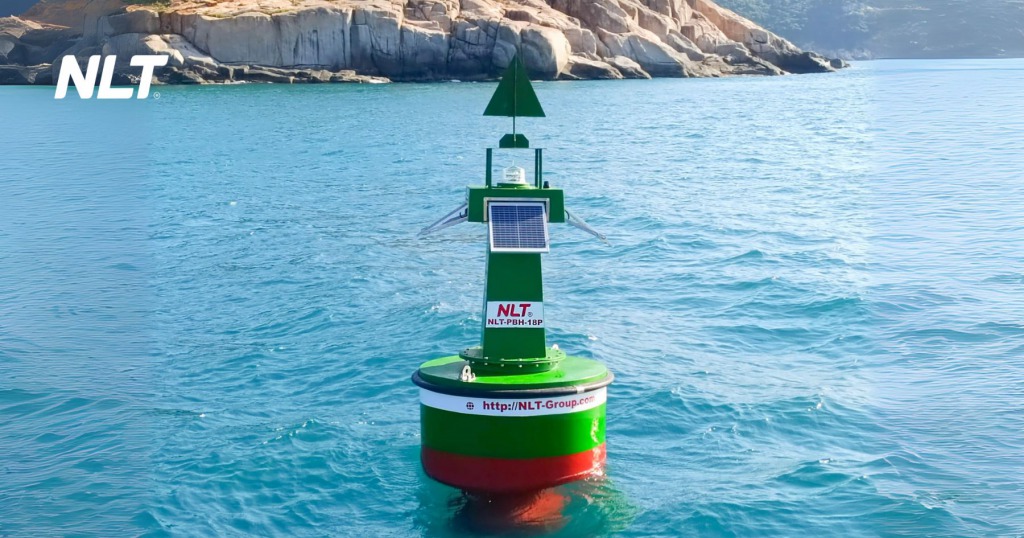
Starboard buoys
Starboard buoys mark the right edge of the channel when a vessel is entering a harbor or proceeding upstream. This buoy type follows the “Red Right Returning” rule.
| Attribute | IALA B standard characteristics |
| Color | Red |
| Shape | Cone, pillar, or spar |
| Topmark | Red cone pointing upward |
| Light | Red light, any rhythm (not group 2+1) |
| Position | On the vessel’s starboard side when entering the harbor |
Port buoys
| Attribute | IALA B standard characteristics |
| Color | Green |
| Shape | Can, pillar, or spar |
| Topmark | Green can or green square |
| Light | Green light, any rhythm |
| Position | On the vessel’s port side when entering the harbor |
Preferred channel buoys
These buoys indicate the preferred channel at a bifurcation or junction. The dominant color shows the direction of the main channel.
| Attribute | Description |
| Color | Red with green band(s) or green with red band(s) (dominant color prevails) |
| Shape | Follows the dominant color: cone (red) or can (green) |
| Light | Same as the dominant color, group flashing (2+1) |
| Function | Indicates the main channel direction at an intersection or fork |
Isolated danger marks
Used to mark an isolated hazard such as a rock or wreck. The water around the buoy is navigable.
| Attribute | Description |
| Color | Black with one or more red horizontal band(s) |
| Shape | Pillar or spar |
| Topmark | Two black spheres arranged vertically |
| Light | White light, group flashing (2) every 5–10 seconds |
| Function | Warns of a specific danger; vessels may pass around it at a safe distance |
Special marks and information buoys
Used to indicate areas with special regulations such as restricted zones, mooring areas, staging areas, or to provide maritime information.
| Attribute | Description |
| Color | Yellow |
| Shape | Optional (must not conflict with lateral marks) |
| Topmark | Yellow “X” |
| Light | Yellow light, any rhythm (must not conflict with other marks) |
| Function | Marks special areas or provides information |
Light system and symbols under the IALA B standard
Flash rhythms and navigational meaning
Lights help vessels identify buoy types at night or in poor visibility. Each buoy type has a characteristic light color and rhythm.
| Buoy type | Light color | Light rhythm | Notes |
| Starboard buoy | Red | Any flashing (except group 2+1) | Always on the right when returning/entering |
| Port buoy | Green | Any flashing (except group 2+1) | On the left when returning/entering |
| Preferred channel buoy | Red or green | Group flashing (2+1) | Dominant color indicates preferred channel |
| Isolated danger mark | White | Two short flashes every 5 or 10 seconds | Warns of a specific isolated hazard |
| Special mark | Yellow | Any flashing (not conflicting) | Restricted zones, information, limits |
The role of topmarks in daytime identification
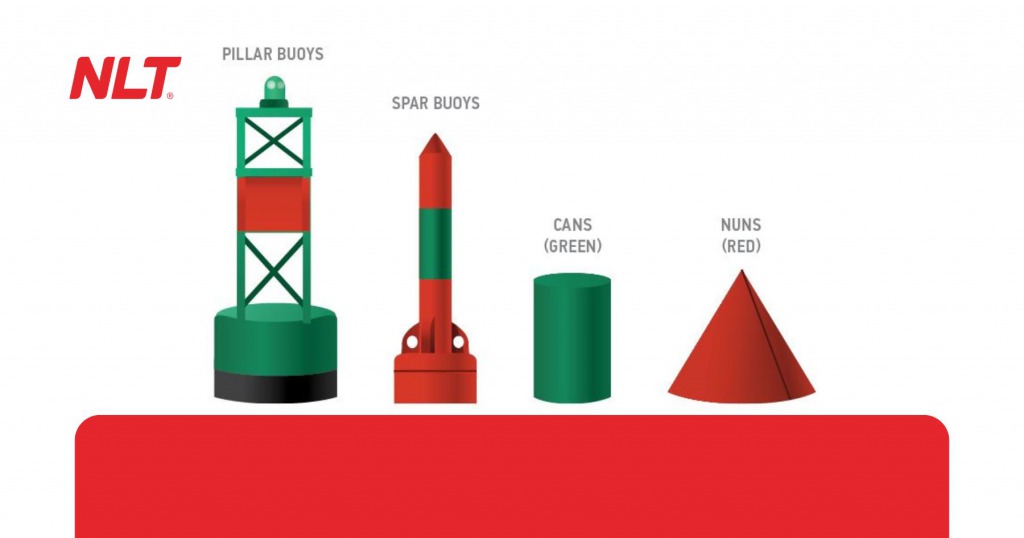
Topmarks are critical for daytime identification, especially when colors are less visible due to lighting, rain, or mist.
| Buoy type | Identifying topmark |
| Starboard buoy | Upward-pointing red cone |
| Port buoy | Green can or square |
| Isolated danger mark | Two black spheres vertically aligned |
| Special mark | Yellow “X” |
Practical applications of the IALA B standard in different countries
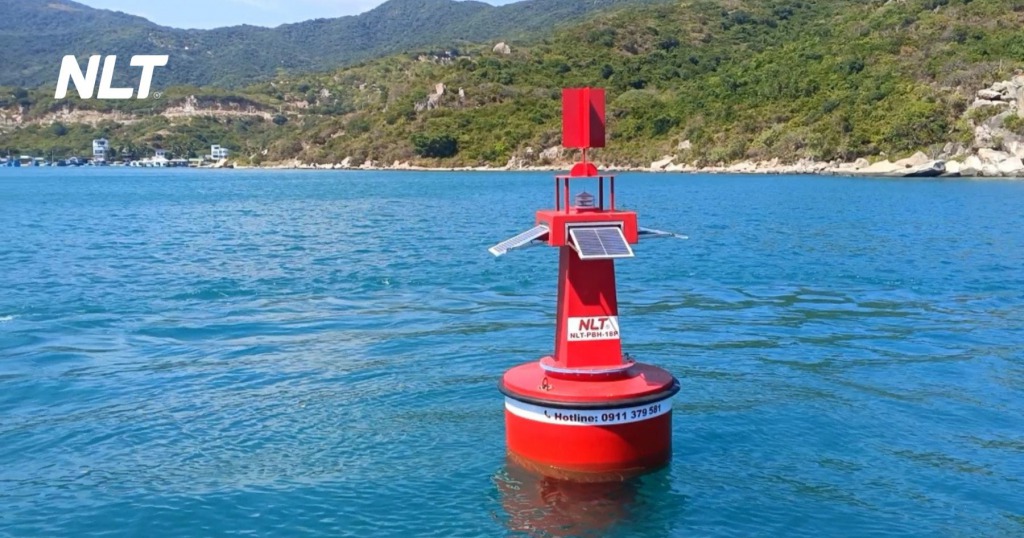
United States: the “Red Right Returning” system
In the United States, the IALA B system is widely applied under the “Red Right Returning” principle, meaning that when vessels return to port or proceed upstream, red buoys are kept to starboard and green buoys to port. This principle is used across U.S. inland and coastal waterways, including the Intracoastal Waterway (ICW). On the ICW, buoys may also carry additional yellow reflective markings to distinguish the route from other buoyage systems.
>> See more: BoatUS Foundation’s classification of buoys under the IALA B standard
Japan and South Korea: use in seaports and bays
Japan and South Korea, both with highly developed port systems, also apply the IALA B standard. In Japan, this system is used to ensure maritime safety in port and bay areas. South Korea applies the IALA B standard along inland and coastal routes as well, helping international vessels navigate more easily when approaching ports.
Key points for international vessels moving between Regions A and B
Switching between the IALA A and IALA B systems can cause confusion for international vessels. It is essential to clearly confirm which system applies in the operating area and adjust navigation accordingly. Confusing buoy colors and their lateral positions can lead to serious maritime accidents.
Common misunderstandings when using the IALA B system
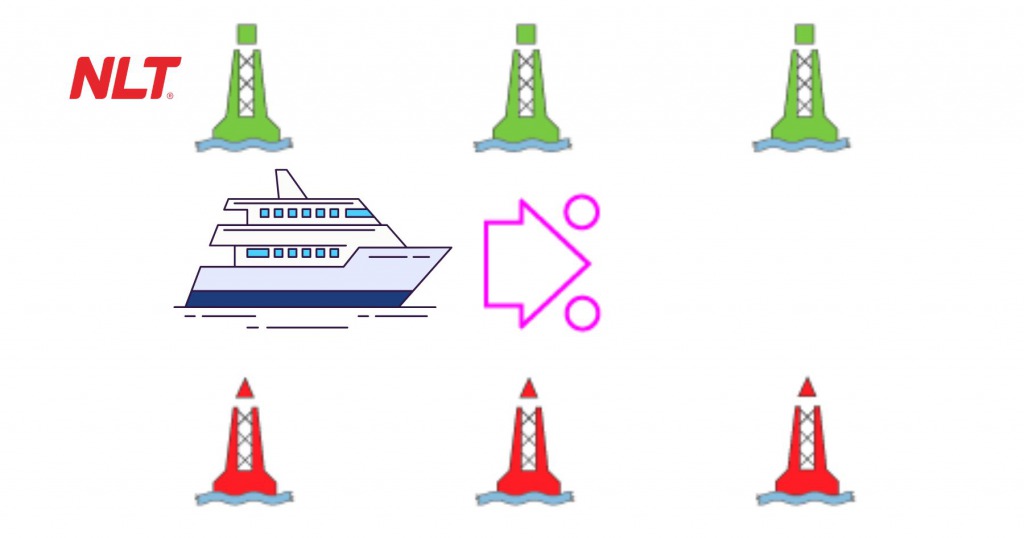
Causes of confusion between IALA A and IALA B
The main difference between IALA A and IALA B lies in the colors of the left and right lateral buoys when vessels are entering a harbor. Under the IALA A standard, red buoys are placed on the left side and green buoys on the right side. In contrast, under the IALA B standard, red buoys are on the right side and green buoys are on the left side. This difference can easily cause confusion for mariners when moving between regions that apply different systems.
Common mistakes in determining channel direction
Some common errors when identifying the channel direction under the IALA B system include:
- Confusing the direction of entering a harbor with leaving a harbor.
- Failing to recognize a change in buoyage systems between different regions.
- Not paying attention to additional identifiers such as light characteristics and topmarks.
These mistakes can cause vessels to navigate outside the designated channel, creating serious navigational risks.
Quick tips to remember the IALA B system
To quickly remember the IALA B system, you can use the following tips:
- “Red Right Returning”: When returning to port, keep red buoys on the right.
- “Even Red Left Port”: Red buoys with even numbers are on the left when leaving port.
- Use nautical charts and positioning equipment to confirm the correct direction of travel.
Mastering these tips will help ensure safe navigation within the IALA B system.
Conclusion
The IALA B buoyage system plays an essential role in ensuring maritime safety in countries such as the United States, Japan, and South Korea. Understanding the “Red Right Returning” principle and the identifying features of each buoy type helps international vessels navigate accurately, avoid incidents, and maintain safe voyages. In particular, when passing through transition areas between IALA A and IALA B regions, vessel operators must recognize the differences early and adjust their navigation accordingly to prevent costly mistakes.
FAQ
Which countries apply the IALA B system?
The IALA B system is used in countries such as the United States, Canada, Mexico, Japan, South Korea, the Philippines, and many countries across North, Central, and South America, as well as some islands in the Pacific.
Why does the United States use IALA B instead of IALA A?
The United States had already adopted the “Red Right Returning” buoyage principle before IALA introduced a unified global framework. To avoid large scale infrastructure changes, IALA allowed two systems to coexist in different regions. As a result, the United States retained IALA B as a stable and cost effective solution.
On which side is the red buoy when entering a harbor under IALA B?
Under the IALA B standard, red buoys are positioned on the right side (starboard side) when a vessel is entering a harbor or proceeding upstream. This is the core rule known as “Red Right Returning”.
Can both IALA A and IALA B be applied within the same country?
In general, each country applies only one system to ensure consistency. However, some territories or international waters may include transition zones between IALA A and IALA B, for example between Vietnam and the Philippines, where vessels must adjust their interpretation of buoy colors.
What should vessels from Vietnam pay attention to when sailing to the United States?
Vessels traveling from Vietnam, which applies IALA A, to the United States, which applies IALA B, should note the following:
The left right positions of buoy colors are reversed.
The change should be applied immediately upon entering U.S. waters.
Use electronic charts and updated ECDIS systems to receive alerts about buoyage system transitions.