Tiếng Việt
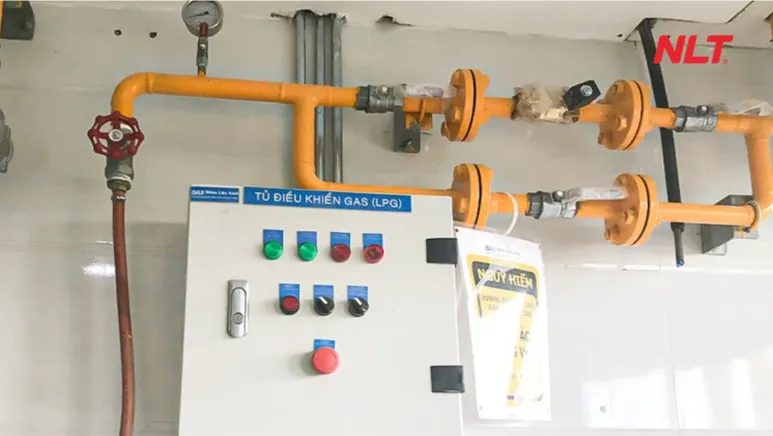
During operation, there are times when an existing gas monitoring system no longer delivers the same level of safety and risk control as before. At that point, upgrading to a smart gas system is no longer about “keeping up with trends” but becomes a decision that needs to be considered at the right time. The challenge is that warning signs often appear quietly and are easy to overlook. The article below helps you identify key signals showing that a factory has reached the stage where upgrading its smart gas system should be seriously considered.
What is smart gas and what is its role in modern factories?
The concept of smart gas in industrial environments
In factories, smart gas refers to a gas leak monitoring system based on a network of sensors, controllers, and a centralized data platform. It belongs to the smart oil and gas solutions category and is designed to control risks in real time while reducing the likelihood of fire, explosion, and fuel loss.
Smart gas systems are engineered for industrial environments with high requirements for accuracy, durability, and operational stability. They enable 24/7 monitoring, multi-channel alerts including sirens and lights, messages, BMS, and SCADA, and can automatically trigger safety procedures when gas concentrations exceed predefined thresholds.
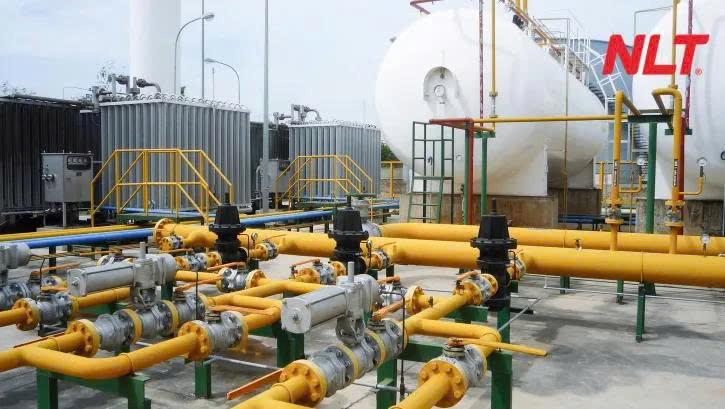
Differences between smart gas systems and traditional gas alarm systems
| Criteria | Traditional gas alarm system | Smart gas system |
| Alert mechanism | Local alarms using sirens and lights, heavily dependent on on-site personnel | Multi-channel alerts: on-site, mobile devices, control rooms, and more |
| Monitoring capability | Localized monitoring, limited overall visibility | Real-time monitoring of the entire system via software |
| Operational data | Fragmented records, difficult to retrieve and analyze | Continuous data storage, supporting trend analysis and risk assessment |
| Decision support | Reactive responses based on immediate alarms | Provides history, charts, and reports for data-driven decisions |
| Scalability and integration | Difficult to expand, limited connectivity with other systems | Easily scalable, integrates IoT, BMS, and SCADA into a unified operations framework |
| Information value | Only indicates that an incident is occurring | Identifies location, severity, and recommended response based on data |
The role of smart gas in a factory digitalization strategy
In modern factories, smart gas is a critical link in the digital transformation roadmap. The system enables continuous monitoring and real-time alerts, shifting operations from reactive responses to proactive risk control. Leakage data, concentration levels, timestamps, and trends are digitized to support risk assessment and transparent safety reporting. At the same time, smart gas connects with IoT, BMS, and SCADA, bringing safety data into a unified operations view and helping leadership make faster, evidence-based, and safer decisions.
Reasons why factories should upgrade to smart gas
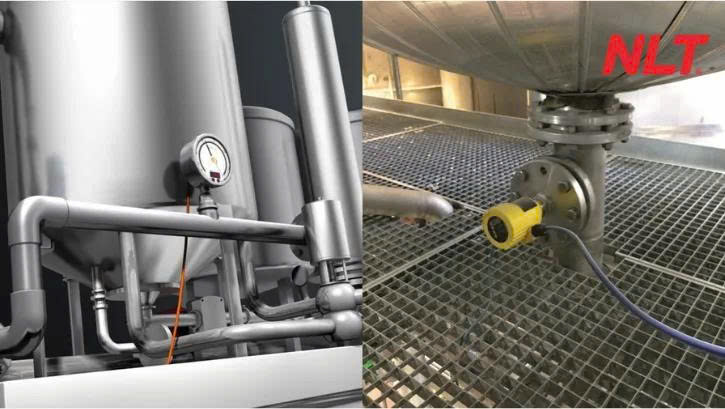
Reduce risk and protect high-risk areas
Even small gas leaks at industrial kitchens, boilers, machine rooms, filling stations, storage areas, or long pipelines can lead to fires, explosions, production stoppages, or worker harm. Upgrading to a smart gas sensor network enables real-time concentration monitoring, early alerts when thresholds are exceeded, and automatic activation of standardized response procedures. This results in a safer and more stable working environment.
Optimize operating costs, maintenance, and loss control
Smart gas reduces guesswork-based maintenance by detecting minor leaks before they escalate, tracking gas losses by area, and scheduling maintenance based on actual condition. This stabilizes operations, minimizes unnecessary downtime, and optimizes long-term costs.
Strengthen risk governance and compliance
Beyond leak detection, smart gas builds a verifiable safety data foundation. It stores measurement and alert histories, quantifies risk control with data, standardizes response procedures across shifts, and increases credibility when working with inspectors, partners, and investors.
>> See also: Why industrial parks and high-rise buildings should install smart gas sensors?
Signs a factory should upgrade soon
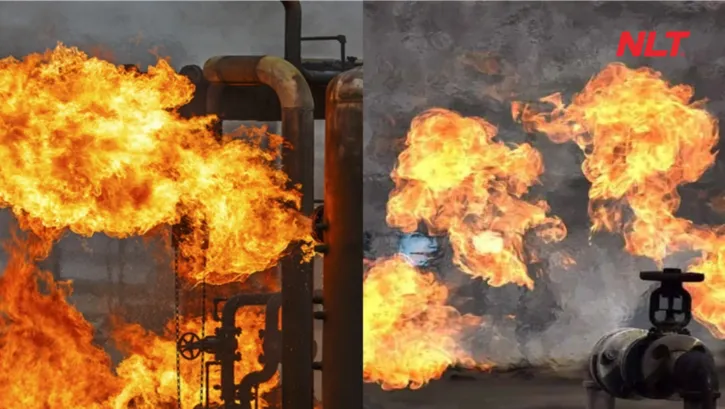
Aging systems with limited leak control
Systems that have run beyond their service life often show repeated faults, hard-to-source parts, and unstable readings compared to initial installation. Continuing operation increases manual checks and exposes the factory to incidents and unplanned repair costs. Timely upgrades restore leak control and reduce unexpected shutdowns.
High maintenance frequency and rising operating costs
Frequent maintenance without confidence in safety indicates incomplete or inaccurate data, leading to repetitive work, higher parts costs, and difficulty identifying root causes. Smart gas adds real-time monitoring so decisions are data-driven and operations become more proactive.
Lack of real-time monitoring data
Without real-time data, factories struggle to forecast risks, detect abnormal trends, trace incident causes, or produce transparent reports. When risks are not fully measured, assessments become subjective and minor warnings are easily missed. Smart gas closes this gap and maintains a steadier safety level.
Near-miss safety incidents
Near-misses such as brief concentration spikes, transient gas odors, or slow sensor responses indicate control gaps even if damage has not occurred. Ignoring these signs increases the likelihood of more severe recurrence. Upgrading addresses weaknesses and reduces reliance on human judgment.
Production expansion or process changes
Capacity increases, new lines, equipment rearrangements, and changes in piping, safety distances, and gas flow can render legacy monitoring unsuitable and create alert blind zones, especially at interfaces between old and new lines. Integrating smart gas at this stage re-synchronizes the entire safety system on a unified data platform and preserves comprehensive control during expansion.
>> See also: Why install gas leak monitoring systems for early incident detection?
The most suitable times to upgrade a smart gas system
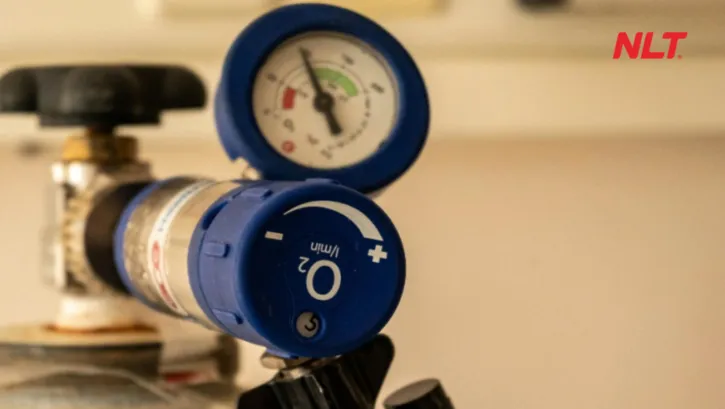
During major scheduled maintenance
This is an ideal time to upgrade smart gas, as pipelines, valves, control cabinets, and key mechanical assemblies are already shut down for inspection. Technical teams can install new sensors, alarm panels, controllers, or communication modules during maintenance, shortening installation time and avoiding additional unplanned downtime.
At the same time, the factory can comprehensively review installation standards, safety regulations, and system connectivity with existing infrastructure. Combining the upgrade with scheduled maintenance helps synchronize all gas-related safety items, avoids repeated work, and establishes a stable, long-term monitoring foundation for the entire system.
Before the production peak season
Peak seasons bring high pressure on output, schedules, and continuous operation. Even a minor gas-related incident can stop a production line and trigger unexpected costs. Upgrading smart gas during peak periods is therefore difficult to execute and adds operational risk.
A better approach is to upgrade before the busy season begins. Sensors, alarm panels, and data logging systems are fully checked and fine-tuned, ensuring a stable safety baseline before operational loads increase.
More sensitive and accurate monitoring enables early detection of abnormalities, reduces sudden incidents, and allows technical teams to focus on line performance instead of constant troubleshooting. Continuous monitoring, clear alerts, and traceable data also give management greater confidence when pursuing production targets during critical periods.
Upgrading smart gas together with safety and fire protection systems
Upgrading smart gas in parallel with safety and fire protection systems helps factories build a unified, well-coordinated protection platform from the outset. When integrated into a central alarm hub, all leak and threshold-exceeding signals are consolidated, reducing the risk of missed alerts and shortening response time. Gas data in high-risk areas can also be used to trigger automatic fire suppression.
This is also an appropriate time to review incident response procedures and clearly define responsibilities among operations, maintenance, safety, and fire protection teams, enabling smoother coordination during abnormal situations.
>> See more: How smart fire protection works effectively with smart gas in factory safety systems
Synchronizing smart gas when deploying IoT, BMS, or SCADA for factory digitalization
When enterprises move into digital operations, synchronizing smart gas with IoT, BMS, or SCADA platforms ensures that safety data is no longer isolated but integrated into a unified operational picture. From a central interface, management can monitor gas concentration levels, alarm status, and event history in real time, avoiding fragmented systems that are difficult to control.
With multi-source data connectivity, smart gas does more than detect leaks. It analyzes operating context such as gas consumption timing, equipment behavior, and environmental conditions, enabling more intelligent alerts and data-driven decision-making. This helps factories clearly assess risk trends, equipment performance, and safety levels by area, reducing long-term operational risk.
Which areas should be prioritized for smart gas upgrades?
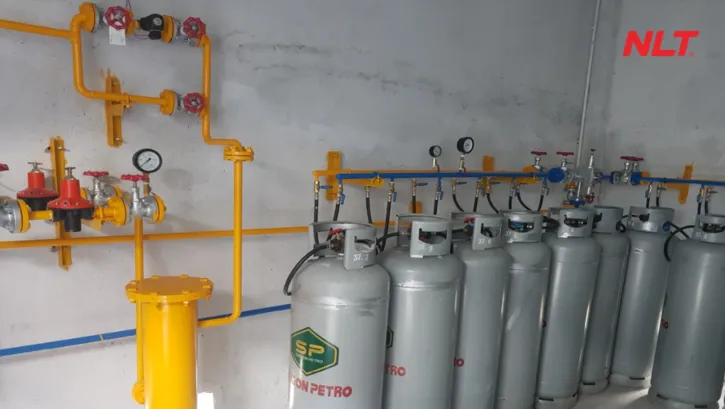
Factories using LPG, LNG, industrial gases, or operating in flammable environments
In these high-risk conditions, smart gas systems should meet key criteria:
- Correct gas-specific sensors: to accurately detect each gas type across multiple concentration ranges.
- Interference resistance: to ensure stable measurements despite vibration, electromagnetic noise, or temperature fluctuations.
- Industrial durability: to withstand heat, humidity, dust, and continuous operation.
- Multi-layer alerts: combining sirens, lights, SMS notifications, and control center integration for timely response.
Industrial kitchens, boilers, machine rooms, storage areas, and filling stations
These are concentrated gas risk points where even small incidents can have major consequences for people and equipment. Legacy monitoring systems often leave safety blind spots. Prioritizing smart gas upgrades by area helps to:
- Allocate budgets effectively: by focusing investment on high-risk zones rather than spreading resources thin.
- Enhance protection efficiency: through continuous monitoring and multi-layer alerts that enable early detection and standardized response.
- Improve overall control: with transparent measurement and alert data that is easy to integrate into centralized monitoring platforms as the factory expands or adds facilities.
Enterprises with multiple plants requiring centralized monitoring
For companies operating multiple factories, the challenge goes beyond installing enough devices. Centralized and synchronized safety data management is critical. A centralized smart gas monitoring platform enables:
- Standardized alert thresholds and response procedures across all sites.
- Identification of high-risk areas to prioritize resources.
- Clear role-based access and oversight for each department.
- Optimized system-wide operating costs for maintenance, upgrades, and monitoring, while maintaining a unified gas safety overview.
Smart gas deployment model in factories
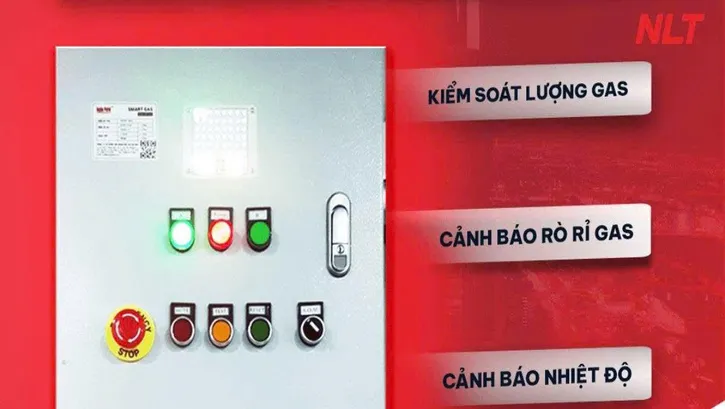
Tiered sensor connection and local alarming
A smart gas system is typically designed as a multi-layer architecture to ensure stable operation and proactive risk control:
- Sensor layer: Detects leaks at each point, measures gas concentration and fluctuations over time, and uses the correct sensor type for each environment.
- Area control layer: Collects signals from sensors, processes data, and triggers initial responses to localize risk without shutting down the entire system.
- Local alarm layer: Sirens, beacon lights, and display panels enable staff to recognize abnormalities and respond immediately on site.
- Monitoring center: Aggregates real-time data, supports monitoring, trend analysis, and long-term maintenance planning.
Thanks to this tiered structure, when an incident occurs at one point, other areas continue operating normally while risk is isolated and controlled quickly.
Synchronizing data on a centralized monitoring platform
When smart gas data is consolidated on a single platform, factories gain a clear and consistent safety overview:
- Identify leak trends and high-risk zones.
- Detect abnormalities early and issue timely alerts.
- Standardize safety reporting for internal use and regulatory bodies.
- Plan maintenance and safety investments based on actual data, reducing unplanned downtime.
Data is no longer just recorded. It becomes the foundation for proactive and transparent safety management.
Integrating with BMS or SCADA and automatic shutoff mechanisms
For factories requiring a higher level of control, smart gas should be integrated with BMS or SCADA and designed with automation features:
- Leak detection triggers linked alerts via sirens, lights, SMS, and central displays.
- At dangerous thresholds, the system automatically closes valves, shuts down equipment, or cuts off gas flow to prevent escalation.
- Response scenarios are standardized and automatically activated, reducing reliance on manual actions and human error.
These automated mechanisms should be tested periodically and aligned with clear operating procedures to keep the system stable, reliable, and safe over the long term.
>> See more: How software addresses gas management in factories?
Smart gas upgrade process for operating factories
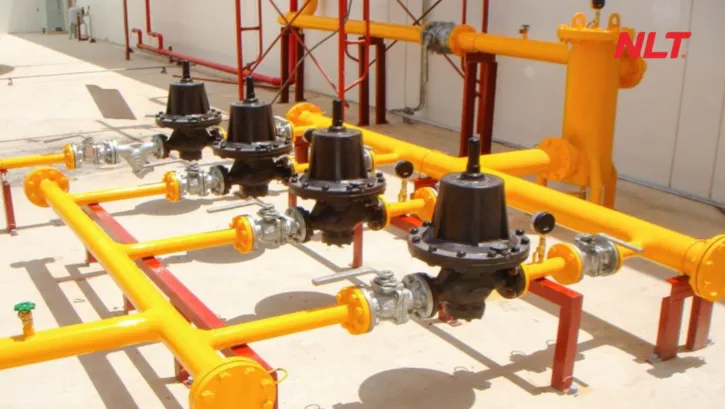
Site survey and risk assessment
The survey is the foundational step that largely determines upgrade effectiveness. A superficial survey can lead to incorrect risk zoning, wrong sensor selection, and “data gaps”. A thorough assessment identifies true hazard areas, selects appropriate equipment, and builds an upgrade plan that minimizes production impact while maintaining stable safety levels.
Designing and implementing upgrades without disrupting production
Upgrade plans should be implemented flexibly by zone or during low-load shifts so other areas continue operating and downtime is minimized. It is also advisable to combine the upgrade with other safety items such as alarms, fire suppression, and toxic gas monitoring to achieve a synchronized safety system from the outset.
Testing, calibration, and acceptance
After installation, sensors are calibrated to ensure accurate measurements, then leak scenarios are simulated to test alerts and automatic shutoff mechanisms. Area-by-area acceptance after testing ensures the smart gas system operates as designed before full deployment and establishes a baseline dataset for management and maintenance.
Operations training and incident response procedures
Operations teams must be trained to recognize alert levels, perform response actions such as checking leak sources and closing valves, and understand role-specific responsibilities. Regular drills help departments coordinate smoothly and embed smart gas into a sustainable factory safety culture.
Criteria for selecting smart gas equipment and deployment partners
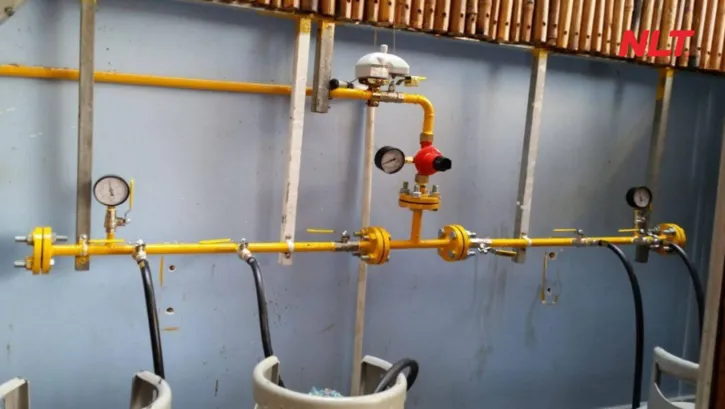
Equipment selection criteria for industrial environments
Choosing the right equipment determines long-term effectiveness and safety. Factories should consider:
- Durability and protection rating: Withstands heat, humidity, dust, and harsh conditions, with appropriate IP ratings for continuous operation.
- Accuracy and stability: Reliable long-term measurement, timely leak detection, and minimal false alarms or missed events.
- Interference resistance and easy calibration: Stable performance amid vibration and electromagnetic noise, with calibration that does not require extended shutdowns.
- Integration capability: Seamless connection to BMS, SCADA, centralized monitoring platforms, and future expansion.
Criteria for selecting a smart gas deployment partner
The deployment partner determines whether the system is safe, effective, and cost-efficient. A reliable partner typically:
- Has proven experience in similar industrial factory environments.
- Provides risk-based consulting tailored to each factory, area, and gas type.
- Implements upgrades without disruption, using phased or shift-based execution.
- Offers transparent maintenance services with clear inspection, calibration, and incident support plans.
- Demonstrates strong integration capabilities with BMS, SCADA, IoT, and other safety systems.
For manufacturing enterprises, the priority is not buying a single device but choosing a long-term partner who can deploy, operate, and sustain a safe, effective, and durable safety system.
>> See now: NLT Group’s smart gas solutions and deployment models for factories
Key metrics to monitor after upgrading a smart gas system
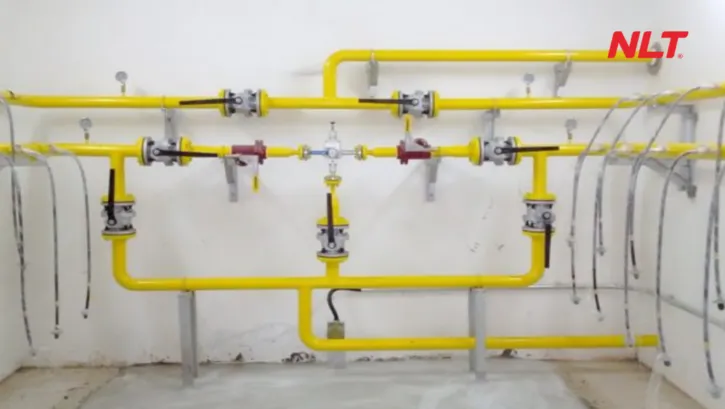
Safety and operations metrics
- Number of alerts by area: Indicates the frequency of leaks or risks at each location, helping prioritize monitoring and allocate resources effectively.
- Average response time: Measured from detection to resolution, reflecting operational efficiency and incident response capability.
- False alarm rate: Helps fine-tune sensor sensitivity to avoid nuisance alerts and keep alarms reliable.
- Sensor stability: Tracks sensitivity and accuracy over time to ensure the alert system remains durable and operates within correct thresholds.
Financial and operational efficiency metrics
- Maintenance cost before and after the upgrade: Enables comparison to assess investment effectiveness and supports maintenance planning and budget optimization.
- Downtime caused by gas-related incidents: Shows early warning capability and the level of impact on production schedules.
- Detected and reduced fuel losses: Measures gas losses and the reduction achieved after implementing smart gas, directly linked to fuel costs and operational efficiency.
Compliance and corporate image metrics
- Completeness of safety documentation: Smart gas data supports timely updates of inspection records, legal documents, and internal safety reports in a structured manner.
- Transparency in reporting: Clearly consolidated information supports safety monitoring and provides accurate reports to regulatory authorities.
- Feedback from partners and inspection bodies: Reflects system reliability and enhances corporate credibility in safety management.
Upgrading smart gas enables factories to move from reactive incident handling to proactive safety control. Leaks are detected in real time, data is available for trend analysis, operations are optimized, fuel losses are reduced, and safety documentation becomes more transparent. This also strengthens trust with partners, investors, and inspection bodies, especially when the system is fully integrated with fire protection, BMS, and SCADA.
To ensure safe, stable, and effective smart gas operation, NLT Group can support factories from consulting to solution deployment tailored to each workshop, helping optimize operations and enhance safety across the entire plant.
Nam Long Technology Investment Group (NLT Group)
- Hotline: 0911 379 581
- Email: kinhdoanh@nlt-group.com
- TIN: 0313339640
- Address: 43T Ho Van Hue Street, Duc Nhuan Ward, Ho Chi Minh City
Frequently asked questions about smart gas upgrades
What criteria should be used to select smart gas equipment for industrial environments?
Choose equipment that is durable, stable, and accurate, and that integrates easily with monitoring systems. This ensures continuous and reliable operation in harsh industrial conditions.
How can high-risk areas be identified to deploy smart gas effectively?
Assess pipeline layouts, gas types, heat-generating equipment density, and airflow patterns. Proper placement ensures comprehensive monitoring, reduced risk, and optimized costs.
How can data standardization and access control be implemented when using smart gas?
Establish unified data structures by area, define clear alert thresholds, and assign access rights by role. Operation logs help maintain transparency and support future expansion.
Does smart gas require periodic calibration and emergency drills?
Yes. Regular calibration ensures accurate sensor readings, while drills help personnel respond correctly to scenarios, improving overall system safety