Tiếng Việt
When discussing modern lighting technology, the term LED, short for “Light Emitting Diode”, often appears as a key factor. It is not merely a technical abbreviation but also a symbol of progress in the fields of lighting and electronics. But what exactly is LED and why is it so important?
What is LED?
LED is a type of semiconductor diode capable of emitting light when supplied with an electric current. This simple yet powerful operating principle allows LEDs to be highly versatile in many applications, from traffic lights to mobile phone screens. When electric current flows through the device, electrons recombine with holes within the semiconductor structure, generating photons, which are the visible light we perceive.
History and development
LED technology has undergone a long journey of development from its early days, when it could only emit light with many limitations. Initially, LEDs were used mainly for indicator displays, but over time, with improvements in materials and design, LEDs have become the primary light source for interior and exterior lighting, consumer electronics, and industrial applications. This development story encourages us to move toward a greener future with lower energy consumption.
Outstanding advantages
One of the greatest advantages of LEDs is their higher energy efficiency compared to traditional light sources such as fluorescent lamps or incandescent bulbs. For example, LEDs consume about 75% less electricity than conventional bulbs while offering a lifespan up to 25 times longer. Moreover, LEDs illuminate instantly without requiring warm up time, which is particularly useful in emergency situations or automated lighting systems.
Diverse applications and potential
When thinking about LEDs, what makes them truly interesting is that they are not simply light sources but also transformative elements for entire industries. From decorative lighting for events to applications in agriculture and healthcare, each use demonstrates the tremendous potential of LED technology. For instance, in agriculture, different LED light spectra can stimulate plant growth based on specific wavelengths. On that foundation, LEDs not only enhance product durability but also reduce negative environmental impacts.
What types of LED are there?
The development of lighting technology has provided us with a wide range of LED products, each with its own applications and advantages. With diversity in size, shape, and functionality, choosing the right LED type affects not only lighting performance but also the living and working environment.
1. Common types of LED lights
LED strip lights
LED strip lights are commonly used for decoration and for creating flexible, atmospheric spaces in environments ranging from homes to cafés. They can be easily bent and installed in various positions, allowing users to freely design creative spaces.
Recessed LED downlights
With a refined design, recessed LED downlights help save space and provide a sophisticated look for interiors. They are a popular choice for modern apartments, offices, or any space that requires uniform lighting without occupying significant space.
LED track lights
Known for focused lighting, LED track lights are often used in retail stores or exhibitions to highlight products. Their adjustable beam angles create attractive focal points in display areas.
LED tube lights
As a replacement for traditional fluorescent tubes, LED tube lights consume less energy and offer significantly longer lifespans. They are commonly installed in offices, schools, and factories.
LED panel lights
LED panel lights are an ideal solution for spaces that require bright illumination while maintaining an open and airy feel. They are typically installed in suspended ceilings or office environments.
2. Outdoor LED lights
LED floodlights
LED floodlights are widely used for outdoor lighting due to their water resistance and high brightness. They are suitable for outdoor events or garden lighting.
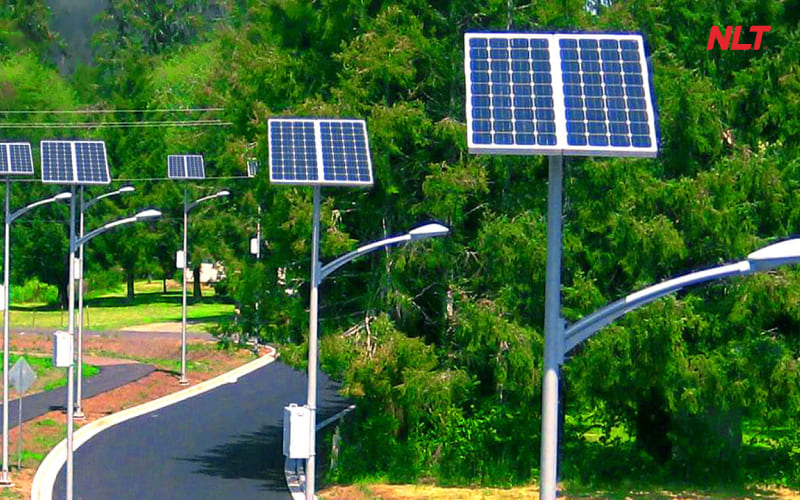
Solar LED lights
More people are turning to solar LED lights, which not only reduce electricity costs but are also environmentally friendly. This represents a significant advancement in sustainable lighting technology.
Diversity in applications
Each type of LED light is more than just a source of illumination; it contributes to the overall experience and atmosphere of a space. For example, LED strip lights are often found in bars where a vibrant ambiance is desired, while recessed LED downlights are suitable for workspaces to create a comfortable and pleasant environment. Interestingly, choosing among these LED types also reflects the user’s style and aesthetic values. Today’s consumers focus not only on functionality but also on design and how lighting integrates harmoniously with surrounding spaces.
The future of LED technology
The future promises further advancements in LED technology, including features such as adjustable color temperatures and brightness levels based on usage needs. This clearly shows that as technology continues to evolve, the way we experience lighting will continuously improve and enhance quality of life.
Nam Long Technology Investment Group (NLT Group)
- Hotline: 0911 379 581
- Email: kinhdoanh@nlt-group.com
- TIN: 0313339640
- Address: 43T Ho Van Hue Street, Duc Nhuan Ward, Ho Chi Minh City