Tiếng Việt

Navigation buoys not only serve as guidance aids but are also a critical factor in ensuring safety on inland waterways. Therefore, buoy defect inspection is not merely a technical task but a mandatory step in the management, operation, and maintenance of the reliability of navigation aid infrastructure. This article provides detailed guidance on the standard-compliant and legally regulated process for inspecting navigation buoy defects, helping operating units proactively prevent risks and meet inspection requirements from competent authorities.
What is buoy defect inspection and why is it mandatory?
Definition of buoy inspection under industry standards
Buoy defect inspection is the process of comprehensively assessing the technical condition and functional performance of inland waterway navigation buoys to determine whether the equipment continues to comply with approved technical designs, correct installation positions, and operational safety requirements. This process includes visual inspection, measurement of technical parameters, and comparison against issued national standards. Inspections may be conducted periodically or on an ad hoc basis, depending on channel management requirements, weather conditions, or after incidents occur.
Purpose of inspection: Safety – Legal compliance – Operational management
The objective of buoy defect inspection is not only to confirm that the equipment is functioning properly, but also to:
- Ensure maritime safety: Prevent situations where buoys are incorrectly positioned or signals are lost, causing confusion for vessels, especially at night, in fog, or under limited visibility conditions.
- Ensure legal compliance: This is a mandatory requirement under the Inland Waterway Traffic Law, Circulars issued by the Ministry of Transport, and applicable technical regulations.
- Improve operational management efficiency: Enable managing units to understand equipment lifespan, plan appropriate maintenance and replacement, and ensure operational databases are fully and accurately updated.
Mandatory legal basis for inspection under Circulars and QCVN
Buoy defect inspection is clearly stipulated in:
- Circular No. 77/2014/TT-BGTVT dated 19 December 2014 issued by the Ministry of Transport, regulating the management, operation, and maintenance of inland waterway navigation aid systems.
- Inland Waterway Traffic Law No. 23/2004/QH11, amended and supplemented in 2014, Articles 13 and 16, which clearly define responsibilities for inspection, maintenance, and ensuring the safety of navigation aid structures.
- QCVN 39:2011/BGTVT – National technical regulation on inland waterway navigation aids: Specifies detailed requirements for shape, color, signal lights, environmental resistance, and mandatory technical standards for each type of buoy.
These documents form the legal basis requiring operating units to conduct inspections at the prescribed intervals, report results, and bear responsibility if inspections are not fully carried out or are deliberately neglected.
>> See more: Detailed guidance on how to inspect and detect inland waterway buoy defects
Who is authorized to conduct navigation buoy defect inspection?

Competent inspection authorities (Sub-Departments, Departments of Transport, Inland Waterway Administration)
According to Articles 10 and 16 of Circular 77/2014/TT-BGTVT, authorities authorized to inspect buoy defects and supervise inland waterway navigation aid systems include:
- Vietnam Inland Waterway Administration: Manages, directs, and inspects navigation aid systems on national inland waterways.
- Regional Inland Waterway Sub-Departments: Conduct on-site inspections, periodic technical inspections, and verification of buoy maintenance results on routes within their assigned scope.
- Provincial or municipal Departments of Transport: Manage and inspect navigation aid systems on local waterways; approve inspection, replacement, and buoy maintenance plans.
These authorities are entitled to issue inspection records, require repairs, propose replacements, or suspend operation of equipment that does not meet technical requirements.
Responsibilities of operating and managing units
Operating units (typically enterprises assigned to manage channels, maintenance contractors, or port and terminal operators) are responsible for:
- Organizing inspections and self-assessments of buoy quality according to approved inspection schedules.
- Fully reporting detected defects during operation, especially after natural disasters, collisions, or abnormal incidents.
- Coordinating with competent authorities for on-site inspections, providing original technical documentation, and fully implementing inspection team requirements.
- Retaining inspection results and updating them in navigation aid management software systems (if deployed).
- Not making unauthorized repairs or changes to buoy technical parameters without written approval from the route management authority.
Regulations on periodic and ad hoc inspections
Under Circular 77/2014/TT-BGTVT, navigation buoy defect inspection is conducted in two main forms:
- Periodic inspection: Conducted at least once per year for the entire buoy system under management. Inspection items include installation position, signal light functionality, buoyancy, load-bearing structure, positioning equipment, and overall physical condition.
- Ad hoc inspection: Mandatory in the following cases:
- After natural disasters, storms, floods, or serious collisions.
- When signal loss, mispositioning, or reports from transport vessels are received.
- When channel design changes or buoy positions are re-planned.
Inspection results are the sole legal basis for deciding whether buoys are retained, repaired, or replaced. Any issues arising from failure to conduct buoy defect inspection in accordance with regulations will be subject to clearly assigned responsibility.
Standard technical procedure for buoy defect inspection

The buoy defect inspection process must strictly comply with QCVN 39:2011/BGTVT and be carried out in accordance with guidance from the Vietnam Inland Waterway Administration. Below is the standard procedure that has been practically implemented by regional Sub-Departments:
Preparation of documentation and inspection schedule
Before conducting on-site inspections, the operating unit must prepare:
- Original design dossiers for each buoy (position, coordinates, light type, technical specifications).
- Channel maps and remote monitoring data (if available).
- An inspection plan approved by the managing authority, including timeline, locations, and participating personnel.
The inspection unit may be a regional Inland Waterway Sub-Department or an inspection team authorized by the Vietnam Inland Waterway Administration.
On-site condition inspection
Conduct direct surveys at buoy locations using inspection vessels or drones:
- Compare actual positions with original GPS coordinates.
- Observe shape, color, floating condition, tilt, drift, or abnormal physical status.
- Record signs of damage, corrosion, missing lights, misalignment, or loss of reflective materials.
All observations must be photographed, recorded on video, and tagged with the corresponding buoy identification code for later verification.
Technical measurement and comparison with original design
Use specialized equipment to measure:
- LED light voltage and power output (checking luminous intensity and flash frequency).
- Battery storage capacity and solar panel condition.
- GPS positioning signals, latency, and deviation from actual coordinates.
- Degree of metal corrosion, watertightness of the buoy body, and stability of the mooring system.
Measured data are compared against the original design dossiers and the requirements of QCVN 39:2011/BGTVT.
Defect recording, inspection report, and severity classification
All identified technical defects must be clearly recorded in the on-site inspection report, including:
- Route name and buoy identification number.
- Defect classification: minor – moderate – severe.
- Detailed defect description with illustrative images.
- Assessment of impact on navigation channels and traffic safety.
Defect classification helps prioritize corrective actions and clearly assign responsibilities.
Corrective action proposals and system updates based on inspection results
After completing the inspection:
- The inspection unit prepares a report and submits it to the route managing authority.
- Propose corrective measures: repair, replacement, or continued monitoring.
- Update buoy status in navigation aid management software, GIS digital maps, and the technical records of the route.
These updates support operational history tracking, budget planning, and data transparency during buoy defect inspections.
Technical standards applied during inspection

QCVN 39:2011/BGTVT – National technical regulation
QCVN 39:2011/BGTVT is the national technical regulation on inland waterway navigation aid systems issued by the Ministry of Transport. This is the most important legal basis in the buoy inspection process and specifies in detail:
- Standard dimensions, shapes, and colors for each type of buoy.
- Flashing frequency and luminous intensity of signal lights, according to channel type and waterway class.
- Requirements for load-bearing materials, buoyancy, corrosion resistance, and watertightness of the buoy body.
- Installation position tolerances and allowable deviations in GPS positioning.
In all inspection cases, technical measurement results must be compared against QCVN 39 and must not be based on subjective or experiential judgment.
Internal procedures of each route and GIS management software
In addition to national standards, each waterway route or port and terminal system often has its own internal procedures developed by the managing unit to suit actual terrain, traffic density, and hydrological characteristics.
Many units have deployed GIS-based navigation aid management software integrated with buoy inspection, enabling:
- Positioning the actual coordinates of each buoy and issuing alerts when deviations from the original position occur.
- Recording time, condition, maintenance history, and inspection history for each buoy.
- Quickly exporting inspection data in standardized reporting formats.
GIS applications help improve management transparency, prevent overlooking non-compliant buoys, and reduce manpower costs for manual inspections.
Inspection forms, records, and on-site reports
During buoy defect inspection, mandatory forms include:
- On-site technical inspection records: including location, defect description, images, and inspector signatures.
- Detailed measurement sheets: recording indicators such as voltage, GPS data, tilt angle, and corrosion level.
- Consolidated route inspection reports: summarizing the number of compliant and non-compliant buoys, defect classification, and recommended corrective actions.
These forms are typically standardized in accordance with guidance from regional Inland Waterway Sub-Departments or issued as unified templates by the Vietnam Inland Waterway Administration.
Which defects can be repaired on site, and which require replacement?
Defects that can be rectified on site
Some minor defects can be handled directly on site by trained maintenance teams:
- Signal light flash timing deviation due to controller malfunction.
- Slight battery degradation without complete power loss.
- Buoy position deviation of less than 5 meters caused by current impact.
- Algae or debris buildup on solar panels or light sensors.
On-site repairs must be documented with confirmation records, before-and-after photos, and data updates in the management system.
Defects requiring mandatory replacement planning
Under QCVN 39 and guidance from the Vietnam Inland Waterway Administration, the following serious defects must not be temporarily repaired but require full replacement or reinforcement:
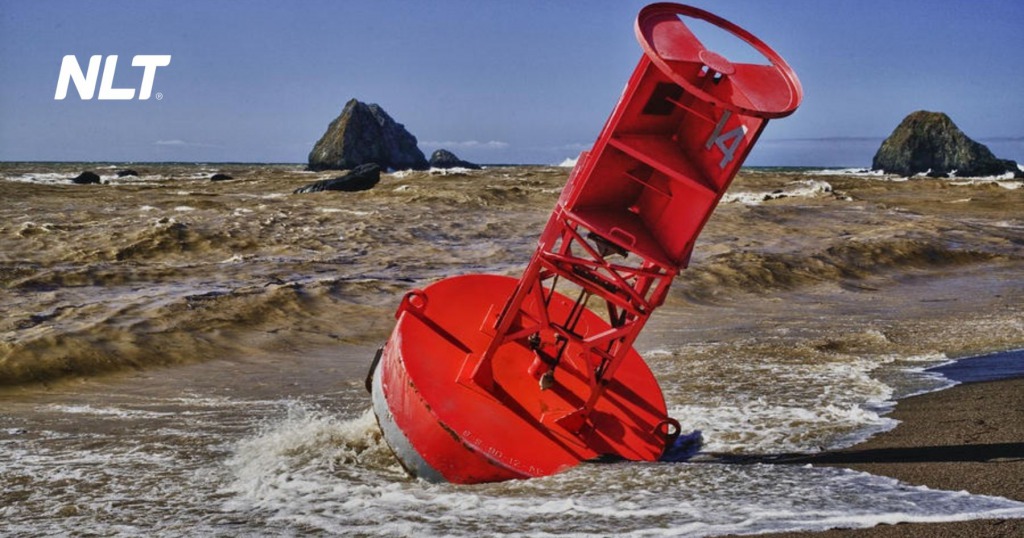
- Buoy body cracks, water leakage, or severe imbalance.
- Complete signal light failure that cannot be restored.
- Permanent GPS positioning loss or coordinate deviation exceeding 20 meters.
- Metal structures suffering corrosion, rusting, or fractured joints.
In these cases, the operating unit must submit a written report to the competent authority to establish a replacement plan in accordance with prescribed procedures.
Responsibilities for acceptance and recording results after repair
All buoy repair or replacement activities, even minor ones, must undergo technical acceptance conducted by the inspection unit or route management authority. After acceptance:
- Acceptance records are prepared and stored in the technical dossier.
- Buoy status is updated on digital maps or internal software systems.
- The maintenance unit bears full responsibility if defects recur after acceptance.
Accurate and complete record-keeping helps prevent responsibility disputes when incidents related to navigation aids occur.
Key considerations when conducting on-site buoy inspections
Protective equipment and specialized tools
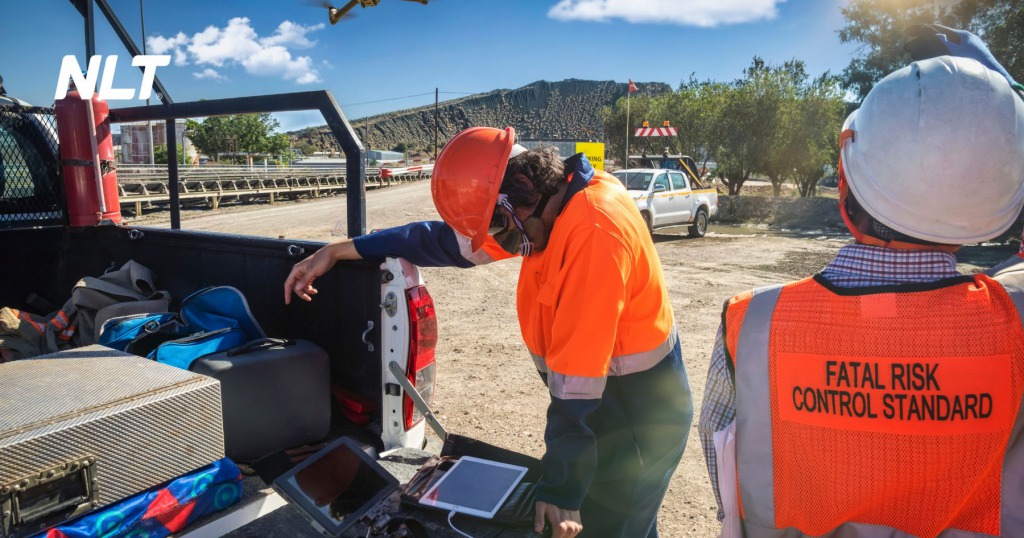
Inspection personnel must be fully equipped with:
- Life jackets, anti-slip footwear, rubber gloves.
- GPS devices, voltage meters, LED light intensity measuring instruments.
- On-site recording cameras and tilt/deviation measurement devices.
In addition, dedicated work vessels or inspection boats are required to ensure stability under all hydrological conditions.
On-water operational skills and emergency response
Buoy defect inspection is carried out on rivers, canals, or narrow channels and therefore requires a high level of skill:
- Safe approach to buoys, avoiding collisions or positional displacement.
- Handling emergency situations such as strong winds, passing vessels, or loss of balance.
- Effective communication among inspection team members to ensure timely support in case of incidents.
Personnel who are not properly trained or do not hold inland waterway safety certifications are not permitted to participate in on-site inspections.
Conclusion
Waterway navigation buoy defect inspection is not simply a technical procedure but a key step in the overall process of ensuring waterway traffic safety, legal compliance, and effective infrastructure operation. A compliant navigation aid system not only helps vessels maintain correct routes but also minimizes collision risks, especially under poor visibility conditions. Conducting inspections at the correct intervals, in accordance with applicable standards, and with close coordination among operating units, maintenance teams, and state management authorities forms the foundation for modern, transparent, and safe waterway traffic management.
FAQ
Bao lâu phải kiểm định lỗi phao một lần?
How often should buoy defects be inspected?
According to Circular 77/2014/TT-BGTVT, navigation buoys must undergo periodic inspection at least once per year, depending on route characteristics and actual operating conditions. In addition, ad hoc inspections are required after natural disasters, collisions, or when signal loss is suspected.
Is buoy defect inspection required after each maintenance activity?
Yes. After each repair, component replacement, or buoy relocation, buoy defect inspection is mandatory to ensure the equipment operates correctly and is positioned properly. The inspection also serves as acceptance and requires updating the status in the technical records.
Is a permit required for buoy inspection?
No separate permit is required for periodic inspections or internal inspections conducted by the unit assigned to manage the route. However, for inspections carried out by competent authorities (Sub-Departments, Departments of Transport, Inland Waterway Administration), an official assignment or an approved plan is required in advance.
If a buoy is found to be non-compliant with the design, must it be replaced?
Yes. Any buoy that does not meet requirements in terms of size, color, light flashing frequency, buoyancy, or equipment installation position is considered non-compliant under QCVN 39:2011/BGTVT. Such buoys must be replaced or adjusted immediately in accordance with the approved design documentation.
Is there any software to help track inspection results?
Currently, many units deploy navigation aid management software integrated with GIS, such as systems from NLT Group or internal monitoring platforms used by Inland Waterway Sub-Departments. These systems allow tracking of:
– Inspection history of each buoy
– Site images and technical defects
– Real-time status updates and automatic alerts when deviations occur.