Tiếng Việt
In inland waterway transportation as well as coastal maritime navigation, signaling systems play a vital role in ensuring safety and accurate vessel guidance. Among them, navigation buoys are indispensable floating devices that operate continuously day and night in waterways to warn of hazards, separate traffic flows, and guide routes. However, a buoy is only truly effective when it is manufactured and installed in full compliance with technical standards. This article helps you clearly understand current navigation buoy standards, especially requirements for materials and paint colors, which are core factors affecting durability, visibility, and operational safety.
Why standardizing materials and paint colors is necessary
Standardizing materials and paint colors is a mandatory requirement to ensure buoys can operate stably over long periods under harsh environmental conditions such as saltwater, strong winds, and intense solar radiation. If manufactured with non compliant materials, buoys are prone to cracking, leaking, loss of buoyancy, or rapid deterioration. Similarly, if paint colors are not selected according to standard codes or lack reflective coatings, vessels may not correctly recognize signals from a distance, especially at night. Therefore, navigation buoy standards go beyond shape or installation position and include strict technical requirements for manufacturing materials and surface coating systems.
Legal basis and current technical regulations
QCVN 39:2011/BGTVT – Core regulation
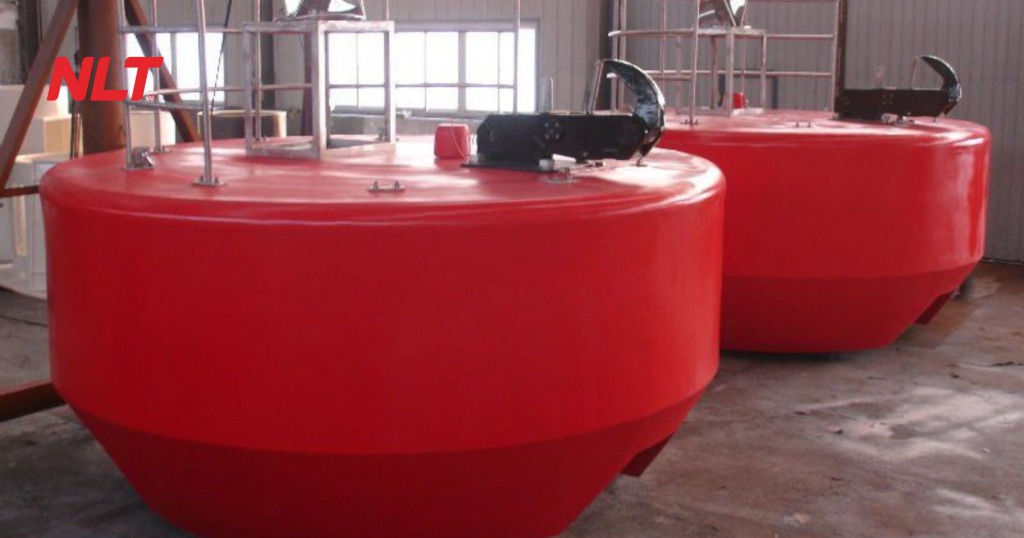
This is the national technical regulation on inland waterway signaling systems issued by the Ministry of Transport and mandatorily applied nationwide. QCVN 39:2011/BGTVT clearly specifies technical requirements for navigation buoys such as:
- Types, shapes, and dimensions: Types, forms, and sizing requirements for each buoy category.
- Manufacturing materials: Materials must ensure durability, buoyancy, and load resistance.
- Paint color: Must follow the prescribed standard color codes.
- Signal lights: Must meet requirements for luminous intensity, flash pattern, and visibility range.
This regulation also emphasizes that, before installation, every product must be inspected and have transparent technical documentation. Non-compliance with navigation buoy standards under QCVN 39 may lead to administrative violations and increase inland waterway traffic safety risks.
International IALA standards and application in Vietnam
Vietnam applies the IALA Maritime Buoyage System – Region A. Under this international standard, it regulates:
- Color codes, shapes, and light characteristics for each buoy type: Ensuring consistent identification.
- Application in waters with international navigation: Such as seaports and interregional routes.
- Coordination between paint color and light signals: Improving visibility and recognition.
Complying with IALA together with QCVN 39 helps Vietnam’s signaling system align with international practice and reduces risks when foreign vessels operate on navigation channels.
Circular 77/2014/TT-BGTVT – Implementation guidance
This circular issued by the Ministry of Transport provides detailed guidance on:
- Selection, installation, maintenance, and inspection of navigation buoys: Ensuring lifecycle quality control.
- Material and paint requirements by environment: Suitable for freshwater, brackish water, or saltwater conditions.
- Periodic inspection procedures: Ensuring buoy quality after a period of use.
Entities violating provisions in this circular may be handled under Decree 139/2021/ND-CP on administrative penalties in inland waterway transport.
Material standards in navigation buoy manufacturing
Buoyancy and durability requirements
A core requirement in navigation buoy manufacturing is stable buoyancy and long-term mechanical durability. Under navigation buoy standards, buoy materials must ensure:
- Density lower than water: Maintaining buoyant force even in cases of localized damage.
- Non-absorbent and weather-resistant: No water absorption, decay, or deformation under thermal impact.
- Service life: Typically five to ten years depending on the environment.
Buoyancy must be sufficient to support the buoy body, signal light, solar power unit, and attached equipment without sinking or tilting, ensuring signals remain clearly visible.
Corrosion resistance, strength, and impact tolerance
Because navigation buoys operate continuously in water, they are commonly affected by:
- Waves and impacts from floating objects or vessels.
- UV exposure, temperature changes, and saltwater conditions.
- Electrochemical corrosion in brackish or coastal environments.
Materials must be able to:
- Resist rust and oxidation in marine environments.
- Absorb minor impacts without deformation or cracking.
- Avoid brittleness, shrinkage, or warping under prolonged heat exposure.
Accordingly, navigation buoy standards require materials to pass tests simulating harsh real-world conditions before being approved for installation.
Common materials: Polyethylene, composite, HDPE
In Vietnam and internationally, commonly used navigation buoy materials include:
- Polyethylene (PE): Lightweight, cost-effective, easy to process, suitable for freshwater areas with lower impact risk.
- HDPE (High Density Polyethylene): More rigid than PE, higher durability, and better UV resistance.
- Composite gia cường sợi thủy tinh (FRP): Highest durability, strong saltwater resistance, does not decay or become brittle, suitable for harsh marine environments.
Each material should be supported by test certificates on mechanical properties and stability under long-term immersion, especially for buoys installed on key transport routes.
Material selection criteria for freshwater and saltwater environments
Different water environments require different materials to ensure performance and service life:
- Freshwater: PE or HDPE can be used, but UV-resistant coating is still required.
- Brackish or saltwater: Composite or materials with electrochemical corrosion protection coatings are required.
Navigation buoy standards do not allow materials that are prone to decay, cracking, or water absorption in any inland or coastal signaling applications.
>> See more: Exploring the critical role of steel materials in waterway navigation buoys
Paint color standards for navigation buoys
Color code regulations by buoy function
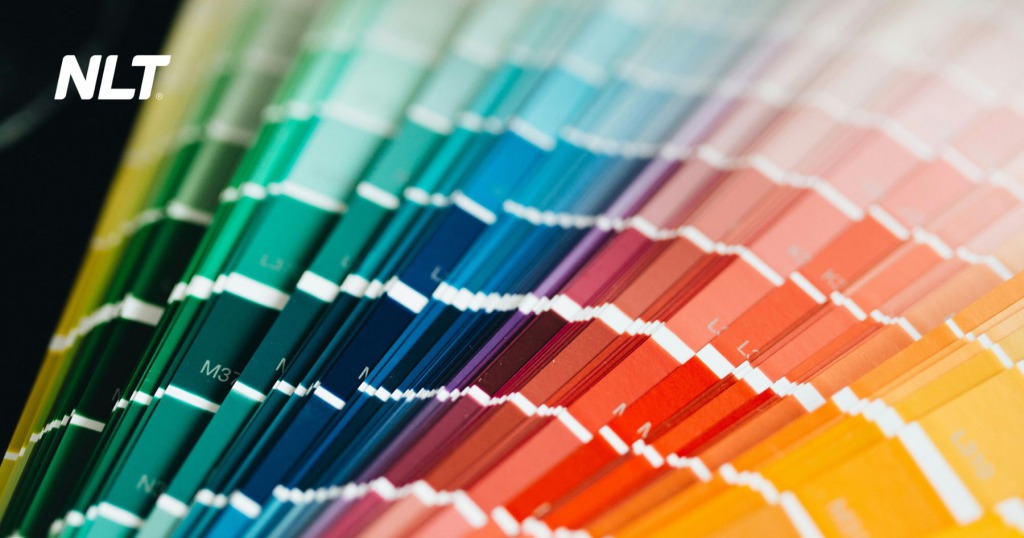
Each buoy function corresponds to a mandatory paint color under QCVN 39:2011/BGTVT and IALA standards:
- Red: Port-hand buoy when viewed from seaward.
- Green: Starboard-hand buoy.
- Yellow: Special-purpose buoy, restricted or hazardous areas.
- Black – White – Striped: Special channel separation or directional buoys.
Paint colors must be clear, easily distinguishable, not confusing with adjacent buoys, and able to maintain color intensity after long-term outdoor exposure.
Retroreflectivity, color durability, and visibility
Mandatory technical requirements for paint colors under navigation buoy standards include:
- High retroreflectivity: Ensures long-distance visibility at night when illuminated by vessel lights.
- Color fastness: No fading for at least 12 to 18 months under continuous outdoor exposure.
- UV and acid rain resistance: Prevents peeling or degradation.
Conventional paints do not meet these requirements. Only specialized paints with certified technical specifications are permitted for navigation buoys.
Technical requirements for retroreflective paint and epoxy paint
Two commonly used paint types include:
- Acrylic- or polyurethane-based retroreflective paint: Used for the outermost layer to reflect light at night.
- Two-component epoxy paint: Used as primer or anti-corrosion coating for the underlying material.
Both paint types must have strong adhesion, fast curing, and resistance to cracking under hot, humid, rainy, or saltwater conditions.
Standard painting methods and surface coating layers
Painting techniques are a mandatory part of producing compliant navigation buoys:
- Painting must be carried out in dry air conditions with low humidity.
- High-pressure spray equipment must be used instead of manual painting to ensure uniform coating.
- Coating systems must include at least three layers: anti-corrosion layer, base color layer, and retroreflective layer.
- After painting, buoys must be properly cured at standard temperatures and adhesion must be inspected before commissioning.
Inspection and testing of materials and paint under navigation buoy standards

Adhesion, UV resistance, and salt spray testing
Quality inspection of materials and paint in navigation buoy manufacturing cannot rely solely on visual checks. Under navigation buoy standards, materials and coatings must undergo rigorous testing before being approved for field installation:
- Paint adhesion testing: Conducted using cross-hatch and tape methods in accordance with ASTM D3359 or equivalent standards to assess coating adhesion.
- UV resistance testing: Samples are exposed to artificial UV light for 1,000 continuous hours to simulate natural aging in hot climates.
- Salt spray corrosion testing: Continuous NaCl salt fog exposure in a sealed chamber for 240 to 1,000 hours to evaluate corrosion resistance and paint peeling.
Only products that pass these tests are certified as compliant for installation on national inland waterways or key port channels.
Durability standards after artificial aging
Artificial aging is a mandatory method to assess the expected service life of buoys after years of exposure to harsh environments. Under QCVN 39:2011/BGTVT, material and paint samples must meet criteria such as:
- Material deformation: No warping or shrinkage exceeding 3 percent after temperature cycling from minus 10 degrees Celsius to plus 70 degrees Celsius.
- Color fading: Retroreflectivity reduction must not exceed 30 percent after 1,000 hours of UV exposure.
- Paint peeling or cracking: Must not exceed level 2 under standard ASTM classification tables.
Test results must be retained in technical documentation for inspection, acceptance, and future material traceability.
Testing procedures by authorized authorities
In Vietnam, organizations authorized to inspect navigation buoy materials and paint under navigation buoy standards must be formally designated by the Ministry of Transport or provincial Departments of Transport. The typical procedure includes:
- Random sampling at manufacturing facilities or installation sites.
- Submission of samples to ISO/IEC 17025 accredited laboratories for durability, UV resistance, and corrosion testing.
- Issuance of inspection reports and updating of test data into the national electronic buoy management system.
Without valid inspection certification or if unauthorized materials of unknown origin are used, contractors may be penalized under Decree 139/2021/ND-CP.
>> See more: Detailed guidance on inspection and detection of inland waterway buoy defects
Common issues caused by using non-standard materials and paint
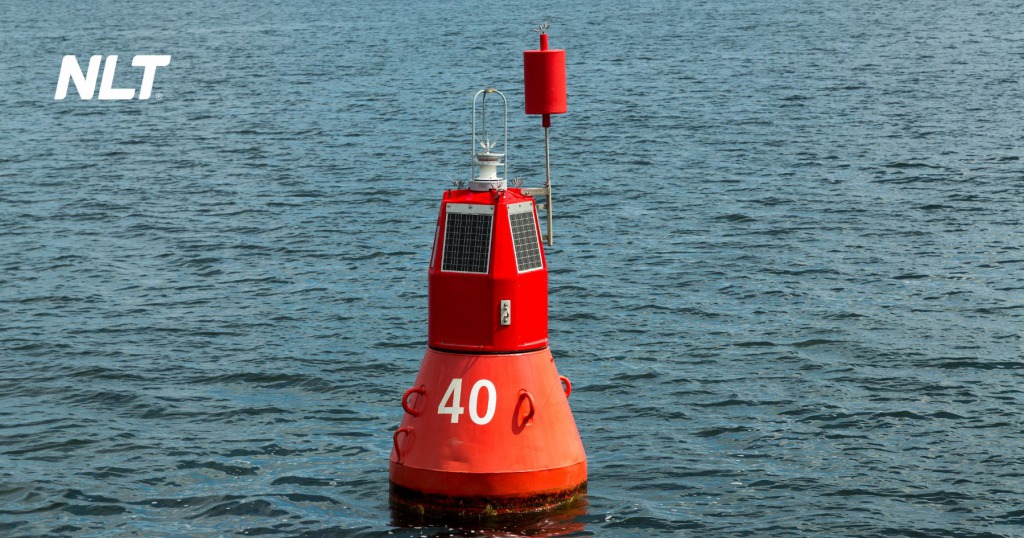
Paint peeling, rapid fading, loss of retroreflectivity
This is the most visible issue when non-compliant paint is used:
- Retroreflective paint fades after only a few months of outdoor exposure.
- The buoy surface peels off in large patches, causing loss of aesthetics and danger because the buoy function can no longer be identified.
- Nighttime visibility when illuminated by vessel lights is significantly reduced, increasing collision risks.
These issues usually stem from the use of household paints or paints without clear labeling and certification, which have not been tested in accordance with navigation buoy standards.
Cracking, deformation, and loss of buoyancy due to improper materials
When recycled plastics, low-quality materials, or incorrect material ratios are used, the buoy body may:
- Become brittle and crack under high temperatures or strong impacts.
- Lose buoyancy over time due to water absorption.
- Deform from its original shape, causing signal misalignment or loss of navigational function.
This is a primary reason why many buoys sink or drift out of position after only a few years of use, disrupting navigational signaling.
Impact on vessel navigation and orientation
Non-compliant navigation buoys not only lose technical functionality but can also cause accidents. Common impacts include:
- Vessels receiving incorrect positional signals, leading to collisions with obstacles or deviation from the main channel.
- When signal lights fail and paint markings fade, nighttime navigation becomes nearly impossible.
- Several serious incidents at anchorage areas or navigation channels have been identified as being related to substandard navigation buoys.
Therefore, failure to control material and paint quality is a major latent risk to national inland waterway traffic safety.
Solutions for selecting compliant navigation buoys from the outset
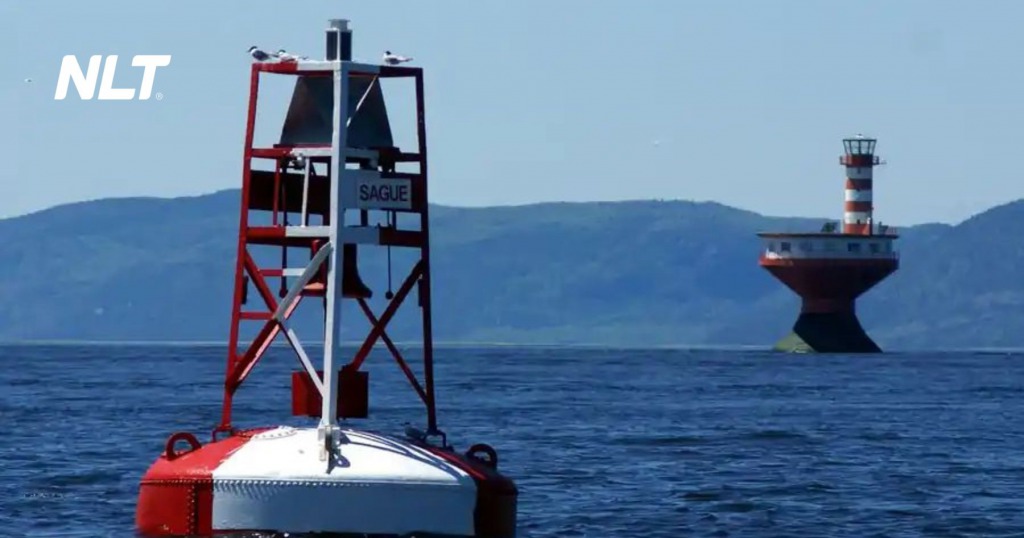
Prioritize products certified under QCVN and IALA
In a market where untraceable products are widespread, selecting products that have been inspected and certified in accordance with navigation buoy standards from the outset helps reduce future repair costs and ensures safe operation of inland waterway signaling systems.
Accordingly, priority should be given to products that:
- Hold certificates of conformity with QCVN 39:2011/BGTVT issued by competent authorities.
- Comply with international rules on shape, color, and light characteristics set by IALA (International Association of Marine Aids to Navigation and Lighthouse Authorities).
- Include technical test reports as part of factory documentation.
These criteria are non-negotiable for operating a durable and legally compliant navigation buoy system.
Considerations when importing or custom-manufacturing buoys
For organizations importing navigation buoys or commissioning custom production, the following should be noted:
- Verify clear origin and request documentation proving compliance with standards equivalent to QCVN.
- Ensure manufacturers adhere to prescribed color codes, materials, and surface coating technologies under current regulations.
- Request re-testing in Vietnam by an independent authority if valid certification is not available.
Many cases of sourcing buoys from small workshops with inadequate quality control have resulted in violations of navigation buoy standards, severely affecting entire navigation routes.
Role of independent consultants and inspection bodies
Many project owners lack deep technical expertise in navigation buoys and are therefore vulnerable to low-quality products. It is essential to work with entities that:
- Have the capacity to provide design consultancy in full compliance with standards.
- Hold certifications recognized by the Ministry of Transport to conduct independent inspections.
- Provide complete documentation on material testing, structural integrity, paint quality, load resistance, and corrosion resistance.
NLT Group – A supplier of buoys compliant with material and paint standard
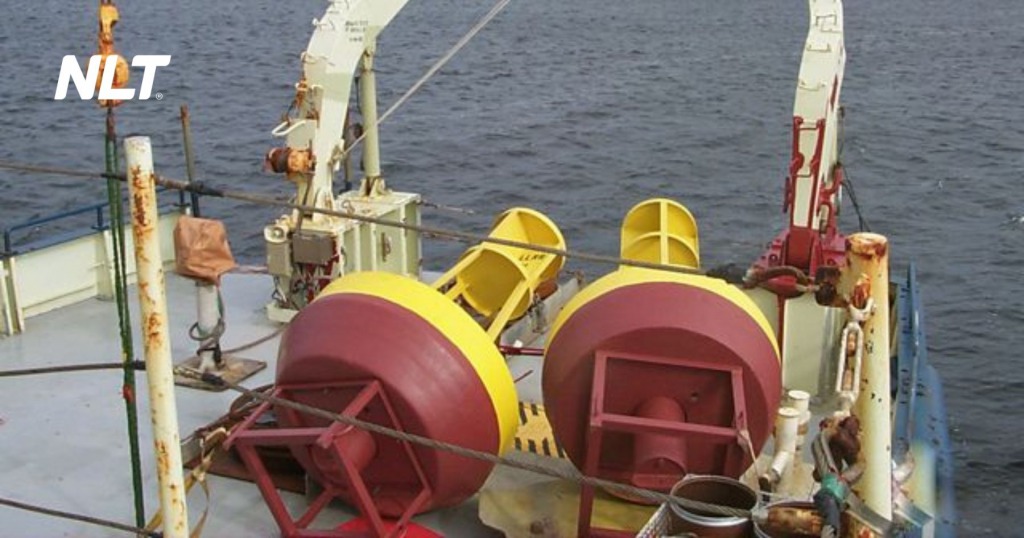
NLT Group is one of the few enterprises in Vietnam capable of manufacturing and installing navigation buoys that fully comply with QCVN navigation buoy standards and international IALA standards. With modern factory systems, high-strength HDPE and composite materials, and three-layer retroreflective coating technology meeting international technical standards, NLT Group commits that all products are accompanied by clear inspection documentation, thoroughly tested, and ready to meet the most stringent requirements of inland waterway transport. This makes NLT Group a reliable choice for projects that demand quality, durability, and strict legal compliance.
Conclusion
To fulfill their mission as silent guides protecting the safety of hundreds of thousands of vessel journeys each year, buoy structures and external paint coatings must be designed and applied in strict compliance with navigation buoy standards, covering buoyancy, durability, corrosion resistance, and reflective visibility from a distance. Choosing non compliant products, using low quality materials, or applying improper paint systems reduces warning effectiveness, increases collision risks, and may lead to serious legal liabilities. Therefore, understanding technical standards and selecting reputable manufacturers is not only a technical responsibility but also a legal obligation for investors, waterway management units, and all parties involved in operating navigation signaling systems.
Nam Long Technology Investment Group (NLT Group)
- Hotline: 0911 379 581
- Email: kinhdoanh@nlt-group.com
- TIN: 0313339640
- Address: 43T Ho Van Hue Street, Duc Nhuan Ward, Ho Chi Minh City
Frequently asked questions (FAQs)
Is it mandatory for buoy paint colors to follow standard codes?
Yes. According to QCVN 39:2011/BGTVT, buoy paint colors must strictly follow prescribed color codes for each function such as red, green, yellow, and black, and must include reflective properties for night recognition.
Can ordinary paint be used to repaint faded buoys?
No. Ordinary paint does not adhere well to engineering plastics or outdoor metals and does not ensure reflective performance. Using incorrect paint types violates navigation buoy standards and may result in administrative penalties.
Which materials are most durable for marine buoys?
Buoys made from virgin polyethylene, HDPE, or UV resistant composite materials are the most durable choices for saltwater environments. These materials offer high corrosion resistance and maintain stable buoyancy for many years.
How often should buoys be repainted?
According to technical recommendations, buoys should be repainted every three to five years depending on environmental conditions. In areas with strong waves or saltwater exposure, repainting cycles may be shorter.
How can buyers verify that a buoy meets standards?
Request suppliers to provide QCVN certificates, paint inspection results, material test reports, and accompanying technical documentation. Priority should be given to suppliers whose products are designed according to IALA standards and independently certified by authorities designated by the Ministry of Transport.