Tiếng Việt
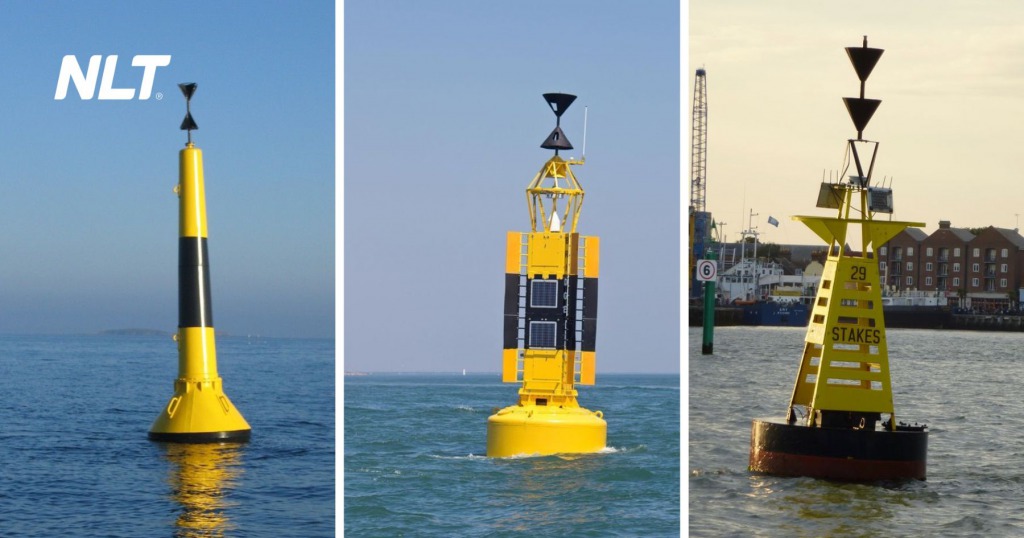
Inspection of navigation buoys is not a formal or symbolic procedure but a mandatory requirement to ensure absolute safety for inland waterway traffic operations. In the context of continuously expanding navigation channels and rapidly increasing vessel density, inspection of navigational aids, especially waterway buoys, has become a task that cannot be delayed. This article provides an in-depth analysis of why buoy inspection must be carried out seriously and in full compliance with standards, while also clarifying the legal basis and related responsibilities.
What is an inland waterway buoy and why must navigation buoys be inspected regularly?
The role of buoys in inland waterway traffic
An inland waterway buoy is a floating device installed in fixed or semi fixed positions along rivers, canals, channels, navigation routes, anchorage areas, or hazardous zones in order to:
- Indicate safe navigation directions for waterway vessels
- Divide traffic lanes in accordance with regulations
- Warn of obstacles, submerged rocks, or shallow waters
- Mark restricted areas or construction zones
Each type of buoy has its own color, shape, and light signal, enabling operators to accurately recognize navigation instructions under normal conditions or in adverse weather. The accuracy of the information conveyed by a buoy depends entirely on proper inspection procedures and strict compliance with technical standards.
Potential risks if inspection is not conducted in accordance with standards
If a non compliant buoy is put into operation, the consequences can be extremely serious:
- Loss of positioning accuracy if the buoy drifts from its designated location
- Incorrect signals causing vessels to navigate in the wrong direction
- Light signals malfunctioning or operating with incorrect flashing cycles, reducing nighttime visibility
- Material degradation leading to loss of buoyancy or water leakage
- Faded colors resulting in misleading warning information
All of these factors can cause collisions, groundings, or maritime incidents. At the same time, organizations that fail to conduct inspections or fail to detect violations will be subject to administrative penalties under the law and may face civil liability if damage occurs.
Legal basis for inspection of inland waterway buoys
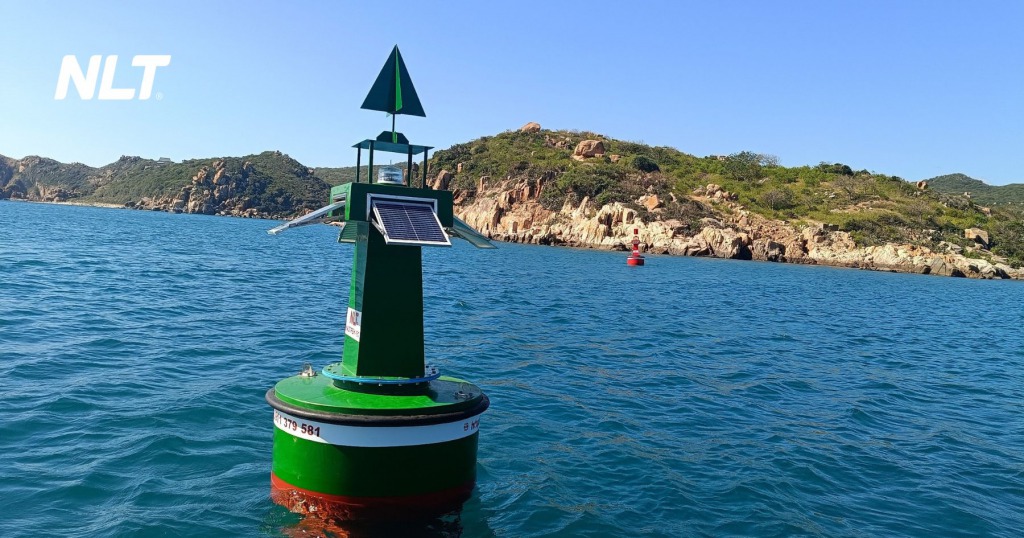
QCVN 39:2011/BGTVT
This is the National Technical Regulation issued by the Ministry of Transport that provides detailed requirements for the inland waterway navigation aid system, including:
- Materials, shapes, and dimensions of different types of buoys
- Minimum buoyancy and load bearing capacity
- Colors and retroreflective paint corresponding to each function
- Light signal systems: light color, flashing cycle, luminous intensity, and visibility range
This regulation is a mandatory legal basis for assessing the quality of navigation aids before commissioning and during actual operation. Any inspection of navigation buoys that does not reference QCVN 39 has no legal validity.
Circular 77/2014/TT-BGTVT
This circular provides implementation guidance for QCVN 39 and clearly stipulates:
- Responsibilities of managing entities in maintaining and inspecting buoys
- Inspection frequency and inspection methods
- Requirements for retaining inspection records for audits and inspections at any time
Articles 8 and 9 of the Circular require buoys to be inspected periodically in accordance with current technical standards and to be used only if they meet the technical conditions specified in QCVN 39:2011/BGTVT.
Decree 139/2021/NĐ-CP on administrative penalties
Decree 139 sets out detailed administrative penalties in the field of inland waterway traffic. Violations related to buoy inspection are subject to the following penalties:
- Failure to inspect or maintain navigation aids: fines ranging from VND 10 million to VND 20 million
- Installation of buoys not meeting technical standards: fines of up to VND 30 million
- Causing accidents due to non compliant navigation aids: possible civil liability and suspension of route operations
These are severe penalties, clearly demonstrating the mandatory nature of buoy inspection and its critical legal significance.
>> See more: Latest updates on national technical regulations for inland waterway navigation buoys
Which types of buoys should be inspected frequently?
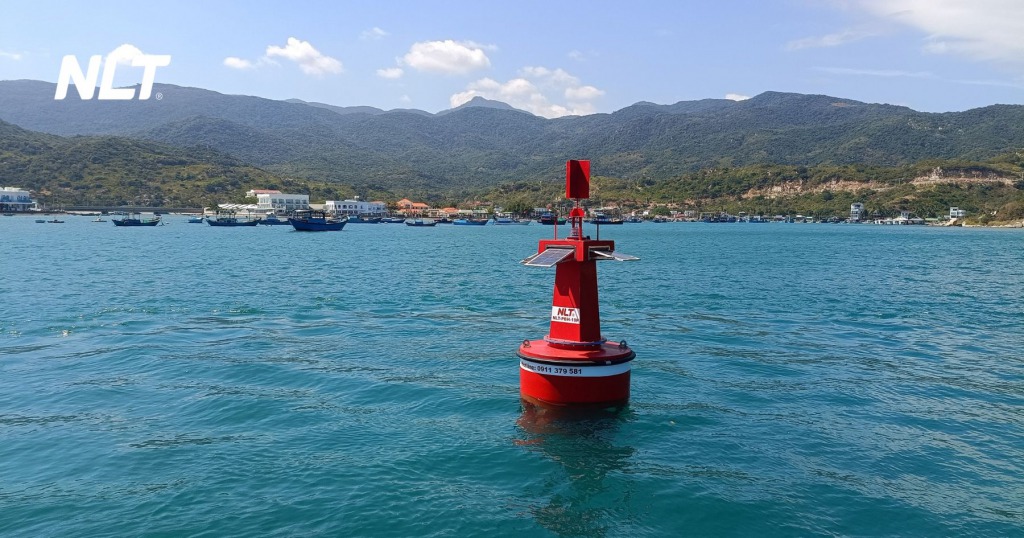
Which types of buoys are subject to mandatory inspection?
According to QCVN 39:2011/BGTVT and Circular 77/2014/TT-BGTVT, all inland waterway buoys serving navigation, guidance, warning, or traffic separation functions are subject to mandatory inspection before being put into operation. Buoy inspection applies to the following:
- Port hand and starboard hand buoys: used to define safe navigation directions for vessels
- Restricted area buoys: commonly installed in construction zones, protected areas, or access restricted zones
- Mooring buoys: marking anchorage areas or transshipment points
- Obstacle warning buoys: installed in areas with submerged rocks, sunken objects, or collision risks
- Special information buoys: used to convey specific regulatory information about routes or prohibited behaviors
Regardless of whether the buoy is domestically manufactured or imported, all devices classified as surface navigation aids must undergo buoy inspection in accordance with current regulations prior to official installation.
Initial inspection and periodic inspection
Buoy inspection consists of two main stages:
- Initial inspection: a mandatory requirement when a buoy is first put into service at a specific location. The inspection must be conducted by an organization authorized by the Ministry of Transport. During this inspection, all technical parameters of the buoy, load bearing capacity, construction materials, light signal system, and associated flotation devices must fully comply with QCVN 39:2011/BGTVT.
- Periodic inspection: carried out at intervals not exceeding 12 months. The objective is to ensure that the equipment continues to operate safely and remains suitable for actual environmental conditions. In particular, during storm seasons or periods of increased vessel traffic, inspection frequency should be increased to promptly detect damage or signal deviations.
Circular 77/2014/TT-BGTVT, Article 9 clearly stipulates the responsibility of navigation route operators to organize inspection and maintenance in accordance with prescribed cycles and to retain inspection records for audit and inspection purposes.
Cases requiring extraordinary inspection
In addition to periodic inspections, there are practical situations that require extraordinary buoy inspection, including:
- When a buoy is subjected to strong impact due to collision or natural disasters such as storms, floods, or strong winds, raising concerns about positioning accuracy or structural damage
- When the light signal system stops operating or flashes with an incorrect cycle continuously for more than 24 hours
- When the buoy shows signs of color deviation or paint fading, no longer providing adequate visual signaling in accordance with standards
- When the installation position is changed, requiring reinspection of buoyancy, orientation capability, and stability at the new location
All such cases must be documented in written records and the buoy must undergo reinspection in accordance with standard procedures to ensure that no operational risks arise.
>> See more: Inspection of inland waterway buoy defects: latest procedures and standards
Standard procedure for inland waterway buoy inspection

Site survey and legal documentation
The first step in the buoy inspection process requires the inspecting organization to conduct an on site survey at the buoy installation location or at the storage site prior to commissioning. The objectives of this step include:
- Verifying the actual installation position against the approved navigation channel layout
- Confirming equipment origin, factory release documents, certificates of origin CO, certificates of quality CQ, or import certificates where applicable
- Reviewing technical design documents, installation drawings, and configuration of the associated light system
All legal documentation must be fully submitted before proceeding to technical inspection steps.
Technical assessment and field testing
After documentation verification, the inspection team conducts a technical assessment of the buoy through the following steps:
- Physical structure inspection: material thickness, weld joints, anti corrosion coating, and mechanical load resistance
- Buoyancy and positioning tests: deploying the buoy in actual conditions to measure buoyancy, tilt angle, and station keeping capability
- Light signal inspection: measuring luminous intensity using a lux meter, verifying flashing cycles, and testing automatic light sensors
- Continuous operation assessment: requiring the buoy to operate under simulated conditions for 48 hours to evaluate stability
All testing steps must be recorded in detail in the buoy inspection report as the basis for certification.
Issuance of conformity certification
If the buoy fully complies with the technical standards of QCVN 39:2011/BGTVT and the practical requirements of the navigation route, the inspecting organization will issue a buoy inspection certificate with a legal validity of 12 months. The certificate must clearly state:
- Buoy type
- Installation location
- Verified technical parameters
- Inspection date and validity period
If the buoy does not meet the required standards, the inspecting organization will refuse to issue the certificate and will require the managing entity to rectify, replace, or re inspect the buoy within a specified timeframe.
Mandatory technical criteria during inspection

In buoy inspection work, accurately assessing technical criteria is a prerequisite to ensure long term operational safety. These criteria cannot be evaluated subjectively but must comply with national standards such as QCVN 39:2011/BGTVT and be measured and verified through instruments and practical testing.
Buoy body materials and load bearing capacity
The buoy body is the primary load bearing component that keeps the entire system afloat, therefore material requirements are very stringent. During buoy inspection, materials must be verified to:
- Corrosion resistance: withstand saline or brackish water environments
- Impact resistance: resist cracking or breaking when struck by vessels
- Water impermeability: prevent water ingress and paint peeling after long term use
- Common materials: fiberglass reinforced composite, galvanized steel, or high strength polyethylene
Any material samples that do not meet standards or lack a certificate of quality CQ will be rejected from the inspection process.
Buoyancy stability and positioning accuracy
A compliant buoy must not only float but float correctly, meaning:
- Tilt limit: buoy inclination must not exceed the specified limit, typically less than 10 degrees
- Anti capsize capability: resist overturning under strong waves or currents
- Mooring system accuracy: anchoring must keep the buoy at its designated position with a maximum allowable deviation of ±2 meters from design
At this stage, buoy inspection requires actual floating tests and measurements using GPS devices or surveying instruments.
Light signal system and flashing characteristics
This is one of the most critical items in buoy inspection. The light signal system must be evaluated against the following criteria:
- Correct color: red for port hand buoys, green for starboard hand buoys, yellow for special purpose buoys
- Accurate flashing sequence: verified using a stopwatch or automated measuring device
- Adequate luminous intensity: measured with a lux meter, ensuring visibility of at least 1 nautical mile which equals 1.852 kilometers
- Continuous operation: capable of operating for a minimum of 7 nights without recharging when using solar power
Incorrect flashing patterns or insufficient light intensity can cause misinterpretation by vessels and lead to serious nighttime accidents.
Durability under harsh weather conditions
Since buoys operate continuously in aquatic environments, they must not degrade rapidly. During buoy inspection, inspectors will assess:
- UV resistance: to prevent material aging caused by ultraviolet radiation
- Structural strength: under heavy rain and strong waves
- Anti fouling capability: resistance to marine growth that can reduce buoyancy
- Paint adhesion and reflectivity: maintained after prolonged exposure
Failure to meet any of these criteria will result in the buoy being repaired, replaced, or denied inspection certification.
Legal consequences of failing to inspect on schedule

Specific penalties under Decree 139/2021
According to Article 16 of Decree 139/2021/ND CP, violations related to buoy inspection are subject to the following penalties:
- Failure to inspect or improper inspection procedures: fines ranging from 10 to 20 million VND
- Using uninspected buoys for operation: fines up to 30 million VND
- Failure to rectify defects after reinspection requirements: fines up to 50 million VND and potential suspension of route operations
These penalties may be cumulative in cases of repeated violations or when dangerous consequences occur to people and vessels.
Accident risks and civil liability
Beyond administrative penalties, if an uninspected or overdue buoy causes an inland waterway accident, the managing entity may:
- Face civil lawsuits: for property damage or loss of life
- Be barred from bidding: or suspended from permits for related projects
- Bear full compensation liability: including insurance costs and long term losses
Such consequences not only damage corporate reputation but also cause unpredictable financial losses. Therefore, buoy inspection must be treated seriously as an integral part of comprehensive risk management for any transport infrastructure project.
NLT Group – A compliant buoy manufacturer and installer
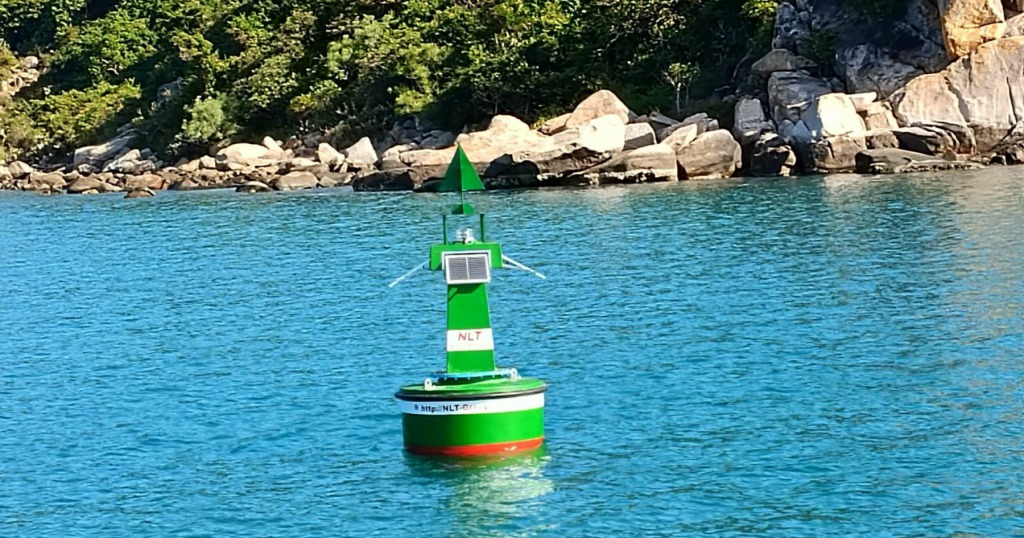
NLT Group is one of the few enterprises in Vietnam with comprehensive capability to manufacture, install, and supply inland waterway navigation buoys that fully meet buoy inspection standards under QCVN 39:2011/BGTVT. With a 4.0 channel management model integrating GPS positioning sensors, solar powered signal lights, and remote monitoring, NLT not only ensures strict technical compliance but also enhances operational efficiency and real time route supervision. All equipment supplied by NLT comes with factory certification, transparent inspection documentation, and is installed by highly qualified engineers, ready to meet all technical requirements from investors and state management authorities.
Conclusion
Buoy inspection is an indispensable step in the management and operation of a safe, effective, and legally compliant waterway navigation aid system. Conducting inspections in strict accordance with applicable standards not only helps prevent accidents but also provides a solid legal basis to protect organizations from risks and regulatory penalties. Investing in compliant equipment and selecting the right implementation partner, such as NLT Group, is an optimal solution to ensure that buoy systems operate sustainably, accurately, and in full legal compliance over the long term.
Nam Long Technology Investment Group (NLT Group)
- Hotline: 0911 379 581
- Email: kinhdoanh@nlt-group.com
- TIN: 0313339640
- Address: 43T Ho Van Hue Street, Duc Nhuan Ward, Ho Chi Minh City
Frequently asked questions (FAQs)
How often must inland waterway buoys be inspected?
According to Circular 77/2014/TT-BGTVT, buoy inspection must be conducted periodically at least once every 12 months or before the storm and flood season to ensure safe operation.
Is there a penalty for failing to inspect buoys?
Yes. Under Decree 139/2021/NĐ-CP, failure to inspect buoys within the required timeframe may result in fines ranging from VND 10 million to VND 50 million, depending on the severity of the violation and its consequences.
Who is authorized to inspect inland waterway buoys?
Only organizations that hold valid competency certification and are licensed by the Ministry of Transport are eligible to carry out buoy inspections in accordance with regulations.
Is re-inspection required if a buoy drifts from its position?
Yes. Any buoy that has drifted or been subjected to strong external impact must be re-inspected immediately to assess its positioning accuracy, buoyancy, and equipment condition before being put back into operation.
Do imported buoys need to be re-inspected in Vietnam?
Yes. Regardless of having complete certificates of origin, all imported buoys must undergo the buoy inspection process in Vietnam before being installed on official navigation routes.