Tiếng Việt
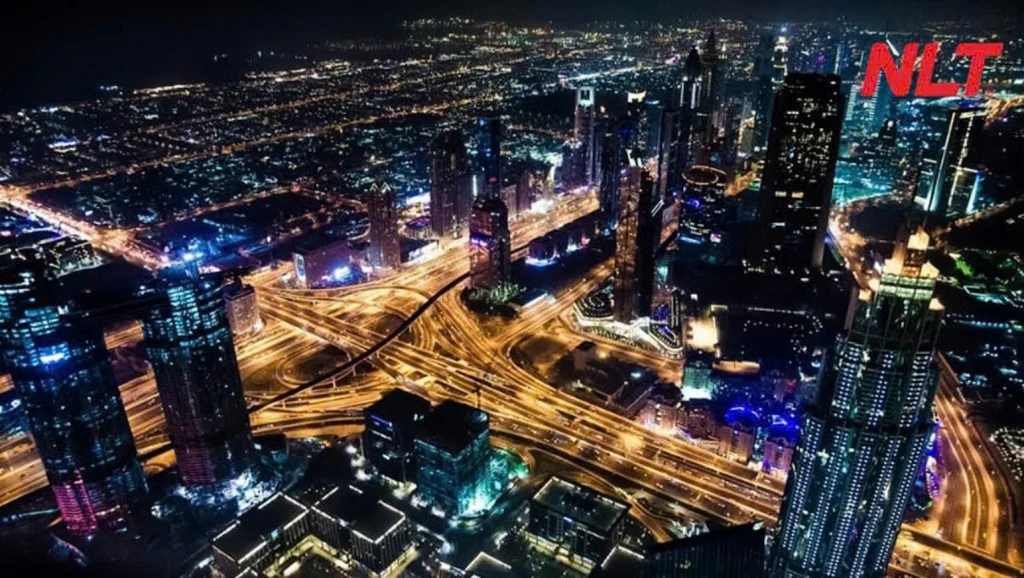
Along with urban development and the growing demand for higher-quality public infrastructure, landscape lighting is playing an increasingly important role in shaping urban identity, ensuring safety, and creating distinctive character for outdoor spaces. With an integrated smart lighting ecosystem and end-to-end implementation capability, NLT Group delivers sustainable, optimized, and technically compliant lighting solutions for landscape and urban infrastructure projects both in Vietnam and internationally.
Overview of landscape lighting
What is landscape lighting?
Landscape lighting is a specialized lighting design solution for outdoor environments. It represents a harmonious integration of engineering, aesthetics, and functionality, aimed at shaping a complete nighttime experience.
Unlike street lighting or architectural lighting, landscape lighting focuses on creating atmosphere, identity, and emotional impact within open spaces such as parks, public squares, urban developments, while also highlighting elements like water features, greenery, and pedestrian pathways.
The difference between landscape lighting and conventional street lighting
Although both are part of urban lighting systems, landscape lighting and conventional street lighting fundamentally serve different purposes.
| Criteria | Street lighting | Landscape lighting |
| Primary objective | Focuses on traffic safety by ensuring illuminance, luminance, and uniformity in accordance with standards, supporting obstacle detection and lane visibility. | Creates nighttime visual identity, enhances spatial character and emotional experience, and elevates overall user experience and aesthetic value of the area. |
| Fixture types and layout | Uses roadway LED luminaires or high-intensity lamps, arranged linearly along routes with consistent spacing and mounting height. | Uses a wide range of fixtures such as bollards, in-ground lights, tree uplights, linear luminaires, underwater lights, decorative poles, and solar lights. Lighting is arranged in layers, by focal points, and according to the function of each zone. |
| Performance evaluation | Assessed mainly through technical parameters such as illuminance, luminance, uniformity, and compliance with urban road lighting standards. | Evaluated holistically based on visual effect, spatial atmosphere, nighttime activity appeal, together with relevant technical criteria. |
| Role within the overall project | Primarily a functional and safety-oriented lighting solution. | A solution that defines identity and enhances landscape value, user experience, and commercial attractiveness. |
Landscape lighting trends in smart city 4.0
In the current stage of urban development, landscape lighting has moved far beyond basic illumination to become a strategic technological component that helps shape the urban image and quality of nighttime life.
- Breakthrough LED technology: Next generation LED technology not only delivers high luminous efficiency and energy savings, but also offers excellent color rendering (CRI). This allows natural colors of vegetation, architectural materials, and water surfaces to be reproduced accurately and with greater depth, significantly improving visual quality.
- Dynamic and interactive lighting: Modern lighting systems can change color, intensity, and operation based on flexible scenarios such as seasons, events, or time schedules. This is a key trend that brings landscapes to life, gives them a distinct rhythm, and creates engaging and memorable experiences for users.
- Smart control integrated with IoT: Lighting fixtures are connected to IoT platforms, enabling centralized management and operation. The system can monitor fixture status, manage energy consumption, automatically issue fault alerts, and remotely adjust lighting scenarios via cloud-based platforms.
- Operational optimization and clean energy: The use of solar lighting, light and motion sensors, and demand-based dimming mechanisms helps reduce energy consumption and extend system lifespan. These solutions are essential to achieving sustainable urban development goals.
- Connection with local identity: Lighting is no longer just a tool for visibility, but a medium for telling cultural stories. From dominant color tones and architectural highlights to lighting scenarios, designs are tailored to reflect the unique spirit and identity of each area.
The role of landscape lighting in urban projects
Creating visual identity for public spaces
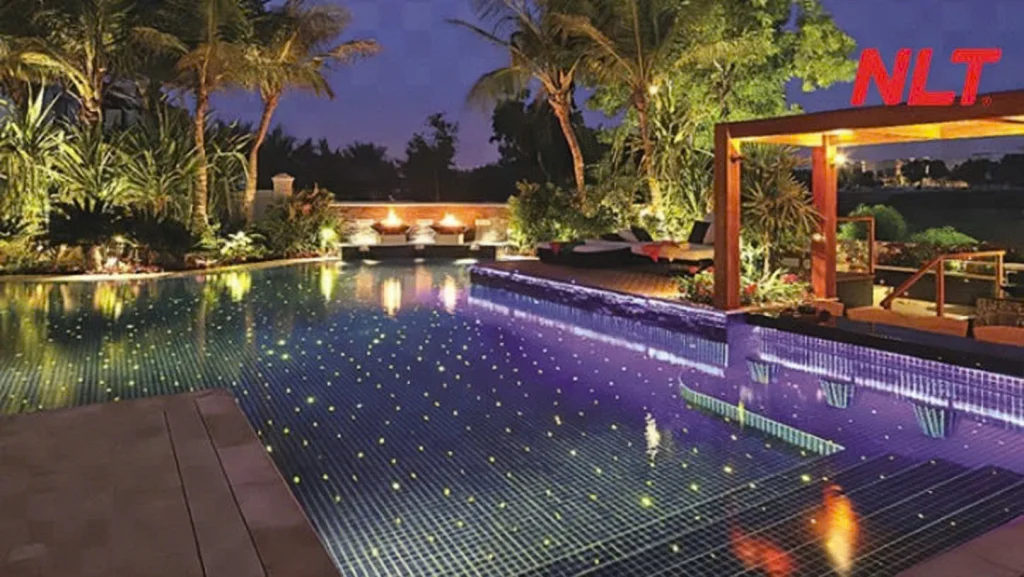
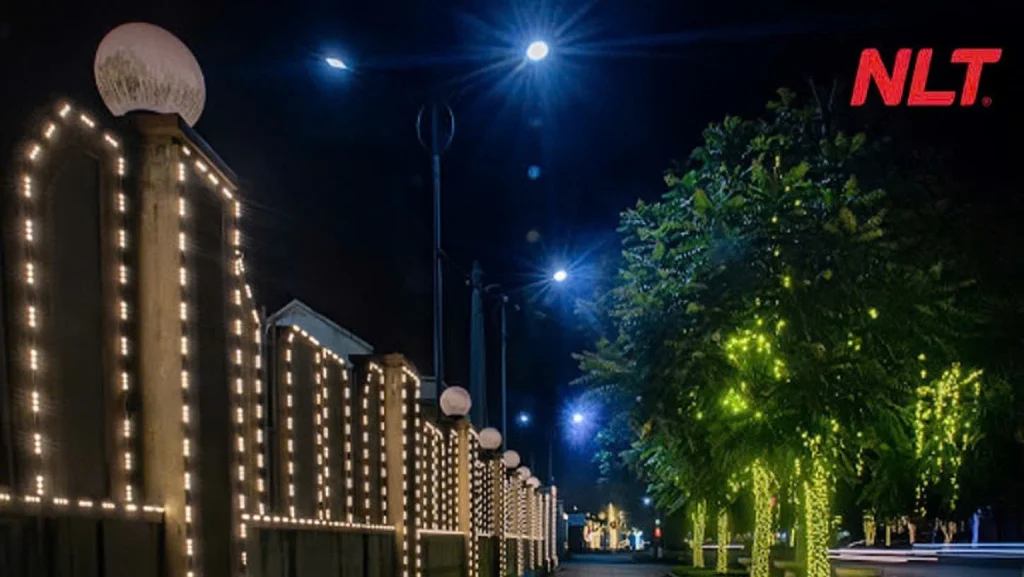
Landscape lighting helps define the nighttime appearance of urban areas, highlighting greenery, water features, and architecture through balanced and intentional illumination. This creates a strong visual identity for parks, plazas, streets, and entire developments, enhancing recognition and user experience.
Ensuring safety and optimizing nighttime functionality
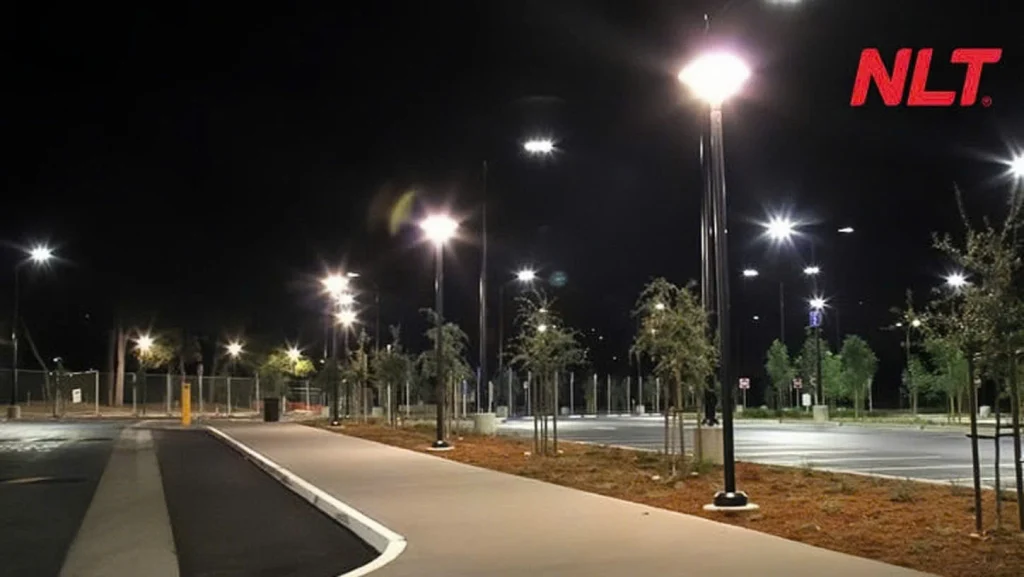
Properly designed landscape and street lighting systems eliminate dark zones, improve wayfinding, reduce accident risks, and enhance urban security. As a result, public spaces can function more effectively at night, supporting daily activities, recreation, and movement for residents and visitors.
A strategic element of smart and sustainable cities
Optimizing lighting systems through smart controls, sensors, and clean energy improves efficiency, reduces power consumption, and minimizes environmental impact. This is a strategic component of smart city transformation, enabling centralized management of both landscape and street lighting, lowering operating costs, and extending system lifespan.
A catalyst for nighttime economy and community activities
Landscape lighting brings vitality to urban spaces at night, making them safer, more accessible, and more attractive to residents and visitors. When lighting is designed effectively, a wide range of social and economic activities can flourish:
- Extended use of public spaces: People are more likely to walk, exercise, and gather in groups during the evening.
- Growth of nighttime commerce and services: Shops, cafés, and kiosks around parks and plazas attract more visitors when the area feels visually appealing and comfortable.
- Support for cultural and event activities: Appropriate and attractive lighting facilitates festivals, performances, street events, and photo activities, enhancing tourism appeal.
- Stronger image and visibility for projects and localities: Visually appealing nighttime spaces often become landmarks and popular destinations, widely shared on social media, contributing to organic and effective promotion.
As a result, landscape lighting plays a vital role in shaping urban nightlife and strengthening community engagement.
Core criteria in landscape lighting design
Aesthetic coherence with the surrounding landscape
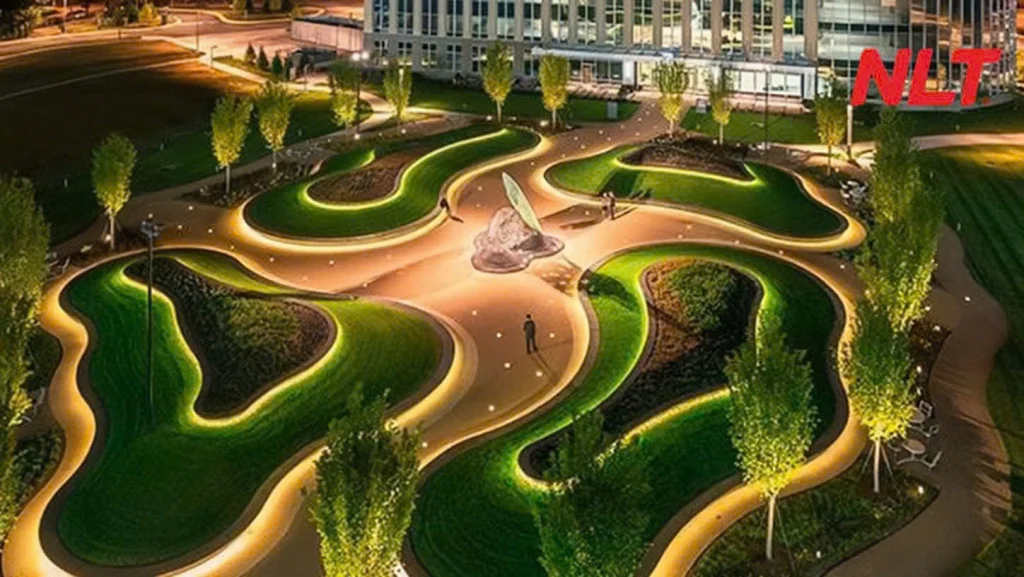
A well designed landscape lighting system must harmonize with overall architecture and surroundings, enhancing natural beauty without causing glare or disrupting spatial composition. Thoughtful lighting placement creates depth, visual focus, and a distinct identity for each project.
Optimizing user experience and spatial emotion
A successful landscape lighting design delivers a comfortable and immersive experience, free from glare or disorientation. More importantly, lighting should clearly communicate the rhythm and purpose of each space:
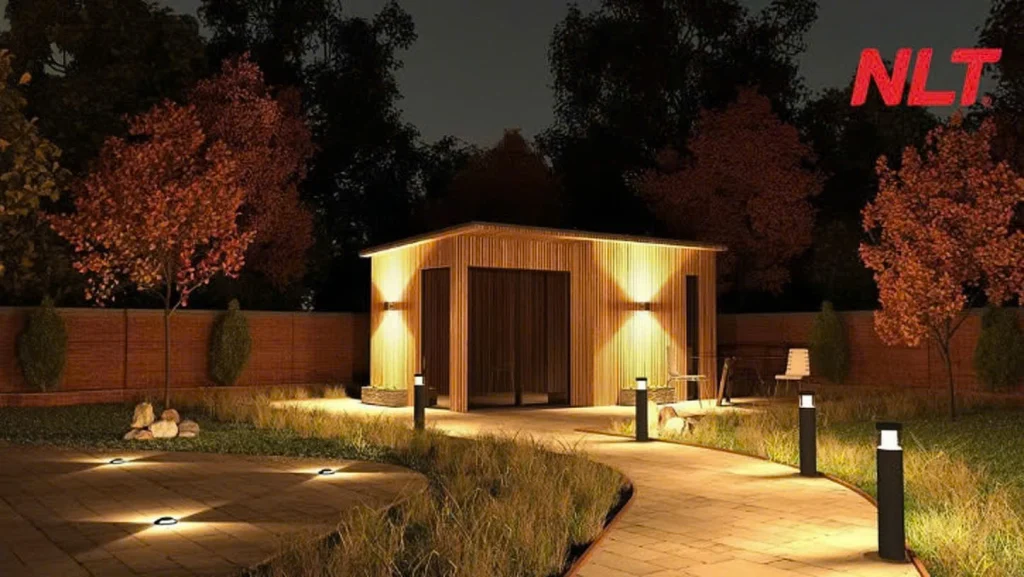
- Walkways and promenades: Clear, moderate lighting that naturally reveals paths and surroundings, providing safety without discomfort.
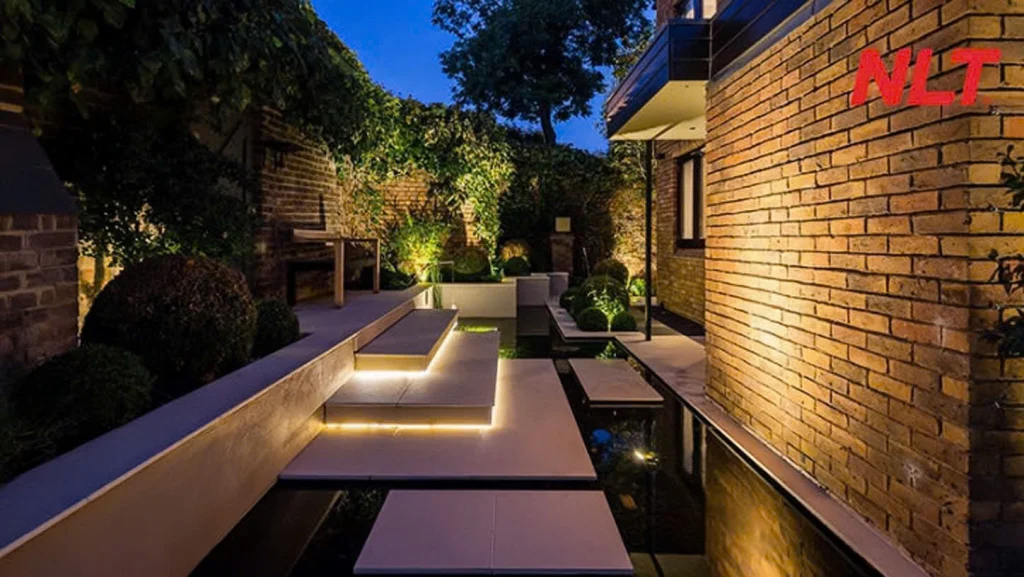
- Relaxation areas such as gardens and water features: Warm, gentle lighting that adds depth to vegetation and water, creating a calm and pleasant atmosphere.
- Community gathering spaces: Flexible, well lit environments that can adapt to different activities, encouraging social interaction.
- Emotional modulation through light: Simple adjustments to color temperature or brightness can shift the atmosphere from calm and intimate to modern or vibrant.
Operational safety, durability, and remote maintenance capability
Outdoor lighting equipment must meet high standards of durability, weather resistance, and long term operational stability. Integrating remote monitoring and control allows operators to track performance, detect faults early, optimize maintenance schedules, and reduce operating costs, especially for large scale projects.
Flexibility in lighting methods and operational scenarios
An effective landscape lighting system should operate flexibly rather than maintaining a fixed brightness level. Flexibility is achieved through both layered lighting design and adaptive operating scenarios:
- Layered lighting by function: Walkways prioritize safety, building facades require accent lighting, greenery and water use soft light for depth, and architectural features receive focused illumination. This layered approach creates clarity and emotional richness.
- Scenario based operation: Brightness and effects can change by time of day or event, brighter in the evening, reduced late at night for energy saving, and dynamic lighting for festivals. This ensures the space always matches its context.
- Energy optimization through smart control: Sensors, dimming, and centralized controllers enable systems to respond to real demand, minimizing waste and extending equipment lifespan. This forms the foundation of smart city landscape lighting.
Controlling glare, light pollution, and environmental impact
A compliant landscape lighting system illuminates only where needed and minimizes impact on the surrounding environment. Appropriate luminous intensity, controlled beam angles, and shielding accessories reduce glare and prevent light from shining into pedestrian eyes or residential windows. Limiting upward light also reduces light pollution and protects nighttime ecosystems.
Optimizing total lifecycle cost
The financial effectiveness of landscape lighting is determined not only by initial investment but by total lifecycle cost. An efficient system minimizes energy consumption, reduces maintenance frequency, and operates reliably over many years. Selecting the right fixture configuration, trusted brands, and a coordinated equipment ecosystem helps prevent failures, extend service life, and significantly reduce costs over a 5 to 10 year operating period.
Where is landscape lighting applied?
Public spaces
Lighting plays a vital role in public areas such as parks, plazas, recreational spaces, pedestrian promenades, and technical and transport infrastructure. Properly designed landscape lighting and street lighting systems support orientation and safety while shaping a modern, friendly, and distinctive urban image at night.
Commercial and service spaces
In resorts, hotels, mixed-use developments, shopping centers, and high-end residential areas, landscape lighting directly contributes to commercial value and service experience. A well-designed lighting system not only enhances overall aesthetics but also strengthens brand appeal, creating a sense of sophistication and professionalism from the “very first impression“. This is especially important in projects with internal traffic axes that require coordinated street lighting. To further enhance service attractiveness, many developments apply artistic lighting to create striking visual effects, elevate user experience, and gain competitive advantage.
Events, festivals, and performance spaces
In events, festivals, and outdoor performances, lighting is not merely a supporting element but a decisive factor in shaping the appeal of the entire space. A properly designed landscape lighting system helps define stage structure, guide audience emotions, and create powerful visual effects that elevate the scale and quality of the event. At the same time, lighting ensures operational safety and demonstrates the professionalism of the organizing unit, particularly for events with large audiences.
Integrated landscape lighting solution packages from NLT Group
A complete ecosystem of specialized lighting fixtures and equipment
NLT Group offers a comprehensive ecosystem of equipment that meets all landscape lighting needs. From LED street lights, LED floodlights, artistic landscape lighting, stage lighting,… đto façade lighting systems and control equipment, all products are manufactured to high standards, ensuring durability, weather resistance, and stable light quality.
This allows NLT Group to maintain strict quality control, ensure consistency across design, construction, and operation, and enhance project reliability.
>> Learn more: The smart lighting fixture and equipment ecosystem of NLT Group
Application of smart lighting technology and clean energy: LED, solar, IoT, AI, and cloud
NLT Group is among the pioneers in integrating Industry 4.0 technologies into lighting systems. Through IoT, AI, GIS, and cloud platforms, lighting systems can be monitored and controlled remotely in real time, optimizing energy use, issuing fault alerts, scheduling operations, and enabling centralized asset management.
At the same time, NLT Group provides clean energy lighting solutions such as solar-powered LED systems to reduce grid load, lower operating costs, and support the development of green and sustainable cities.
Landscape lighting project implementation process at NLT Group
To ensure consistency from concept to operation, NLT Group applies a closed-loop implementation process that enables investors to control quality and minimize risk throughout the project lifecycle:
- Site survey and brief intake: Collect project objectives, scope, user profiles, and aesthetic and technical requirements; conduct site surveys to identify architectural, infrastructure, and regulatory constraints.
- Landscape lighting concept development: Propose design direction, lighting mood boards, zoning strategies, and preliminary selection of fixtures, effects, and lighting layouts aligned with the overall concept.
- Technical design and lighting simulation: Prepare technical drawings, junction boxes, cable routes, and control cabinets; perform lighting simulations for key areas to verify illuminance levels, uniformity, and aesthetic effects.
- Installation, commissioning, and lighting adjustment: Coordinate with construction teams to install equipment according to standards; fine-tune lighting after completion to ensure alignment with concept, technical requirements, and user experience.
- Handover, operation training, and maintenance: Deliver as-built documentation, provide system operation guidance, establish periodic maintenance plans, and support future upgrades or expansions when required.
This process allows investors to work with a single, consistent partner throughout the project, reducing coordination pressure and ensuring long-term lighting quality stability.
Turnkey services: consulting, design, construction, operation, and maintenance
NLT Group goes beyond equipment supply to manage the entire lifecycle of landscape lighting projects. By adopting a single-point responsibility model, NLT Group reduces risks associated with fragmented contracting and ensures consistency from concept to real-world operation. Turnkey services include:
- Strategic consulting and landscape lighting direction aligned with project objectives, budgets, and spatial characteristics.
- Design services from concept to technical documentation, including lighting simulation and optimal configuration selection.
- Equipment supply, installation, testing, and commissioning in accordance with unified technical and aesthetic standards.
- Handover, operation training, scheduled maintenance, and support for seasonal or event-based lighting scenario optimization.
- Long-term partnership for system upgrades, expansions, and performance improvement consulting as projects develop into new phases.
For large-scale developments such as urban areas, industrial zones, resorts, parks, and urban landscape corridors, working with a partner that understands lighting engineering, landscape design, MEP systems, and control technologies offers significant advantages: reduced management workload, ensured progress, and sustained lighting quality over many years.
Benefits of investing in landscape lighting with NLT Group
Increased property value and stronger project branding
Well-executed landscape lighting creates an impressive nighttime identity that enhances recognition and competitive positioning. Beautiful, engaging, and well-defined lighting environments attract residents and visitors while supporting marketing and sales activities. Nighttime imagery often becomes standout content across websites, promotional materials, and brand communications.
Optimized investment, operation, and maintenance costs
NLT Group approaches landscape lighting from a lifecycle cost perspective rather than focusing solely on initial equipment pricing. Selecting the right fixtures, power levels, and control solutions significantly reduces energy consumption. Durable infrastructure and high-quality equipment minimize failures and lower maintenance and replacement costs. Remote monitoring further shortens inspection and fault response times, optimizing operational resources.
Energy savings, reduced emissions, and alignment with sustainability goals
High-efficiency LED solutions, solar-powered lighting, and smart controls deliver substantial energy savings compared to traditional systems. Optimized power usage, demand-based dimming, and reduced unnecessary lighting hours contribute to lower CO₂ emissions. Controlled lighting design also protects the environment by minimizing light spill and ecosystem impact.

Enhanced user satisfaction and stronger community engagement
Properly illuminated landscape spaces feel safer, more welcoming, and more accessible at night. Residents gain additional spaces for walking, exercising, and social interaction, while visitors tend to stay longer and share positive experiences. When lighting brings character and warmth to nighttime spaces, projects become desirable places to live and visit, strengthening community pride and long-term engagement.
NLT Group – A trusted partner for landscape lighting projects
International-standard components, ISO-compliant, long service life
NLT Group’s smart lighting products are manufactured in accordance with international standards, using high-quality components with strong weather resistance and outstanding durability. Many product lines meet strict technical certifications and quality regulations, ensuring stable long-term operation and suitability for large-scale outdoor projects.

Comprehensive solution delivery capability
NLT Group provides end-to-end solutions covering consulting, design, construction, operation, and maintenance. By integrating hardware, software, and advanced technologies into a unified system, we meet complex investor requirements and ensure that landscape lighting systems operate efficiently, maintain visual consistency, and comply fully with technical standards.
Customized solutions tailored to each project’s characteristics
Every project has its own context in terms of planning, architecture, budget, and development roadmap. For this reason, NLT Group adopts a fully tailored approach to landscape lighting design. Lighting concepts are developed specifically for each space to preserve architectural and landscape identity. Equipment configurations are flexibly selected according to operational objectives and budget allocation by phase, allowing focused initial investment with the ability to expand in line with future planning. This level of customization ensures consistent lighting quality, aesthetic value, and long-term scalability.
Optimized investment, operation, and maintenance costs
By applying high-efficiency LED technology, intelligent control systems, and highly durable equipment, NLT Group’s solutions significantly reduce energy consumption, minimize failures, and lower maintenance frequency. Centralized operation via IoT and cloud platforms also enables investors to manage assets more effectively, shorten response times to incidents, and reduce operational labor costs.
Energy efficiency, reduced emissions, and alignment with smart city development
NLT Group designs landscape lighting solutions based on green, clean, and sustainable principles. By combining LED technology, solar energy, and intelligent management algorithms, our systems reduce energy consumption and environmental emissions.
This approach forms a strong foundation for projects to meet smart city development requirements while achieving long-term cost efficiency and environmental friendliness.
Long-term commitment to investors and communities
For landscape lighting projects with operational lifecycles spanning decades, NLT Group considers handover only the starting point. We provide continuous technical support, including periodic inspections, fault handling, and optimization of lighting scenarios by season or event.
As projects enter new development phases, NLT Group is ready to advise on system expansion, upgrades, and integration with other smart city infrastructures. This long-term partnership gives investors peace of mind while ensuring that landscape spaces remain attractive, safe, and responsive to community needs.
>> See more: NLT Group’s advanced smart lighting solutions
Landscape lighting is not merely a matter of illumination; it is the integration of engineering, aesthetics, and long-term operational efficiency. With professional implementation capability, compliance with national and international standards, and lifecycle-oriented operation and maintenance services, NLT Group continues to affirm its reputation as a trusted landscape lighting provider nationwide.
If your organization is seeking a long-term landscape lighting contractor that ensures technical safety and optimizes operational costs, contact NLT Group today for a solution tailored to your project’s specific needs.
Nam Long Technology Investment Group (NLT Group)
- Hotline: 0911 379 581
- Email: kinhdoanh@nlt-group.com
- TIN: 0313339640
- Address: 43T Ho Van Hue Street, Duc Nhuan Ward, Ho Chi Minh City