Tiếng Việt

Intelligent traffic signal systems help cities reduce congestion, optimize traffic flow, and improve safety as traffic volumes become increasingly complex. These systems operate based on sensors, IoT, real-time data, and automated control software. With strong capabilities in AI, IoT, Cloud, and GIS, NLT Group, as an intelligent traffic signal system provider, delivers technically compliant solutions for cities, industrial zones, and key transport corridors.
What is an intelligent traffic signal system?
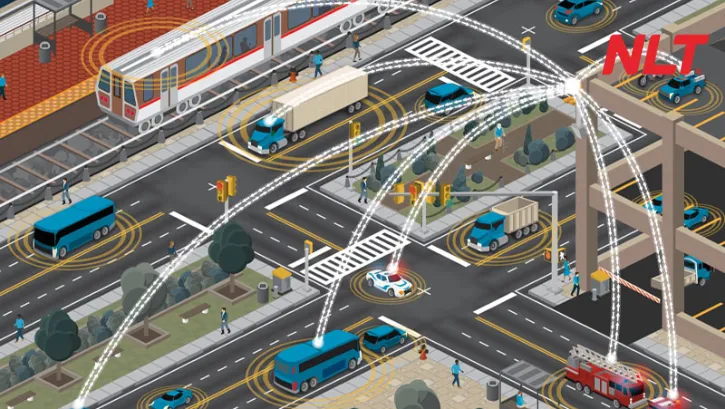
An intelligent traffic signal system is part of the Intelligent Transportation System (ITS). It uses IoT, sensors, and AI to control traffic lights instead of traditional fixed-time cycles. By collecting and analyzing real-time data, the system can automatically adjust signal timing to optimize traffic flow at each moment.
Real-time data collection
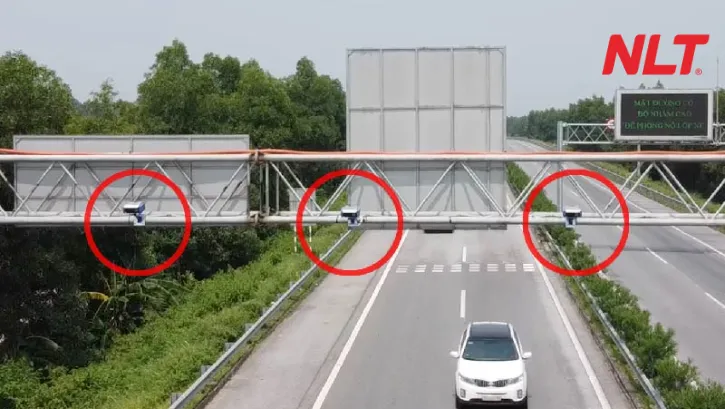
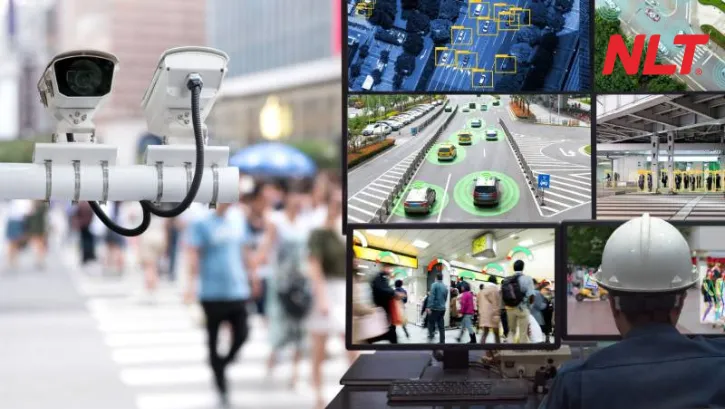
Traffic sensors, AI cameras, and radar are installed at monitoring points to capture traffic volume, speed, and queue length in real time. Data is transmitted to the control center via IoT networks or fiber optics, allowing the system to accurately reflect current traffic conditions and generate suitable control scenarios. This capability is a key foundation for any intelligent traffic signal system provider when designing precise control algorithms for each corridor.
Adaptive control based on traffic demand
The system analyzes real traffic data and automatically optimizes green and red signal durations according to vehicle volume. Directions with heavier traffic are prioritized with longer green phases, while lighter directions have shorter waiting times. This helps reduce congestion and maintain smoother traffic flow.
Centralized monitoring and coordination
All field devices are connected to the Traffic Management Center (TMC), where traffic conditions, system status, and fault alerts are displayed in real time. Operators can adjust control scenarios when needed. Combined with GIS mapping, the system supports trend analysis and more accurate traffic coordination.
The role of intelligent traffic signal systems in modern cities
Reducing congestion and optimizing traffic flow
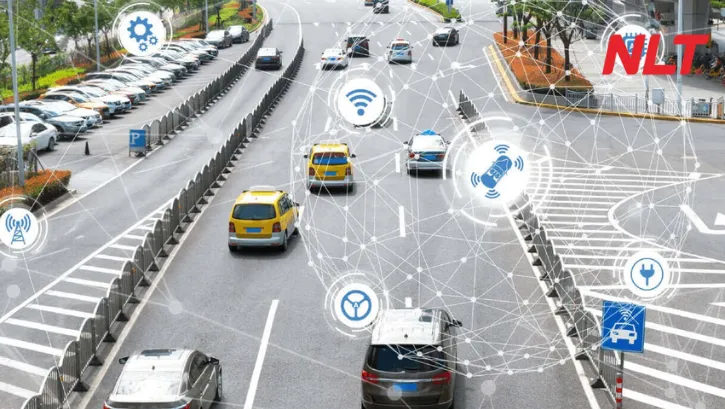
Instead of fixed signal cycles, intelligent systems analyze traffic density in real time and flexibly adjust green and red phases. This approach prioritizes high-demand directions, reduces queue length, and improves overall corridor performance, especially during peak hours.
Improving traffic safety and reducing accidents
Accurate and stable signal control helps minimize conflicts at intersections. AI cameras can detect incidents as soon as they occur, allowing authorities to respond quickly and reduce the risk of secondary accidents. This creates a safer and more manageable traffic environment.
Supporting traffic management and infrastructure planning
Continuous data on traffic volume, speed, and density allows authorities to evaluate traffic conditions by time period. This data becomes a reliable basis for adjusting traffic organization, optimizing traffic flow, and planning future infrastructure investments based on actual usage patterns.

In contrast, traditional fixed-time signal systems cannot respond to real traffic conditions. Congestion easily occurs when traffic volume increases suddenly. Without real-time data, traffic coordination becomes less accurate, faults are harder to detect, and integration with other smart city systems is limited, resulting in inefficient traffic management.
Core technical components of an intelligent traffic signal system
An intelligent traffic signal system can operate effectively only when its technical components are designed and integrated in a consistent and stable manner. This integration is also the foundation that allows experienced providers like NLT Group to ensure reliable operation and future scalability.
Field devices including signal lights and sensors
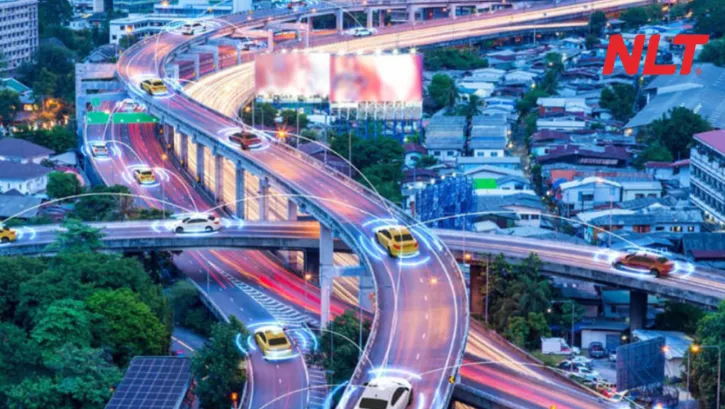
Field equipment includes LED traffic lights, traffic sensors, AI cameras, speed radar, and intersection controllers. These devices collect real-time data on traffic volume, vehicle speed, and flow conditions. Modern LED traffic lights offer long service life, low power consumption, and adjustable brightness, which are essential features in smart traffic systems.
Communication infrastructure and traffic control center
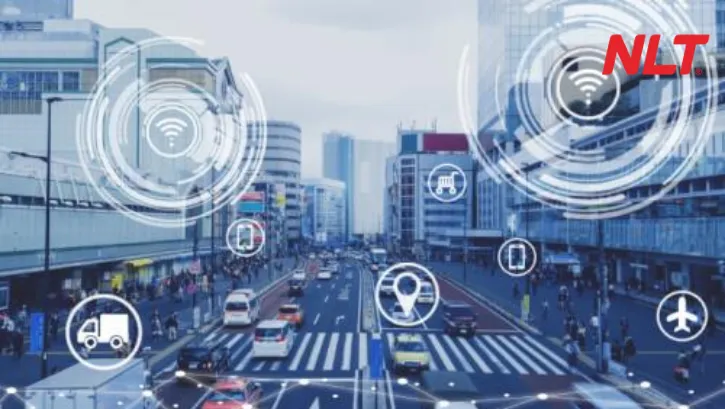
Data from field devices is transmitted to the Traffic Management Center via fiber optics, IoT networks, or 4G and 5G connections. The communication infrastructure must ensure low latency, high stability, and fast data transmission so the system can respond accurately to traffic changes. At the control center, servers, dashboards, and monitoring tools enable real-time supervision, coordination, and incident handling.
Management software, data analytics, and system integration
Software plays the central role in intelligent traffic signal systems. The platform receives data from field devices, analyzes it using AI and optimization algorithms, and generates appropriate control strategies for each time period. Advanced software platforms also support GIS integration, multi-intersection management, and connectivity with other ITS solutions such as smart lighting, electronic signage, and security monitoring systems. This software capability is a critical requirement for any intelligent traffic signal system provider to deliver stable and effective solutions.
Criteria for selecting a reputable smart traffic signal system integrator
For an urban traffic project to operate effectively, choosing the right smart traffic signal system integrator is a decisive factor. A reputable contractor not only ensures equipment quality but must also demonstrate strong technical capability, proven real-world experience, and the ability to support investors over the long term.
Technical capability and hands-on deployment experience
A smart traffic signal system integrator must have engineering teams with solid expertise in ITS, IoT, AI, and applicable traffic signal standards. Practical deployment experience across cities, key corridors, or industrial zones reflects a deep understanding of infrastructure and the ability to handle complex on-site conditions. These factors form the foundation for stable system operation that meets requirements and complies with regulations.
End-to-end solutions from design and hardware to software
A smart traffic signal system performs effectively only when deployed in a fully integrated manner, covering technical design, field devices, control software, and data analytics platforms. Providers capable of delivering a complete solution help optimize costs, shorten deployment timelines, and avoid fragmented or piecemeal systems.
Warranty, maintenance, and long-term operational support
Traffic signal systems require continuous monitoring and periodic maintenance to ensure accuracy and minimize operational risk. A reputable integrator must offer clear warranty terms, fast technical support, and long-term maintenance services. This keeps the system stable, reduces downtime, and lowers future repair costs.
Advisory capability and long-term partnership with investors and authorities
Beyond technical delivery, a smart traffic signal system integrator should be able to advise on optimal solutions for each corridor, area, and traffic model. More importantly, the integrator should work closely with investors and management authorities throughout deployment, operation, and future upgrades to ensure alignment with long-term urban development strategies.

NLT Group – A smart traffic signal system integrator
With comprehensive technical capabilities and experience across many key traffic projects, NLT Group meets all the criteria of a reputable smart traffic signal system integrator. NLT solutions are designed as a unified system spanning field devices, transmission infrastructure, and control software, delivering superior operational performance for modern cities.
Mastery of AI, IoT, GIS, and Cloud technologies
NLT Group independently develops and masters core technologies used in smart traffic signal systems, including AI-based traffic analysis, IoT connectivity for field devices, GIS mapping for intersection status visualization, and Cloud platforms for remote monitoring. This technological ownership ensures stable operation, strong integration, and scalable expansion to meet management needs.
Proven deployment experience
NLT Group has experience in designing, constructing, and integrating traffic signal systems for many high-density roads, intersections, and industrial zones. From upgrading traditional signals to deploying new ITS-compliant systems, NLT consistently adheres to technical standards while optimizing solutions for local conditions.
Standardized deployment process from design to software
NLT Group applies an ISO-based deployment process that includes surveying, design, simulation, construction, integration, testing, and handover. Field devices, control cabinets, software, and IoT platforms are all configured directly by NLT, ensuring high system consistency and easy long-term maintenance.
Warranty, maintenance, and continuous operational support
NLT Group provides regular maintenance programs, monitors device status, and supports fault handling in coordination with operating authorities. Through Cloud-based monitoring, NLT can detect issues remotely and provide timely guidance, ensuring traffic signal systems operate continuously 24/7.
Advisory capability for optimized traffic models
In addition to technical deployment, NLT offers strategic consulting services, including equipment selection, infrastructure expansion planning, and traffic coordination scenarios. Solutions are tailored to real operational needs, avoiding over-investment and ensuring cost-effective outcomes for investors and management agencies.
>> See also: NLT Group’s smart traffic signal systems optimizing modern urban operations
With proven mastery of AI, IoT, Cloud, and GIS technologies and experience across major traffic projects, NLT Group is a trusted smart traffic signal system integrator that meets technical standards for modern cities.
If your authority or organization is seeking an integrated, safe, and long-term optimized smart traffic signal solution, contact NLT Group for detailed consultation.
Nam Long Technology Investment Group (NLT Group)
- Hotline: 0911 379 581
- Email: kinhdoanh@nlt-group.com
- TIN: 0313339640
- Address: 43T Ho Van Hue, Duc Nhuan Ward, Ho Chi Minh City