Tiếng Việt
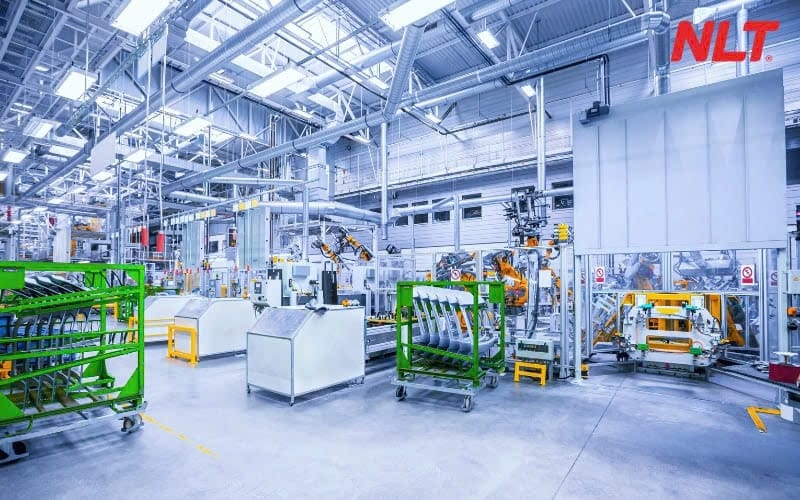
Industrial lighting design plays an important role in improving production efficiency and ensuring occupational safety. A well designed lighting system helps enhance working conditions and minimize the risk of accidents. In this article, NLT Group provides the standards and essential factors in lighting system design.
What is lighting design?
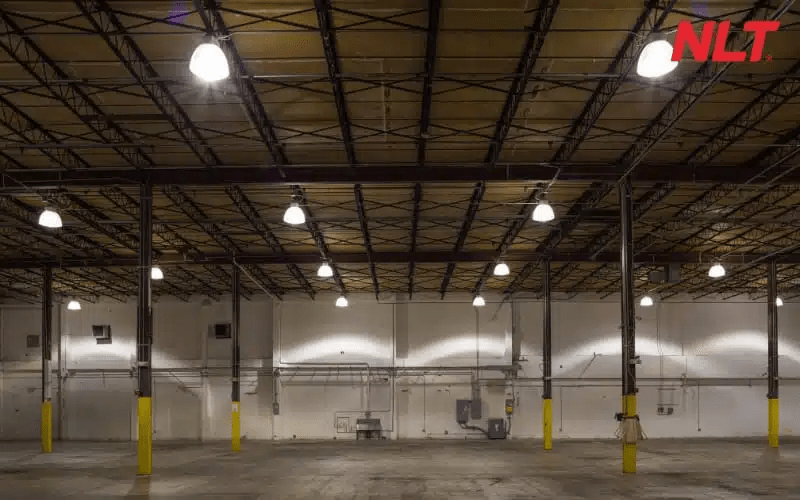
Lighting design is the process of planning, designing, and scientifically calculating the required amount of light to meet the lighting standards of each space. Proper lighting system design helps users improve lighting efficiency, save electricity costs, and enhance quality of life.
Industrial lighting system design standards
Below are the lighting system design standards for industrial factories:
Lighting environment standards
- The industrial lighting system must illuminate all spaces and work positions within the factory.
- The lighting system must ensure anti glare and anti dazzle performance for workers. Continuous work under improper lighting can significantly affect eyesight, leading to reduced productivity and product quality.
- Lighting fixtures must be arranged to avoid shadows caused by workers or machinery.
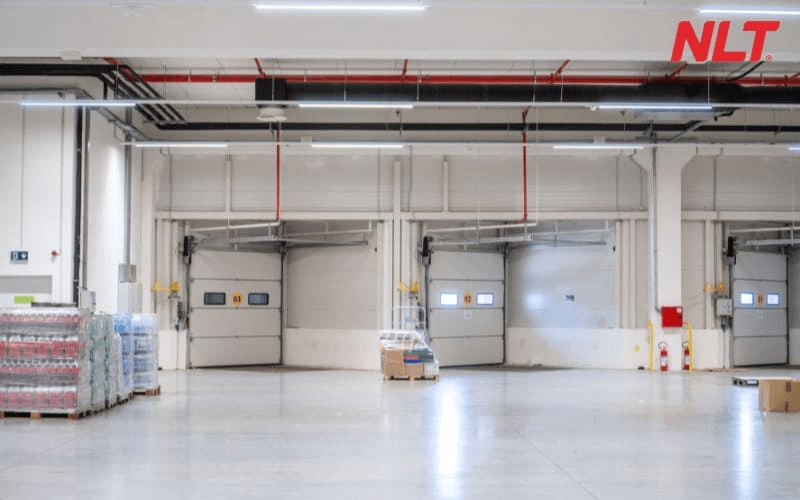
- Color temperature must be appropriate for each working environment and production requirement.
- Lighting systems must not flicker in a way that negatively affects workers’ vision.
- The lighting system should be designed to meet quality standards from the beginning to minimize maintenance and repair. Maintenance activities can disrupt factory production operations. See more: Latest urban street lighting standards 2024
Illuminance standards for factory lighting
Each work position and space requires different illuminance levels. In particular, areas for production and quality inspection require higher illuminance.
Lighting illuminance standards directly affect production quality and product output.
- Product inspection areas require illuminance of ≥ 500 lux.
- Production and working areas should have illuminance of ≥ 300 lux.
- Warehouses and general areas should maintain average illuminance from 100 lux to 200 lux.
Color Rendering Index CRI standards for industrial lighting
One of the important factors in industrial lighting design standards is the color rendering index. This index reflects how accurately colors are rendered under a light source.

- The higher the CRI, the more accurate and natural the color rendering.
- The CRI scale ranges from 1 to 100 Ra.
- Similar to illuminance standards, each area in a factory has different CRI requirements. Critical areas such as production and inspection zones require CRI levels from 80 to 100 Ra.
- Areas without high lighting requirements may have lower CRI levels from 20 to 40 Ra, depending on the installed LED type.
Table of illuminance distribution, glare limits, and CRI standards for factory lighting
Below is a reference table for illuminance, glare limits, and CRI standards for industrial lighting. This helps enterprises determine appropriate lighting distribution in factories.
| Lighting area | Illuminance (lux) | Minimum CRI (Ra) | Glare limit |
|---|---|---|---|
| Warehouse | ≥ 100 | ≥ 60 | 25 |
| Sorting, inspection, and product verification areas | ≥ 500 | ≥ 80 | Low glare required |
| General factory areas | ≥ 200 | ≥ 80 | Not considered |
| Production workshop | ≥ 300 | ≥ 80 | Not considered |
| Auxiliary areas | ≥ 200 | ≥ 80 | 25 |
>> See more: Discover smart lighting solutions
Industrial lighting design process
To meet industrial lighting standards, the design unit must follow these steps:
Step 1: Survey needs, preferences, and usage habits. Determine lighting requirements for each functional area to propose suitable solutions and unify lighting concepts.
Step 2: Perform lighting design calculations. Consider implementation costs including electrical equipment costs, design fees, installation, maintenance, and energy consumption of the lighting system.
Step 3: Apply lighting system design calculation formulas. At this stage, the contractor calculates the number of luminaires and equipment and selects appropriate light sources.
Step 4: Develop the lighting system design drawings. The client reviews, provides feedback, makes adjustments, and finalizes the design.
Common mistakes in industrial lighting design
Below are common mistakes that enterprises often make in industrial lighting design:
- Insufficient brightness, making it difficult for workers to see clearly and reducing productivity.
- Uneven lighting distribution, causing bright and dark areas that affect safety and work quality.
- Selecting inappropriate color temperature, leading to eye strain and reduced concentration.
- Failing to control glare, negatively affecting workers’ vision.
- Not using energy saving equipment and technology, resulting in high energy consumption and operating costs.
- Improper luminaire placement, creating unwanted shadows that obstruct critical areas.
Conclusion
Industrial lighting design plays an essential role in creating a safe and efficient working environment. Therefore, to achieve a high quality lighting system, enterprises should choose a reputable and professional lighting design unit. NLT Group is proud to be a leading industrial lighting design provider with an experienced team of experts. If your enterprise plans to invest in a lighting system, contact us for free consultation.
Nam Long Technology Investment Group (NLT Group)
- Hotline: 0911 379 581
- Email: kinhdoanh@nlt-group.com
- TIN: 0313339640
- Address: 43T Ho Van Hue Street, Duc Nhuan Ward, Ho Chi Minh City