Tiếng Việt
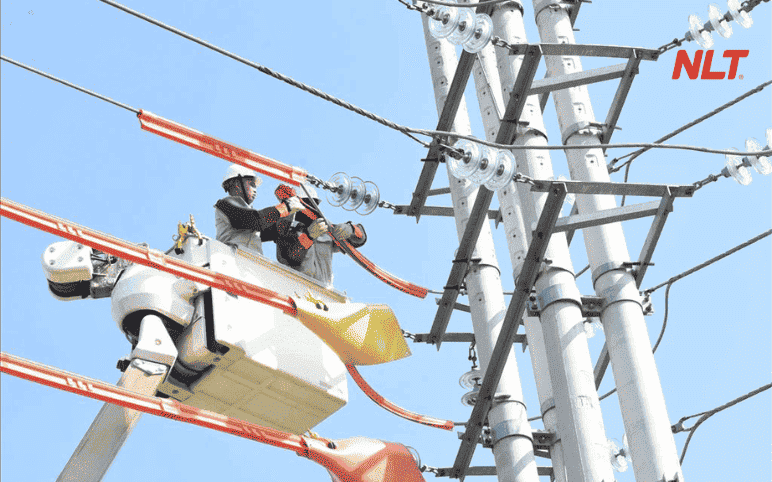
Public lighting systems play a vital role in ensuring safety, improving quality of life and creating attractive public spaces. An effective public lighting system not only enhances visibility for vehicles and pedestrians, but also contributes to crime reduction, energy savings and lower maintenance costs. The operation process of a public lighting system is a key factor in optimizing these elements, delivering maximum efficiency for modern urban areas.
1. What is the operation process of a public lighting system?
The operation process of a public lighting system is a sequence of steps to control, monitor and maintain the operation of outdoor lighting systems in urban areas, cities and public spaces. This process includes activities such as installation, maintenance, performance inspection and energy management of the public lighting system. The objective is to ensure that the public lighting system operates stably, efficiently and in an energy saving manner, while ensuring community safety. Key elements in the operation process include:
- Installation and inspection of the lighting system: Ensure that lighting fixtures are installed accurately and in accordance with technical requirements.
- Periodic maintenance: Inspect and replace damaged lamps, clean lighting fixtures and service the electrical system.
- Smart monitoring and control: Use modern technologies to remotely control and monitor the lighting system.
- Energy optimization: Apply energy saving solutions to reduce operating costs and protect the environment.
2. Steps in the operation process of a public lighting system
To ensure effective performance, a public lighting system requires a clear and scientific operation process. Below are the basic steps in the operation process of a public lighting system:
2.1. Installation of the lighting system
Installation is the first step in the operation process of a public lighting system. Lighting fixtures must be positioned strategically to optimize lighting performance and minimize costs. This process includes:
- Identifying required lighting points based on the lighting map of the area.
- Selecting appropriate types of lighting fixtures such as LED lamps, high pressure sodium lamps or halogen lamps depending on performance and cost requirements.
- Installing lighting fixtures and control and protection systems.
2.2. Inspection of lighting performance
After installation, inspecting lighting performance is essential to ensure proper system operation. This includes:
- Checking the light output from the fixtures to ensure sufficient brightness for public areas.
- Measuring the uniformity of illumination across the required areas.
- Inspecting the electrical system and related components to ensure there are no faults in power supply to the lighting system.
2.3. Maintenance of the lighting system
Maintenance is an indispensable part of the operation process of a public lighting system. Periodic maintenance activities include:
- Inspecting and replacing damaged lamps.
- Cleaning components of the lighting system such as fixtures and electrical parts.
- Inspecting control devices and the electrical system.
- Ensuring that sensors and automatic systems operate correctly.
Periodic maintenance helps extend the lifespan of the lighting system and maintain its operational efficiency.
2.4. Smart monitoring and control
Modern public lighting system operation processes commonly apply smart monitoring and control technologies such as smart urban lighting systems. This includes:
- Remote control system: Enables monitoring and adjustment of lighting fixtures from a central control center.
- Motion sensors: Adjust brightness levels based on movement within the illuminated area.
- Real time adjustment: The system automatically adjusts lighting based on environmental conditions such as weather or time of day.
3. Energy optimization in public lighting systems
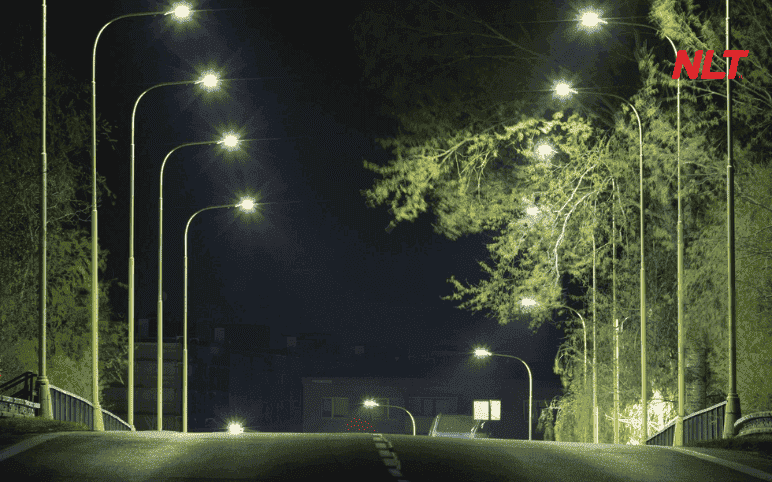
Energy saving is a critical factor in public lighting management. Energy saving measures help reduce operating costs and protect the environment. Some solutions include:
- Using energy efficient LED lamps: LED lamps have a long lifespan, save electricity and reduce CO2 emissions.
- Automatic light sensors: Light sensors ensure that lamps operate only when necessary, minimizing energy consumption.
- Smart lighting control: Adjust brightness based on traffic conditions and weather.
4. Benefits of the operation process of a public lighting system
The operation process of a public lighting system brings many benefits to the community and the environment, including:
- Enhanced safety: A well designed lighting system helps reduce traffic accidents and improve public safety.
- Reduced operating costs: Using energy efficient lighting technology lowers electricity and maintenance expenses.
- Reduced environmental impact: Energy saving lighting solutions help reduce CO2 emissions and protect the environment.
- Improved quality of life: An effective public lighting system creates safer and more comfortable living and working spaces.
5. Conclusion
The operation process of a public lighting system is an essential factor in ensuring efficiency and cost savings for outdoor lighting systems. Ensuring proper system operation, performing periodic maintenance and applying modern technology will deliver long term benefits to the community and the environment. By implementing scientific operation processes and advanced technologies, we can build an efficient, sustainable and energy saving public lighting system that contributes to the development of smart and modern cities.
Frequently asked questions
1. Is the operation process of a public lighting system automated?
Yes, many modern systems are designed to automate the entire on off process and adjust lighting based on environmental sensors or time schedules. This helps reduce human intervention and ensure optimal operational efficiency.
2. How can public lighting systems save energy?
Public lighting systems can save energy through:
- Using energy efficient LED lamps.
- Installing automatic light sensors to adjust brightness in real time.
- Applying smart control systems to reduce electricity consumption during unnecessary time periods.
3. How can the operation process of a public lighting system be optimized?
Optimize the process by:
- Using modern LED technology to enhance lighting efficiency and lamp lifespan.
- Connecting the system via mobile applications or web based software for remote monitoring and control.
- Performing periodic maintenance to ensure stable and sustainable equipment operation.
Contact information
If you need consultation, installation services or maintenance for public lighting systems, please contact:
Nam Long Technology Investment Group (NLT Group)
- Hotline: 0911 379 581
- Email: kinhdoanh@nlt-group.com
- TIN: 0313339640
- Address: 43T Ho Van Hue Street, Duc Nhuan Ward, Ho Chi Minh City