Tiếng Việt
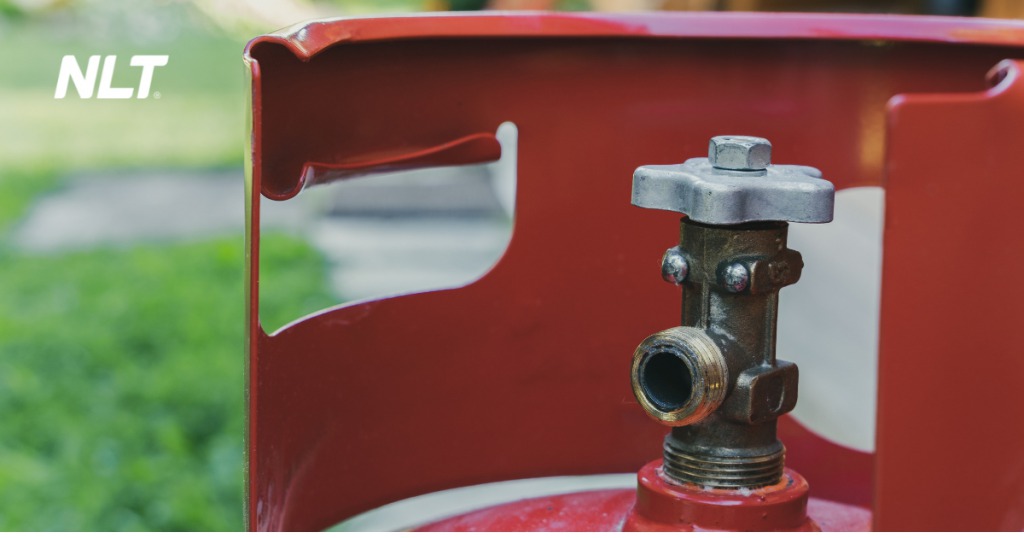
Gas leakage is one of the leading causes of serious fires and explosions, resulting in major property damage and posing a direct threat to human life. Therefore, preventing gas leaks is not only the responsibility of households but also a critical factor for commercial and industrial facilities. To minimize these risks, strict control measures are required throughout installation, usage and maintenance of gas systems. This article provides practical solutions to help you detect early signs of gas leaks, use gas systems safely and respond promptly when incidents occur. Let’s explore these measures to protect yourself, your family and your business from hidden fire and explosion hazards.
Common causes of gas leakage
Gas leakage is among the top contributors to fire and explosion risks, causing severe damage to property and human life. Understanding the most common causes helps both businesses and households apply more effective gas leak prevention measures. Below are three key causes of gas leaks you should be aware of:
Degraded gas pipelines and valves
Gas pipelines and valves play a vital role in transporting and controlling gas flow. Over time, these components can deteriorate, leading to leakage. Metal pipelines in particular are prone to corrosion if not properly maintained, reducing durability and increasing the risk of gas leaks. In addition, improper installation or the use of substandard gas pipes can allow gas to escape uncontrollably.
Using low-quality gas equipment or improper operation
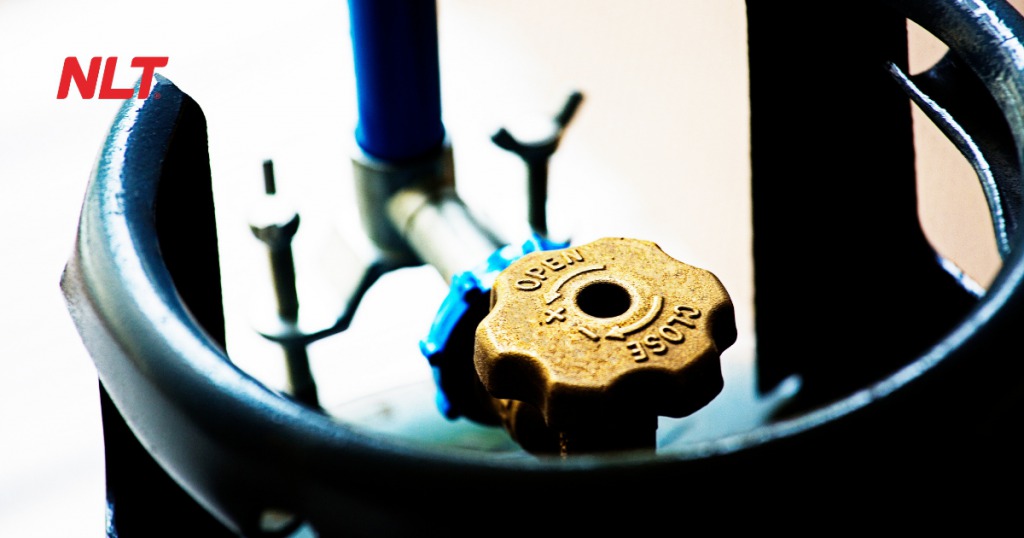
Using poor-quality gas stoves, gas cylinders or related equipment significantly increases the risk of gas leaks. Some products that fail to meet safety standards may leak from the manufacturing stage or become easily damaged during use. Improper operation, such as failing to close the gas valve after use or incorrect installation, is also a common cause of leakage. Users should receive proper guidance, which is a crucial step in effective gas leak prevention.
Environmental and external factors
High temperatures, humidity, strong impacts or natural disasters such as earthquakes and floods can damage gas systems and cause leaks. In industrial environments, poorly protected gas storage areas may be affected by mechanical equipment, leading to pipeline damage and uncontrolled gas leakage.
>> See more: Industrial gas and gas leak monitoring systems – why are they necessary?
Measures to prevent gas leaks and fire hazards
Gas leakage not only causes waste but also poses serious fire and explosion risks. Therefore, applying gas leak prevention measures is essential to ensure safety for households and businesses. Below are effective solutions to reduce gas-related risks.
Regular inspection and maintenance of gas systems
Gas pipelines, cylinders, stoves and related equipment deteriorate over time, increasing the risk of leaks. Without regular inspections, minor issues can escalate into serious safety hazards.
Effective gas leak prevention measures include:
- Periodically checking joints, gas valves and pipelines for signs of wear or cracking.
- Replacing old or damaged components according to manufacturer recommendations.
- Hiring professional technicians to inspect the system at least once every six months to ensure safety.
Installing gas leak detection and alarm systems
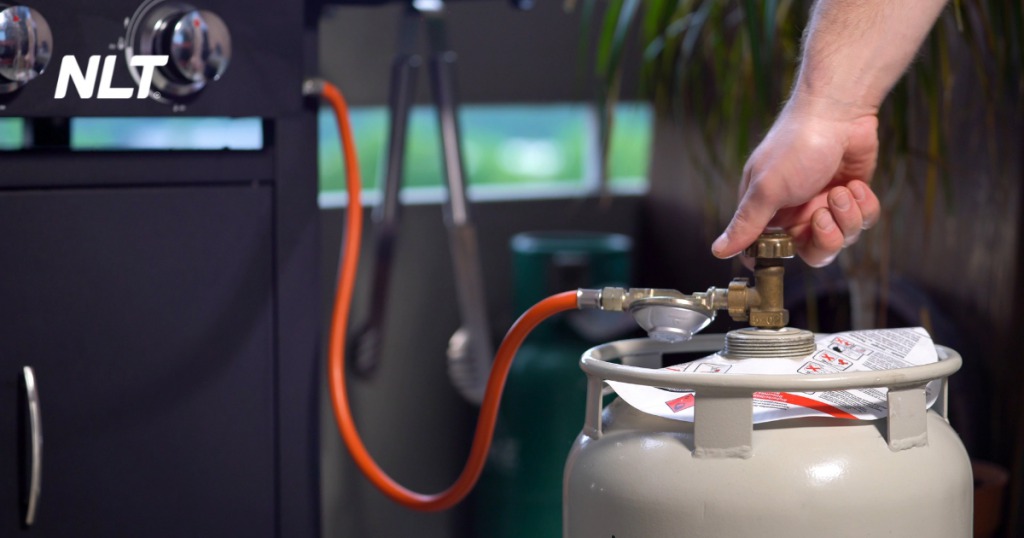
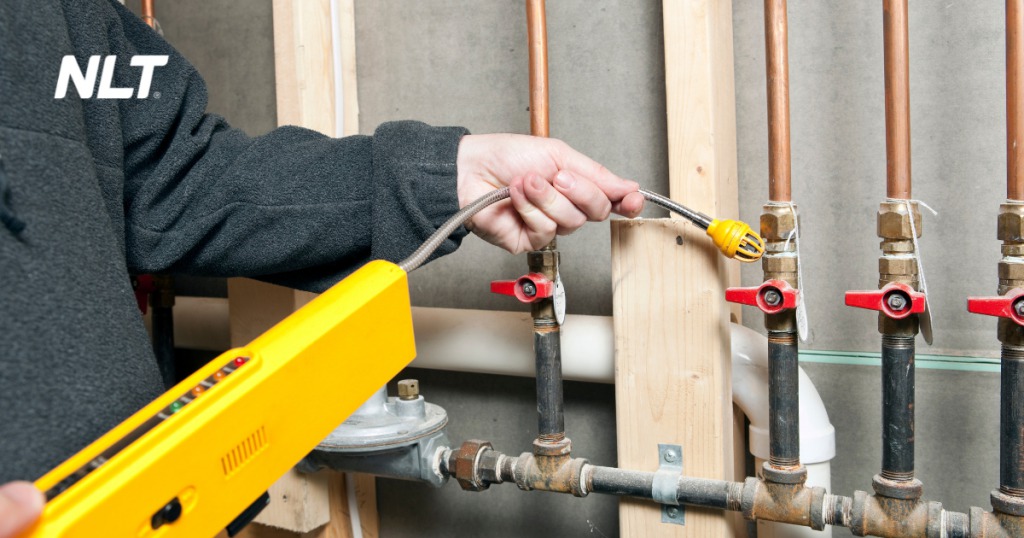
One of the most effective gas leak prevention measures is installing automatic detection and alarm systems. These devices can detect gas leaks even at low concentrations and provide early warnings for timely response.
Effective gas leak prevention measures include:
- Installing gas detectors in high-risk areas such as kitchens, gas storage rooms and filling stations.
- Selecting alarm systems that integrate with safety systems and automatically shut off gas supply when a leak is detected.
- Regularly inspecting and maintaining alarm systems to ensure proper operation.
Ensuring proper ventilation in gas-use areas
Enclosed spaces without adequate airflow increase the risk of gas accumulation during a leak, creating dangerous conditions and reducing combustion efficiency.
Effective gas leak prevention measures include:
- Installing gas stoves and cylinders in well-ventilated areas with windows or exhaust fans.
- Avoiding placement of gas equipment near electrical devices or heat sources that could trigger ignition.
- Ensuring ventilation systems function properly to prevent gas buildup.
Usage guidance and emergency response procedures
Many gas leak incidents occur due to lack of user knowledge on proper usage and response to abnormal situations. Raising awareness and providing training are critical to reducing risks.
Effective gas leak prevention measures include:
- Training staff or household members on safe use of gas stoves and cylinders.
- When gas odor is detected, immediately close the gas valve, open doors and windows for ventilation, and never switch electrical devices on or off.
- Contacting professional technicians to inspect and repair the system before resuming use.
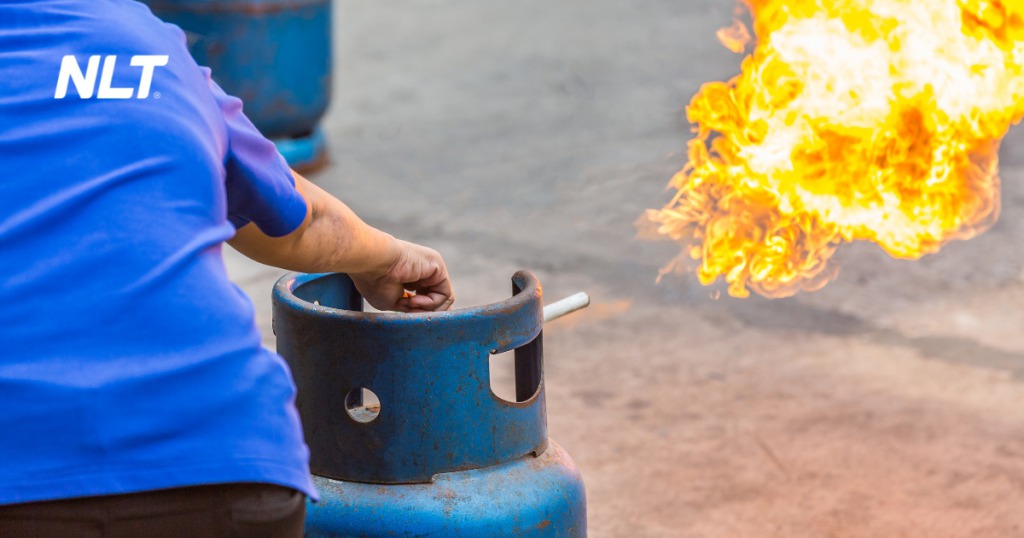
Applying these measures not only helps prevent gas leaks effectively but also ensures maximum safety for users. In the next section, we will explore how to choose a safe and reliable gas supply and installation provider.
How to choose a safe gas supply and installation provider
Choosing a reputable gas supplier and installation contractor is a critical factor in preventing gas leaks and minimizing the risk of fire and explosion. A reliable provider not only supplies quality equipment but also follows standardized installation procedures, helping to reduce the risk of leakage to the lowest possible level.
NLT Group is a leading provider in the field of industrial gas system supply and installation, offering modern solutions for automatic gas leak monitoring and warning. NLT’s Gas Leak Monitoring System 4.0 is equipped with advanced sensors capable of detecting gas concentrations from very low levels and sending timely alerts. In addition, NLT provides periodic maintenance services and inspections of pipelines and gas valves to ensure safety throughout operation.
Conclusion
Preventing gas leaks is a crucial issue to ensure safety for both households and businesses. Clearly understanding the causes of gas leaks, conducting regular inspections, installing early warning systems and selecting a reputable supplier all help minimize the risk of fire and explosion. Modern gas leak monitoring systems, such as the solutions provided by NLT Group, offer comprehensive protection by enabling early detection and timely incident response. Do not wait until an incident occurs to take action. Be proactive today by applying preventive measures to protect people and property.
Contact information
If you are interested in deploying a gas storage and filling station management system or need consultation on gas management solutions, feel free to contact NLT Group.
Nam Long Technology Investment Group (NLT Group)
- Hotline: 0911 379 581
- Email: kinhdoanh@nlt-group.com
- TIN: 0313339640
- Address: 43T Ho Van Hue Street, Duc Nhuan Ward, Ho Chi Minh City
Contact us today for free consultation and experience the most advanced smart gas management solutions from NLT Group!