Tiếng Việt
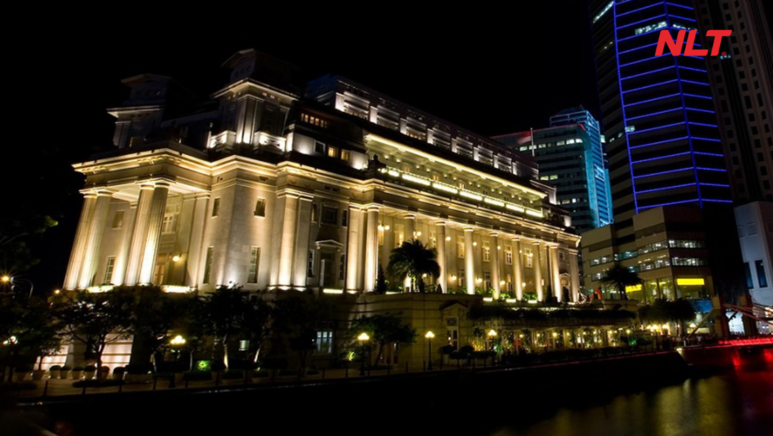
Building facade lighting is a key component of overall architectural design. It helps elevate the building’s image, strengthen project recognition, and create a clear visual focal point in the nighttime urban landscape. For this reason, selecting the right LED luminaires for façades is especially important. When examined in detail, many elements that seem simple at first can have a strong impact on both aesthetic performance and long-term operation.
The value of facade lighting for projects and brands
Benefits of investing in facade lighting systems
A building facade lighting system helps shape the project’s visual identity during operation, making the structure stand out within the urban context. When designed correctly, lighting highlights architectural lines and enhances nighttime visibility and recognition.
Beyond aesthetics, facade lighting also improves safety in surrounding areas, supports communications and events, and increases the real estate value of the project. For commercial buildings, offices, and hotels, a well-planned facade lighting investment reinforces a professional and consistent brand image.
Lighting as a tool to define architectural identity
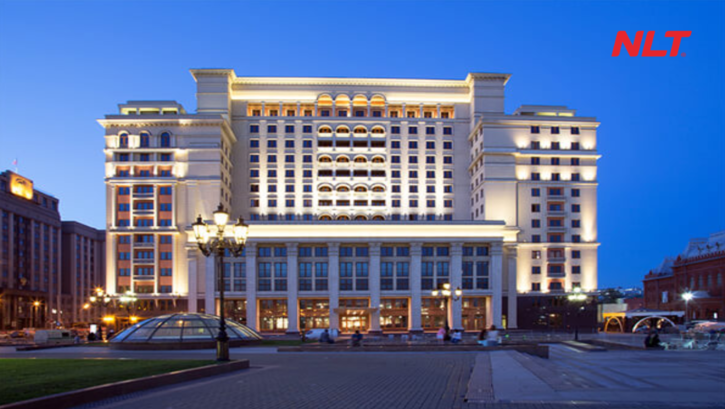
Lighting is an effective medium for interpreting architecture. Properly engineered lighting makes elements such as wall planes, louvers, light grooves, and architectural ribs more legible and visually layered at night.
As a result, the building maintains its design character both during the day and after dark. This is why many developers consider facade lighting a component that should be integrated early in the architectural and engineering design stages.
Impact on customer and partner experience
For hotels, shopping centers, service complexes, and office buildings, facade lighting creates the first impression when visitors approach the property. A coordinated and refined lighting system conveys professionalism from the exterior.
Over time, facade lighting contributes to strengthening brand perception and improving the overall experience. Light becomes a crucial finishing layer that directly influences how the building is perceived in real-world use.
Definition and application scope of building façade lighting
What is building façade lighting?
Building facade lighting is a solution that uses LED luminaires, control systems, and specialized equipment to illuminate the exterior architectural surfaces of a structure. Its main purpose is to highlight form, materials, and design lines, while delivering a visually engaging experience when the building operates at night.
Today, facade lighting has been further enhanced by 4.0 architectural lighting technologies, enabling a wide range of creative lighting effects. These solutions not only emphasize architectural value but also increase the aesthetic appeal and visual presence of buildings within the nighttime urban environment.
Comparison between building facade lighting and landscape lighting
| Criteria | Building facade lighting | Landscape lighting |
| Objective | Emphasize architectural elements such as materials, form, and key features of the building | Illuminate pathways, gardens, and greenery to ensure visibility, ease of movement, and a comfortable nighttime atmosphere |
| Lighting targets | Façades and functional zones of the building | Trees, water features, walkways, and garden areas |
| Aesthetic impact | Enhances depth, architectural identity, and makes the building stand out in the urban context | Creates a harmonious, relaxing environment that feels close to nature |
| Role in the overall scheme | Works together with landscape lighting to build a strong project image | Supports façade lighting and delivers a unified lighting and operational experience |
Applications in urban and commercial buildings
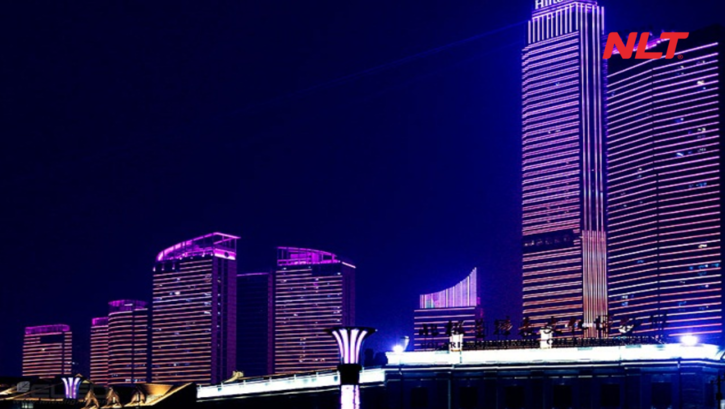
Building façade lighting solutions are widely applied across many types of projects thanks to their ability to enhance nighttime image and visual recognition. Typical project categories include:
- Office buildings and corporate headquarters
- Hotels, resorts, and hospitality complexes
- Shopping malls, retail centers, and entertainment complexes
- High-end residential and apartment buildings
- Urban landmark structures
- Building name signs, brand signage, and promotional elements
Applying the right lighting solution helps buildings maintain a consistent, modern, and easily recognizable image within the overall urban context.
Criteria for selecting LED lights for façade lighting systems
Lighting power and luminous efficiency
The power of LED luminaires for building façade lighting must be calculated based on surface area, building height, and façade materials. High luminous efficiency LEDs provide strong illumination while minimizing energy consumption, helping reduce long-term operating costs.
Color temperature and color rendering index
Color temperature determines the atmosphere and visual perception of the illuminated space. For commercial buildings, color temperatures in the range of 3000K to 4000K are commonly selected to create a refined and welcoming appearance.
For contemporary buildings, especially those using glass and metal materials, color temperatures from 4000K to 6000K deliver crisp, dynamic lighting that highlights architectural character.
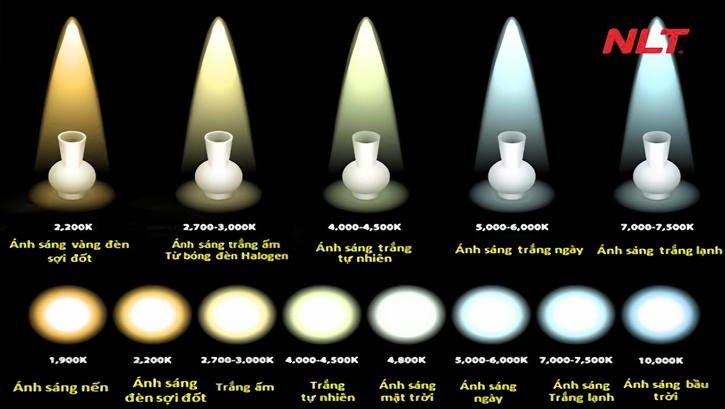
In addition, the color rendering index plays an important role. High CRI LED luminaires allow façade materials to appear accurate in color, enhancing realism and overall aesthetic value.
Dust and water protection standards for outdoor equipment
For outdoor lighting applications, LED luminaires must meet protection ratings from IP65 to IP67. This ensures resistance to dust, water, and harsh weather conditions, allowing stable and durable operation throughout the building’s lifecycle.
>> See more: Essential standards for outdoor lighting design
Beam angle and light distribution based on architectural surfaces
The beam angle of LED luminaires has a significant impact on how light is distributed across façade surfaces. To achieve optimal results, beam angles should be selected to suit the architectural design:
- Wide beam angles are suitable for large surfaces and provide uniform illumination.
- Narrow beam angles create focal points and highlight key architectural details.
In addition, wall washing or linear lighting techniques can be applied to achieve lighting effects aligned with architectural and aesthetic requirements.
Lifespan and long-term operating and maintenance costs
High-quality LED luminaires extend the lifespan of façade lighting systems while minimizing maintenance and replacement costs. They also ensure consistent light output, helping the building façade maintain its visual appeal over time without frequent servicing.
>> See more: How LED technology helps optimize operating costs
LED configurations for different types of building facade lighting
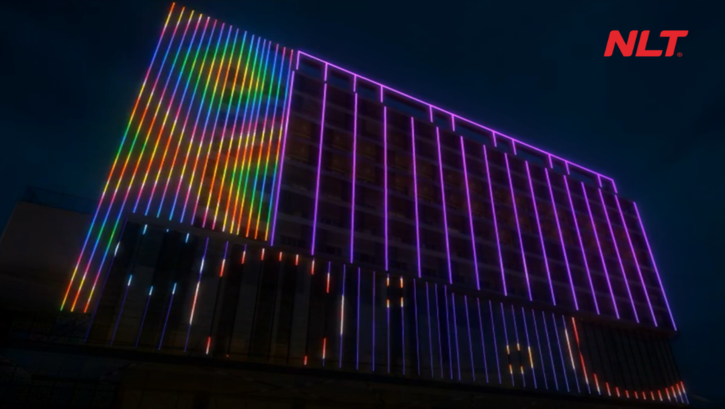
Glass facade lighting using LED luminaires
LED luminaires for glass facades require appropriate power levels and controlled glare to avoid excessive brightness. Light color should harmonize with glass materials to create a refined and contemporary appearance.
Concrete and stone facade lighting
For concrete and stone surfaces, wall washer luminaires distribute light evenly, highlighting material texture while preserving the natural aesthetic of the facade.
Lighting for sun-shading fins and balconies
Sun-shading fins are typically illuminated using linear LED luminaires or surface-mounted aluminum profile lights, creating architectural accents while maintaining smooth and uniform lighting effects.
Logo and building name lighting using LED luminaires
To highlight logos and building name signage, spotlights or focused luminaires are used to deliver sharp, clear illumination without glare or color distortion of brand identity.
Smart control solutions for building facade lighting
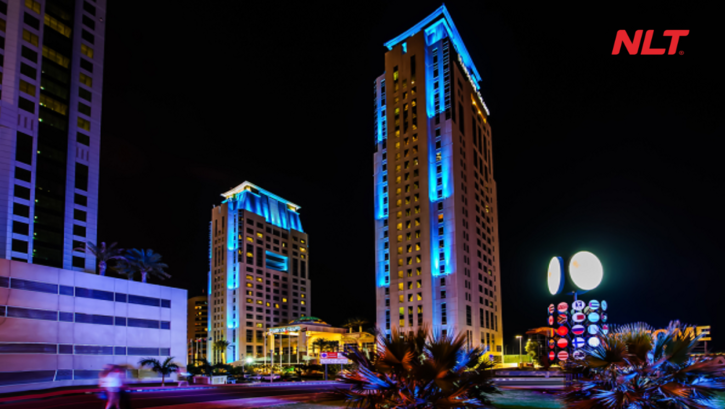
Centralized control for facade lighting systems
Centralized control solutions allow project owners to manage the entire facade lighting system from a single point. With this system, parameters such as on and off schedules, brightness levels, and luminaire grouping can be adjusted easily and efficiently, ensuring stable operation and optimized energy use.
Energy-saving dimming scenarios
The dimming function automatically reduces LED brightness during low-traffic hours, lowering energy consumption while preserving the visual appeal of the building facade. This approach helps optimize operating costs without compromising lighting quality or architectural impact.
Integration with smart building systems
Facade lighting systems can be integrated with smart building platforms, including building management systems, landscape lighting systems, and urban control centers. This connectivity improves overall management efficiency and creates a unified smart ecosystem, enhancing operational performance and energy savings across the entire building.
Common mistakes when selecting LED luminaires for building facades
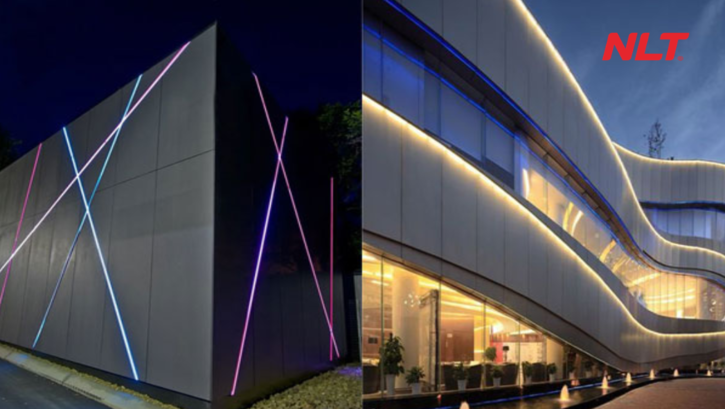
Choosing based on price instead of technical standards
Selecting LED luminaires solely based on low price can lead to problems with lifespan and lighting performance. Low-cost products often deliver uneven light, flickering, and rapid color degradation, reducing both aesthetic value and long-term effectiveness.
Overusing colors and lighting effects
Excessive use of colors and lighting effects in façade lighting can undermine architectural refinement and make the building appear visually chaotic. It also increases operating costs due to unnecessary energy consumption.
Glare and negative impact on surrounding residential areas
Improper control of lighting direction can cause glare and light pollution, affecting nearby residential areas and creating discomfort for road users. Correct lighting design and aiming are essential to maintain urban harmony and minimize environmental impact.
Building façade lighting plays a key role in enhancing aesthetic value and visual recognition within the urban environment. Selecting appropriate LED lighting systems ensures effective illumination, energy efficiency, and long-lasting nighttime appeal.
If you are seeking an optimal façade lighting solution for your project, NLT Group is ready to provide modern, energy-efficient lighting products and services with high aesthetic standards. Contact us today for consultation and implementation of a lighting solution tailored to your project.
Nam Long Technology Investment Group (NLT Group)
- Address: 43T Ho Van Hue, Duc Nhuan Ward, Ho Chi Minh City
- Hotline: 0911 379 581
- Email: kinhdoanh@nlt-group.com
- TIN: 0313339640
Frequently asked questions about building facade lighting
When should facade lighting be included in a project?
This item should be incorporated during the architectural design phase to optimize costs and ensure coordinated cable routing and luminaire placement throughout construction.
Should one LED luminaire type be used for the entire facade or should zones be divided?
For optimal results, luminaires should be grouped based on facade materials, building height, and the level of emphasis required for each area.
How can the initial investment cost for a facade lighting system be estimated?
Cost estimation requires a site survey, assessment of facade materials, building height, and lighting coverage in order to calculate the required quantity and types of luminaires.
What is the typical lifespan of LED luminaires used for facade lighting?
LED luminaires typically have a lifespan of 30,000 to 50,000 hours, depending on LED chip quality and operating conditions.
How often should inspection and maintenance be performed?
To ensure lighting performance and safety, facade lighting systems should be inspected and maintained every 6 to 12 months.