Tiếng Việt
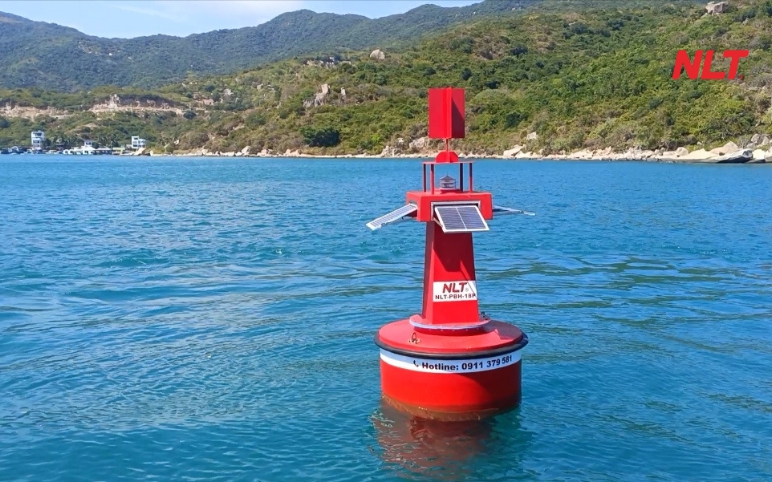
An inland waterway navigation aid system is a set of devices and structures installed to guide vessels to move safely and efficiently along waterway channels. Playing a critical role in seaport operations, this system directly affects port productivity and port operating efficiency. So how, specifically, does an inland waterway navigation aid system impact seaport performance?
What is an inland waterway navigation aid system?
An inland waterway navigation aid system is a set of devices and structures installed to guide vessels to navigate safely and efficiently along waterway channels. This system includes navigation buoys, signal lights, signs, and more, arranged in a scientific manner to help vessels orient themselves, determine position, avoid obstacles, and comply with inland waterway traffic regulations.
The role of navigation aids is extremely important, especially at seaports where vessel traffic density is high and channels are complex. A well-functioning navigation aid system helps minimize accident risks, optimize traffic flow, shorten berthing time, and ensure seaport performance.
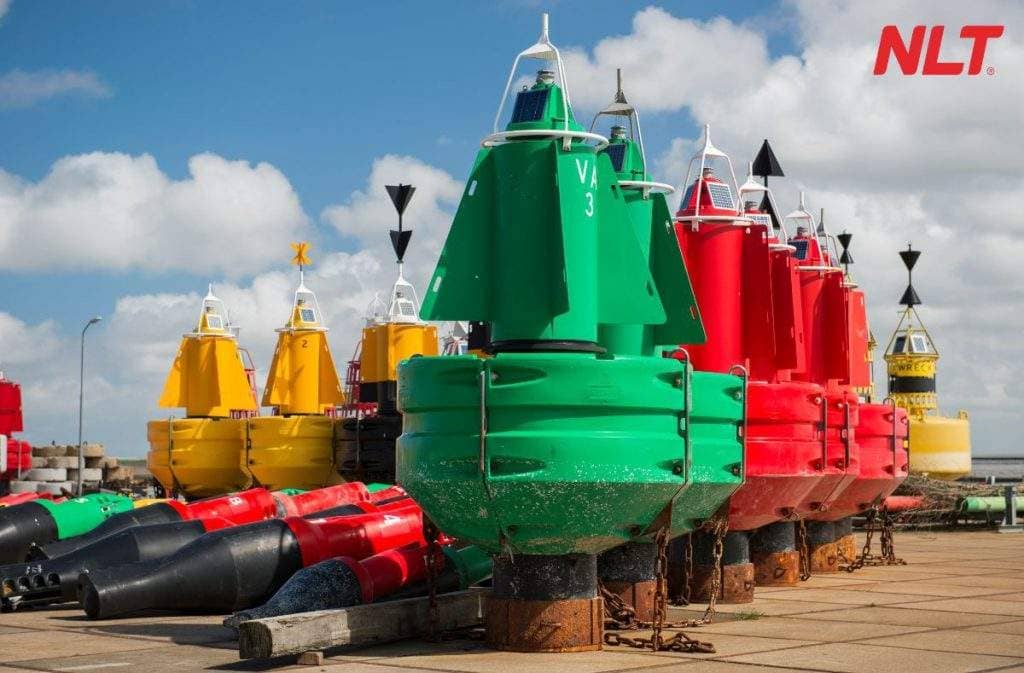
>> See more: Common types of marine navigation buoys today
Impacts of inland waterway navigation aids on seaport performance
Inland waterway navigation aids are not merely buoys or signal lights, but the “nervous system” of waterborne traffic, especially at seaports. The impact of this system on seaport performance is significant and multi-dimensional.
Ensuring maritime safety
An accurate and clear navigation aid system helps vessels orient themselves, determine position, avoid obstacles, and comply with inland waterway traffic regulations.
- This is especially important at seaports where vessel traffic density is high and channels are complex.
- A strong navigation aid system reduces the risk of collisions and groundings, ensuring safety for vessels, cargo, and people.
Optimizing seaport traffic flow
- Effective navigation aids help vessels move quickly and smoothly, reducing waiting time.
- By providing information on channels, water depth, and traffic conditions, the navigation aid system enables vessels to choose optimal routes and avoid congested areas.
- This helps shorten transit time and reduce fuel costs.
Improving seaport productivity
- Modern, intelligent navigation aid systems allow seaports to accommodate more vessels within the same time frame.
- With effective traffic coordination, navigation aids help reduce waiting time at channel markers, accelerate berthing and departure processes.
- This increases seaport handling capacity and meets growing transportation demand.
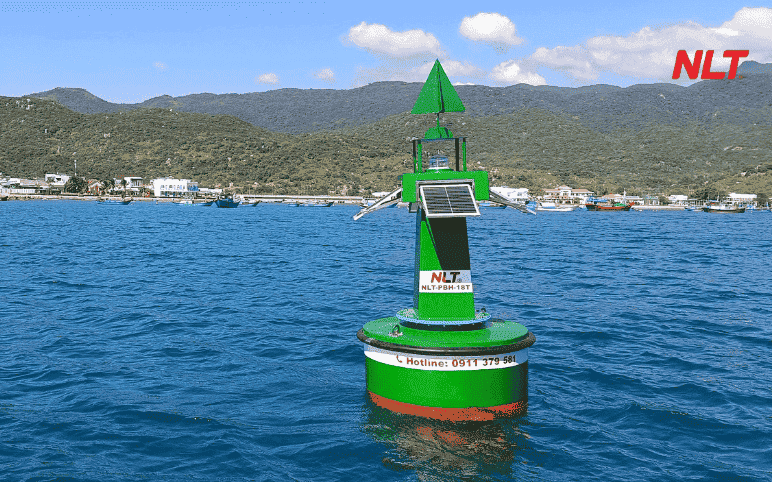
Current status of inland waterway navigation aids at Vietnamese seaports
In Vietnam, inland waterway navigation aid systems have been deployed across many inland waterways and seaports. However, several limitations remain:
- Lack of standardization: Some areas do not have complete navigation aid systems, or devices are inconsistent, making it difficult for vessels to recognize and comply.
- Outdated technology: Many navigation aids use older technologies, lacking automation and remote monitoring capabilities, resulting in lower operational effectiveness.
- Poor maintenance: Maintenance, inspection, and replacement are not carried out regularly, leading to damaged devices or inaccurate operation of navigation aids.
- Shortage of specialized personnel: Management and operating teams lack experience and in-depth expertise, affecting overall system management and operation.
These limitations negatively affect safety and operational performance at seaports, causing issues such as accidents, congestion, and reduced productivity.
Impacts of outdated navigation aid systems on seaport performance
Inland waterway navigation aid systems play an important role in guiding vessels, controlling traffic flow, and ensuring maritime safety. However, if the system is outdated, not regularly maintained, or no longer meets practical needs, it can cause negative impacts on seaport performance.
Increased risk of accidents and inland waterway traffic incidents
When navigation aids do not operate accurately or are damaged, vessels face significant difficulties in determining their route, especially at night or in adverse weather conditions. This can lead to incidents such as:
- Collisions between vessels due to the lack of clear guidance on channels or anchorage areas.
- Groundings when navigation buoys are missing or incorrectly positioned, disrupting maritime operations.
- Vessel sinking or oil spills caused by striking obstacles that are not marked within the navigation aid system.
These incidents not only cause property damage but can also seriously affect the marine environment and ecosystems.
Reduced seaport productivity and slower supply chains
Poor-quality navigation aid systems can lead to congestion at seaports, disrupting vessel schedules and extending cargo handling times. As a result:
- Longer anchorage times increase operating costs for shipping companies.
- Supply chains are affected, causing delayed deliveries to customers and reducing business efficiency.
- Reduced capacity to receive new vessels, as the port cannot handle inbound and outbound traffic smoothly.
Damage to seaport reputation
A seaport with an outdated navigation aid system may be rated poorly in terms of safety and performance, affecting its ability to attract customers, shipping operators, and investors. Shipping lines may choose other ports with more modern navigation aid systems, leading to economic decline and reduced competitiveness within the industry.
Solutions to upgrade navigation aids to optimize port performance
To improve seaport performance, upgrading inland waterway navigation aid systems is essential. Solutions include:
- Investing in modern equipment: Replacing outdated devices with modern, accurate equipment that can operate effectively in all weather conditions.
- Building an integrated management system: Establishing a unified information management system that connects navigation aid devices, enabling more effective waterway traffic management and operations.
- Training human resources: Training skilled officers and technicians with strong expertise to operate and maintain modern navigation aid systems.
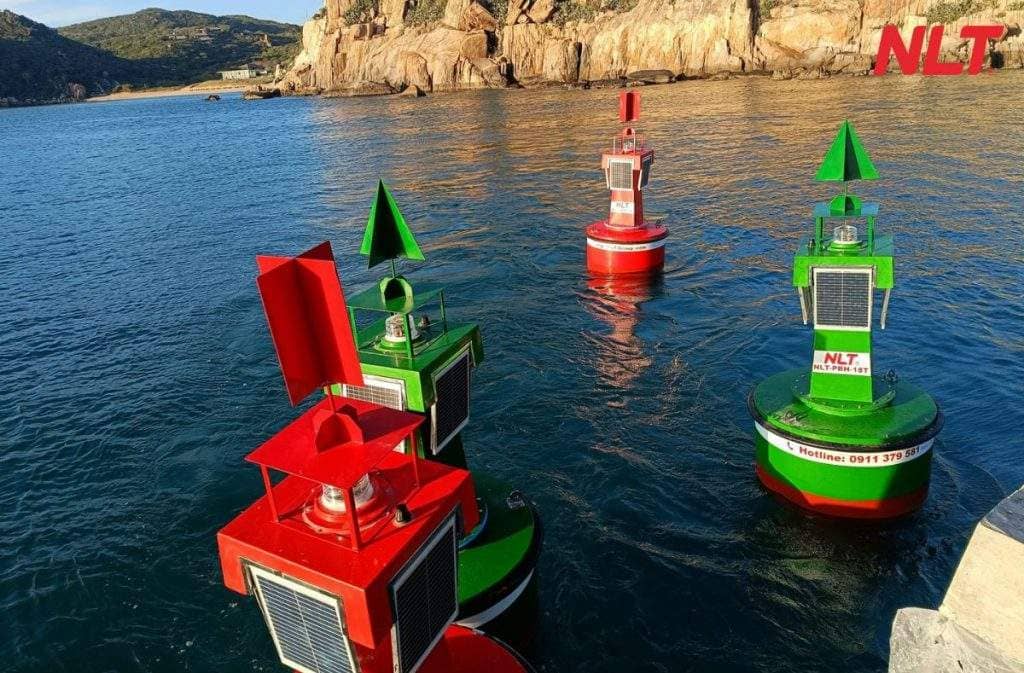
- Using smart inland waterway navigation buoys: This is currently the most optimal solution, enabling clearer positioning and channeling while allowing remote inspection and monitoring.
Conclusion
Inland waterway navigation aid systems play a critical role in improving seaport performance. Upgrading navigation aids is an effective solution to address congestion and support economic growth. Enterprises and management authorities should prioritize investment in upgrading inland waterway navigation aid systems to ensure safe and efficient waterway traffic and enhance seaport performance.
Would you like to learn more about inland waterway traffic solutions and navigation aid technology? Contact us now for detailed consultation.
Contact information
If you are interested in deploying inland waterway navigation buoys or need consultation on smart traffic solutions, do not hesitate to contact NLT Group.
Nam Long Technology Investment Group (NLT Group)
- Hotline: 0911 379 581
- Email: kinhdoanh@nlt-group.com
- TIN: 0313339640
- Address: 43T Ho Van Hue Street, Duc Nhuan Ward, Ho Chi Minh City
Contact us now for free consultation and experience the most modern and advanced smart navigation buoy systems from NLT Group!
>> You may also be interested in
- Learn about standards for inland waterway navigation buoys
- Price quotation for quality marine navigation buoys from NLT Group
- Main functions of inland waterway navigation buoys