Tiếng Việt
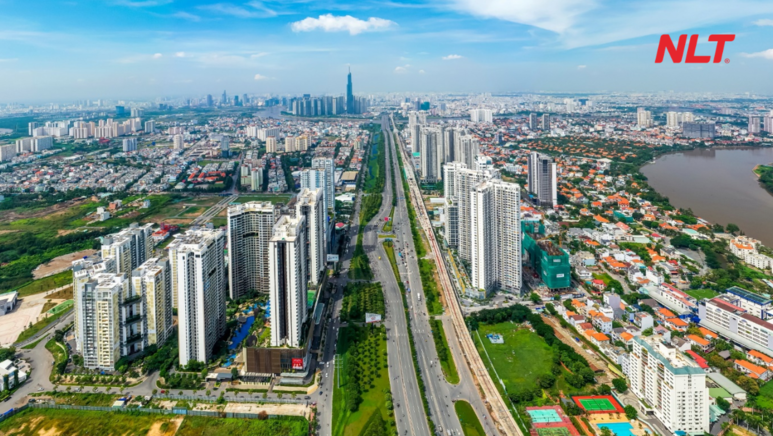
Technical infrastructure is always the “backbone” that determines the operational efficiency of an urban area, directly affecting structural durability, residents’ quality of life, and long term asset value. With experience delivering many large scale projects, NLT Group provides integrated technical infrastructure construction solutions that are compliant, cost optimized, and aligned with the high expectations of investors.
Technical infrastructure – The operational foundation of urban developments
Underground and aboveground infrastructure construction for long term stability
NLT Group delivers synchronized technical infrastructure construction for urban developments, covering power supply, water supply, telecommunications, lighting, transportation, drainage, and landscaping. Our solutions are designed to:
- Enhance structural durability and ensure stable long term operation.
- Minimize risks of settlement, water infiltration, and overload through standardized construction processes.
- Synchronize pipelines, cable routes, manholes, and technical cabinets for easier management and maintenance.
Guided by the principles of safety, sustainability, and operational efficiency, NLT Group consistently maintains high standards across all executed work items.
In addition to technical infrastructure, NLT Group also undertakes large scale civil construction projects, ensuring full consistency between buildings and the surrounding infrastructure system.
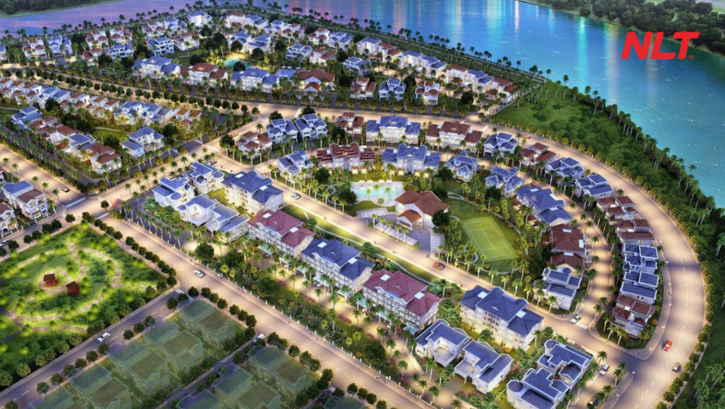
Standards and new requirements in technical infrastructure construction for urban developments
To meet the increasing demands of modern urban areas, NLT Group applies the latest regulations and standards to ensure sustainable operation, smart infrastructure readiness, and cost efficiency:
- QCVN 07:2023/BXD– National technical regulation on technical infrastructure works: This defines requirements for utility routing, burial depth, spacing between underground and aboveground systems, connection standards, and operational safety.
- QCVN 01:2021/BXD– Construction planning: This sets requirements for infrastructure density, boundaries, and technical space organization within urban areas.
- QCVN 06:2022/BXD– Fire safety for buildings and structures: This governs fire protection systems, technical corridors, and fire safety clearances.
- QCVN 09:2017/BXD– Energy efficiency for buildings: This applies to lighting design, power supply systems, and energy saving materials.
- TCVN 4513:1988– Water supply systems: This standard covers the design of internal water supply systems for residential buildings, public facilities, industrial plants, and auxiliary structures, including new construction and renovation.
- TCVN 7957:2008– Drainage systems: This standard applies to the design, renovation, and expansion of external drainage networks and structures.
- TCVN 9207:2012– Artificial lighting for buildings and outdoor areas: This regulates the design of electrical routing for residential and public buildings, using AC and DC power up to 1000V.
- TCVN 3890:2009– Firefighting equipment and layout for buildings: This applies to facilities with special fire protection requirements such as industrial plants, chemical storage, explosive materials, large fuel depots, tunnels, mining works, and underground facilities.
Beyond regulations and standards, modern urban developments also impose new requirements:
- Smart city readiness: Infrastructure must support IoT integration for drainage monitoring, flood alerts, and environmental tracking. Lighting systems and technical cabinets must enable centralized remote operation and monitoring across the entire area.
- Energy optimization and sustainable development: Designs prioritize durable materials, high efficiency LED lighting, and rainwater harvesting and reuse for landscaping, reducing environmental impact.
Compliance with these standards and emerging requirements ensures high project quality, efficient operation, and enhanced long term value for investors.
Lighting systems within technical infrastructure construction
Lighting design tailored to each road and functional zone
In technical infrastructure projects, NLT Group places strong emphasis on street lighting to ensure traffic safety, visual harmony, and energy efficiency. Our engineers perform detailed calculations of illuminance levels, lamp power, pole spacing, and lighting angles for each area such as internal roads, plazas, parks, and parking areas. This approach ensures uniform lighting, minimizes dark spots, optimizes energy consumption, and improves visibility and safety.
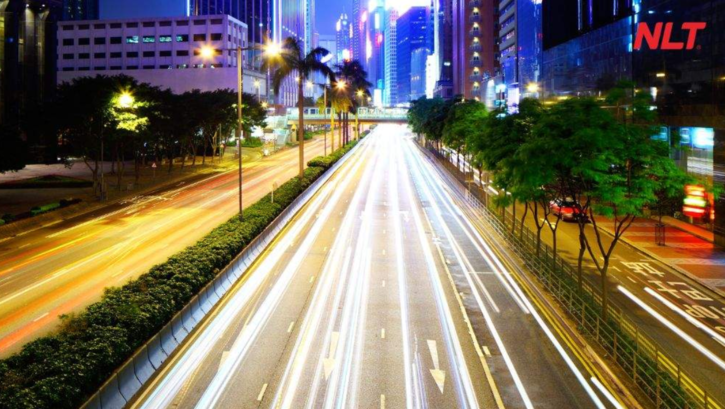
Selection of equipment and materials meeting technical standards
To ensure construction quality and stable operation, NLT Group selects lighting equipment in strict accordance with technical requirements specific to each urban infrastructure project:
- High efficiency LED luminaires with good color rendering (CRI 70 to 80), low power consumption, and long term light quality stability.
- Hot dip galvanized steel poles resistant to corrosion in urban environments, offering extended service life.
- Drivers, power supplies, and smart control systems supporting power adjustment, scheduling, equipment status management, and remote monitoring integration.
All luminaires and components are certified for quality, meet IP and IK protection standards against dust and water, and offer lifetimes exceeding 50,000 hours, reducing maintenance frequency and operating costs.
>> See more: LED technology helps standardize the quality of urban infrastructure lighting
Cable routing and control cabinet installation in accordance with planning
During technical infrastructure construction, underground power cables, lighting control cabinets, and protective conduits are installed strictly in line with approved designs and electrical safety standards:
- Underground cables are buried at proper depths with full mechanical protection to prevent damage and preserve urban aesthetics.
- Centralized lighting control cabinets integrate remote management functions, automated scheduling, off peak power reduction, sensor connectivity, and synchronization with the overall area control system.
- Conduits, junction boxes, and grounding systems are installed to standard, minimizing electrical leakage risks and enhancing system durability.
Construction activities are closely supervised by NLT Group’s QA and QC teams, ensuring every component meets technical requirements and contributes to a synchronized, safe, and durable lighting system within the overall technical infrastructure.
Water supply and drainage systems in urban technical infrastructure construction
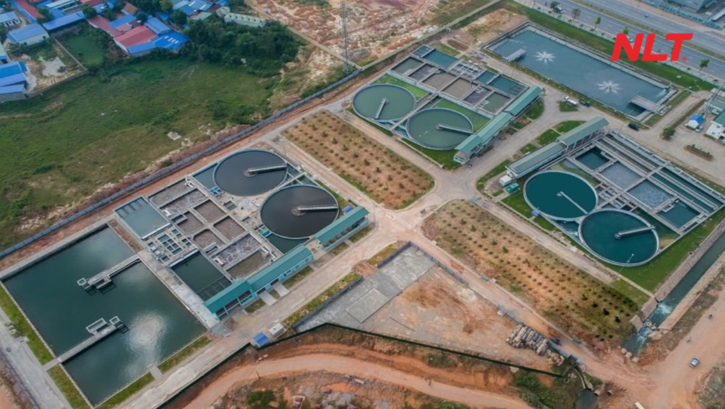
Water supply and drainage construction in accordance with standards
Within technical infrastructure construction, NLT Group implements water supply and drainage works in full compliance with Vietnamese standards and urban infrastructure regulations:
- HDPE and PPR water supply pipes: installed in accordance with TCVN 7305-1: 2008 and TCVN 10097-3:2013 ensuring high pressure resistance, chemical durability, leak prevention, and long service life suitable for regulatory acceptance.
- Wastewater and stormwater pipelines: designed in compliance with TCVN 7957:2008 and QCVN 07:2023/BXD ensuring correct diameter, slope, technical spacing, and effective drainage capacity during heavy rainfall.
- Manholes for collection, separation and conveyance: constructed using standardized components in line with TCVN 9113:2012 and technical guidelines for drainage works, ensuring stable flow, reduced sedimentation, and ease of maintenance.
Construction processes are strictly inspected at each stage including pressure testing, leak testing, slope verification, and connection checks. This ensures systems are leak free, blockage free, and resistant to intrusion, providing continuous water supply and minimizing operational disruptions.
Stormwater drainage solutions to minimize flooding
Based on extensive experience in technical infrastructure projects, NLT Group deploys stormwater control systems with rapid drainage and effective flow regulation:
- Optimized site grading based on local topography and natural drainage directions, ensuring fast runoff toward main channels.
- Combined open and closed drainage channels to enhance collection capacity and reduce water accumulation within residential zones.
- Retention ponds that store and regulate excess water during heavy rainfall, reducing pressure on main drainage systems.
- Backup pumping stations ready to operate during high water levels or prolonged rainfall.
Through comprehensive drainage planning, urban developments significantly reduce flood risks even under extreme weather conditions.
Water system maintenance for stable long term operation
After handover, NLT Group continues to support investors during the operational phase through scheduled maintenance services:
- Leak inspection and remediation along pipeline routes.
- Cleaning and dredging of manholes and collection channels to maintain optimal drainage capacity.
- Pressure and flow measurements for supply pipelines and associated fittings.
- Pipeline flushing to remove sediment and ensure smooth water flow.
Coordinated maintenance ensures long term system stability, minimizes risks of blockage or pipe failure, optimizes operating costs, and extends the service life of water supply and drainage infrastructure.
Construction of internal traffic infrastructure in urban developments
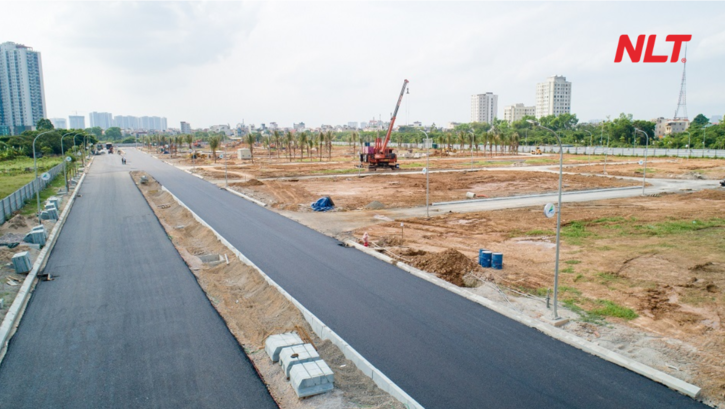
Construction of internal roads and intersections in compliance with standards
In projects involving internal traffic infrastructure construction, NLT Group strictly complies with relevant Vietnamese standards and urban regulations such as TCVN 8857:2011 on road subgrade, TCVN 8819:2011 on hot mix asphalt pavement, and QCVN 07:2023/BXD on urban technical infrastructure. All road sections are implemented through a closed technical process:
- Subgrade treatment and foundation reinforcement using K98 compaction to ensure stability under vehicular loads.
- Construction of crushed stone base layers with standard thickness and aggregate size, with in situ density testing to ensure proper load distribution.
- Hot mix asphalt layers are laid using specialized equipment, with strict control of temperature, surface texture, smoothness, and bonding to enhance pavement durability.
- Internal intersections are designed with appropriate curve radii to ensure visibility and safe traffic flow at conflict points.
- Traffic signs, medians, speed humps, guardrails, and road markings are installed in accordance with QCVN 41:2019/BGTVT, ensuring consistent identification and operational safety.
Thanks to standardized construction procedures, internal roads minimize surface cracking and wheel rutting while maintaining stable performance throughout the project lifecycle.
Parking layout within urban technical infrastructure construction
Parking areas are an essential component of internal traffic infrastructure. NLT Group designs and constructs parking systems based on actual demand and spatial planning of each zone:
- Parking capacity is calculated according to resident density, vehicle types, and peak hour usage.
- Parking spaces for cars and motorcycles are laid out in compliance with dimensional standards, ensuring turning radii and unobstructed circulation.
- Clear entry and exit points are organized to reduce traffic conflicts on main routes.
- Fire safety clearances, emergency exits, and technical corridors are fully complied with.
- Pavement materials and subbase are selected based on vehicle loads, with integrated drainage to prevent water ponding during rain.
Well planned parking areas reduce informal parking, minimize traffic conflicts, and create a neat and open internal environment.
Traffic organization to reduce congestion
To optimize circulation and ensure safety, NLT Group implements traffic organization solutions based on traffic flow analysis and internal road structure:
- One way traffic schemes are applied in high density areas to reduce intersection conflicts.
- Dedicated lanes for motor vehicles, motorcycles, bicycles, and pedestrians are separated to lower accident risk and improve visibility.
- Intelligent signage, directional signs, and warning lights are installed to support navigation and early alerts for residents.
- Pedestrian walkways, sidewalks, and landscaping are planned harmoniously to ensure pedestrian safety even during peak hours.
With an integrated approach to internal traffic infrastructure construction, internal road systems operate smoothly, reduce congestion, minimize conflicts, and provide residents with a convenient, safe, and well organized living environment.
>> See also: Smart traffic signal solutions for urban areas by NLT Group
Landscape and green space construction for urban developments
Construction of urban and residential landscapes
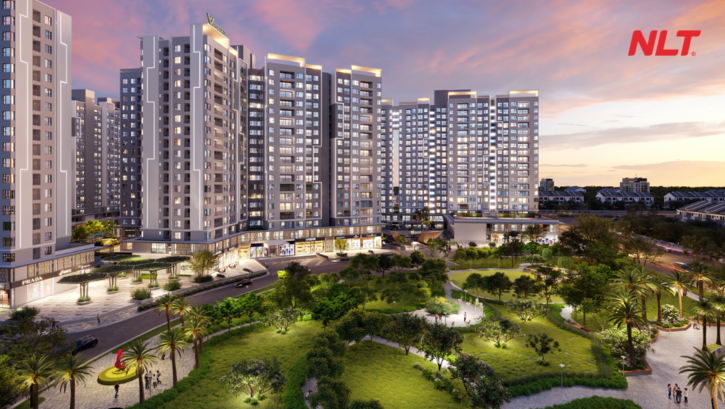
When implementing technical infrastructure for urban developments, NLT Group delivers full scope landscape design and construction to complete green spaces that operate stably and meet modern urban standards. Each item is executed following a clear technical process:
- Street trees are selected for each road based on appropriate height, canopy width, and deep root systems to avoid impacts on road foundations and underground utilities. Trees are planted to standard specifications, with secured root balls, wind supports, and initial maintenance irrigation.
- Lawns, flower beds, and green areas are arranged according to sun exposure, wind direction, resident density, and functional zoning. Shrubs and ground cover plants are chosen for good tolerance to sun and rain, suitability to the Vietnamese climate, and ease of long term maintenance.
- Landscape paving materials are selected based on load bearing capacity, slip resistance, and visual harmony with surrounding architecture.
- Surface drainage systems are integrated into the landscape works to prevent water accumulation on sidewalks, parks, and pedestrian paths.
Landscape construction is coordinated with internal roads, drainage infrastructure, and underground utilities to ensure the entire urban area is completed seamlessly without repeated excavation or rework.
Resort and industrial landscape solutions within technical infrastructure construction
NLT Group designs flexible landscape models tailored to different project types to optimize functional value:
- Resorts: prioritize high green coverage with multi layer planting including shade trees, shrubs, lawns, and resilient native species. Landscape features such as ornamental lakes, artificial streams, and waterfront walkways are combined with decorative lighting, bollard lights, and tree uplighting to enhance nighttime experience. Natural stone, outdoor wood, and environmentally friendly materials are used to create a relaxing and upscale atmosphere.
- Industrial zones: incorporate green buffer belts for noise reduction and dust control, using tall, wide canopy, drought tolerant trees. Green spaces are interspersed among functional zones to improve microclimate and reduce heat radiation. Low maintenance plant species with minimal leaf drop and pest resistance are selected to reduce maintenance costs.
All solutions are designed with sustainability, ease of upkeep, and lifecycle cost efficiency in mind.
Landscape lighting and automatic irrigation systems
NLT Group integrates landscape lighting and automatic irrigation systems to keep green spaces in optimal condition:
- Landscape lighting: includes spotlights for large trees, wall washers for vertical surfaces, pathway lights for walkways, and artistic lighting for plazas, water features, and main landscape axes. Energy efficient LED luminaires with IP65 to IP67 protection ratings and long service life are used to ensure outdoor safety and durability.
- Automatic irrigation systems: include drip irrigation for planting beds to save water and deliver uniform moisture to roots, and sprinkler systems for lawns with adjustable spray radius. Systems are integrated with soil moisture sensors, timers, and centralized control to minimize water loss. Underground irrigation piping is installed to preserve aesthetics and avoid interference with traffic infrastructure.
Smart operation solutions reduce maintenance labor, save energy, and sustain high quality green spaces over time.
>> See more: Landscape, water-feature, and internal walkway lighting solutions by NLT Group
Hydraulic works in technical infrastructure construction
Canals, retention ponds, and pumping stations for internal water regulation
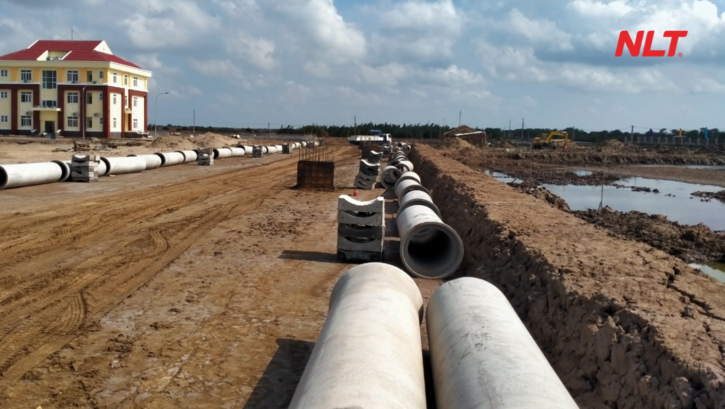
In urban development projects, NLT Group implements integrated water regulation systems to maintain hydrological balance across the entire area:
- Canals are arranged in interconnected drainage networks to ensure rapid collection and conveyance during heavy rainfall.
- Retention ponds serve as temporary storage and load balancing elements, holding excess water before discharge to main drainage routes, thereby reducing pressure on stormwater systems.
- Pumping stations are installed at critical points and operate automatically to maintain stable flow rates and prevent localized waterlogging.
All solutions are designed in accordance with site topography, elevation, and master planning of each urban development.
Construction of dikes, reservoirs, and flood control structures
In areas exposed to storm surges or tidal effects, NLT Group constructs dikes, reservoirs, and flood control works to high safety standards. Dike systems are built with durable, high strength materials resistant to erosion. Reservoirs are planned to receive large water volumes under different rainfall levels while reducing peak flood levels. Flood regulation structures are integrated with the overall drainage infrastructure to enhance long term safety and stability of the urban area.
Disaster prevention solutions
Hydraulic systems within technical infrastructure construction are integrated with proactive measures to protect projects against extreme weather:
- Drainage routes are widened to increase rapid discharge capacity.
- High capacity pumping stations are positioned strategically and ready for activation during prolonged heavy rainfall.
- Early warning systems and water level monitoring equipment support continuous operational oversight and timely response.
With comprehensive disaster prevention design, projects maintain high safety levels and minimize risks to residents and assets.
Construction process for technical infrastructure at NLT Group
Site condition survey and design document verification
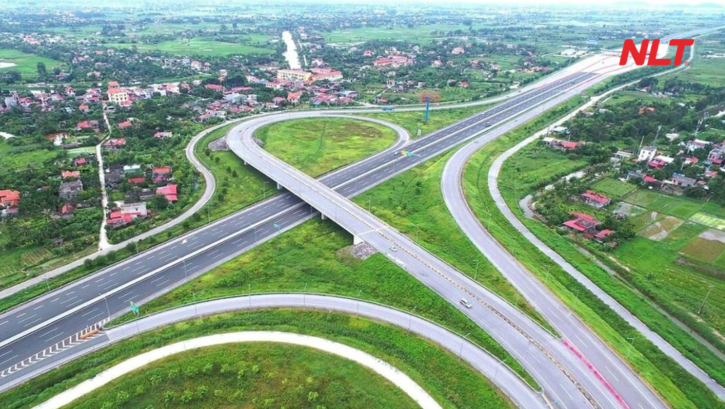
Before entering the construction phase, NLT Group conducts an overall site survey, including:
- Topographic measurement
- Geotechnical drilling and investigation
- Hydrological condition assessment
We then verify all boundaries, elevations, and utility alignments. Design documents are reviewed item by item to identify discrepancies, technical conflicts, and factors that may affect construction. All input data is recorded and cross checked through our internal quality control system to ensure accuracy and to serve as the foundation for the most precise construction methodology.
Proposing an optimized construction plan based on actual site conditions
Based on survey findings, NLT Group develops detailed construction methods for each work package: underground infrastructure, internal roads, drainage, water supply, power and lighting, telecommunications, and more.
Each plan is analyzed in terms of quantities, construction organization, safety measures, potential impacts on residents and surrounding environments, and alignment with the overall schedule. Solutions are appraised through our QA/QC process to ensure optimal functionality, cost efficiency, and long term operational performance.
Integrated construction of underground and above ground infrastructure
During implementation, NLT Group organizes construction in a coordinated sequence to prevent conflicts among technical systems.
Underground infrastructure such as drainage, water supply, power, ICT, and fire protection systems is constructed according to approved shop drawings, with materials and equipment inspected upon delivery to meet technical standards.
For above ground infrastructure including roads, sidewalks, landscaping, and lighting, our engineers work closely to ensure elevations, structural layers, and finishing works comply with design requirements. The entire process is continuously supervised to ensure durability and system consistency.
Inspection, handover, and initial operation support
Once technical infrastructure construction is completed, NLT Group conducts partial inspections and final acceptance in full compliance with applicable technical standards and regulations. As built documentation, updated drawings, and operation manuals are handed over in full to the investor.
During the initial operation period, NLT Group’s technical team provides on site support to inspect system performance, guide equipment usage, and train the operating unit to ensure all infrastructure runs stably, safely, and at the intended design capacity.
Value NLT Group delivers to investors in technical infrastructure construction
Reduced operational risks and lower future repair costs
NLT Group delivers technical infrastructure construction under a strict standard system covering material quality, construction procedures, and control of elevations, structural integrity, and load bearing capacity for each work package.
Meeting standards from the build stage helps minimize common issues such as road settlement and cracking, drainage blockages, electrical overload, and underground utility failures.
As a result, investors reduce maintenance and repair costs while extending the service life of the entire technical infrastructure system within the urban development.
Optimized commercial value and stronger market attractiveness
With stable construction quality, smooth internal traffic flow, well maintained green landscapes, and seamless underground and above ground infrastructure, the project gains a clear competitive edge once commercialized.
Investors can enhance commercial value, attract residents, tenants, and investors, and build a professional, trustworthy project image in the market.
Long term warranty and maintenance partnership
After handover, NLT Group continues to support investors throughout the initial operation phase and across the infrastructure lifecycle. Our technical team performs periodic inspections, assesses current conditions, addresses irregularities, and promptly recommends suitable maintenance solutions. This long term partnership helps maintain high performance, reduce operational disruption, and ensure a stable living environment for residents.
>> See more: Technical infrastructure construction capabilities that help NLT Group create advantages for investors
With a quality first mindset, NLT Group continues to standardize processes and strengthen its technical infrastructure construction capacity for urban developments and commercial projects. Consistency, accuracy, and long term commitment are the foundation that enables us to support investors sustainably at every stage of project development.
If you are looking for an infrastructure contractor with proven on site capability, strong standards compliance, and optimized solutions for each site condition, contact NLT Group today. Our engineering team is ready to provide detailed consultation, propose the most effective construction approach, and work with you to deliver a project that operates efficiently, safely, and sustainably.
Nam Long Technology Investment Group (NLT Group)
- Hotline: 0911 379 581
- Email: kinhdoanh@nlt-group.com
- TIN: 0313339640
- Address: 43T Ho Van Hue, Duc Nhuan Ward, Ho Chi Minh City