Tiếng Việt
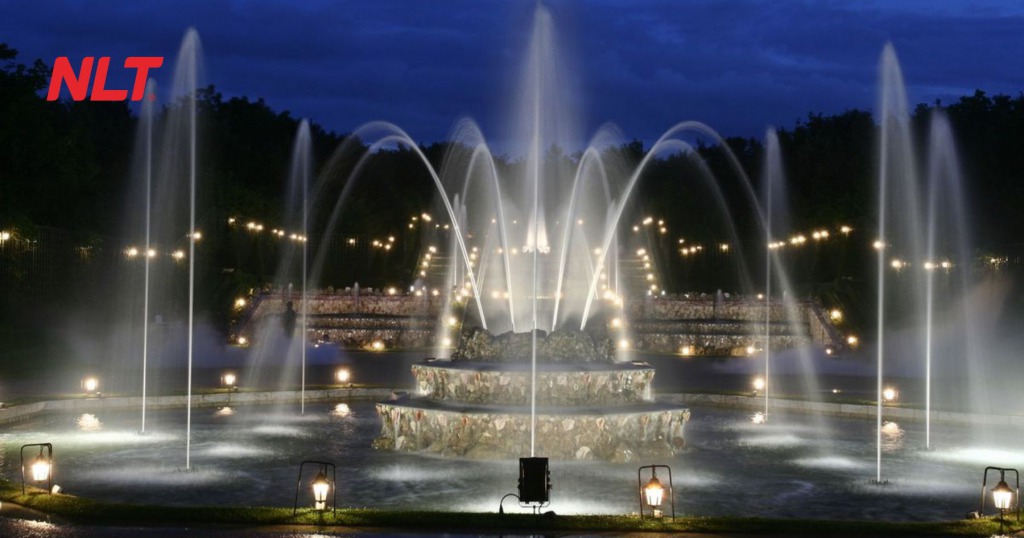
Artistic musical fountains are not merely entertainment performances. They are a refined combination of advanced engineering and creative design. Through the harmonious integration of water, sound, lighting, and control software, these systems create a vivid symphony where technology meets emotion. To truly understand how an artistic musical fountain operates in a synchronized and captivating way, it is essential to understand the structure of the system. The following content provides a detailed analysis of an artistic musical fountain system, from the role of each component to how all elements work together during installation and operation.
Overall structure of an artistic musical fountain system
Water reservoir
Role and function of the water reservoir
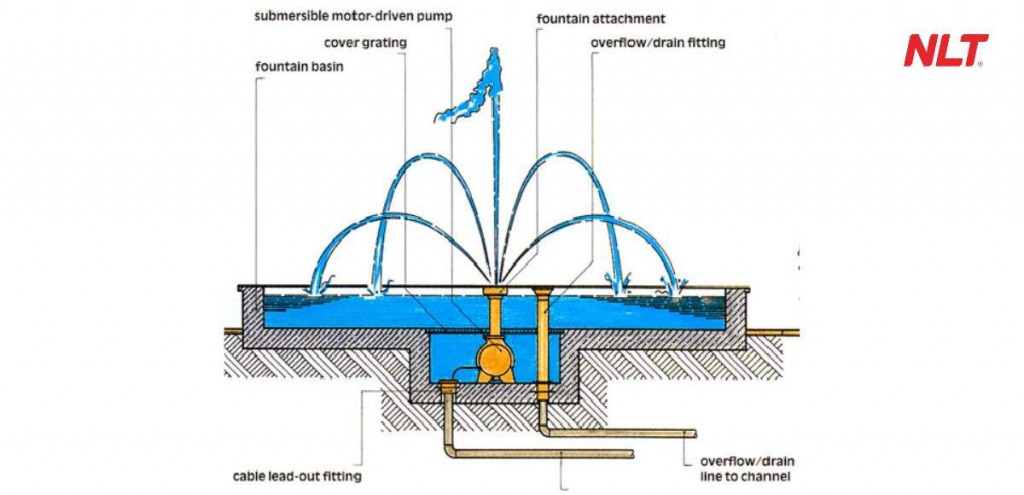
The water reservoir is a fundamental component in most fixed musical fountain systems such as dry deck fountains or central fountain basins. Its main function is to supply and maintain a stable water volume and flow for the entire system. For floating fountain models, the reservoir can be replaced by natural water sources such as lakes, ponds, canals, or rivers depending on site conditions.
Materials and structural design of the reservoir
Water reservoirs are typically constructed from durable and water resistant materials such as reinforced concrete, HDPE plastic, composite materials, or stainless steel. The inner surfaces are often finished with enamel coatings, epoxy paint, or specialized waterproof layers to prevent leakage during long term operation.
Water treatment and control systems
To keep the water clean, clear, and safe, the reservoir is usually integrated with a water treatment system that includes:
- Mechanical filtration systems to remove debris and suspended particles.
- Chemical treatment systems to disinfect water and prevent algae and bacterial growth.
- Automatic valves and pumps to maintain water levels and regulate flow according to each musical fountain performance program.
Flexibility across musical fountain models
NLT Group implements a wide range of musical fountain models with more than ten distinctive artistic effects, including:
Effect 1: three inner rings in a three dimensional configuration.
Effect 2: two small circular clusters on both sides.
Effect 3: a sequence of 250 waving water jets.
Effect 4: a 180 jet arrangement forming three circular layers.
Effect 5: fifteen vario type nozzles.
Effect 6: eight peacock tail effects.
Effect 7: ten bird wing wave units.
Effect 8: three independently controlled peacock tail units.
Effect 9: water curtain combined with projection.
Effect 10: eight jets shooting toward a central focal point.
Nozzle and lighting arrangement
Water nozzles and LED lighting must be installed according to detailed designs that are simulated in three dimensions to ensure maximum visual impact during performances. Installation positions are determined not only by aesthetic considerations but also by calculations related to jet angles, light intensity, and viewing distance. Incorrect placement can disrupt the entire programmed sequence and result in performance effects that do not match the original design intent. The spacing between nozzles must be carefully balanced based on pump capacity and primary spray direction. RGB LED lights should be positioned below the viewer’s eye level to avoid glare while ensuring even illumination across the water surface.
Interaction between architecture, space, and function
No matter how advanced a musical fountain system may be, it cannot achieve lasting aesthetic or functional value if it is not harmonized with the surrounding architectural environment. The design process must take into account wind direction, natural light conditions, and pedestrian circulation patterns. The basin structure and technical equipment should be intelligently integrated into the overall landscape without disrupting the spatial composition of the site. Elements such as walkways, greenery, and viewing areas must also be carefully planned to create a cohesive interaction between architecture, function, and audience experience.
Main components of an artistic fountain system
Water nozzles
Fountain nozzles are commonly classified into three main types: fixed jet, fan spray, and vario. Each type creates a distinct water movement effect. Fixed jets are suitable for strong and steady rhythms, fan sprays create a softer and more fluid visual, while vario nozzles offer high flexibility thanks to their ability to change spray angles according to the musical script.
Spray effects are controlled by water pressure and nozzle arrangement. Calculating pump flow rate and spray angles is critical to ensure that the height and curvature of the water jets are synchronized with the background music.
Pumping system and circulating water supply
Submersible pumps are the heart of the circulation system, responsible for delivering water from the reservoir through the piping network to the nozzles at the required pressure. Pump capacity must be carefully matched to the number and type of nozzles to maintain stable flow rates and consistent jet heights. In addition, filtration tanks help prevent debris, waste, or algae from clogging the nozzles and reducing system performance. Water level sensors are installed to monitor safe operating levels; when water levels drop, the system will automatically shut down the pumps or replenish water to prevent pump damage and ensure continuous, stable operation.
RGB LED lighting system
RGB LED lights used in musical fountains must meet IP68 protection standards and feature corrosion resistant housings, as they operate continuously in water environments. Installation positions must be carefully selected so that light beams strike the correct angles, creating clear visual forms when combined with water jets. Color coordination according to music requires precise synchronization between the control software and the programmed LED arrays. Lighting effects are not simply about color changes but must move in rhythm with the music, gradually building, softening, bursting, or flashing to align with audience emotions.
Sound system
Sound plays a leading role in guiding emotions in a musical fountain performance, so both quality and sound pressure levels must be carefully engineered. Outdoor speakers must be weather resistant, water resistant, and capable of delivering even sound coverage across the entire viewing area. Zoning the audio system helps create spatial effects so that audiences in different positions still experience a full sense of rhythm and soundstage. Speaker power should be distributed evenly to avoid overlapping sound, echo, distortion, or acoustic interference.
Control cabinets and control software
DMX, PLC, or SCADA – which standard to choose?
Depending on project scale, control protocols may include DMX, PLC, or SCADA. DMX is commonly used for smaller systems, while PLC and SCADA are applied to more complex installations that require flexible programming and comprehensive monitoring.
Music synchronized performance scripting
The control software allows second by second programming to synchronize water, lighting, and sound. Clear and logical performance scripting ensures maximum visual impact while also simplifying maintenance and future adjustments.
System operating principles
Automatic water circulation cycle (pump → nozzles → reservoir)
The structure of an artistic musical fountain system enables water to be reused through a closed circulation loop. Pumps draw water from the reservoir and deliver it to the nozzles to create dynamic motion effects. After spraying into the air and falling back onto the floor or central basin, the water is collected and returned to the reservoir to continue the cycle. This approach conserves resources while ensuring stable and uninterrupted performances.
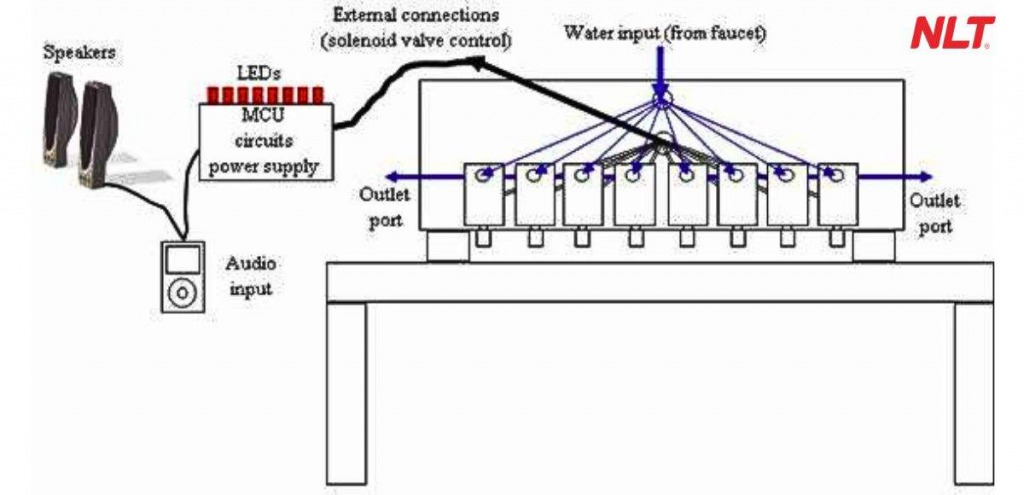
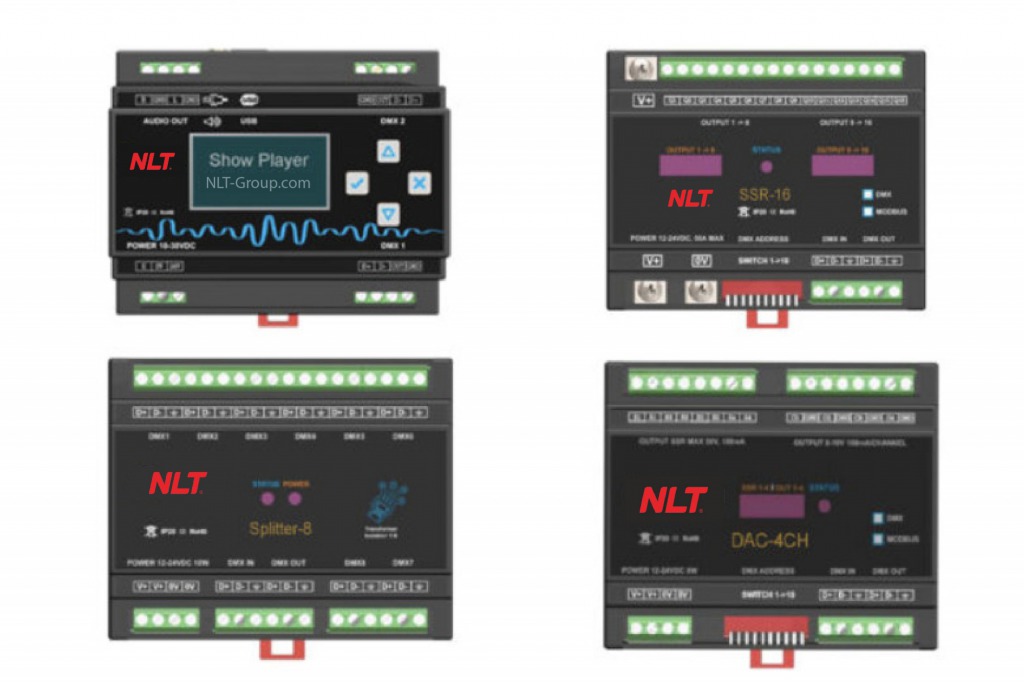
Synchronized DMX/PLC control via control cabinets and software
The central control system acts as the hub that integrates all devices into a unified system. Control commands from the software are transmitted through control cabinets to end devices using standard protocols such as DMX or PLC. This ensures precise synchronization between nozzle movements, lighting effects, and audio playback according to predefined scripts.
Integrated operating modes: automatic, sensor based, remote control
Modern musical fountain systems can integrate multiple operating modes to meet diverse usage requirements. In automatic mode, performance scripts are triggered according to preset schedules. Light, sound, or motion sensors can activate shows when people approach or when night falls. In addition, the system can be remotely controlled via software on tablets or smartphones, allowing operators to adjust performances in real time to suit specific event needs.
>> See more: Artistic musical fountain design, where creativity meets engineering
Materials and technical standards
Water resistance, corrosion resistance, stainless steel 304
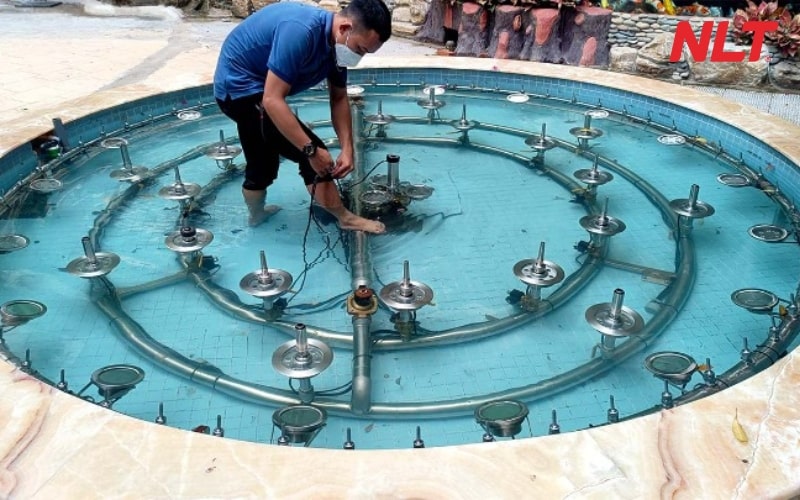
To ensure long service life and safe operation, the components of an artistic musical fountain system must be made from materials with high corrosion resistance, especially in continuous water environments. Stainless steel 304 is commonly used thanks to its excellent anti rust properties, high durability, and ease of fabrication. Components that come into direct contact with water such as fountain nozzles, lighting housings, and mounting frames should be made of stainless steel or high grade composite materials.
IP rating and outdoor electrical safety
Electronic equipment used in musical fountain systems must meet IP protection ratings from IP65 to IP68 depending on the installation location, ensuring safe operation in wet environments. In addition, all power and signal cabling must be properly insulated and protected against leakage, in compliance with outdoor electrical safety standards and technical regulations.
Maintainability and component replacement
An equally important factor in the structure of an artistic musical fountain system is the ability to perform maintenance and replace components quickly. The system should be designed in a modular configuration so that individual components can be removed or replaced without affecting the entire installation. Connection points should use quick release and clearly defined fittings to allow technicians to work efficiently without unnecessary downtime.
Conclusion
An artistic musical fountain system is not simply a conventional mechanical and electrical installation. It is the result of a precise balance between engineering accuracy and visual emotion. The structure of a musical fountain system includes many essential components such as the water reservoir, fountain nozzles, lighting systems, and control software, each playing an irreplaceable role in the overall configuration. When the system structure is properly designed and installed, the fountain not only operates reliably but also becomes a powerful visual focal point in public spaces, resorts, and cultural events. This is where technology and art converge to create moments that truly resonate with audiences.
Frequently asked questions (FAQs)
How many nozzles does a system need?
The number of nozzles depends on the basin size, desired visual effects, and investment budget. Small scale installations may require only four to ten basic nozzles, while large scale projects can involve hundreds of nozzles in various configurations.
Is remote control supported?
Most modern systems support remote control through dedicated software or handheld devices, allowing operators to flexibly adjust performances based on timing or event requirements.
Is the software easy to deploy?
Control software is typically designed with an intuitive and user friendly interface. However, programming performance scenarios requires technical expertise. Reputable contractors usually provide the software along with detailed user guidance.
Can performance scenarios be reprogrammed?
Yes. The system allows new scenarios to be created or existing ones to be modified for seasonal events or specific client needs without changing the hardware.
Are the devices durable under outdoor conditions?
When compliant materials with appropriate IP ratings are used and installation follows technical guidelines, the equipment can operate reliably outdoors for many years without performance degradation.
Contact information
If you are interested in implementing an artistic water screen system or need consultation on artistic musical fountain solutions, feel free to contact NLT Group.
Nam Long Technology Investment Group (NLT Group)
- Hotline: 0911 379 581
- Email: kinhdoanh@nlt-group.com
- TIN: 0313339640
- Address: 43T Ho Van Hue Street, Duc Nhuan Ward, Ho Chi Minh City
Contact us today for free consultation and experience modern artistic musical fountain solutions from NLT Group!