Tiếng Việt
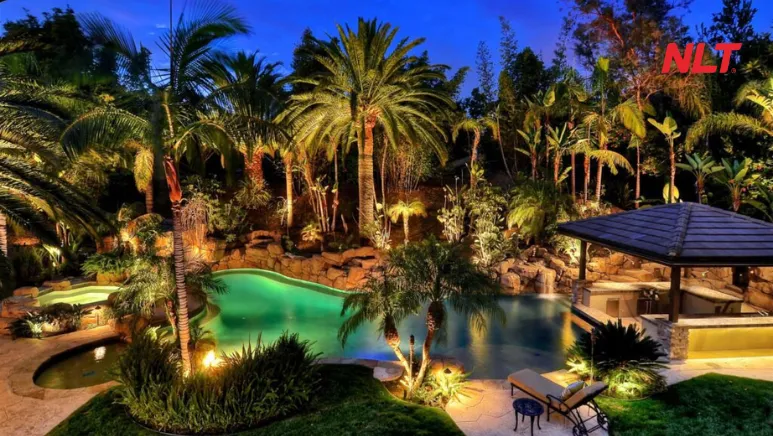
In resort lighting projects, each area has distinct requirements: lobbies need to be visually striking, walkways must prioritize safety, swimming pools require resistance to water and chemicals, while villa areas emphasize privacy. Any misstep, from site survey and equipment selection to system installation, can reduce lighting quality and increase the risk of operational issues. This article summarizes common mistakes and practical solutions by space category, helping investors and management teams control quality from the outset.
Why resort lighting systems are more prone to issues than other projects
Harsh environments in coastal and tropical resorts
Salt air, high humidity, driving rain, intense sunlight, day-night temperature fluctuations, and sand dust can quickly degrade materials, seals, protective coatings, and connection points if incorrect IP/IK ratings are selected or corrosion protection is insufficient. In addition, electrochemical corrosion between dissimilar metals can cause fastener rust, water ingress, and failures that often appear over time rather than at handover, especially in outdoor resort lighting systems operating continuously.

>> Read more: Standard principles for outdoor walkway and water feature lighting design
Complex spatial layouts with shared lighting infrastructure
Resorts combine multiple spaces such as lobbies, arrival axes, promenades, landscape gardens, water features, pools, villas, restaurants, spas, and event areas. Each requires different criteria for illuminance, color temperature, glare control, and architectural accents. When power supply and control systems are shared across multiple zones, uniformity is lost, zoning becomes difficult, and operational flexibility is reduced, directly affecting guest experience.
Dense operating cycles with multiple daily lighting scenarios
Unlike conventional buildings, resorts operate across time bands and seasons. Lighting systems must dim, transition smoothly, and synchronize across zones. Without early standardization of control solutions, clear zoning, and consistent equipment specifications, later scenario changes often cause synchronization errors, flicker, and unstable performance, especially in multi-scene resort lighting systems.
Outdoor installation dependent on landscape and architectural progress
Outdoor lighting work depends heavily on finished levels, materials, and landscape schedules, which often change during construction. This leads to misaligned luminaire positions, cable routes, and technical provisions. Without early coordination and locked elevations, rework risks increase, affecting cost, schedule, and visual quality.
Core principles before installing resort lighting
Prioritize guest lighting experience
Guests rarely care about wattage or technical parameters. What matters is whether the resort looks beautiful, comfortable, and harmonious at night. Resort lighting should therefore focus on experience and aesthetics rather than brightness alone. A softly controlled pathway feels far more premium than an over-lit one.
Lighting should enhance landscape and architecture
A resort’s value lies in its materials, greenery, water features, and architectural details. Lighting should highlight these elements, not compete with them. A simple test is to ask: “What are guests here to look at?”; The answer guides focal points, intensity, and beam angles.
Layered lighting design for resort lighting systems

A layered lighting design is a common approach in architectural and artistic lighting, helping spaces gain depth and operational flexibility. This includes ambient lighting for safety and orientation, accent lighting to create focal points, guiding lighting to establish movement flow, and decorative lighting to enhance emotional identity. Without proper lighting layers, resorts often fall into one of two situations: lighting that is too dim, making key areas feel unsafe, or lighting that is excessive and scattered, lacking clear visual emphasis.
Clear separation of public, semi-public, and private zones in resort lighting design
Public areas like lobbies require impact and orientation; semi-public areas like walkways need soft, glare-controlled lighting; private areas such as villas require calmness and spill-light control. Without zoning at the design and control level, resorts often become overly bright while circulation routes still lack light where needed.
Common mistakes in resort lighting survey and design
Insufficient environmental data during surveys
Many surveys only note “coastal” or “high humidity” without detailing zone-specific risks: direct salt spray, shaded humid gardens, chemically treated pools, or greasy restaurant environments. Without environmental zoning and risk mapping, incorrect materials, protection ratings, and layouts are often selected from the start.

Failure to simulate real-world lighting based on landscape materials and water features
Resorts typically include water surfaces, stone, wood, greenery, and various reflective materials, which means real-world lighting conditions can differ significantly from what appears on drawings. Common issues include glare caused by reflections, patchy light distribution, and color distortion when light quality is not appropriate. In many cases, calculated illuminance levels may appear acceptable on paper, yet the actual space lacks depth and fails to convey the intended atmosphere.
Inconsistent fixture placement and lighting layers across functional zones
Some projects design each zone in isolation. While individual areas may look acceptable on their own, the overall experience becomes fragmented. For example, a warm-toned main axis transitioning abruptly to a cool white garden, or a soft pathway leading into a restaurant area with harsh, glaring light. Without a logical lighting hierarchy and clear principles connecting different zones, resort lighting systems easily lose consistency, reduce way-finding effectiveness, and weaken architectural focal points.
Unclear lighting objectives for each resort area
Each zone within a resort serves a different purpose: spas require calm and relaxation, bars need energy, and villas prioritize privacy and rest. A common mistake is failing to define these objectives early, leading to subjective design changes, unclear evaluation criteria, and difficulty maintaining consistency during installation, especially in resort lighting systems that operate across multiple layers and time periods.
Common mistakes when selecting resort lighting fixtures

Incorrect protection ratings and material durability for local climate conditions
Many projects select protection levels out of habit, while resorts often include areas exposed to driving rain, standing water, wash-down processes, or even localized flooding. If IP ratings and materials are not matched to actual site conditions, fixtures are prone to water ingress, rapid deterioration, and seasonal recurring failures, significantly increasing operational risk for outdoor resort lighting systems.ời.
Using fixtures unsuitable for coastal environments in resort lighting systems
Coastal areas present high-risk conditions due to salt-laden air and corrosive winds. Using standard coatings, non-corrosion-resistant fasteners, or poorly sealed housings often leads to progressive degradation such as surface staining, rusted components, loose fittings, failed joints, water intrusion, and eventual fixture failure after a period of operation.
Low-quality drivers and inconsistent standards
The driver is critical to system stability and controllability. Common issues include drivers incompatible with control systems, resulting in uneven dimming; inconsistent driver specifications across zones, making quality control difficult; or insufficient protection for outdoor environments, leading to flicker, overheating, and reduced lifespan.
Poor thermal management reducing fixture lifespan
Outdoor fixtures operate for long hours in high temperatures. Inadequate thermal design causes heat buildup, lumen depreciation, color shift over time, and increased driver failure. Some fixtures may appear well-designed externally but deteriorate quickly in real-world operation due to insufficient heat dissipation.
Incorrect optics and beam angles
Optical mismatch is a frequent cause of “correct specifications but wrong perception”. Overly wide beams cause spill light and glare, while overly narrow beams create harsh hotspots and poor uniformity. For wall washers and vertical surfaces, even minor lens misalignment or incorrect mounting distance can result in blotchy lighting and reduced nighttime visual quality across the entire resort.
Common mistakes during mechanical installation and exterior finishing
Incorrect positioning, mounting height, or aiming compared to the lighting design
Even small deviations in height, direction, or fixture orientation can eliminate architectural accents, cause spill light, or shine directly into guests’ eyes. Typical issues include uplights aimed too high, sending light into the sky; facade lights obstructed after landscaping; or pathway lights misaligned, creating dark zones that affect safety and nighttime circulation.
Lack of waterproofing at joints and outdoor accessories
Connection points and mounting accessories are the most vulnerable areas to rain and standing water. Temporary materials, non-rated junction boxes, improper cable glands, or inconsistent wiring practices allow water to penetrate over time, causing flicker, leakage, or fixture failure. This is one of the most common reasons resort lighting systems degrade rapidly, even when fixtures are correctly specified.
Improper drainage for in-ground and recessed fixtures
In-ground and recessed fixtures offer strong visual impact but require strict enclosure and drainage design. Without proper drainage or suitable sub-base conditions, water accumulates over time, accelerating deterioration and causing recurring failures during rainy seasons, particularly in landscape and pathway areas.
Weak mounting and vibration under storm conditions
In resorts, especially coastal locations, strong winds can gradually loosen brackets, fasteners, and mounting structures. Fixture movement alters beam angles, eliminates intended focal points, and increases the risk of mechanical damage and water ingress. This issue is often overlooked during final installation but becomes evident after extended operation.
Exposed cabling compromising landscape aesthetics

Exposed cables, conduits, or junction boxes along walkways, planting beds, or walls immediately undermine the resort atmosphere. This typically results from poor coordination between electrical, landscape, and finishing teams, or late-stage layout changes that prevent proper cable concealment during resort lighting installation.
Common mistakes in electrical installation for resort lighting systems
Improper wiring and load distribution for resort lighting systems
Typical issues include unbalanced circuits, excessive run lengths causing voltage drop, or improper terminations that generate heat. These problems lead to uneven brightness, flicker, shortened fixture lifespan, and difficulty controlling or expanding the system later.
Missing surge protection and leakage protection for outdoor lighting panels
Outdoor environments increase the risk of surges, transient voltages, and leakage caused by moisture. Without surge protection devices, leakage protection, or a proper grounding system, risks extend beyond equipment damage to operational safety, especially in guest-accessible areas.
Incorrect cable sizing causing voltage drop and degraded light quality
Voltage drop often appears as dimmer fixtures at the end of a run, color inconsistency, or unstable dimming, frequently misdiagnosed as fixture defects. In reality, the cause is undersized cables relative to run length and load in large-scale resort lighting installations.

Control cabinets installed in unsuitable locations or environments
Panels located in flood-prone areas, under direct sunlight, within guest-accessible zones, or in hard-to-maintain locations pose operational risks. If outdoor cabinets lack proper protection, humidity control, and thermal management, internal components degrade quickly, leading to control failures and system instability.
Skipping insulation and sealing tests before handover
A frequent mistake is handing over systems without insulation testing, joint sealing checks, or leakage protection verification. As a result, failures occur shortly after commissioning, are difficult to trace, and disrupt guest experience. For resort lighting systems, these checks are fundamental and must be completed before acceptance.
Common mistakes in zoning and lighting scene configuration
Poor separation of control zones by function
Overly large or poorly defined control zones reduce operational flexibility. Typical scenarios include dimming a secondary pathway affecting the main axis, or increasing brightness for an event zone unintentionally over-lighting villa areas. Without zoning aligned to function and guest experience, time-based optimization becomes difficult.

Overuse of color and dynamic effects
Some projects rely heavily on color-changing fixtures and continuous effects to create highlights, but this often leads to visual fatigue and a loss of relaxation. Resorts are not performance stages; without clear rules for base colors, accent colors, and effect usage, lighting scenes easily drift away from the intended experience.
No energy-saving modes by time period
Without scheduled operation, lighting systems often remain at high output all night, even after peak hours. This increases energy consumption and accelerates fixture wear. In resort projects, this usually occurs when late-night or security modes are not predefined, one reason smart lighting systems are increasingly used to automatically reduce output while maintaining safety.
Skipping full-site synchronization testing before operation
Many systems function correctly when tested zone by zone, but issues appear when the entire site runs simultaneously, such as delays, flicker, missed commands, or incorrect zone states. These synchronization issues only emerge under real operational scenes and must be tested before handover.
No predefined scene library for seasons and events
Resorts operate across seasons and events such as Christmas, Lunar New Year, or wedding seasons. Without a standardized and saved scene library, operators must adjust settings manually each time, often forgetting to save configurations and causing inconsistency between shifts. Over time, this erodes lighting quality, especially when staff changes.
>> Read more: Key features of smart lighting devices for lighting management and operation
Common mistakes in operation and maintenance of resort lighting systems

No regular maintenance schedule for outdoor fixtures
Outdoor fixtures require surface cleaning, fastener checks, gasket inspection, junction box verification, and in-ground fixture inspection. Without a defined maintenance schedule, issues are often ignored until failures occur, leading to clustered breakdowns that are difficult to address quickly.
No records of system configuration and as-built drawings
During operation, driver replacement, controller changes, or system resets are inevitable. Without as-built drawings, cable routes, panel layouts, and control zoning diagrams, onsite teams must troubleshoot by trial and error, raising the risk of mistakes and operational disruption.
Non-uniform replacement causing color and CCT inconsistency
Replacing fixtures with different batches or mismatched optical specifications (CCT, CRI, LED binning) easily creates visible color differences on walls, pathways, and architectural accents, especially noticeable at night and detrimental to a high-end resort atmosphere.n.
Failure to monitor degradation from water, pool chemicals, and sea salt
Splash water, chlorine, cleaning chemicals, and coastal salt accelerate metal corrosion and gasket aging. Without regular inspection of joints, accessories, and fixtures near water, sealing performance declines, increasing the likelihood of water ingress and operational failures.
Lack of training for management and onsite technical teams
Without proper training, control systems are easily misconfigured, scenes are overwritten incorrectly, or systems are shut down “to be safe”, undoing the original lighting design intent. Missing access control and operating manuals further increase reliance on individual experience, making staff turnover risky.
How to address issues by resort lighting zone
Lobby and arrival axis
These are the first guest touchpoints. Lighting should feel refined, warm, and clear for orientation and photography. Key controls include glare management and color consistency across fixture groups. Focus accents on logos, reception desks, and signature materials, while separating control zones for lobby, canopy, gates, and main axis to allow time-based operation rather than a single on/off approach.
Pathways, landscape, and water features
Lighting should be low, soft, and directional for guidance without glare. Water features require careful handling due to reflections; many designs look good on paper but cause glare in real use.

Cable routing and junction concealment should be treated as part of the visual design. For vegetation, control intensity and beam angles to avoid leaf burn and harsh shadows.
Pools, outdoor bars, and nighttime entertainment areas
These areas need energy without turning the entire resort into a stage. Pool-related fixtures must withstand water and chemicals, requiring higher sealing standards. Use color and effects selectively for accents, while maintaining calm ambient lighting. Control zones should separate seating, bar, stage, and pool areas, with late-night reduced-output modes to save energy and extend fixture life.
Villas, bungalows, and private areas
Guest accommodation requires calm and privacy. Control light spill into rooms, limit strong spotlights, and favor indirect lighting such as wall grazing or step lights. Separate control zones by villa clusters and maintain color harmony with interiors to preserve a seamless resort experience.
Spa, restaurants, and premium service spaces
Here, light quality matters more than brightness. High CRI ensures food and materials appear natural, while glare control supports guest comfort during extended stays. Dimming must transition smoothly across time periods, with a layered approach, from soft ambient light to focused accents, delivering depth and a refined atmosphere consistent with luxury resort standards.ấp.
Resort lighting acceptance checklist to reduce errors

Check beam angles, uniformity, and architectural focal points
- Verify installation positions, mounting heights, and aiming directions against approved design drawings and finalized mockup solutions.
- Check glare from real viewing angles, including pedestrian paths, seated guest areas, and common photo spots.
- Evaluate lighting uniformity along pathways, stairways, and areas with higher tripping risk to ensure safe nighttime circulation within resort lighting routes.
- Confirm that all key focal points are illuminated as designed, including signature trees, material walls, logos, façades, and landmark features across the site.
Check sealing, joints, waterproofing, and drainage for in-ground fixtures
- Review outdoor junction boxes, cable glands, and junction locations, avoiding areas prone to water pooling or localized flooding within the resort lighting system.
- Inspect gaskets, fixture covers, and cable entry points of in-ground and recessed fixtures to ensure no gaps result from installation.
- Verify fixture housing structure and drainage capability to confirm proper water discharge and prevent prolonged water accumulation.
- Test sensitive areas after wash-down or simulated driving rain to identify potential water ingress during real operation.
Electrical testing: leakage protection, surge protection, and voltage drop across the entire resort lighting system
- Measure voltage at the beginning and end of each circuit, recording voltage drop by run to prevent weak or unstable operation at circuit ends.
- Test leakage protection devices by circuit and by panel to ensure safety in guest-accessible areas.
- Review surge protection and grounding systems, especially for outdoor control cabinets and long cable runs.
- Check for heat buildup at joints, inside panels, and around driver locations under load to detect poor-quality connections early.
Test lighting scenes under actual operating time periods
- Run scenes according to real operating schedules such as dusk, evening peak hours, late-night energy-saving mode, and security mode for the resort lighting system.
- Verify site-wide synchronization when all zones are activated simultaneously, including response delay, command errors, flicker, or incorrect zone status.
- Check user access permissions to confirm who can select scenes and who can modify them, preventing uncontrolled changes.
- Record and lock the final configuration version after acceptance to support future maintenance and configuration recovery.
Verify as-built documentation and replacement lighting equipment lists
- Confirm a complete set of as-built documents, including cable routing drawings, panel diagrams, control zone layouts, and fixture locations.
- Cross-check the equipment list to ensure correct models, specifications, and installed locations match the approved design and actual installation.
- Prepare a standardized replacement materials list, including fixtures, drivers, accessories, fasteners, gaskets, and related components.
- Review operation and maintenance documentation such as procedures, checklists, and periodic maintenance schedules to ensure long-term lighting quality for the resort.
A compliant resort lighting project must be controlled end to end, from survey, design, and equipment selection to installation, control, and acceptance. Even minor deviations can lead to compromised lighting quality or operational issues. When these principles are followed, the system maintains visual quality, enhances landscape and architectural features, and operates reliably under conditions such as driving rain, salt-laden air, and poolside environments.
If you are preparing to implement or reassess a resort lighting system, NLT Group is ready to support you, from solution consulting and site surveys to optimized design, acceptance support, and operation in line with environmental standards. Contact NLT Group to receive a tailored proposal for your project.
Nam Long Technology Investment Group (NLT Group)
- Hotline: 0911 379 581
- Email: kinhdoanh@nlt-group.com
- TIN: 0313339640
- Address: 43T Ho Van Hue Street, Duc Nhuan Ward, Ho Chi Minh City
Frequently asked questions about resort lighting installation issues
Why do coastal resort lighting systems fail more frequently?
Salt-laden air, high humidity, and driving rain accelerate corrosion, causing gaskets and connection points to degrade quickly. If fixtures and materials are not designed for saline environments, failures tend to appear early and may spread across groups of fixtures.
How can color inconsistency be addressed when partially replacing a resort lighting system?
Color mismatch usually results from differences in CCT, CRI, or LED binning between batches. A safer approach is to replace fixtures in visible clusters and use products from the same series with matching color specifications, preferably from the same batch, based on archived system documentation.
When should a resort lighting system be upgraded?
An upgrade should be considered when recurring failures occur in the same areas, lighting flickers or shows noticeable color shifts, or the control system can no longer support proper zoning and operating scenes. Many projects choose to upgrade key zones first to minimize operational disruption.