Tiếng Việt
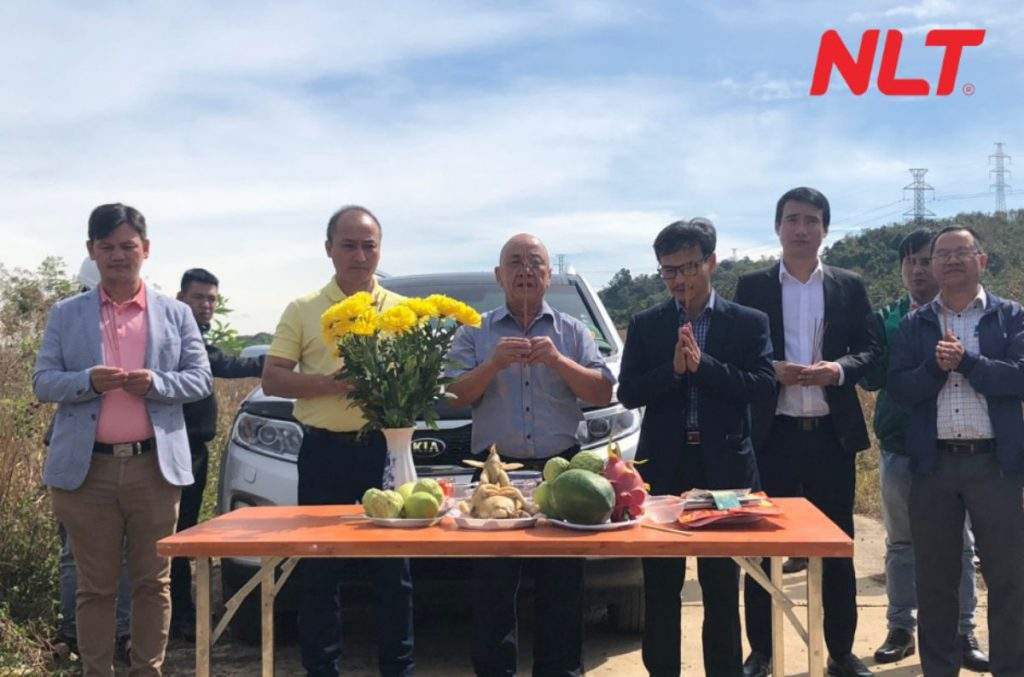
On the morning of 31/1/2023, NLT Group officially commenced the construction project of the leachate wastewater treatment plant at the municipal solid waste landfill in Hoa Phu – belonging to Buon Ma Thuot City. The objective of the project is to collect and treat domestic wastewater in the Buon Ma Thuot City area to improve the quality of life for residents, strengthen community health in the area, contribute to protecting river water sources, ensure urban aesthetics, and maintain environmental sanitation.
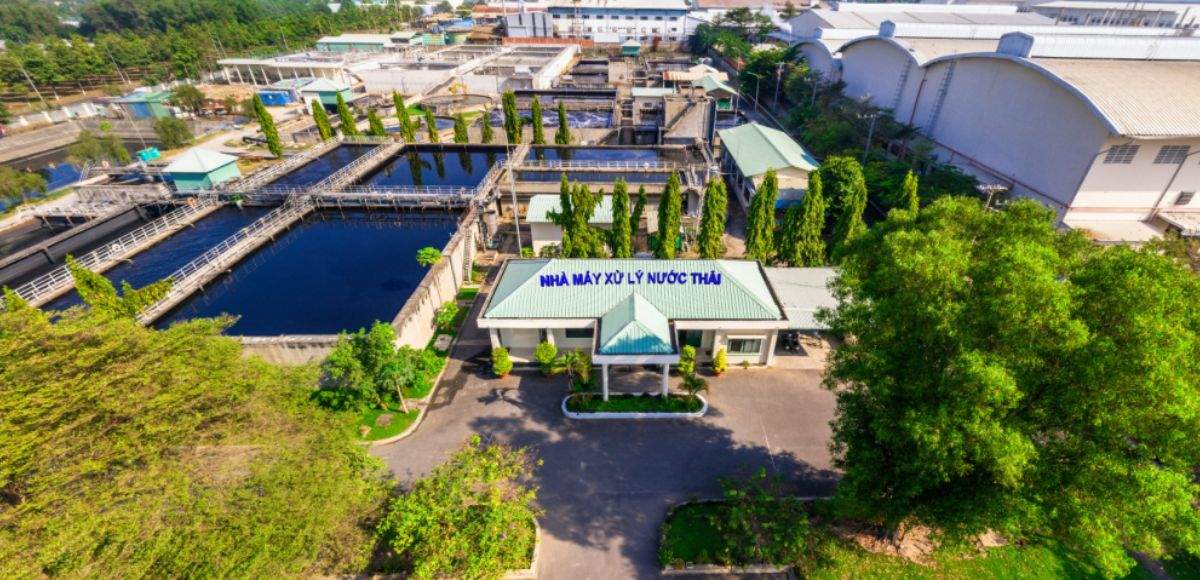
Vietnam currently has about 755 urban areas, with rapid population growth and urbanization. The issue is that the living environment is declining due to the inability to control generated waste sources. Waste treatment has become a pressing issue, especially municipal solid waste. Meanwhile, urban municipal solid waste treatment is mainly landfill disposal, with the proportion of waste landfilled in large cities such as: Hanoi, Ho Chi Minh City accounting for 80% – 90%. Therefore, treating the leachate overflow situation at Hoa Phu landfill is necessary to reduce surrounding environmental pollution, and to address according to the petition submitted by households with land in the affected area.
Leachate wastewater is a type of wastewater generated in waste landfill sites, formed due to rainwater seepage leaking into the landfill body or due to the inherent moisture of the buried waste. Because it is generated from waste, this wastewater is very harmful, containing many pollutants such as nitrogen gas, ammonia, heavy metals, pathogenic germs and bacteria, high BOD, COD concentrations… and can cause serious environmental pollution. If it infiltrates the soil, it will severely contaminate groundwater sources, and if it flows into canals, it will destroy the aquatic environment in that area. Therefore, it is very necessary to thoroughly treat leachate wastewater before discharge into the environment
After studying the project in practice and the requirements provided by the investor. NLT Group will use the most optimal leachate treatment technology for the plant.
Description of the technology process used in the leachate wastewater treatment plant
- Leachate passes through a coarse filtration process to remove large solids before being transferred into the collection tank. Here, the leachate is stabilized before entering the next treatment stages.
- The wastewater is then fed into the equalization tank to perform the aeration process. This helps reduce wastewater concentration and prevent odor generation caused by anaerobic reactions.
- After the equalization tank, the wastewater is pumped into the physico chemical tank, where physico chemical stage 1 and stage 2 processes are carried out. This process includes coagulation and flocculation to significantly reduce the concentration of suspended solids, BOD and COD in the water.
- At the physico chemical settling tank, the sludge is separated and transferred to the landfill.
- The water after sludge separation from the physico chemical settling tank meets the influent standard of the RO system, then is filtered under high pressure. This filtration process removes most minerals, solids, impurities, bacteria, and viruses, retaining only clean water.
- Sludge from the RO system is also transferred to the landfill.
- Clean water after the RO process meets the regulated discharge standards. It can be reused for various purposes. Before use, the water can be disinfected if necessary.
Outstanding advantages of NLT Groups smart industrial wastewater treatment system
- Hardware and software are exclusively researched and manufactured by NLT Group on the IoT, AI, GIS Cloud technology foundation with a simple installation process, easy operation, meeting all needs of our customers
- Monitoring and managing the entire system operation process via website and mobile app, enabling customers to adjust system operations remotely.
- Maximizing savings in installation costs, warranty and maintenance costs, closed loop wastewater treatment, completely without negative impacts on the environment.
- Ensuring health and safety for the surrounding living environment.
Main components of the industrial wastewater treatment system
- The influent wastewater treatment process removes algae, garbage, and sand. This process filters harmful components for the downstream filters.
- Data information recorded from sensors will be stored on the Server and displayed directly on the managers website and mobile app platform.
- All filtration systems use ultra fine filter pores, capable of removing 99.99% of bacteria and viruses, ensuring the best effluent quality.
- All systems built by NLT Group are closed, safe, and environmentally friendly. NLT Group ensures the effluent wastewater achieves the best quality in accordance with the regulations of the Ministry of Natural Resources and Environment.
After completion, the Hoa Phu commune leachate wastewater treatment plant will receive and treat municipal solid waste and hazardous solid waste (industrial hazardous, domestic hazardous, medical hazardous) for districts, towns, and cities in the province. This will also be a site to treat municipal solid waste, construction waste, septic tank sludge and sludge from drainage systems; treat medical solid waste; treat industrial hazardous solid waste; and support landfill disposal after treatment for other solid waste treatment areas in the city and neighboring districts of the province.