Tiếng Việt
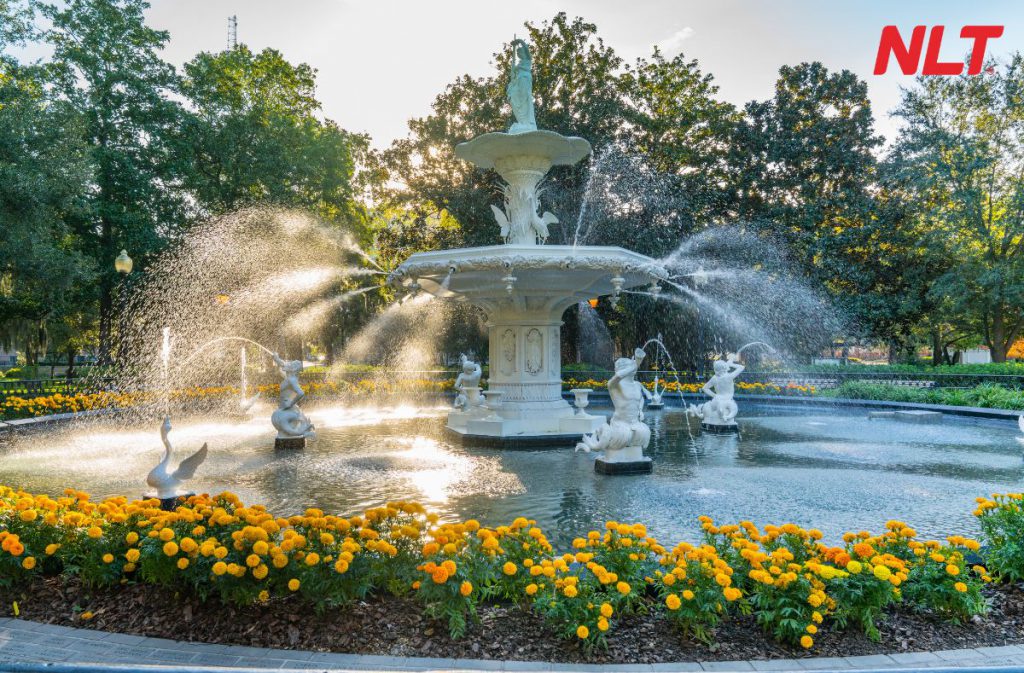
Artistic fountains are aesthetic highlights in living and working spaces. However, to ensure that a fountain always operates efficiently and retains its original beauty, periodic maintenance is extremely necessary. In this article, join NLT Group to explore in detail how to maintain an artistic fountain.
Maintenance process for artistic fountains
The maintenance process for artistic fountains includes the following steps:
Cleaning and thoroughly inspecting fountain equipment: First, remove trash, gravel, sand, debris, and other impurities from the fountain to prevent clogging that may restrict water flow. This process must be carried out carefully to ensure that impurities do not accumulate deep inside components such as nozzles and pumps. During cleaning, check whether any fountain equipment shows signs of wear or damage. This helps detect faults and issues early and apply timely solutions, preventing serious deterioration over time.
Cleaning and treating the water source: Fountain water often contains impurities and algae. If not removed promptly, they can accumulate and clog nozzles. In hot weather and high temperatures, algae may decay, leading to water pollution and unpleasant odors that affect aesthetics. The best way to treat the water source is to use specialized chemicals to eliminate algae and bacteria, thereby preventing their spread. In addition, monitor the pH level of the water to prevent corrosion of fountain equipment.
>> See more: Top 5 popular water nozzles in artistic musical fountains
Checking the water supply system:
- Inspect and determine whether any pipes are leaking.
- Check water pressure and ensure it is strong enough to activate the nozzles.
Checking the electrical system of the fountain:
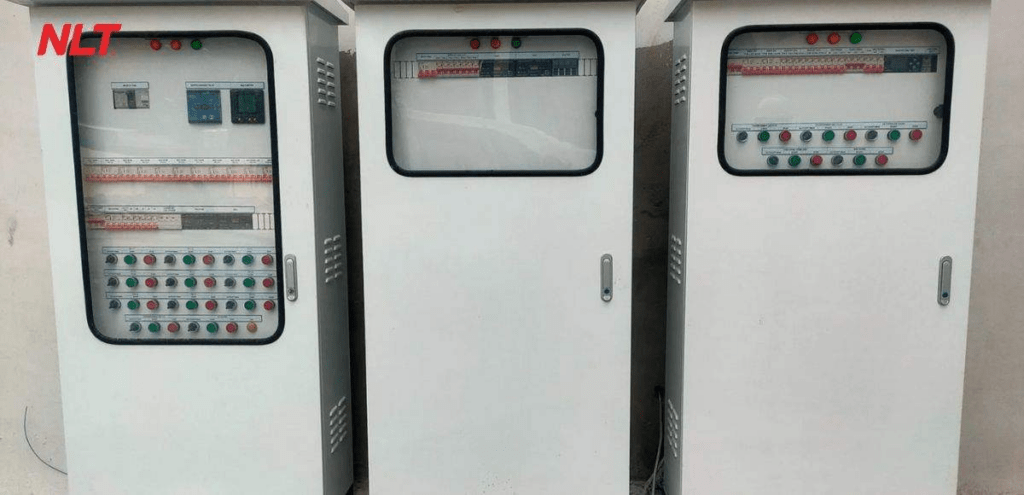
Inspect bulbs, sensors, controllers, and wiring to identify any damage. If issues are found, repair or replace them immediately to ensure that electrical equipment operates normally and safely.
Lubricating moving parts: A very important step in the maintenance process is lubricating the moving components of the fountain. Specifically, pumps and motors often operate at high capacity when the fountain is running. Over time, these parts may lose proper friction performance. Therefore, regularly apply lubricant to ensure smooth operation. Currently, silicone based lubricants are ideal for pumps and motors. For bearings and other moving parts, oil based lubricants should be used. Be sure to clearly distinguish between these two types of lubricants.
Checking the drainage system: Inspect and clean the drainage system to ensure water is discharged efficiently without causing blockages.
Winterizing the fountain: In areas with harsh weather conditions where temperatures drop below freezing, fountains often cannot operate and remain dormant for extended periods. Therefore, proper winterization must be carried out to protect the lifespan of the fountain. Essentially, drain all water from components such as pumps, pipelines, and nozzles. This helps prevent corrosion when the equipment is not used for a long time. Note that winterization should be completed before the first freeze occurs.
Benefits of maintaining artistic fountains
Maintaining artistic fountains is an essential process after long term operation. Since fountains are typically installed outdoors, they are directly affected by environmental factors such as rain, wind, dust, and debris. These factors can negatively impact aesthetics and directly affect fountain performance.
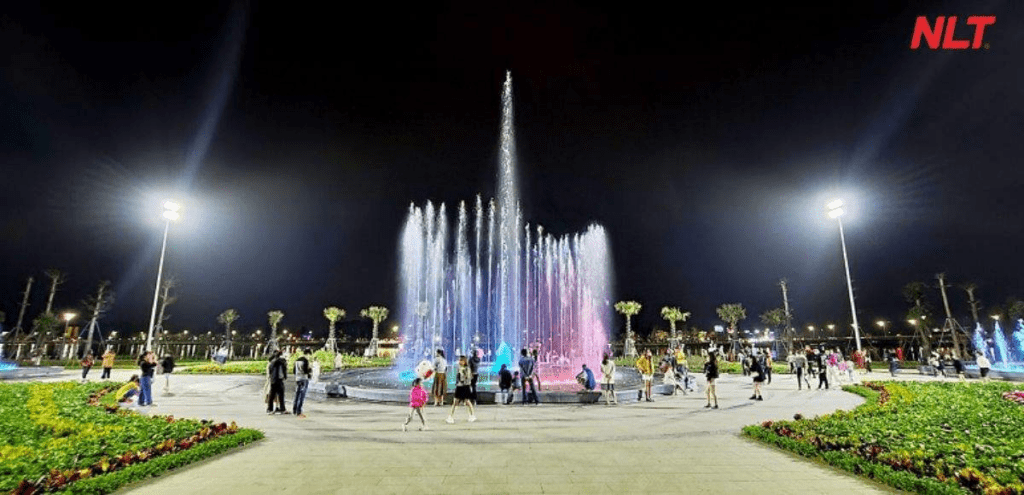
Maintaining artistic fountains provides the following benefits:
- Maintaining and enhancing aesthetics: creating an attractive highlight while contributing to a fresh and vibrant green space.
- Extending the lifespan of the fountain: periodic maintenance helps detect and promptly resolve technical issues, preventing equipment damage and ensuring stable operation.
- Ensuring safety for people and the surrounding environment: issues such as water leakage and electrical hazards may pose risks to users and harm the environment. Regular inspection and maintenance help prevent these risks and ensure maximum safety for the community.
- Reducing repair costs: preventing unexpected major failures and costly repairs.
>> See more: Musical fountain construction – Potential to attract tourism 2024
Conclusion
Maintaining artistic fountains not only ensures smooth operation but also preserves the beauty and longevity of the structure. NLT Group hopes that through this article, you now understand how to maintain a fountain effectively and systematically. In addition, if you have a need to construct an artistic fountain, please contact NLT Group for free consultation.
Nam Long Technology Investment Group (NLT Group)
- Hotline: 0911 379 581
- Email: kinhdoanh@nlt-group.com
- TIN: 0313339640
- Address: 43T Ho Van Hue Street, Duc Nhuan Ward, Ho Chi Minh City
>> You may be interested in:
Standard artistic fountain construction process you should know