Tiếng Việt
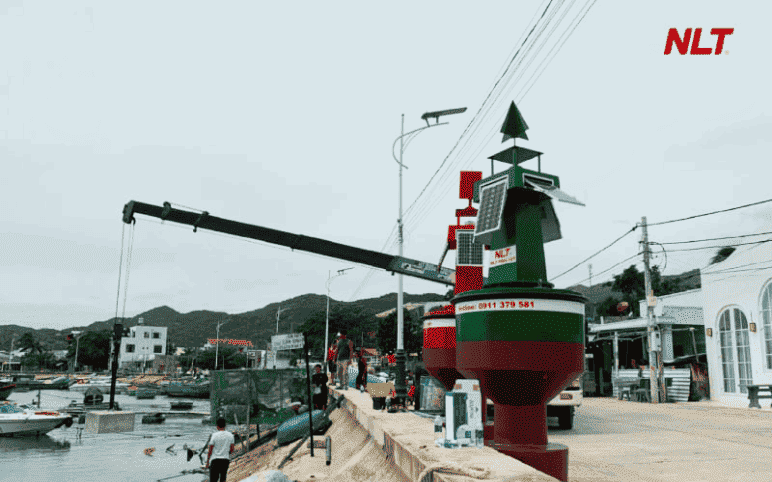
In maritime operations and sea transportation, the use of marine navigation buoys is indispensable. These buoys not only enhance safety for vessels at sea but also serve as essential tools for warning and guiding ships. This article provides detailed information about common types of marine navigation buoys, their uses and the key characteristics of each type.
What is a marine navigation buoy?
A marine navigation buoy is a floating device designed to emit signals or light to provide important information for seagoing vessels. These signals may include light, sound or other visual markers to warn of hazards, indicate routes or highlight specific areas that require attention.
Common types of marine navigation buoys
Traffic warning buoys
One of the most common types of marine navigation buoys is the traffic warning buoy. This type is typically used to mark areas with heavy water traffic or zones where vessels must reduce speed. They help ships navigate safely and comply with maritime traffic regulations.
Water level marker buoys
Water level marker buoys are specialized devices used to indicate water depth in specific areas. These buoys warn vessels about shallow waters, submerged rocks or other underwater hazards.
High visibility marker buoys
These buoys are usually painted in bright colors such as red, blue or yellow to ensure easy recognition from a distance. Their purpose is to warn of potential hazards such as reefs, unstable seabeds or areas with strong waves and winds.
Marine positioning buoys
These marine navigation buoys are often equipped with GPS devices to accurately determine their position at sea. They help define safe vessel locations and indicate maritime routes through electronic positioning systems.
Night illuminated buoys
Illuminated buoys are essential types of marine navigation buoys for nighttime vessel movement. They are typically equipped with LED lights or illuminated beacons to ensure visibility from a distance, helping vessels avoid collisions and accurately determine routes.
Features and applications of marine navigation buoys
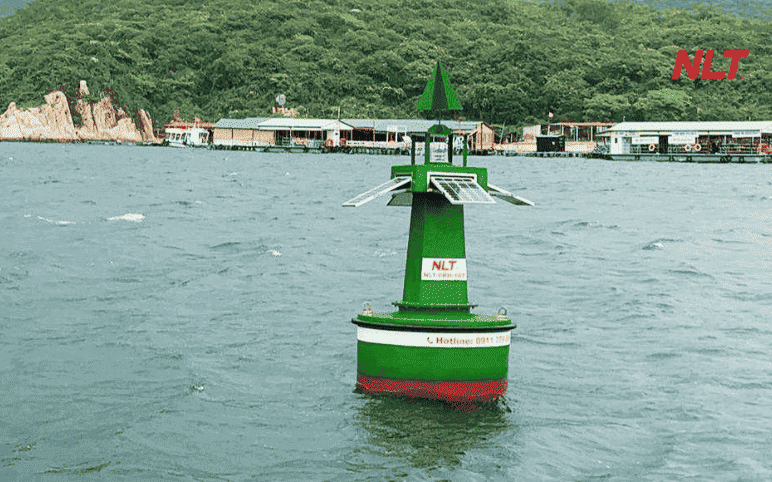
Marine navigation buoys have different features and applications depending on their intended use. Below are some functions and applications of each type:
- Traffic warning buoys: Primarily used in high vessel traffic areas to ensure safe navigation.
- Water level marker buoys: Help vessels avoid shallow waters or submerged rocks, reducing navigation risks.
- Marine positioning buoys: Used to establish precise maritime routes, helping vessels avoid obstacles.
- Illuminated buoys: Particularly important in areas without nighttime lighting, assisting vessels in identifying hazardous zones and correct directions.
Materials and structural characteristics of marine navigation buoys
Buoy construction materials
Marine navigation buoys are typically manufactured from durable, corrosion resistant materials capable of withstanding harsh marine weather conditions. Common materials include polyethylene plastic, stainless steel and high strength composite materials.
Structural characteristics
Navigation buoys generally feature a floating upper section that keeps them above water. The buoy body is specially designed for easy installation and long term operation with minimal maintenance requirements.
Installation process of marine navigation buoys
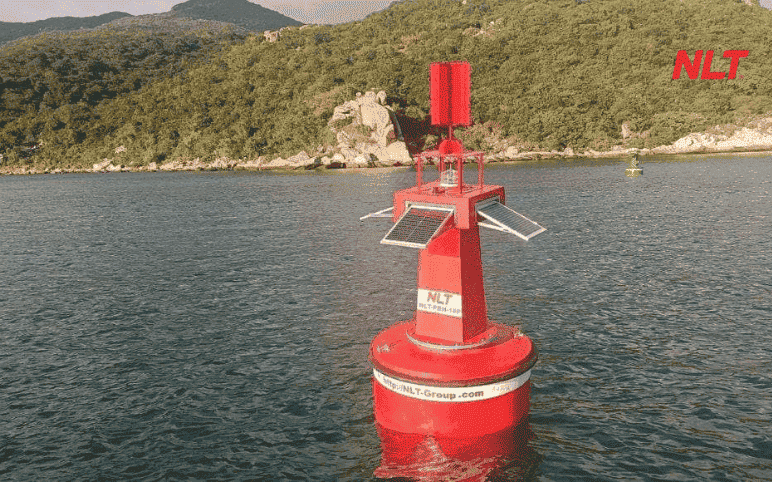
Installing marine navigation buoys requires precision and strict compliance with maritime authority regulations. The installation process includes basic steps such as:
- Site preparation: Conduct surveys to ensure the buoy is placed in an appropriate and safe location.
- Buoy installation: Secure installation to prevent overturning or displacement from its designated position.
- Periodic inspection: After installation, buoys must be regularly inspected and maintained to ensure long term operational effectiveness.
Benefits of using marine navigation buoys
Using marine navigation buoys provides numerous benefits, including:
- Enhanced maritime traffic safety: Help vessels navigate safely and avoid hazardous areas.
- Improved positioning capability: Positioning buoys help vessels accurately determine their routes and prevent unexpected incidents.
- Optimized maritime operations: Buoys support more efficient and safer marine transportation activities.
Quality commitment and warranty
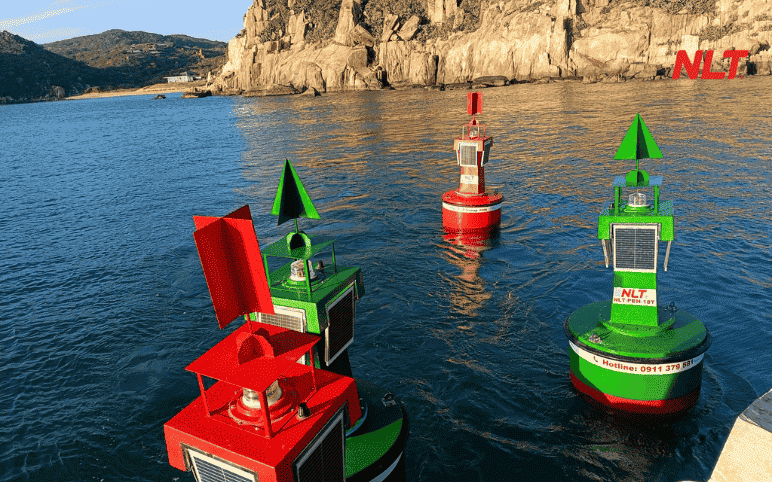
When selecting marine navigation buoys, product quality and durability are essential factors. Marine navigation buoys from NLT Group ensure superior quality, manufactured from corrosion resistant materials capable of withstanding harsh weather conditions and offering long service life. These products come with extended warranties, providing customers with peace of mind throughout their usage.
Conclusion
Marine navigation buoys play a critical role in ensuring maritime traffic safety and enabling vessels to operate under optimal conditions. Choosing high quality buoys suitable for specific environments is key to ensuring long term effectiveness. If you require more detailed information or quotations for buoy types, please contact us for professional consultation.
Frequently asked questions
Where can marine navigation buoys be used?
Marine navigation buoys are widely used in maritime traffic areas including seaports, waterways, coastal zones and areas with submerged rocks.
Do marine navigation buoys require maintenance?
Yes, buoys require periodic maintenance to ensure long term effectiveness. Inspection and replacement of damaged components are necessary.
Is installing marine navigation buoys complicated?
Buoy installation requires precision and compliance with safety standards. However, when performed by experts, the installation process is conducted effectively.
Contact information
If you have any questions about marine navigation buoys or would like more information about our products and services, please contact us through the following channels:
Nam Long Technology Investment Group (NLT Group)
- Hotline: 0911 379 581
- Email: kinhdoanh@nlt-group.com
- TIN: 0313339640
- Address: 43T Ho Van Hue Street, Duc Nhuan Ward, Ho Chi Minh City