Tiếng Việt
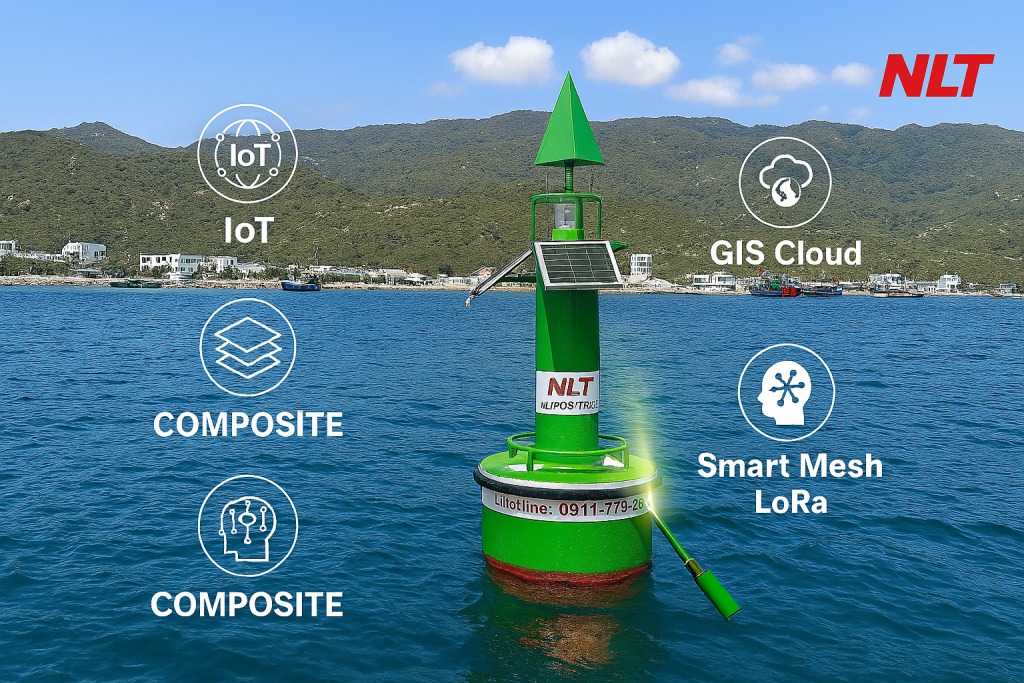
From ancient lighthouses to modern satellite navigation systems, maritime navigation aids have undergone an impressive evolution closely tied to the history of the maritime industry. However, as technology advances rapidly and the maritime sector moves toward automation, renewing and developing maritime navigation aids has become more critical than ever. This article takes you on a journey to explore the trends and emerging technologies shaping the future of maritime navigation aids.
Breakthrough technologies shaping the future of maritime navigation aids
Artificial intelligence (AI) and machine learning
Maritime navigation aids are entering a new era with the support of artificial intelligence and machine learning. AI algorithms can analyze data from multiple sources such as weather sensors, radar and AIS to detect hazardous situations and issue timely warnings to vessel operators. AI can also be used to optimize the management and control of navigation aid systems, for example by automatically adjusting lighthouse brightness based on weather conditions.
Internet of Things (IoT) and wireless connectivity
The Internet of Things and wireless connectivity enable real time data collection and transmission from navigation aid devices. This creates an intelligent and connected navigation aid network, allowing operators to monitor and control the entire system remotely. IoT also enables integration of navigation aids with other systems such as maritime traffic management systems and weather forecasting platforms.
Satellite navigation technology (GNSS) and precise guidance
Global Navigation Satellite Systems and precise navigation technologies enhance the accuracy of positioning and guidance, especially in high traffic areas or harsh weather conditions. GNSS can also be integrated with automation and control systems, enabling vessels to automatically adjust course and speed based on information from navigation aids.
Renewable energy technologies and new materials
Renewable energy technologies and new materials are being used to develop self powered and environmentally sustainable navigation aid devices. These devices can operate using solar, wind or wave energy, reducing operating and maintenance costs. New materials such as composites and nanomaterials are being applied to manufacture navigation aids with high durability and strong resistance to the marine environment.
These breakthrough technologies are shaping the future of maritime navigation aids, making systems smarter, more efficient and more sustainable.
Development trends of maritime navigation aids
The maritime industry is entering a new era driven by automation and renewable energy. This creates both major challenges and opportunities for maritime navigation aids. To respond to these changes, navigation aid systems must evolve toward intelligence, flexibility and sustainability.
Intelligent navigation aids for unmanned vessels
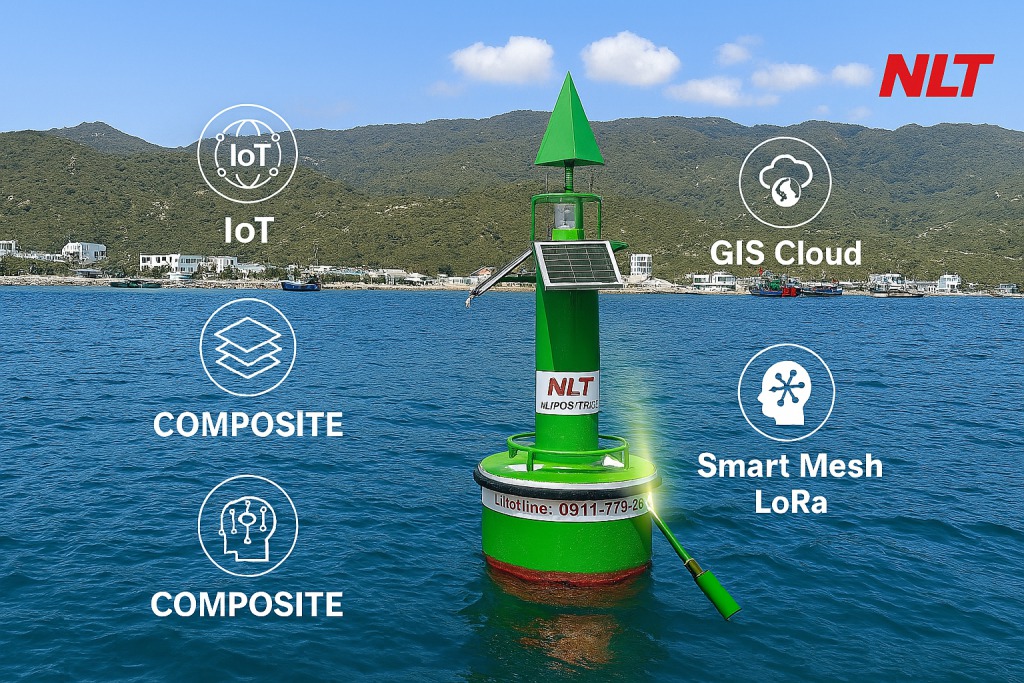
The development of unmanned vessels is reshaping the maritime landscape and posing significant challenges to traditional navigation aids. Autonomous vessels such as the United States’ Sea Hunter, the United Kingdom’s Mayflower and China’s unmanned mothership Zhu Hai Yun operate without human intervention, requiring navigation aid systems to be upgraded to ensure automatic recognition and response.
To adapt to this trend, intelligent navigation aid devices are being deployed using advanced sensors and long range communication technologies. Global trials show that integrating AI into navigation aids helps unmanned vessels recognize signals more effectively while enabling control centers to accurately track vessel positions. Some countries have tested buoys capable of adjusting light intensity and transmission frequency based on real world conditions, optimizing maritime operations in the digital era.
Application of renewable energy in navigation aid systems
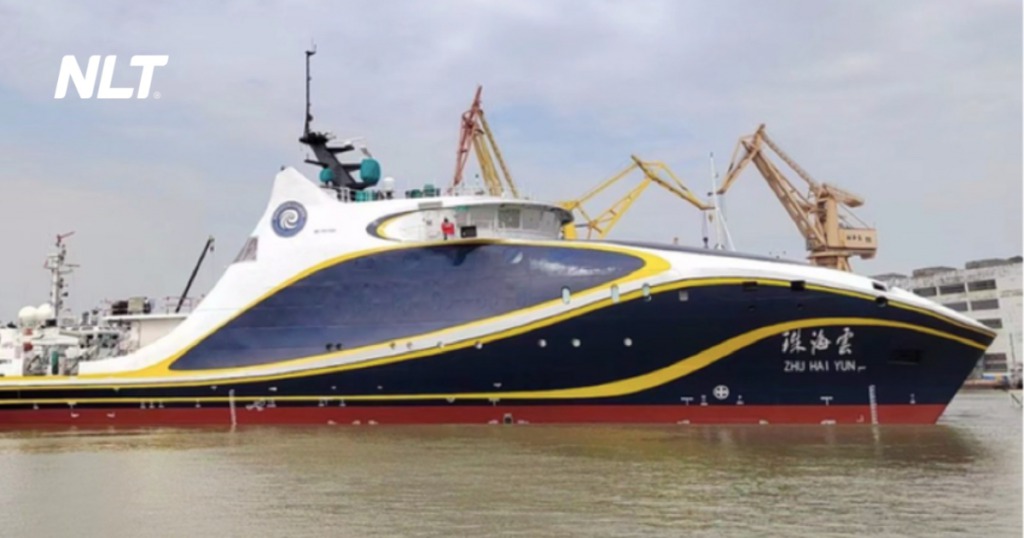
With the shift toward sustainable development, maritime navigation aids are increasingly using renewable energy to reduce operating costs and environmental impact. Modern navigation aid devices are equipped with solar panels, wind turbines and advanced energy storage systems, ensuring continuous operation even under harsh weather conditions.
Real world trials in Europe and Asia have demonstrated the effectiveness of self powered navigation aids. For example, offshore navigation buoys using solar energy can operate stably for months without maintenance. This not only significantly reduces operating costs but also enhances autonomy in ensuring maritime safety.
These development trends are shaping the future of maritime navigation aids, making systems smarter, more efficient and more sustainable.
>> See more: What does an inland waterway navigation aid system include?
Vision 2050: Intelligent and sustainable maritime navigation aids
Integrated and self adaptive navigation aid networks
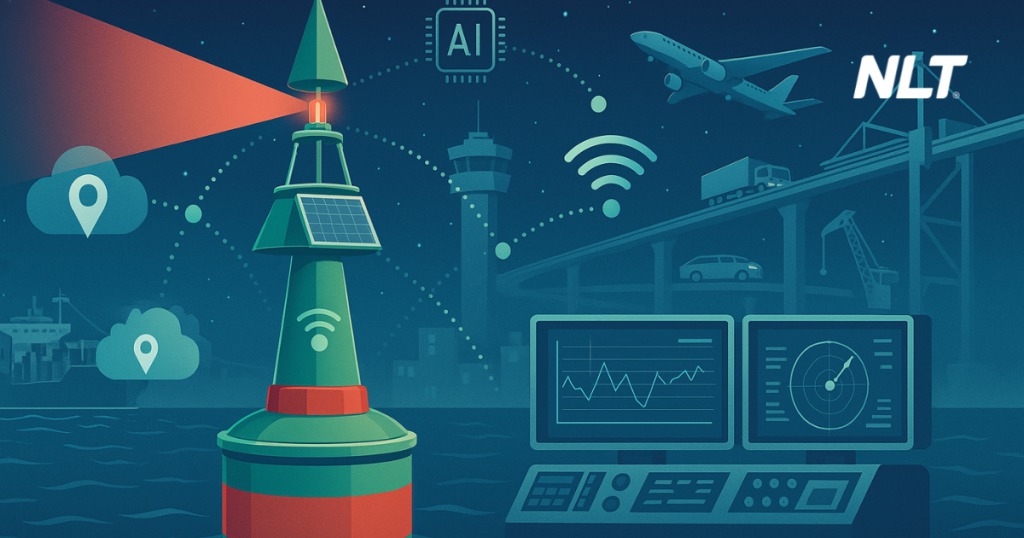
By 2050, maritime navigation aids will no longer be standalone devices operating independently. Instead, they will become part of an intelligent, integrated network connected with maritime, aviation and road traffic systems. Through IoT connectivity and artificial intelligence, navigation aids will be able to automatically adjust signals based on weather conditions, vessel density and emergency situations, ensuring safety while optimizing voyage efficiency.
One of the most significant innovations is environmental self adaptation. Next generation navigation buoys will be capable of adjusting light intensity, signal transmission frequency or even repositioning themselves to optimal locations based on real time data. This capability makes navigation aid systems not only more flexible but also more effective in reducing maritime accidents, particularly under severe weather conditions or as unmanned vessels become increasingly common.
Green and sustainable maritime navigation aid systems
Alongside technological advancement, sustainability is a core element of the 2050 vision. Next generation maritime navigation aids will operate entirely on renewable energy sources such as solar, wind or wave power, significantly reducing reliance on fossil fuels and lowering carbon emissions.
At the same time, materials used in navigation aid equipment will be improved to be more environmentally friendly. Corrosion resistant, recyclable materials that do not pollute seawater will replace traditional materials. The ultimate goal is to build a maritime navigation aid system that not only ensures safe navigation but also contributes to protecting marine ecosystems, moving toward a modern, intelligent and sustainable maritime industry.
Conclusion
The future of maritime navigation aids is being shaped by breakthrough technologies, from artificial intelligence and IoT to renewable energy and advanced materials. Innovation and system development are essential to meet the demands of the maritime industry in the unmanned era. Stronger research efforts and collaboration are needed to build an intelligent, sustainable and safer maritime navigation aid system that not only ensures efficient maritime traffic but also contributes to the protection of the world’s oceans.
Contact information
If you are interested in deploying navigation buoy systems or need consultation on maritime navigation aid solutions, please feel free to contact NLT Group.
Nam Long Technology Investment Group (NLT Group)
- Hotline: 0911 379 581
- Email: kinhdoanh@nlt-group.com
- TIN: 0313339640
- Address: 43T Ho Van Hue Street, Duc Nhuan Ward, Ho Chi Minh City
Contact us today for a free consultation and experience state of the art intelligent maritime navigation aid solutions from NLT Group!