Tiếng Việt
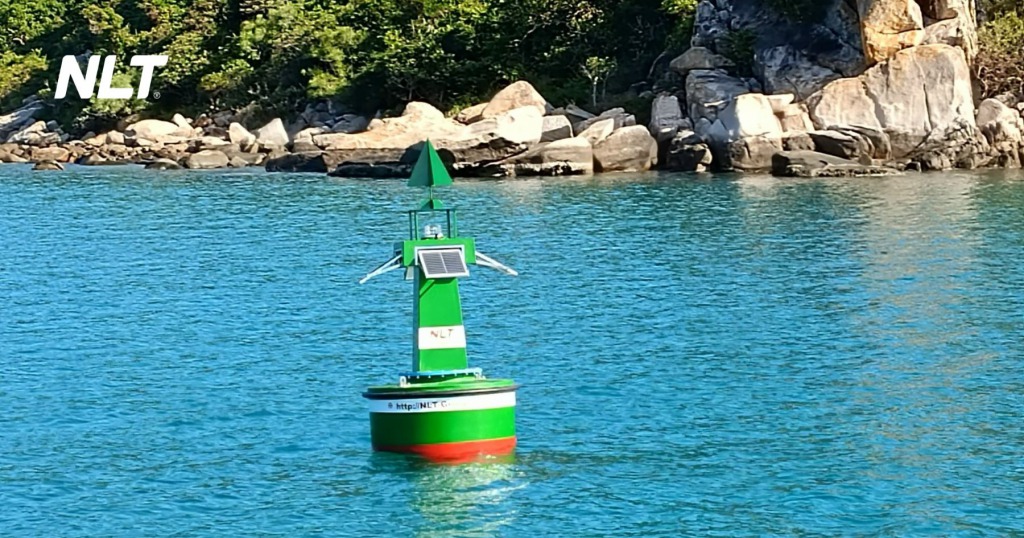
Navigational buoys are indispensable components of inland waterway traffic systems. However, without regular inspection, inland waterway buoy defects can silently accumulate and lead to serious consequences such as incorrect channel alignment, improper flashing cycles or loss of positioning capability. For this reason, the inspection and detection of inland waterway buoy defects must be carried out systematically, in strict compliance with technical procedures and never based on subjective judgment. This article provides a detailed guide on effective inspection methods, accurate identification of common inland waterway buoy defects and appropriate corrective measures to ensure that the signaling system always operates stably and safely.
Overview of inland waterway navigational buoys and the role of periodic inspection

What is an inland waterway buoy and what is it used for?
An inland waterway navigational buoy is a floating device installed at fixed positions or allowed to drift within controlled areas, used to support vessel navigation on rivers, canals, ports or coastal waters. Each type of buoy has its own color, shape and signal characteristics, serving different purposes.
Buoys may operate independently or as part of an integrated signaling system connected with lighting systems, GPS positioning sensors and wireless data transmission devices such as LoRa. They are operated in accordance with standards of inland waterway and maritime transport authorities.
>> See more: Everything you need to know about inland waterway navigational buoys (Updated 2025)
Why is periodic inspection and detection of inland waterway buoy defects necessary?
Despite being designed for harsh environments, inland waterway buoys are outdoor devices that operate continuously and are exposed to multiple environmental impacts. Failure to detect inland waterway buoy defects early can result in:
- Inland waterway traffic accidents: vessels may travel off channel or fail to receive timely warnings.
- Disruption of cargo flows and port operations: causing significant economic losses.
- Loss of management credibility: negatively affecting overall safety and route management capacity.
Therefore, periodic buoy inspection is not only a technical requirement but also a mandatory responsibility of managing entities to ensure smooth, safe and efficient inland waterway operations and to prevent potential risks arising from inland waterway buoy defects.
Common defects in inland waterway navigational buoys
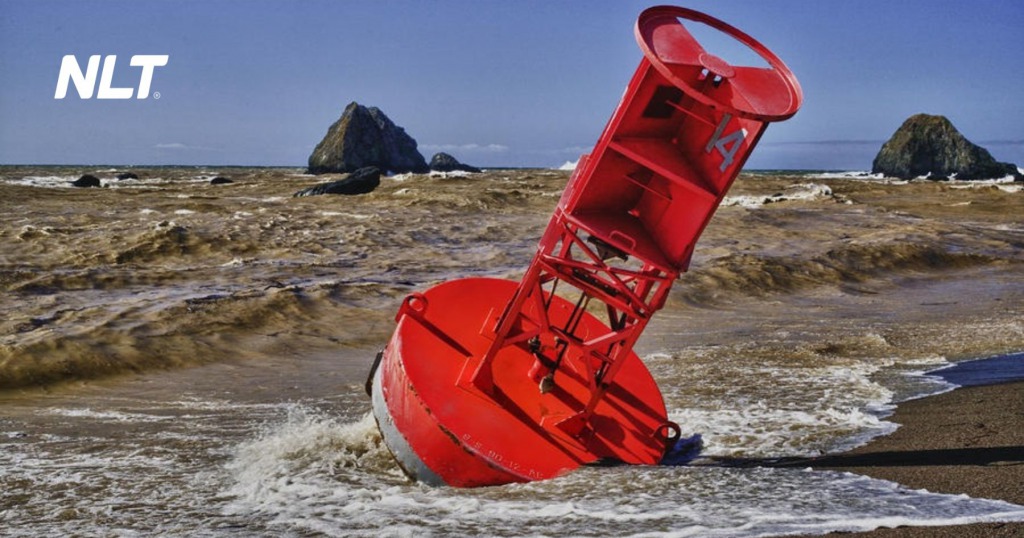
Buoys drifting away from their original positions
This is a serious inland waterway buoy defect that directly affects the accuracy of channel navigation. When a buoy is no longer at its designed position, vessels may receive incorrect signals, increasing the risk of deviation, grounding or collision, especially at night or under limited visibility conditions. Therefore, verifying the position of each buoy against GPS coordinates or digital maps is a mandatory step in every inspection cycle.
Warning light system not functioning
Warning lights on buoys play a critical role in ensuring navigational safety at night or during adverse weather conditions. Lights may fail to illuminate or flash at incorrect frequencies due to:
- Electrical circuit issues: short circuits, broken wires or oxidation.
- LED lamp failure: after prolonged use.
- Automatic lighting control unit malfunction: including faulty photometric sensors.
When warning lights are lost, long-range buoy visibility is completely compromised, making it difficult for vessels to identify restricted or hazardous zones. This inland waterway buoy defect must be addressed immediately upon detection.
Weak or damaged storage batteries
Most modern buoys use solar energy systems combined with storage batteries to power lights and electronic equipment. However, in some cases, batteries may encounter issues, causing all attached devices to stop operating, including signal lights and data transmission modules. This defect commonly appears after about 3 to 5 years if batteries are not replaced periodically. Checking actual battery capacity is an indispensable step in the maintenance process.
Corrosion, broken joints or strong impacts
Due to constant exposure to saltwater, sediment, waves and mechanical impacts, buoy components such as mooring shafts, joints or buoy shells may easily suffer corrosion, cracking or deformation. These damages not only affect buoyancy and stability but also pose hazards if buoys capsize, sink or drop equipment into the water. Careful surface inspection, joint adhesion testing and watertightness checks are critical steps in every maintenance operation.
GPS positioning device signal loss
Modern buoys are often integrated with GPS positioning modules to monitor location and issue alerts if buoys drift outside designated areas. However, several factors can cause signal loss or inaccurate operation:
- Antenna obstruction: fouling by algae or weather-related damage.
- Unstable power supply: preventing continuous operation.
- Software errors or faulty positioning modules: requiring replacement.
When GPS data is inaccurate or unavailable, operation centers cannot monitor actual buoy positions, rendering early warning systems ineffective. GPS signal inspection should be conducted alongside field data verification and digital map comparison.
>> See more: Navigational buoy structure explained from inside out
Guide to inspecting inland waterway buoys in accordance with standard procedures

Preparing equipment and documentation before inspection
Before inspecting inland waterway buoy defects, it is necessary to prepare sufficient tools, technical documentation and dedicated personnel. The equipment list must meet at least the minimum requirements stipulated in QCVN 39:2011/BGTVT, including:
- Channel route maps and original coordinate positions of each buoy: determined from the initial design or GIS digital maps.
- Specialized inspection equipment: including battery voltage meters, handheld GPS devices, LED light intensity meters, and LoRa transmission and reception devices if a smart system is used.
- Personal protective equipment: such as life jackets, gloves, anti slip footwear and protective goggles.
- Inspection forms or electronic buoy management software: used to record inspection data in accordance with standard templates.
Visual inspection from shore or using unmanned aerial vehicles
This is the initial inspection step that helps quickly identify easily recognizable inland waterway buoy defects without close approach:
- Use binoculars or zoom cameras from shore to observe buoy position, color and signal light condition during nighttime operation.
- Use flycams or drones equipped with GPS and gimbal cameras to fly along the river route, capturing images and videos of each buoy to identify positional deviation, physical condition or signs of structural damage.
- Check consistency between actual buoy positions and coordinates on digital maps to detect minor drift.
On site inspection using vessels or boats
For inland waterway buoy defects that cannot be assessed through remote observation, on site inspection is required:
- Use small vessels or specialized boats to approach each buoy, especially when there are suspicions of defects related to lighting systems, mooring, structural components or corrosion.
- Inspect buoyancy, anchoring joint stability and installation condition of solar panels.
- Record mechanical damage such as buoy shell cracks, rust, broken joints or detached equipment.
This process requires personnel with skills for working on water surfaces and strict compliance with safety procedures.
Measuring technical parameters of lights, batteries and GPS modules
This is an in depth inspection stage requiring technical equipment and skilled personnel:
- Measure battery voltage and capacity using specialized meters, ensuring values are not lower than the minimum thresholds specified by standards, typically from 11.5V or higher for 12V batteries.
- Check LED lights to ensure correct flashing frequency and luminous intensity, especially at night or under low light conditions.
- Compare actual GPS coordinates with monitoring system data, ensuring positional deviation does not exceed 5 to 10 meters.
- For buoys with wireless connectivity such as LoRa or NB IoT, use signal reading modules to verify data transmission status, signal strength and reporting frequency.
After each inspection, all parameters must be clearly recorded, preliminary condition assessments made and corrective measures proposed if inland waterway buoy defects are detected.
Application of technology in detecting smart inland waterway buoy defects
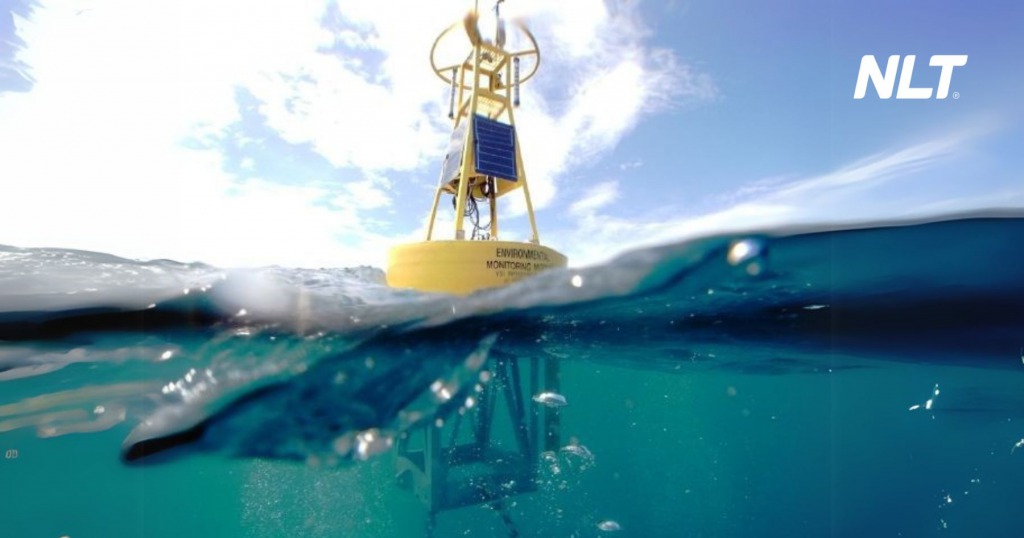
Using LoRa Smart Mesh systems for automated monitoring
LoRa Smart Mesh technology allows buoys to be equipped with wireless modules that interconnect in a mesh network model. Each buoy not only transmits its own data but also relays data from neighboring buoys back to the control center. The system operates based on the following principles:
- Each buoy functions as a communication network node.
- When one buoy encounters a defect such as signal loss or positional deviation, other buoys receive and forward alerts to the central system.
- The system is capable of automatically rerouting transmission paths, ensuring uninterrupted data flow.
Combining GIS digital maps and sensors to monitor buoy status
Advanced operators currently integrate GIS digital maps with sensors embedded in each buoy to provide intuitive operational status displays:
- Actual GPS positions are cross checked against initial design data on digital maps.
- Tilt sensors, water level sensors or vibration sensors can detect incidents such as buoy tilting, drifting or collision.
- Light status, battery capacity and flashing counts are updated in real time on the operation interface.
Real time data supporting early warning and reducing inspection manpower
Instead of dispatching personnel for periodic inspections on fixed schedules, smart monitoring technology enables:
- Early detection of incidents, allowing proactive maintenance before inland waterway buoy defects escalate or pose safety risks.
- Reduced frequency of manual inspections, with technicians dispatched only when specific alerts are generated by the system.
- Automatic storage of operational history, supporting long term equipment performance evaluation and planning for periodic replacement or upgrades.
The use of real time data represents a significant step forward in improving buoy operation quality while reducing pressure on increasingly limited human resources in the technical infrastructure sector.
Safety notes for buoy inspection and maintenance

Full provision of personal protective equipment
All activities related to inspection and maintenance of inland waterway buoy defects are carried out in environments with high potential risks such as slippery surfaces, falling into the water or collision with other waterway vehicles. Therefore, personnel performing the work must be fully equipped with appropriate personal protective equipment before going on site. Proper preparation of protective gear is not only a mandatory requirement but also a practical measure to protect lives and minimize risks for workers.
Compliance with procedures when operating on water surfaces
Throughout the inspection process, all approaches to and work on buoys must strictly comply with safety procedures.
- Do not exceed the load capacity of small vessels or boats used for access:
- Always maintain a safe distance between the vessel and the buoy: to avoid collision or improper anchoring that may cause buoy displacement.
- Only carry out technical inspections when water conditions are stable: with no strong winds, high waves or storms.
In addition, all operations related to electrical systems, solar energy equipment or GPS devices must be conducted strictly in accordance with the manufacturer’s technical guidelines.
Recording data and preparing technical reports after inspection
After each inspection, recording complete and accurate field data is an indispensable step. Technical staff must prepare inspection records for each buoy, clearly stating the location, the type of inland waterway buoy defect detected, a preliminary assessment of the cause and proposed corrective actions if necessary. In cases where serious inland waterway buoy defects are identified, photographs, videos or detailed parameter measurements must be taken and included in the technical documentation.
This information not only supports tracking the operational history of the equipment but also serves as a basis for maintenance planning, budget estimation and responsibility assessment in the event of subsequent incidents.
Conclusion
Inspection and detection of inland waterway buoy defects are not merely technical responsibilities but core factors in ensuring traffic safety and effective channel management. From manual and visual inspection steps to the application of modern monitoring technologies such as LoRa Smart Mesh and GIS digital maps, all efforts are directed toward maintaining stable operation of the signaling system. Conducting inspections in accordance with standard procedures, addressing inland waterway buoy defects at the appropriate level and strictly complying with occupational safety requirements are mandatory to minimize incidents and sustain a smart, resilient inland waterway infrastructure in the long term.
FAQ
How often should buoys be inspected?
In general, navigational buoys should be inspected periodically every 3 to 6 months, depending on location, traffic density and hydrological conditions. For buoys located in coastal areas, river mouths or regions with strong currents, inspections should be carried out more frequently or after major storms to quickly detect and remedy inland waterway buoy defects.
Is a separate plan required for inspections during the rainy season?
Yes. During the rainy season, water levels rise, flow conditions become unpredictable and collision risks increase. Operating units should implement additional inspection plans, prepare specialized vessels, unmanned aerial vehicles or deploy area monitoring if inland waterway buoy defects such as displacement or signal loss are detected.
Can inspections be conducted remotely using technology?
Yes, absolutely. With LoRa, NB IoT or GPS systems integrated with GIS, modern buoys can transmit real time data back to the control center. This enables monitoring of battery status, lighting, positioning and incident alerts without the need for frequent on site inspections.
Who is responsible for handling defective buoys when issues are detected?
Depending on the management level of the waterway route, the responsible entity may be the Department of Transport, the Inland Waterway Port Authority or an operator assigned under contract. In cases where buoys belong to privately invested systems, responsibility lies with the investor in accordance with the agreed management and operation arrangements.