Tiếng Việt
In inland waterway transport, correctly identifying the navigation channel is a vital factor in ensuring safety. To achieve that, the waterway navigation aid system plays an irreplaceable role. However, if it is not designed and recognized under a unified standard, buoys can cause confusion and lead to serious accidents. That is exactly why the IALA A standard was introduced and applied in many countries worldwide, including Vietnam.
In this article, we will explore the IALA A standard currently applied in Vietnam to understand why it matters, and how NLT Group helps you correctly identify buoy types in accordance with international regulations.
IALA and the waterway navigation aid system

Who is IALA and what is its role in international maritime navigation?
IALA stands for the International Association of Marine Aids to Navigation and Lighthouse Authorities. It is the organization responsible for issuing technical standards related to aids to navigation at sea and on rivers, especially buoyage systems.
IALA operates as an international nonprofit organization, bringing together more than 80 member countries and many maritime related organizations, with the goal of building a unified, safe, and efficient global maritime signaling system.
Why a unified international standard is necessary
Before the IALA standard framework was established, each country or region used its own buoyage system. This created extremely dangerous confusion for international vessels traveling from one area to another. A non standardized navigation aid system can lead to misinterpreting channel direction, increasing the risk of grounding, collisions, or navigation route deviations.
That is why a unified buoyage system developed by IALA helps to:
- Ensure maritime safety worldwide.
- Facilitate international trade.
- Make it easier for mariners to learn, remember, and respond effectively in real situations.
The difference between the IALA A and IALA B systems
IALA divides the world into two buoyage regions:
- IALA A: Applied in Europe, Africa, Asia (including Vietnam), Australia, and New Zealand.
- IALA B: Applied in North America, South America, Japan, South Korea, and the Philippines.
The most important difference between the two systems is the color meaning and placement of the left and right lateral marks when a vessel is entering a harbor or proceeding upstream. Under IALA A, red marks the left side and green marks the right side. Under IALA B, it is reversed.
Which system does Vietnam apply?
Vietnam belongs to the IALA A region under IALA’s global division. This means all buoys in Vietnam, from river and canal channels to seaports, follow the rule: red on the left and green on the right when a vessel is entering a harbor or proceeding upstream.
Applying IALA A correctly not only aligns Vietnam with international practice, but also helps vessel operators determine the correct course, especially at night or in limited visibility conditions.
Overview of the IALA A standard
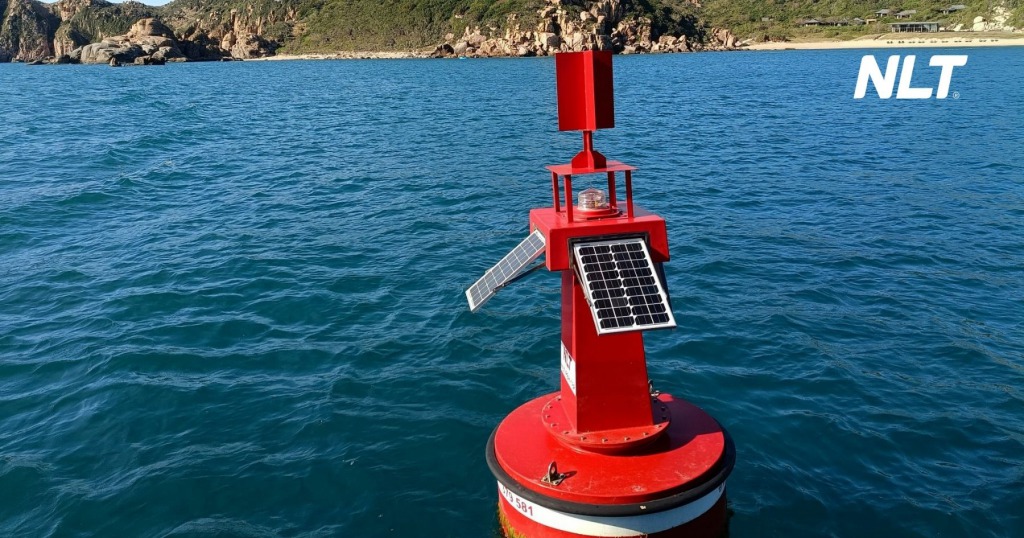
Operating principles of the IALA A system
The core principle of the IALA A system is to guide vessels to stay within the safe channel when entering a harbor or proceeding upstream. Under this principle:
- Red buoy (port side): must be on the left side of the vessel when the vessel is entering a harbor or proceeding upstream.
- Green buoy (starboard side): is on the right side of the vessel in the same situation.
When a vessel is leaving a harbor or proceeding downstream, the color positions are reversed, meaning red is on the right and green is on the left. However, the fundamental rule remains unchanged: colors correspond to the channel sides when entering a harbor.
Buoy color regulations
Colors are clearly defined so they can be distinguished even from a distance:
| Buoy type | Color |
| Port-hand buoy (Port) | Red |
| Starboard-hand buoy (Starboard) | Green |
| Preferred channel buoy | Alternating red and green |
| Isolated danger buoy | Black and yellow |
| Special mark | Yellow or a distinct color depending on function |
Shapes and identifying marks
IALA A uses not only color but also shape to improve recognition under all lighting conditions.
| Buoy type | Typical shape |
| Port-hand buoy | Cylindrical or can-shaped |
| Starboard-hand buoy | Conical or pillar-shaped |
| Preferred channel buoy | Pillar with alternating red and green bands |
| Danger buoy | Pillar with a cross-shaped topmark or a black spherical topmark |
Night-time light system
To support navigation at night or in fog, each buoy is typically fitted with a signal light:
- Red light: fitted on port-hand buoys.
- Green light: fitted on starboard-hand buoys.
The flash rate and flash pattern can vary to distinguish among buoy types, such as single flashes, double flashes, or group flashes.
The flash characteristics are specified in nautical charts or in the relevant signal standards.
Main channel direction and how to distinguish port and starboard sides
In the IALA A system, the “main channel direction” is defined as the direction of entering a harbor or proceeding upstream. This is the basis for identifying:
- Port side: the left-hand side when facing toward the harbor or upstream direction.
- Starboard side: the right-hand side in the same direction.
Using this distinction, vessels can correctly determine which side to keep the buoys on, avoiding collisions or unsafe channel deviations.
Classification of buoys under the IALA A standard
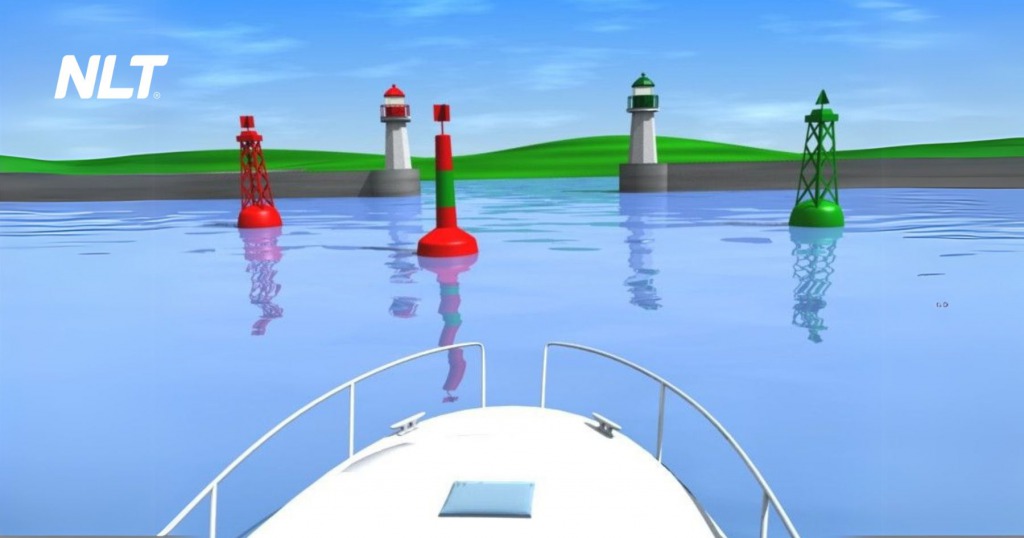
The IALA A system clearly defines each type of buoy by position, color, shape, and light characteristics to support accurate navigation in inland and coastal waterways. Understanding the features of each buoy type helps vessel operators avoid dangerous confusion and comply with international regulations.
Port-hand buoys (left side)
Port-hand buoys mark the left boundary of the channel when a vessel is entering a harbor or proceeding upstream (the main channel direction). Vessels must keep to the right of red buoys to remain within the safe channel.
Under QCVN 72:2013/BGTVT and IALA A, the color red is always associated with the port side in navigation.
| Attribute | Description under IALA A |
| Color | Red |
| Common shape | Cylindrical (can) or pillar |
| Topmark | Cylindrical topmark or none |
| Placement | Left edge of the channel when entering a harbor or proceeding upstream |
| Light | Red light, typically single flashing, slow flashing, or group flashing |
| Purpose | Guides vessels to keep the buoy on their right to enter the channel safely |
Starboard-hand buoys (right side)
In contrast to port-hand buoys, starboard-hand buoys mark the right boundary of the channel. When entering a harbor or proceeding upstream, green buoys are kept on the vessel’s right side.
| Attribute | Description under IALA A |
| Color | Green |
| Common shape | Conical (cone) or pillar with conical top |
| Topmark | Cone pointing upward |
| Placement | Right edge of the channel when entering a harbor or proceeding upstream |
| Light | Green light, flashing patterns similar to red buoys but distinguished by color |
| Purpose | Helps vessels keep to the left of the buoy to avoid the channel edge |
Preferred channel / mid-channel buoys
Preferred channel buoys indicate the center of a channel, where vessels may pass on either side depending on safe maneuvering. These buoys are commonly found at junctions or bifurcations of channels.
| Attribute | Description |
| Color | Alternating vertical red and green bands |
| Common shape | Tall pillar or special spar |
| Light | Alternating colors or group flashing as specified for the area |
| Placement | Channel junctions, dual channels, or locations marking the channel center |
| Main role | Helps vessels identify channel division and preferred navigation routes |
Isolated danger buoys
This is a critical warning buoy used to mark fixed hazards such as submerged rocks, wrecks, old bridge piers, or sunken objects. The buoy is placed directly over the hazard.
IALA designates this type as an Isolated Danger Mark, which is mandatory in areas with isolated underwater dangers.
| Attribute | Description |
| Color | Black with one or two red horizontal bands |
| Common shape | Pillar |
| Topmark | Two black spheres arranged vertically |
| Light | White light, flashing in groups of two |
| Placement | Directly over the hazard (not to either side) |
| Purpose | Warning: vessels must not pass over this buoy |
Special marks and new signal buoys
These buoys are not used for channel direction but to mark areas with special functions such as restricted zones, construction areas, bathing zones, aquaculture zones, conservation areas, or other regulated waters.
| Attribute | Description |
| Color | Yellow |
| Common shape | Flexible: pillar, cone, or large floating buoy |
| Topmark | Yellow “X” (X-spar topmark) |
| Light | Yellow light; single, group, or quick flashing depending on regulations |
| Placement | Restricted areas, protected zones, military zones, construction sites, or fishing grounds |
| Purpose | Indicates special-use areas or access restrictions |
>> See more: Structure of navigation buoys: a detailed inside-out breakdown
Application of the IALA A standard in Vietnam
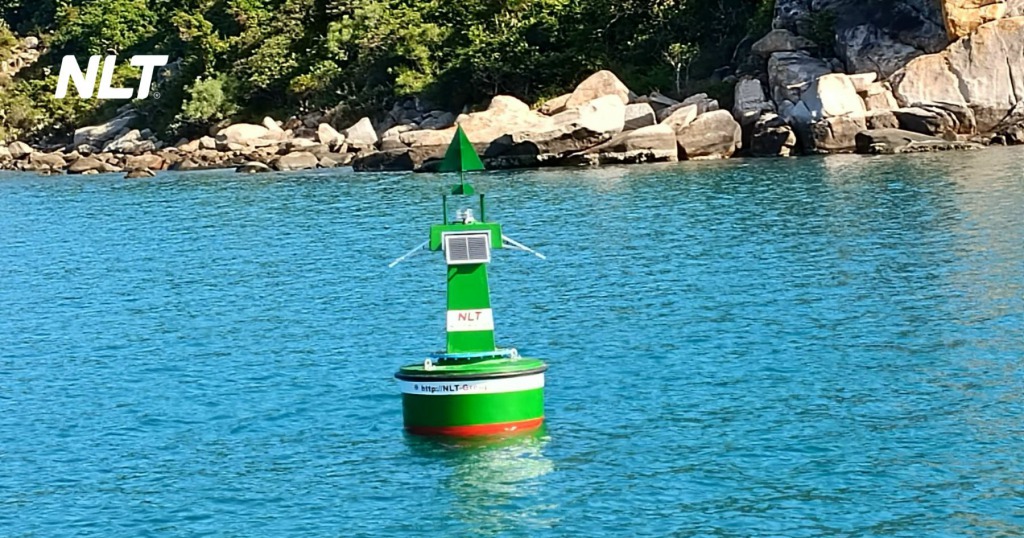
Legal framework in Vietnam
Vietnam officially applies the IALA A navigation aid system through several key legal documents. The most notable is QCVN 72:2013/BGTVT – National Technical Regulation on Inland Waterway Aids to Navigation, issued by the Ministry of Transport. Related provisions are also specified in documents such as:
- Circular 54/2014/TT-BGTVT on the management of inland waterway navigation aids
- QCVN 72:2013/BGTVT: National technical regulation on inland waterway navigation aids in Vietnam
These documents clarify requirements on color, shape, size, and placement of buoys, while harmonizing international standards with Vietnam’s inland waterway system.
Waterways currently applying IALA A
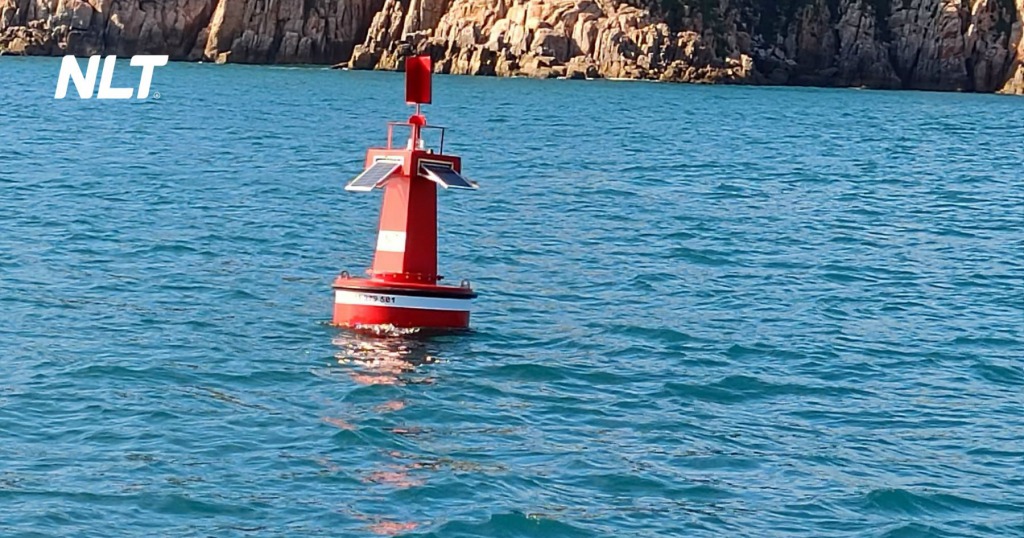
At present, most inland waterways and coastal shipping channels in Vietnam apply the IALA A system. Typical examples include:
- Luong Hai Phong – Cai Lan – Hon Gai
- Luong Sai Gon – Vung Tau
- Luong Can Tho – Tran De
- He thong song Tien, song Hau, kenh Cho Gao va kenh Dung
On these routes, red and green lateral buoys, preferred channel buoys, and special warning buoys are all designed and installed in accordance with IALA A specifications, ensuring accurate navigation both day and night.
Role in ensuring inland maritime safety
Applying the IALA A standard is not only about international compliance but also a practical solution to reduce navigational risks. When buoys are correctly installed and equipped with clear signal lights, vessel operators can easily identify safe channels, avoid hazardous areas, and maintain correct routes even in poor weather or at night.
Thanks to consistent application of IALA A, incidents such as groundings and collisions have been significantly reduced on major transport corridors like the Mekong Delta waterways, Nha Be Canal, and Dinh An estuary. At the same time, it supports more effective channel management, buoy maintenance, and smarter traffic regulation across Vietnam’s waterway network.
Notes when identifying buoys under the IALA A standard
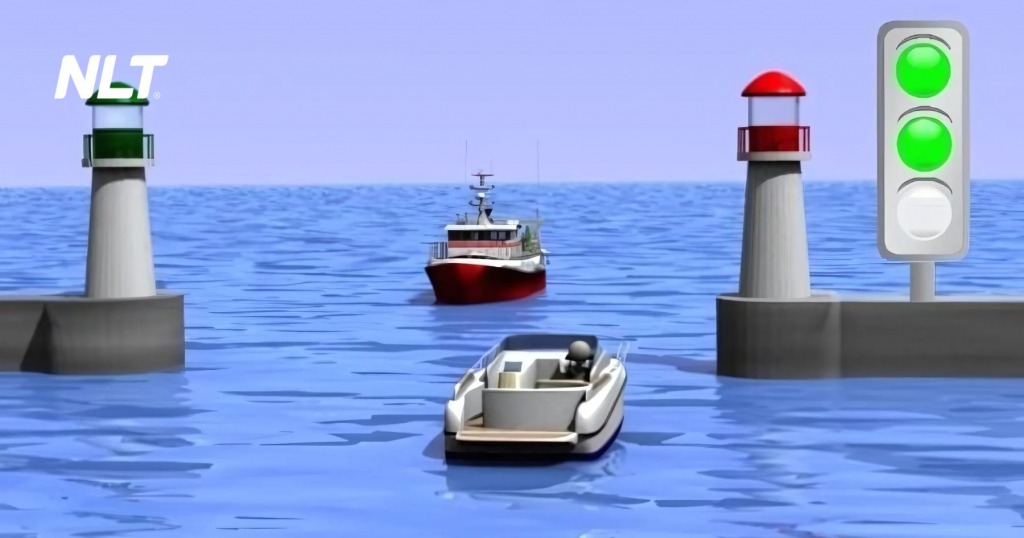
Situations that commonly cause confusion
Although the IALA A standard is relatively intuitive, in real navigation there are many situations where vessel operators can easily become confused:
- Failing to identify the main channel direction. If the operator does not clearly know whether the vessel is proceeding upstream or downstream, it is easy to misidentify the left and right sides of the channel.
- Weak or malfunctioning signal lights. When lights are dim, damaged, or flashing incorrectly, it becomes very difficult to distinguish buoy types at night.
- Adverse weather conditions. Fog, heavy rain, or darkness can severely limit visibility of buoy colors and shapes.
- Channel intersections or bifurcations. At junctions, preferred channel buoys can be confusing if the role and characteristics of mid-channel markers are not well understood.
Quick tips for recognizing color, shape, and light
To avoid mistakes and respond promptly when navigating buoyed channels, vessel operators should remember a few simple rules:
- Color rule. “Red on the left – Green on the right” when entering a harbor or proceeding upstream. This is the core principle of the IALA A system.
- Shape rule. Cylindrical (can-shaped) buoys mark the left side, while conical buoys mark the right side.
- Light rule. Red lights are fitted on port-hand buoys, green lights on starboard-hand buoys, while white lights usually indicate isolated danger or special marks.
- Use digital charts and AIS. Many modern navigation systems support real-time buoy identification, improving accuracy and safety.
Consequences of not complying with channel separation rules
Failure to comply with IALA A channel marking rules can lead to serious consequences:
- Increased risk of collision with oncoming vessels or larger ships navigating correctly within the channel.
- Grounding or striking underwater obstacles due to misinterpreting warning buoys.
- Local congestion at bends or channel junctions caused by vessels entering the wrong side of the fairway.
- Violation of inland waterway traffic regulations, potentially resulting in administrative penalties.
In practice, many waterway accidents have occurred simply because a red buoy was mistaken for the right-hand side, or a special mark was misinterpreted as a lateral buoy, leading to loss of orientation and incorrect maneuvering.
Conclusion
Understanding and strictly following the IALA A standard not only ensures safe navigation but also reflects the responsibility of vessel operators toward the entire inland waterway traffic system. In Vietnam, this standard is widely applied across inland and coastal routes, contributing significantly to accident reduction and more effective traffic management.
As waterways continue to modernize and adopt digital technologies, correct recognition of IALA A buoy systems is essential knowledge for anyone involved in maritime and inland waterway operations.
FAQ (Câu hỏi thường gặp)
u003cstrongu003eu003cstrongu003eWhat is the difference between IALA A and IALA B?u003c/strongu003eu003c/strongu003e
The main difference lies in the color positioning of lateral buoys when entering a harbor or proceeding upstream.u003cbru003eIALA A: Red on the left, Green on the right.u003cbru003eIALA B: Green on the left, Red on the right.u003cbru003eOther features such as light characteristics or topmarks may also differ, but lateral color orientation is the most critical distinction.
u003cstrongu003eu003cstrongu003eWhy does Vietnam not use IALA B?u003c/strongu003eu003c/strongu003e
According to the IALA regional division, Vietnam belongs to the Asia Europe Africa Australia region, which applies the IALA A system. IALA B is used in countries such as the United States, Canada, Japan, Korea, and parts of the Americas. Using a consistent regional system helps international vessels adapt more easily when calling at Vietnamese ports.
u003cstrongu003eu003cstrongu003eHow can you tell whether a buoy is on the left or right side of the channel?u003c/strongu003eu003c/strongu003e
Determine the main channel direction first (entering a harbor or proceeding upstream).u003cbru003eA red cylindrical buoy marks the left side of the channel.u003cbru003eA green conical buoy marks the right side of the channel.u003cbru003eA simple reminder is “Red left, Green right when entering a harbor” for IALA A.
u003cstrongu003eu003cstrongu003eAre signal lights mandatory on buoys?u003c/strongu003eu003c/strongu003e
They are not mandatory in all cases, but they are strongly recommended and required on major routes, especially in areas with night operations, narrow channels, busy ports, or high traffic density. Lights greatly improve visibility in poor weather and low-light conditions.
u003cstrongu003eu003cstrongu003eIs it allowed to move or repaint buoys without permission?u003c/strongu003eu003c/strongu003e
Absolutely not. Relocating or altering the color or shape of navigation buoys without authorization is a legal violation that can seriously endanger navigation safety. Any modification must be carried out only by authorized agencies in accordance with official navigation aid plans.