Tiếng Việt
In software outsourcing projects, internal data, user data, source code, and system architecture are among the most critical assets. Once this information is leaked, stolen, or unlawfully modified, a business not only suffers reputational damage but may also face serious financial losses or even legal risks.
So how can businesses, as outsourcing clients, feel confident entrusting their digital assets to a third party? The answer is to check whether the provider complies with the ISO/IEC 27001 standard.
What is ISO/IEC 27001?
ISO/IEC 27001:2013 is an international standard for information security management systems (ISMS – Information Security Management System) issued by the International Organization for Standardization (ISO) and the International Electrotechnical Commission (IEC).
Its primary objective is to establish, operate, maintain, and continuously improve an information security management system within an organization.
What does ISO 27001 mean in software outsourcing?
When a software outsourcing company is certified to ISO/IEC 27001, it means that:
- They have a robust information security system in place.
- All processes for data storage, transmission, and processing are controlled.
- They comply with independent assessment criteria from international third-party auditors.
- They have the capability to handle and respond to information leakage incidents if they occur.
In short, businesses can trust that their data and products are properly protected.
Key components of ISO 27001 related to software outsourcing
| Component | Role in software outsourcing |
| ISMS (Information Security Management System) | An overarching mechanism to ensure end-to-end security |
| Access Control | Only authorized personnel are permitted to view or modify data |
| Encryption | Data is encrypted during storage or transmission |
| Security Incident Management | Defined procedures to handle detected risks or attacks |
| Security Awareness | Employees are trained to avoid password leaks or unauthorized sharing |
| Audit | Systems are regularly checked and assessed for security |
Why should Vietnamese businesses require ISO 27001 when outsourcing software development?
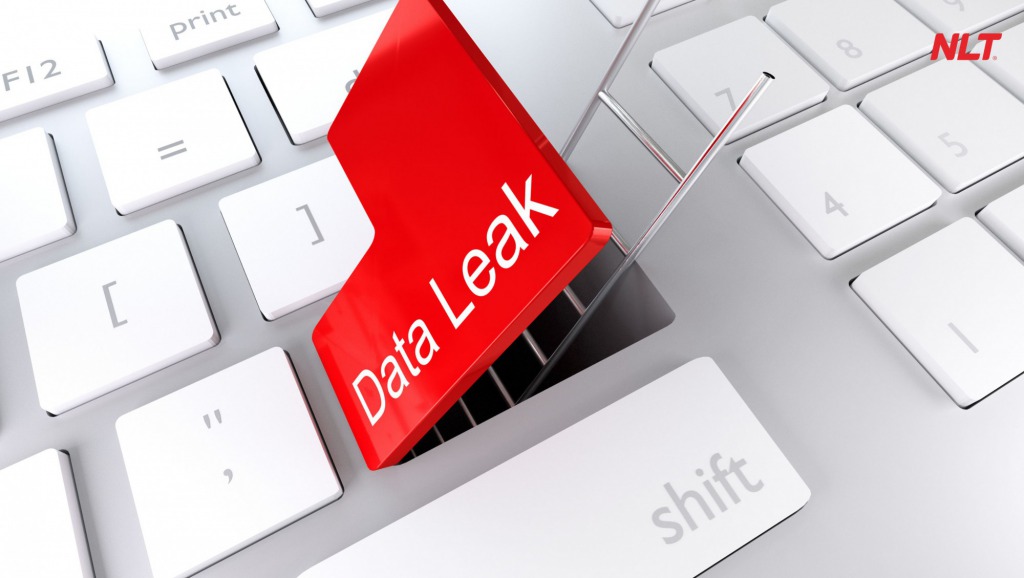
Protect your digital assets from leakage or theft
Many experts and shared experiences in Vietnam warn that if clients do not properly manage access rights, such as repository control, SSH access, deployment permissions, or do not clearly specify licensing terms in contracts, some outsourcing companies may lock repositories and refuse to hand over source code at the end of a contract.
If a partner has ISO 27001, these risks are controlled through strict processes and legal commitments.
Prevent legal and reputational risks arising from unauthorized data exploitation
If a business is developing applications that store customer, financial, or medical information, data breaches can result in violations of the Law on Cyber Information Security under Decree 13/2023/NĐ-CP on personal data protection, or even lawsuits from customers.

Increase the ability to sign contracts with international partners
Many foreign clients from Europe, the United States, or Singapore require development partners to hold ISO/IEC 27001 as a mandatory condition for cooperation. If you are a Vietnamese company engaged in outsourcing or aiming to export software services, ISO certification is one of the essential “passports.”

Key terms related to ISO 27001 in software outsourcing
| Term | Explanation |
| ISMS | Information Security Management System (a framework for managing and protecting information security) |
| Asset | Assets include data, source code, customer information, and other critical digital resources… |
| Threat | A threat that can impact information, such as hackers, human error, or malware… |
| Vulnerability | A security weakness or flaw that can be exploited |
| Risk Assessment | The process of assessing risks by identifying the likelihood and impact of each threat |
| Access Control | Controls that define who is authorized to read, write, or modify specific data |
| Encryption | The process of encoding data into an unreadable format without the proper decryption key |
| Audit Trail | A trace log that records who did what, when, and where |
| Security Policy | Security policies and documented guidelines that all employees must follow |
| Security Incident | A security incident refers to any situation involving data loss, leakage, or unauthorized access |
Conclusion: do not entrust digital assets to partners without security capability
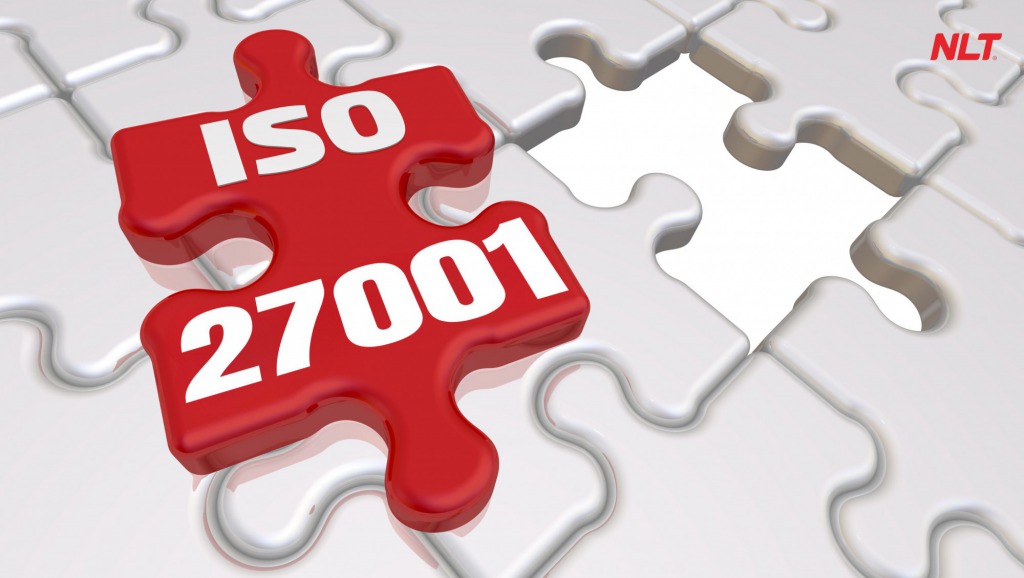
In software outsourcing, security is not a feature but a mandatory requirement. ISO/IEC 27001 is one of the most reliable proofs that a partner not only knows how to write code but also knows how to protect data and corporate reputation.
Frequently asked questions (FAQ)
Is ISO/IEC 27001 mandatory when outsourcing software development?
It is not legally mandatory (unless required by specific partners), but it should be considered a necessary condition if:
1. The project processes user data.
2. It involves payments or financial information.
3. You want to protect source code and critical systems from misuse or takeover.
How can I verify whether a company truly holds ISO 27001 certification?
Ask them about:
1. Which reputable certification body issued the ISO 27001 certificate (such as SGS, TUV, or Bureau Veritas).
2. The scope of application, as certification may apply only to a specific department or service.
3. The issue date and expiry date (certificates are valid for 3 years and require annual surveillance audits).
Businesses can verify the certificate number directly on the certification body’s official website.
If a company does not have ISO 27001, can I ask them to commit to security?
Yes. If they have not yet achieved ISO certification, you can:
1. Sign an NDA (Non-Disclosure Agreement) with legal binding.
2. Clearly specify in the contract the handling of data leaks, source code exposure, or repository breaches.
3. Require them to have at least basic internal security policies (regarding code access, backups, and access control).
However, these commitments are contractual in nature and do not replace a systematic control mechanism like ISO 27001.
How is ISO 27001 different from ISO 9001? I see many companies claim to have both
1. ISO 27001: Focuses on information security, managing risks related to data, source code, access, and security controls.
2. ISO 9001: Focuses on quality management, helping improve processes and measure product output quality.
If security is your priority, choose ISO 27001. If you also prioritize process efficiency and operational effectiveness, consider ISO 9001 in addition.
Is the cost of a company with ISO 27001 higher?
It may be higher by around 10–20% because they:
1. Invest in control and security systems.
2. Maintain an internal security operations team.
3. Pay for certification and periodic audits.
However, this higher cost is effectively “insurance for your safety,” especially if you are a startup developing products that contain user data.
If a data breach occurs, is the outsourcing company responsible?
Only if:
1. The contract clearly specifies security incident handling clauses.
2. There is a binding NDA in place.
3. There is concrete evidence showing that the fault originated from the outsourcing provider.
Therefore, ISO 27001 is not only a preventive measure but also a stronger legal basis if disputes need to be resolved.