Tiếng Việt
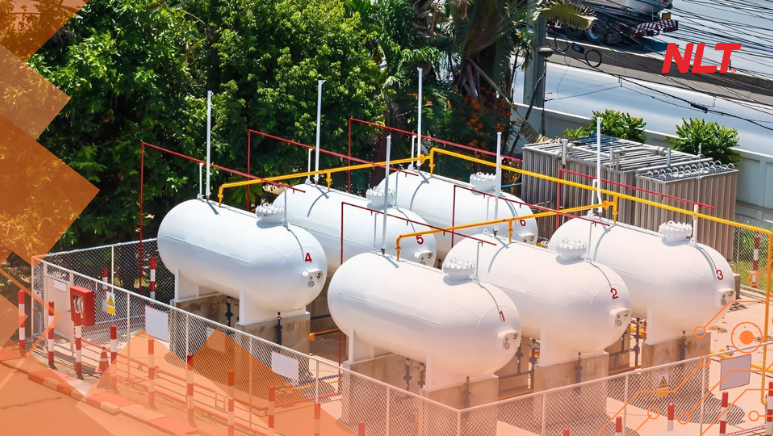
When reviewing a smart gas system quotation, many project owners may misunderstand key details because quotations often contain technical terminology and operational assumptions that are not clearly stated. Meanwhile, a smart gas system is a comprehensive safety solution, so misunderstanding even a single item can lead to operational or safety risks. This article focuses on the key points to consider when reading a quotation, helping investors compare solutions accurately and select the most suitable option.
Why it is important to understand a smart gas system quotation before making an investment
Avoid overbuying or missing critical items
In practice, when reviewing smart gas system quotations, project owners and project management teams often encounter two common situations:
- Overbuying: The proposed solution includes too many components or features that are not truly necessary for the operational objective, increasing investment costs without delivering proportional safety benefits.
- Missing critical items: The quotation appears low-cost because it omits essential elements such as installation infrastructure, interference mitigation, device calibration, scenario testing, and handover documentation, leading to additional costs during acceptance testing or system commissioning.
Hạn chế phát sinh khi triển khai
A smart gas system is part of a broader smart oil and gas, and is highly influenced by site conditions such as power supply, pipeline infrastructure, and the installation environment. Factors including power availability, existing gas pipeline conditions, installation constraints, or technical interference can all affect the actual implementation scope. A smart gas system quotation that clearly defines the scope of work and technical assumptions from the outset helps control costs and reduces unexpected additions during deployment.
Optimize long-term operational performance
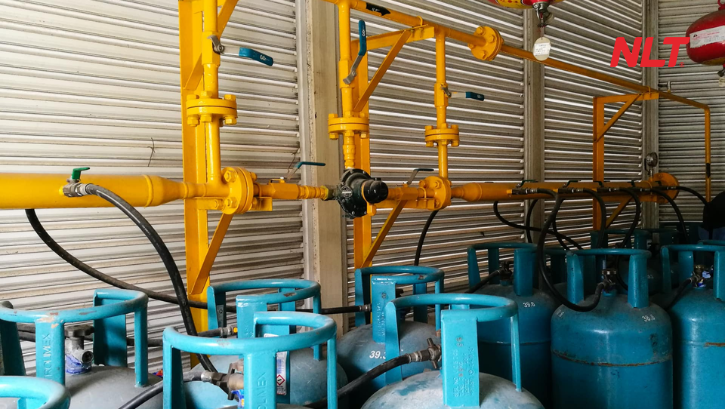
The effectiveness of a smart gas system is not reflected solely by acceptance documents, but by its ability to operate stably over the long term, demonstrated through:
- Accurate, timely alerts delivered to the appropriate stakeholders.
- A clear and well-defined maintenance and periodic calibration plan.
- Complete event logs and comprehensive handover documentation for the operations team.
For these reasons, evaluating a smart gas system quotation should be done from the perspective of real-world operation and long-term system sustainability, rather than focusing only on the initial investment cost.
The required sections in a smart gas system quotation
Implementation scope
The implementation scope is the basis for reading, understanding, and comparing smart gas system quotations across suppliers. In reality, cost differences often come not from the hardware itself, but from how much work is included in the proposed solution. This section should clearly specify:
- Coverage area: Whether deployment applies to the entire facility or is limited to specific areas such as kitchens, technical rooms, gas storage rooms, specific floors, or functional zones.
- Number of monitoring points: The quantity of sensors, shut-off valves, control panels, display devices, and connection points in the system.
- System zoning approach: Zoning by pipeline runs, operational areas, or risk levels to set zone-based alert logic.
- Automation level: Alert-only versus automated actions such as gas shut-off, siren and strobe activation, and alarm transmission to a central control point.
- In-scope vs out-of-scope items: What is included in the quotation and what is separated or planned for a later phase.
Applicable assumptions and site conditions
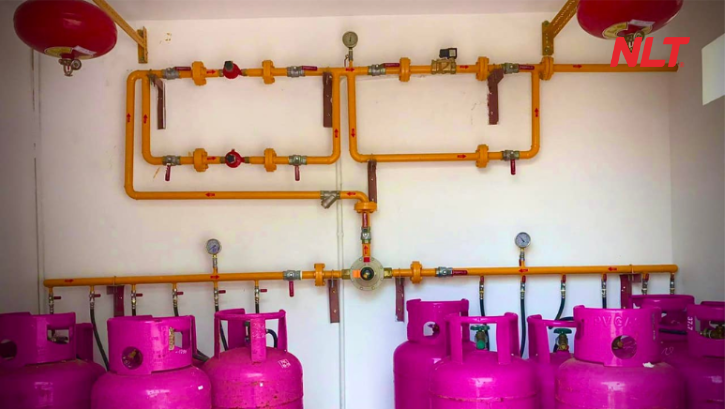
Applicable conditions are a required section that clarifies which site assumptions the smart gas quotation is based on. This helps define scope and unit pricing under the facility’s specific conditions and provides a baseline for comparison during actual execution. The quotation should clearly state:
- Site conditions: Existing ceiling spaces, pipe and cable routes, and allowable structural interventions.
- Power supply: Power feed locations, source separation requirements, UPS use, or backup power needs.
- Gas piping system: Existing gas lines, sensor and shut-off valve installation points, and limitations on equipment changes.
- Network infrastructure: Connection type (wired or wireless) and constraints for cable pulling or wireless coverage.
- Technical assumptions: Device spacing, ventilation, temperature, humidity, and working environment conditions.
Devices and safety mechanisms
This section reflects the system’s quality and determines how well the system detects and responds to operational risks. The quotation should clearly describe:
- Leak detection sensors: Target gas type (LPG, NG, CO, H₂, etc.), measuring range, alarm thresholds, and suitable installation locations for each area.
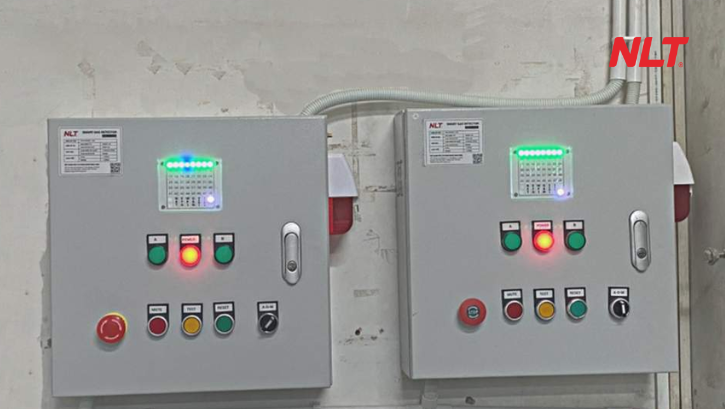
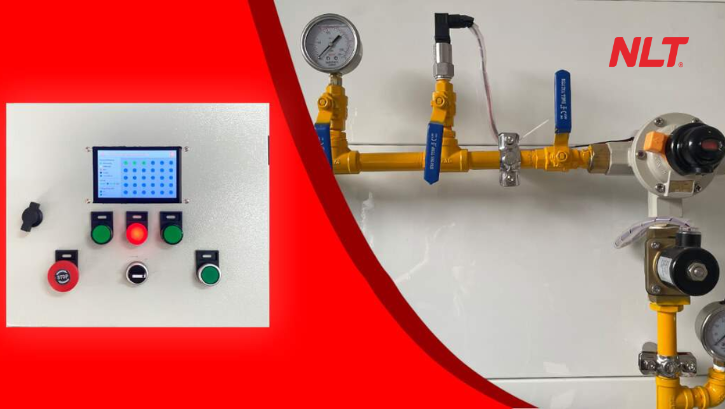
- Controller or central control cabinet: Signal collection, alarm processing, and interlocking control of shut-off valves and siren and strobe devices.
- Shut-off valves and automatic response logic: Installation points, valve close scenarios, and safe-state behavior during power loss or signal faults.
- On-site alarm devices: Sirens, strobes, or local display panels for quick incident recognition at the site.
>> See more: Why industrial parks and high-rise buildings should install NLT Group smart gas sensors?
Installation infrastructure
Installation infrastructure is the foundation for long-term stability, durability, and reliable operation, but it is also the part most commonly omitted in many smart gas quotations. To assess true costs and implementation risks, the quotation should include:
- Installation method and device mounting: Installation approach, brackets, protective enclosures, and fixing methods.
- Cable and conduit specifications: Signal and power cables, protective conduits suitable for greasy, humid, or high-temperature environments.
- Supporting materials and wall or slab penetrations: Penetration work, waterproofing, and fire-stopping measures.
- Interference mitigation and signal protection: Grounding, power separation, and electromagnetic interference protection.
- Site finishing and device identification: Cleaning, labeling, and marking devices and cable routes for operation and maintenance.
Monitoring and alerts
Monitoring and alerting show how usable and complete the system is in real operation. When reviewing a smart gas quotation, managers should see exactly how information is displayed, how alerts flow, and how incident handling responsibilities are defined. The quotation should specify:
- Monitoring method: Local monitoring, centralized monitoring in a control room, or via software or web platform.
- Alert delivery: On-site siren and strobe, central display, or notifications sent to responsible personnel.
- Operational permissions: Role-based access such as viewing, acknowledging alarms, and configuring the system.
- Event logs and history: Time, zone, alarm level, and handling actions recorded.
- Operational configuration: Threshold and response scenario adjustments without disrupting system structure.
>> See more: How does gas leak warning technology work?
Calibration and acceptance testing
Calibration and acceptance confirm the system operates correctly according to the design and meets safety requirements before commissioning. In a smart gas system quotation, this section should clearly define the work scope and method, including:
- Calibration procedure: Calibration for each sensor based on gas type and real site conditions.
- Testing method: Gas testing or simulated leak scenarios across alarm levels.
- System test scope: Individual device testing and full system testing by operational zone.
- Acceptance checklist: Inspection items and pass or fail criteria.
- Handover documents: System drawings, equipment specifications, and basic operation guidance.
Warranty and maintenance
Warranty and maintenance determine long-term operational costs. A smart gas quotation should state these items clearly to avoid unexpected costs and operational disruption later:
- Warranty duration: Separate warranty periods for hardware, software, and installation work.
- Support model and service levels: Response times and whether support is remote or on-site.
- Periodic maintenance scope: Equipment inspection, sensor cleaning, recalibration, and system health assessment.
- Post-warranty operation plan: Technical approach, contract model, and expected costs after warranty ends.
- Operational support readiness: Support capability for abnormal alarms or changes in operational requirements.
Factors that cause differences in smart gas system quotations between suppliers
Number of detection points and alarm zoning
The number of detection points (sensors, valves, connection points) is the most visible factor when reviewing a smart gas system quotation. However, actual operational effectiveness depends heavily on how alarm zoning is designed. In practice, solutions are typically implemented in two main approaches:
- Large-zone zoning: The system uses fewer devices, resulting in lower initial investment costs. However, when an incident occurs, the alarm covers a wide area, making it harder to identify the exact leak location and slowing on-site response.
- Small, area-based zoning: This approach requires more devices and more detailed configuration, but it allows precise localization, reduces the risk of escalation, and supports faster, more effective response.
For large-scale projects such as industrial kitchens, factories, or mixed-use complexes, the ability to quickly pinpoint the affected area often delivers greater operational value than the cost difference reflected in the quotation.
Gas type and technical requirements
The type of gas being monitored is a mandatory technical element that must be clearly stated in any smart gas system quotation. LPG, natural gas (NG), or specialized gases each have different properties and risk levels, leading to different system design and configuration requirements. These differences directly affect:
- The type of sensor selected.
- Sensor installation position and mounting height.
- Alarm thresholds, multi-level alarm logic, and calibration methods.
In practice, quotations that only state “gas sensor” without specifying the gas type do not provide enough technical basis to accurately assess the solution scope or cost.
Sensor technology and service life
In smart gas system quotation, sensor technology has a direct impact on system stability and long-term operating costs, yet it is often not clearly differentiated between suppliers. Different technologies vary in performance and lifespan, for example:
- Sensors with fast response times but faster degradation in greasy or high-temperature environments.
- More stable sensor technologies with longer service life but higher initial investment costs.
- Technologies that require frequent recalibration, increasing long-term operating expenses.
As a result, a lower upfront price is not necessarily the most cost-effective option if it leads to higher replacement and calibration costs over time.
Installation environment
Installation conditions must be carefully evaluated, especially in industrial kitchens, factories, gas storage areas, or outdoor locations. Each environment imposes different requirements on equipment and installation methods, including:
- Equipment protection levels such as dust resistance, water resistance, heat tolerance, or corrosion resistance.
- Auxiliary materials and suitable cable or conduit routing methods.
- Noise and interference protection in areas with high-power electrical equipment.
- Maintenance, cleaning, and sensor recalibration frequency.
Therefore, two smart gas system quotations can only be meaningfully compared when their installation environment assumptions are equivalent.
Level of automation and safety interlocks
Differences in smart gas system quotations often stem from the level of automation and the scope of safety interlocks included. Depending on operational requirements, a system may include:
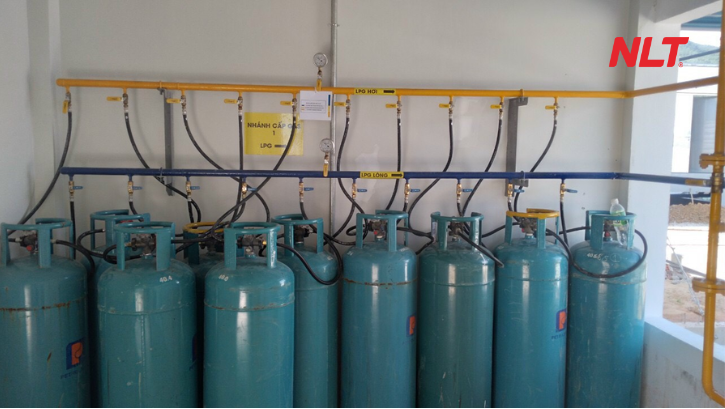
- Automatic gas shut-off by zone or at the main supply upon leak detection.
- Activation of on-site audible and visual alarms, with signal transmission to a central monitoring point.
- Control of exhaust fans or related ventilation systems.
- Multi-level response scenarios based on different alarm thresholds.
The more interlocks and automation involved, the more configuration, testing, and commissioning are required. Accordingly, the quotation reflects the level of safety and risk control capability provided by the solution.
BMS and SCADA integration requirements
For large-scale projects, smart gas systems often need to be integrated into BMS or SCADA platforms for centralized management. This item can create significant variation between smart gas system quotations, depending on:
- The communication protocols used.
- The number of data points to be monitored and displayed.
- The scope of interlock testing with existing systems.
- Coordination responsibilities among MEP, BMS, IT teams, and the system supplier.
In practice, quotations that simply state “BMS integration” without clearly defining scope, protocols, and testing responsibilities often fail to fully reflect the actual workload and implementation cost.
Method for analyzing smart gas system quotations for accurate comparison
Establish the scope before comparison
When placing smart gas system quotations side by side, it is essential that the implementation scope is understood in the same way. If each quotation is based on different assumptions, cost comparisons will easily become misleading. The following aspects should be clarified from the outset:
- Spatial scope: Whether the system applies to the entire facility or only specific areas such as kitchens, gas storage rooms, technical rooms, or is implemented in phases.
- Operational objectives: Detection and alert only, or additional automatic functions such as gas shut-off and ventilation control.
- End users: On-site operating staff, centralized management teams, or a combination of both.
Once these factors are aligned, quotation comparisons can focus on solution quality and operational effectiveness, rather than just the total price.
>> See more: How to effectively prevent gas leakage?
Compare configurations and technical parameters
After clarifying the cost structure, comparison should focus on the configuration and technical specifications of each smart gas system quotation. This section directly reflects system quality and safety, including:
- Gas type detected, measurement range, and alarm thresholds, aligned with the actual gas type and usage conditions.
- Number of detection points and zoning logic, which affect fault localization and response.
- Equipment standards and environmental suitability, such as resistance to heat, humidity, grease, or electrical interference.
- Alert methods, including on-site alerts, central monitoring, and user access or responsibility assignment.
- Integration requirements, such as whether BMS or SCADA integration is included and to what extent.
If the quotation describes these items too generally, requesting clarification is necessary to ensure comparisons are made on the same technical basis.
Identify items with potential for cost escalation
When analyzing smart gas system quotations, cost overruns often arise not from the main equipment but from details that were not clearly defined initially. Points requiring close review include:
- Actual site conditions affecting cable routing and installation methods.
- Scope of interlocking with other systems such as BMS, ventilation fans, or fire alarm systems.
- How calibration and testing costs are calculated, whether per occurrence or as a package.
- Ancillary materials and site finishing work.
- Handover documentation, operator training, and support scope.
Practical experience shows that many cost escalations result from small, undefined items rather than major system components.
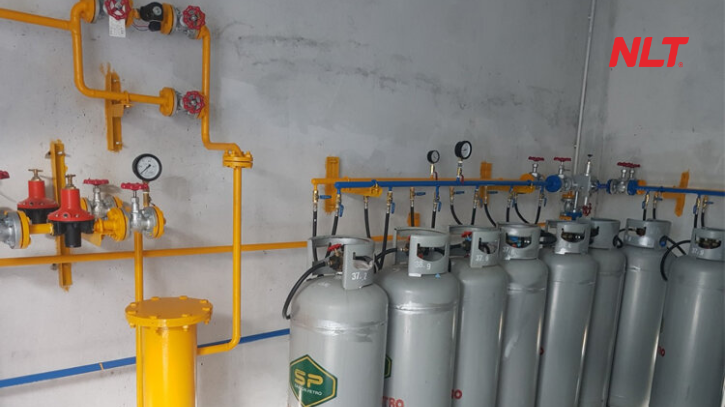
Project types that should consider smart gas systems early
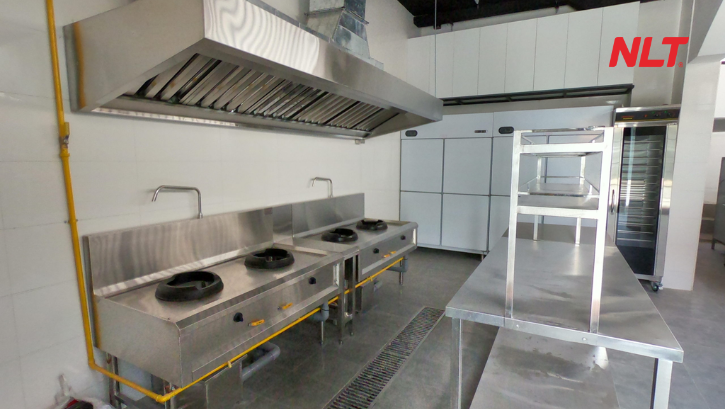
Restaurants and industrial kitchens
Industrial kitchens have high gas usage intensity, multiple heat-generating devices, and challenging environments involving grease, steam, and high temperatures. Gas leakage risks often arise not from a single device but from simultaneous system operation. Reviewing smart gas system quotations early helps to:
- Properly position sensors during the design stage, focusing on high-risk areas such as cooking zones, gas supply points, and pipeline junctions.
- Organize cabling and installation neatly, meeting hygiene standards and aesthetic requirements of kitchen spaces.
- Develop alert scenarios aligned with operational workflows, reducing inappropriate alarms that disrupt operations.
When the system is designed as an integrated solution from the beginning, the risk of persistent false alarms is significantly reduced, maintaining operator trust.
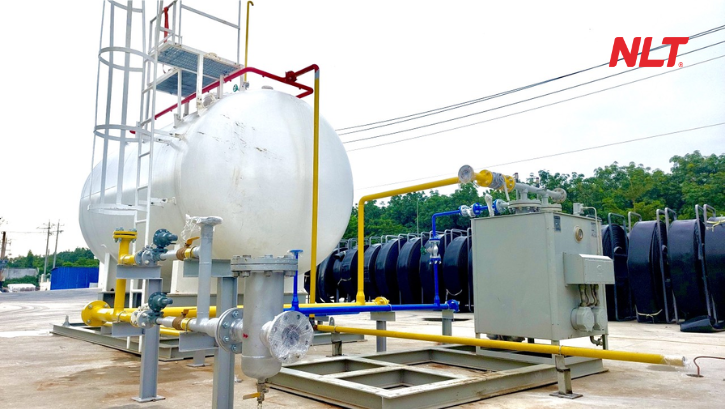
Factories, gas storage facilities, and industrial zones
In industrial environments, smart gas systems serve not only safety alerts but also overall risk management and operational control. Such projects typically involve:
- Multiple functional zones and operating shifts, requiring clear zoning and access control.
- High electrical interference and heavy equipment, influencing equipment selection and installation methods.
- Centralized monitoring and data logging requirements for management and traceability.
Introducing smart gas systems during the design stage enables alignment with power systems, industrial networks, and operating procedures. For projects requiring SCADA or centralized monitoring integration, early clarification ensures that smart gas system quotations accurately reflect technical scope and reduce implementation-stage cost escalations.
>> See more: When is the “right time” to upgrade smart gas systems for factories?
Renovation and gas system upgrade projects
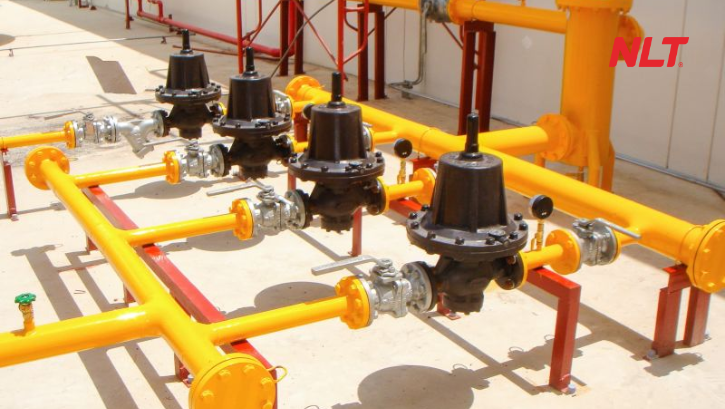
Compared with new construction, renovation and upgrade projects face more constraints, such as limited cable routing, restricted drilling, or the inability to fully shut down operations.
Existing gas systems must be carefully surveyed before proposing suitable solutions. For these projects, when reviewing smart gas system quotations, attention should be paid to:
- Technical assumptions and applicable conditions to avoid misunderstandings about implementation scope.
- Included and excluded work items, especially those related to existing systems.
- Phased or zoned implementation approaches to minimize disruption to ongoing operations.
In practice, phased deployment with staged testing and acceptance often reduces technical risks and controls costs more effectively than full-scale, simultaneous implementation.
A smart gas system quotation is only truly valuable when it accurately reflects technical scope, site conditions, and operational requirements of the specific project. Understanding the structure and content of each quotation not only helps investors avoid misleading comparisons, but also provides a basis for controlling cost escalation and ensuring long-term safety and operational effectiveness.
If you need to review, compare, or clarify a smart gas system quotation from a technical, scope, and site condition perspective, contact NLT Group to receive detailed support from our technical team before implementation.
>> See more: NLT Group – Provider of international-standard smart gas systems for all types of projects
Nam Long Technology Investment Group (NLT Group)
- Hotline: 0911 379 581
- Email: kinhdoanh@nlt-group.com
- TIN: 0313339640
- Address: 43T Ho Van Hue Street, Duc Nhuan Ward, Ho Chi Minh City