Tiếng Việt
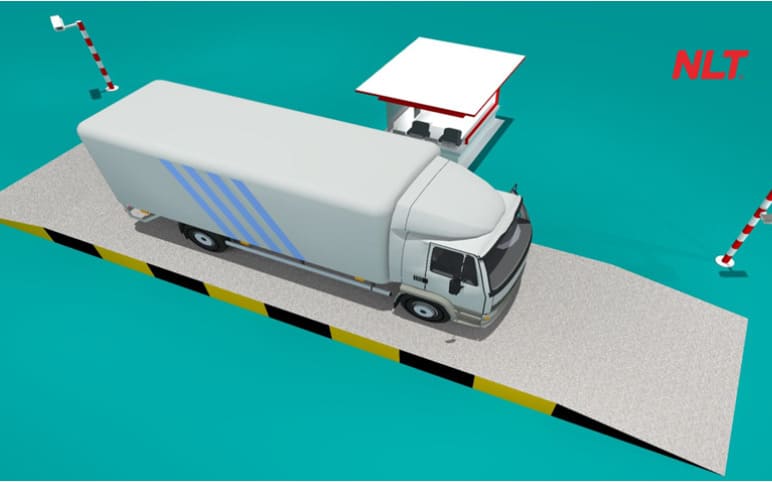
Smart vehicle weighing systems are increasingly becoming an essential solution for controlling vehicle loads, protecting infrastructure, and ensuring traffic safety. Integrated with advanced technologies such as IoT, AI, and GIS, intelligent vehicle weighing systems enable automatic monitoring and management of vehicle weight, thereby reducing negative impacts on transportation infrastructure. However, for these systems to operate effectively and durably, regular maintenance is an indispensable factor. The article below will help you clearly understand the maintenance steps for smart vehicle weighing systems, their importance, and key considerations during maintenance.
Concept of a smart vehicle weighing system
A smart vehicle weighing system is an advanced technological solution used to control the load of vehicles. By using load sensors, computers, and wireless connectivity devices, the system automatically records, processes, and stores vehicle weight data, helping ensure that vehicles do not exceed permitted load limits.
Smart vehicle weighing systems are designed to automatically perform weight measurements without requiring vehicles to stop, saving time and improving operational efficiency. These systems are typically equipped with IoT, AI, and GIS technologies, allowing remote connection and management through online platforms.
Importance of maintaining a smart vehicle weighing system
Smart vehicle weighing systems play a critical role in ensuring traffic safety and protecting infrastructure. However, to keep the system operating continuously and accurately, regular maintenance is extremely important. Below are some reasons why maintenance of intelligent vehicle weighing systems is necessary:
Ensure accuracy and performance: Sensors and devices in the system can be affected by environmental factors such as temperature, humidity, or dust, leading to measurement deviations. Regular maintenance helps inspect and calibrate equipment, ensuring the highest level of accuracy in load control.
Extend system lifespan: Maintenance helps minimize unexpected damage and prolong the lifespan of the vehicle weighing system. This contributes to cost savings on repairs and equipment replacement in the future.
Reduce operational disruptions: Without regular maintenance, the risk of failures and operational interruptions is very high. Maintenance helps minimize unexpected incidents, ensuring continuous and uninterrupted system operation.
Save operating costs: A well maintained smart vehicle weighing system consumes less energy and avoids major failures, helping reduce long term operating costs.
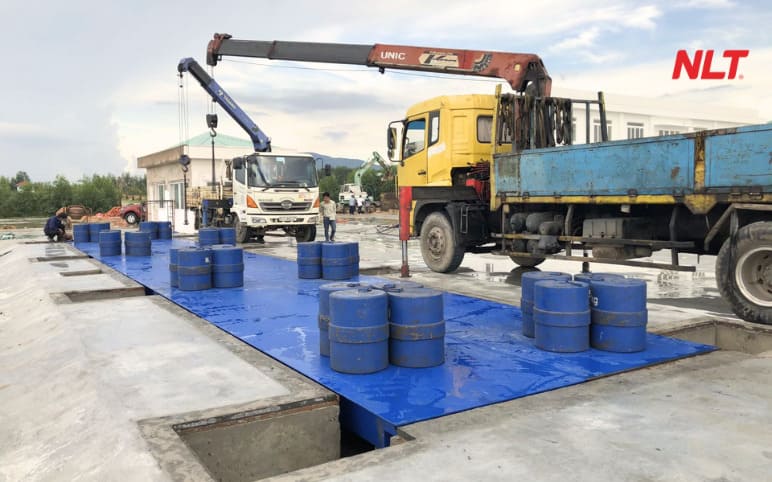
>>> SEE MORE: INTERNATIONAL STANDARD IoT SMART VEHICLE WEIGHING SYSTEM
Maintenance process for smart vehicle weighing systems
To maintain a smart vehicle weighing system effectively, a detailed and systematic maintenance process must be followed. This process not only helps maintain the accuracy of weight measurements but also ensures long term system durability. Below are the basic steps in the maintenance process for intelligent vehicle weighing systems:
3.1. Overall system inspection
The first step in the maintenance process is to conduct an overall inspection of all system components, including load sensors, connectivity devices, computers, and management software. Ensure that all components are functioning properly and show no signs of damage.
- Load sensors: Check whether sensors are corroded, rusted, or covered with dust. If so, clean or replace them as needed.
- Connectivity devices: Check wireless connections to ensure stable signal transmission without interruptions.
3.2. Periodic cleaning and maintenance
- Always keep electronic devices clean and dry, including auxiliary display panels, weighing indicators, computers, and printers.
- Periodically inspect electrical cables, signal cables, and grounding wires to check for breaks, crushing, or loose connections.
- Ensure that the junction box is always kept clean and dry, wipe it regularly and replace desiccant bags if available. If moisture or water accumulation is detected inside the box, use a hair dryer to dry it.
- Conduct periodic verification of the vehicle scale (performed by an authorized metrology body).
- When carrying out maintenance or repair work, ensure that all devices are powered off and disconnected from the power supply.
- In case of sudden power loss, wait 5 minutes before turning the equipment back on.
- It is strictly prohibited to weld (arc welding) directly on the weighing platform, as electrical surges can damage load sensors and electronic components of the scale.
3.3. Software and control system inspection
The software and control system are the core of an intelligent vehicle weighing system. It is necessary to inspect and ensure that the management software and control platforms are operating stably.
- Software updates: Ensure that control software and web or mobile applications are updated to the latest versions to prevent errors and improve performance.
- Report and data verification: Review system reports and data to ensure accuracy and completeness.
3.4. Network connectivity and power system inspection
A smart vehicle weighing system are typically connected via Wi Fi or mobile networks, therefore regular inspection of these connections is required.
- Check Wi Fi and 4G/5G signals: Ensure stable network connectivity so that data is transmitted accurately and promptly.
- Check the power system: Inspect power supplies, electrical cables, and electrical equipment to ensure there are no power related issues.
3.5. Inspection and replacement of components if necessary
After completing the above inspections, if any components are found to be damaged or not operating effectively, they should be replaced immediately. Components such as load sensors, controllers, or connectivity modules may be damaged during operation.

Benefits of maintaining a smart vehicle weighing system
Regular maintenance of smart vehicle weighing systems provides many clear benefits, not only ensuring efficient operation but also reducing costs and enhancing equipment durability:
- Ensured traffic safety: Stable system operation ensures vehicles do not exceed permitted load limits, thereby reducing negative impacts on transportation infrastructure.
- Improved accuracy: Maintenance helps the system maintain high accuracy in vehicle load measurement, preventing errors during inspection and traffic control.
- Long term cost savings: Regular maintenance reduces major failures and the costs associated with repairing or replacing expensive components.
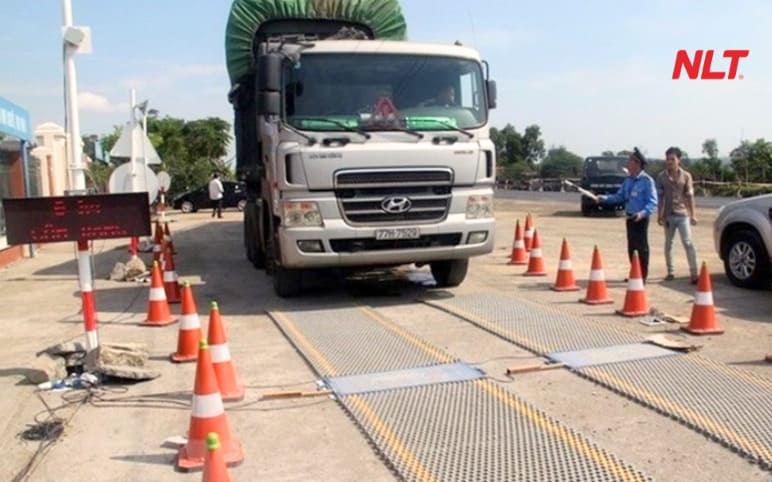
>>> SEE MORE: SMART VEHICLE WEIGHING SYSTEM 4.0
Issues to consider when maintaining a smart vehicle weighing system
Although maintenance is an essential part of maintaining the operation of intelligent vehicle weighing systems, several issues should be considered during the maintenance process:
- Selecting high quality replacement parts: Ensure that replacement components meet high quality standards and are compatible with the intelligent vehicle weighing system.
- Avoiding operational disruption: During maintenance, ensure that the system continues to operate normally to avoid disrupting vehicle load inspection activities.
- Ensuring maintenance staff safety: Maintenance must be carried out in accordance with safety procedures to prevent unexpected incidents.
Conclusion
Maintenance of smart vehicle weighing systems is a key factor in maintaining system performance, accuracy, and lifespan. To ensure stable and long term operation, regular maintenance is essential. With professional maintenance processes and modern technologies, NLT Group is committed to providing customers with effective and sustainable intelligent vehicle weighing solutions.
Contact information
If you would like to learn more about intelligent vehicle weighing systems or need support, please contact NLT Group using the information below:
Nam Long Technology Investment Group (NLT Group)
- Hotline: 0911 379 581
- Email: kinhdoanh@nlt-group.com
- TIN: 0313339640
- Address: 43T Ho Van Hue Street, Duc Nhuan Ward, Ho Chi Minh City
Let NLT Group accompany you on your digital transformation journey and in building a sustainable future!