Tiếng Việt
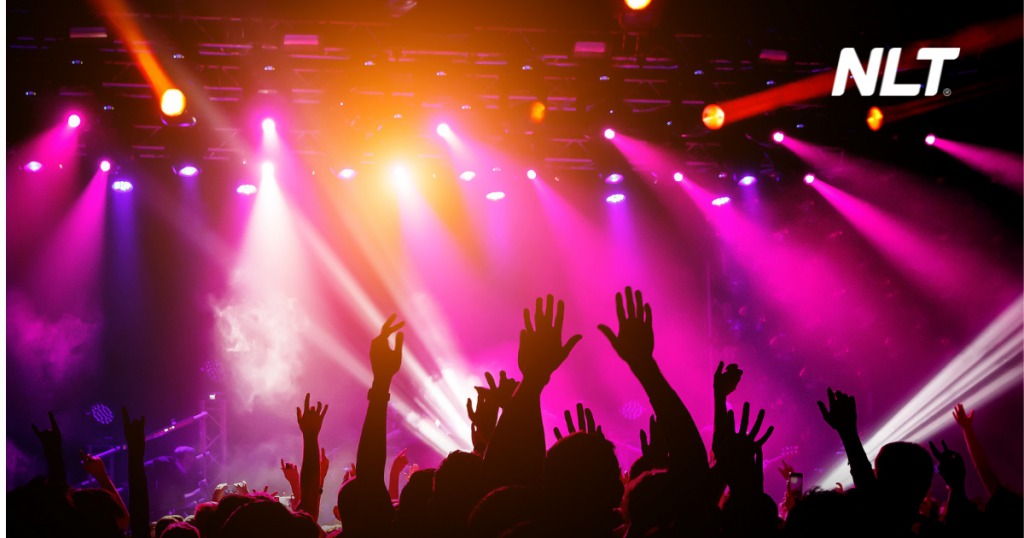
LED stage lighting plays a crucial role in creating professional lighting effects and elevating performances. A properly installed lighting system not only attracts audiences but also guides emotions and visual focus. So how can LED stage lights be arranged effectively? Let’s explore the following “golden” principles.
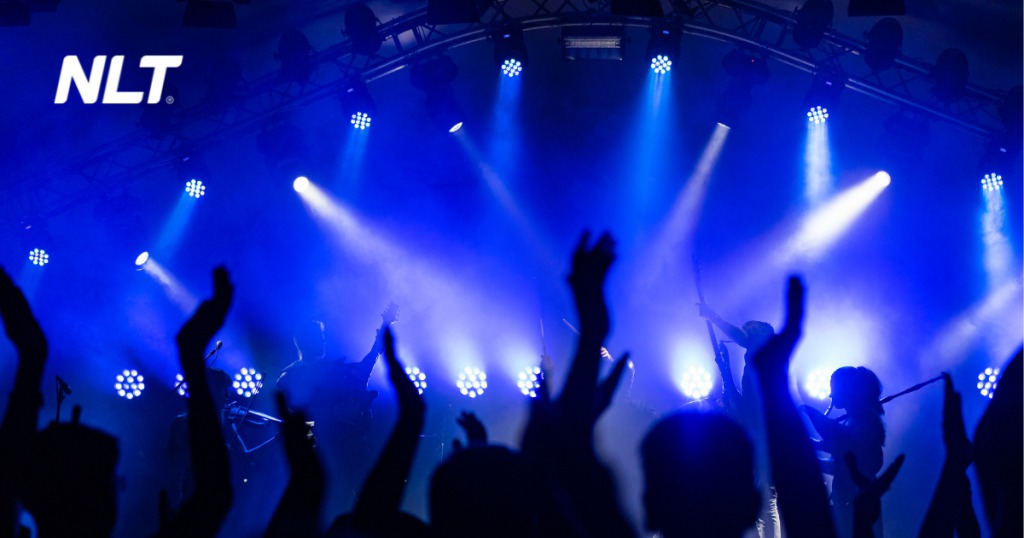
Principle 1: understand the role of lighting on stage
Stage lighting does more than illuminate a space. It shapes emotions, directs audience attention, and creates impressive visual effects. A well-lit stage can elevate a performance from ordinary to professional. Understanding the role of stage lighting helps you make the right decisions when selecting and arranging LED lights.
Lighting as silent storytelling
When lighting changes, the atmosphere of the stage changes with it. For example, soft blue lighting can create a mysterious feeling, evoking surreal stories or mythical spaces. In contrast, warm amber lighting creates intimacy and warmth, suitable for romantic or nostalgic scenes. LED stage lighting does not simply illuminate. It guides audience emotions.
Lighting effects and connection to content
Imagine a theatrical performance without lighting transitions between scenes. Audiences would struggle to distinguish space, time, and the emotional states of characters. Lighting is the tool that creates clear scene separation, enhancing realism and the overall appeal of the performance.
Principle 2: develop a detailed LED stage lighting layout plan
“Having a plan means having everything.” This saying is especially true when arranging LED stage lighting. A detailed plan helps save time and effort while avoiding unnecessary mistakes.
Dividing lighting zones on stage
A professional stage typically includes the following main lighting zones:
- Central area: where main activities take place, requiring strong and even lighting.
- Background: supports depth creation and highlights background elements.
- Wings: help performers move easily and avoid excessive darkness.
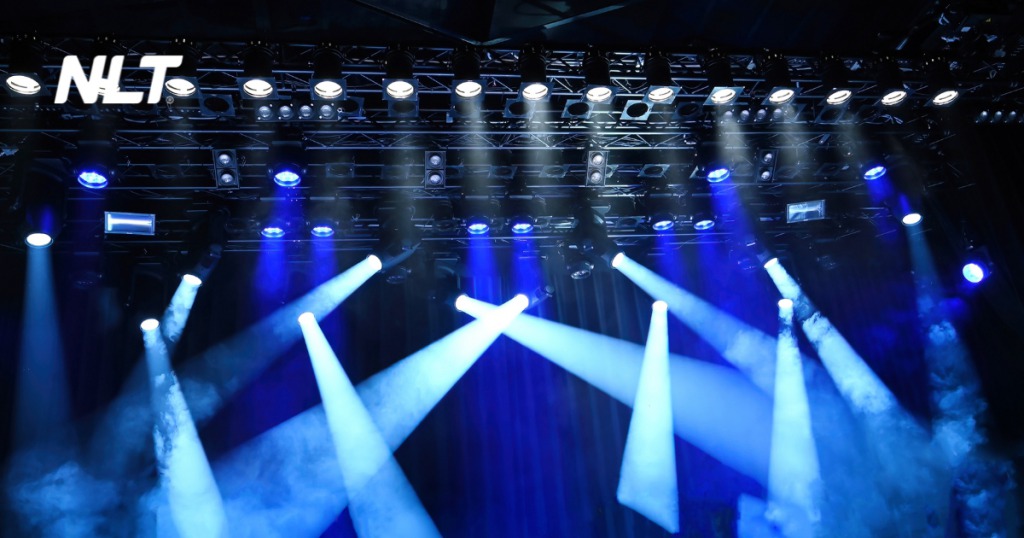
Create a lighting layout before installation
Before installing LED stage lighting, creating a lighting layout is an essential step. This layout helps visualize the overall lighting system and ensures balanced distribution across the stage.
- Identify lighting needs: determine main focal points, areas requiring special effects, and zones that only need background lighting.
- Draw a stage layout and mark planned light positions, clearly categorizing light types and specifying beam directions.
- Conduct a test installation to evaluate lighting effectiveness.
Principle 3: choose the right type of LED stage lighting for each position
“Different spaces require different solutions.” Each stage position requires a suitable type of LED light. For example, LED PAR lights are commonly used for background lighting, moving head lights create dynamic effects, and laser lights generate beam effects.
Common types of LED stage lights
- LED PAR lights: provide background lighting or support effects, suitable for small stages, conferences, and outdoor events.
- LED Beam lights: strong, focused beams, ideal for concerts, large events, and outdoor stages.
- LED Wash lights: evenly distributed lighting, suitable for auditoriums, exhibitions, and artistic stages.
- Moving head lights: 360-degree rotation with flexible dynamic effects, ideal for festivals, weddings, and large events.
- LED Effect lights: create special effects that make stages more vivid and engaging.
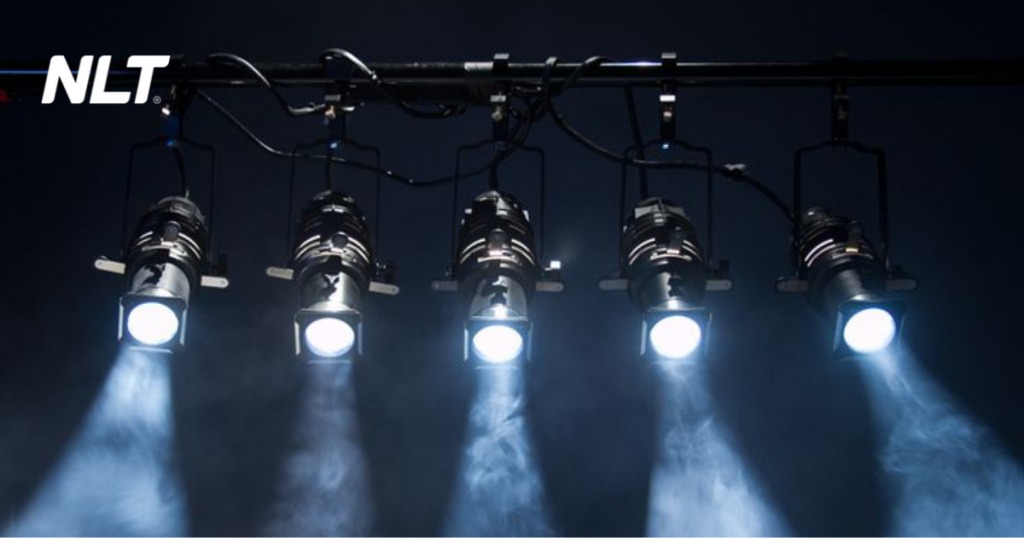
>> See more LED stage lighting types
How to choose lights based on usage purpose
After understanding common LED light types, selecting the right lighting for specific purposes becomes easier. Below are some suggestions:
Small stages, conferences, outdoor events:
- LED PAR lights are the top choice due to their even background lighting and flexible support effects.
- Combine with LED Wash lights to enhance brightness and create a warm atmosphere.
Concerts, large events, outdoor stages:
- LED Beam lights create powerful, focused beams that deliver energetic effects.
- Moving head lights are also excellent for creating diverse motion effects that captivate audiences.
Auditoriums, exhibitions, artistic stages:
- LED Wash lights provide evenly spread illumination, highlighting spaces and artworks.
- Combine with LED PAR lights to create focal points and special lighting effects.
Festivals, weddings, large events:
- Moving head lights deliver sparkling and magical effects, creating a lively and festive atmosphere.
- LED Effect lights add unique visual elements, making events more distinctive and memorable.
Creating special effects and enhancing visual dynamics:
- LED Effect lights are essential for producing unique lighting effects that draw audience attention.
- Depending on usage goals, different LED Effect lights can be selected to achieve suitable effects.
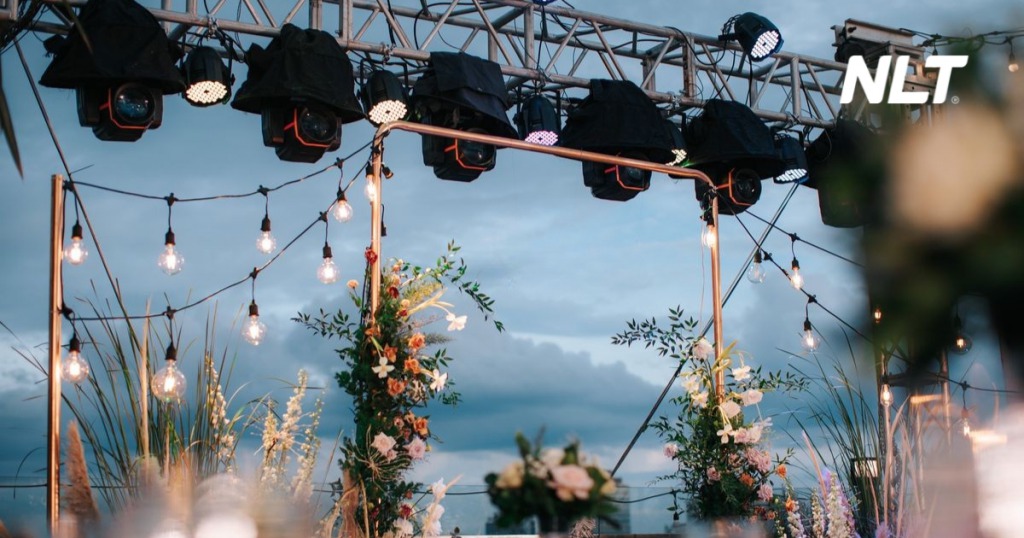
Flexible combination of LED light types allows you to create diverse lighting effects tailored to each type of event.
Principle 4: how to arrange LED stage lighting effectively
Arranging LED stage lighting is not simply about placing lights in specific positions. It is about creating harmony and balance among different types of lights to achieve the best visual effect.
Front lighting
Front lighting is the most common lighting position and is typically used to provide the main light source, allowing the audience to clearly see the subject on stage. However, it should be noted that this lighting method can create shadows behind the subject, which may reduce image depth.
Back lighting
In contrast, back lighting creates rim light or silhouette effects that separate the subject from the background, adding depth and a strong artistic quality to the stage.
Side lighting
Side lighting highlights contours and shapes, enhancing three-dimensional effects and dramatic impact. However, beam angles must be carefully adjusted to avoid unwanted shadows.
Top lighting
Top lighting simulates natural sunlight, producing even and natural illumination. However, it may also create shadows under the eyes and nose, potentially reducing the subject’s natural appearance.
Bottom lighting
Finally, bottom lighting creates mysterious, eerie, or striking effects and is often used to add special highlights. However, it should be used cautiously, as it can distort facial features and create an unnatural look.
Conclusion
Installing LED stage lighting is not only a technical task but also an art form. When you understand lighting principles, plan in detail, choose the right types of lights, and arrange them properly, your stage will become more professional than ever. Contact NLT Group today for detailed consultation on the most effective ways to install and arrange stage lighting.
Contact information
If you are interested in deploying stage lighting systems or need consultation on smart lighting solutions, do not hesitate to contact NLT Group.
Nam Long Technology Investment Group (NLT Group)
- Hotline: 0911 379 581
- Email: kinhdoanh@nlt-group.com
- TIN: 0313339640
- Address: 43T Ho Van Hue Street, Duc Nhuan Ward, Ho Chi Minh City
Contact us now for free consultation and experience the most modern and intelligent artistic lighting solutions from NLT Group!