Tiếng Việt
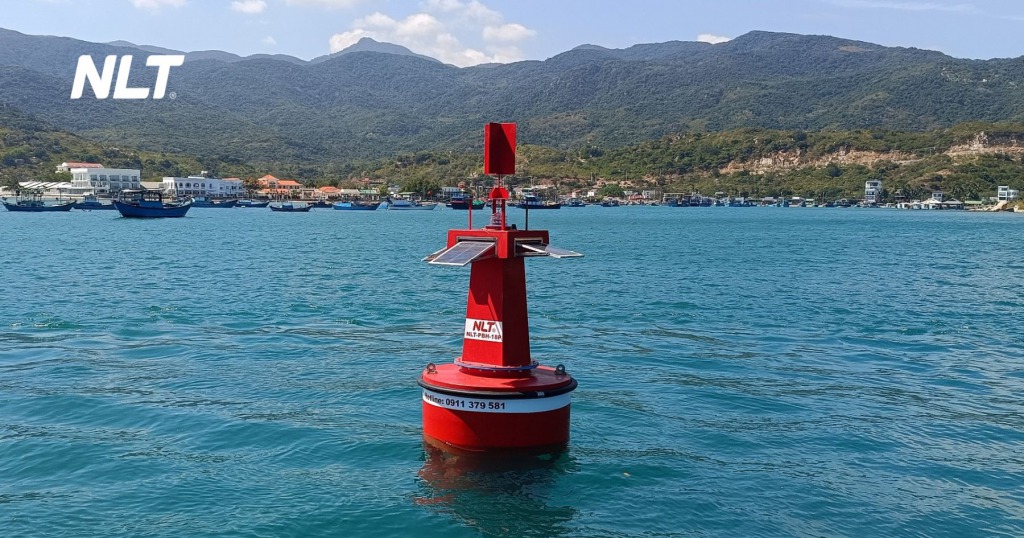
Inland waterway transport plays a vital role in the movement of goods and passengers, especially in countries with dense river networks such as Vietnam. To ensure safety and efficiency along waterway routes, navigation buoys are indispensable devices. In the context of modernization and environmental friendliness, solar-powered buoys are gradually replacing traditional buoys thanks to their ability to generate power independently, operate reliably, and reduce operating costs. The application of solar-powered buoys not only enhances warning performance but also contributes to environmental protection and supports the development of sustainable waterway transport.
What is solar energy technology?
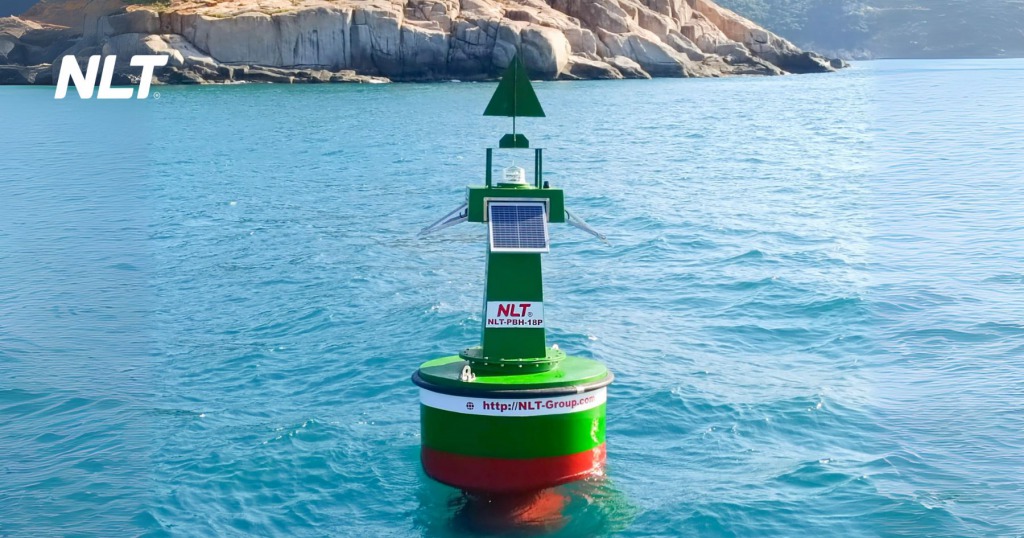
Basic operating principle of a solar energy system
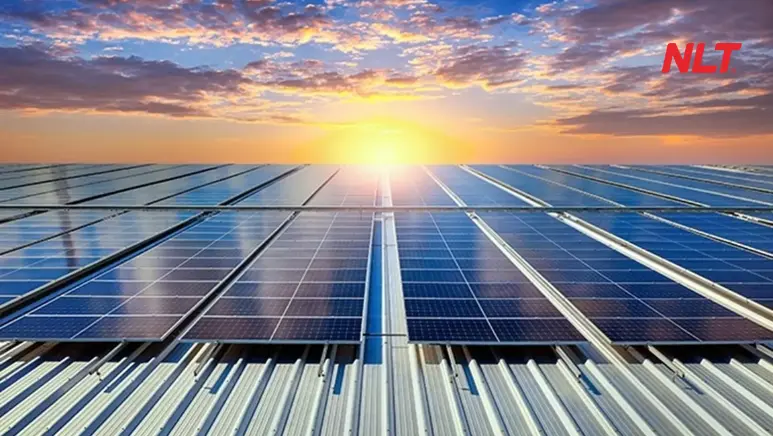
Solar energy technology operates on the principle of converting solar radiation into electrical energy. Specifically, solar panels absorb sunlight and generate direct current DC through the photovoltaic effect. This current is then converted into alternating current AC by an inverter for use by electrical equipment. The system also includes a charge controller and storage batteries to ensure a continuous power supply, even when there is no sunlight.
Advantages compared with traditional power sources
Compared with traditional power sources, solar energy offers several outstanding benefits such as:
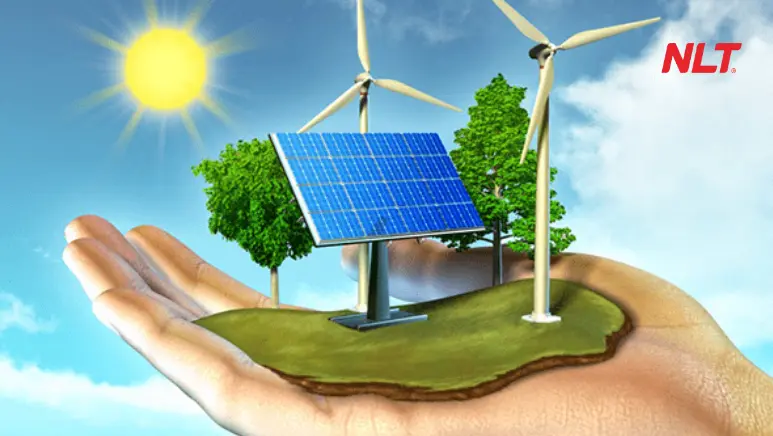
- Sustainable and renewable: Sunlight is an inexhaustible energy source and does not cause environmental pollution.
- Cost saving: After installation, solar energy systems have low operating costs and long service life, helping reduce electricity expenses over the long term.
- Independence from the power grid: The system can operate independently, making it suitable for areas without grid access or with unstable power supply.
- Simple maintenance: The system requires minimal maintenance, reducing both costs and operational effort.
Why should solar energy be integrated into navigation buoys?
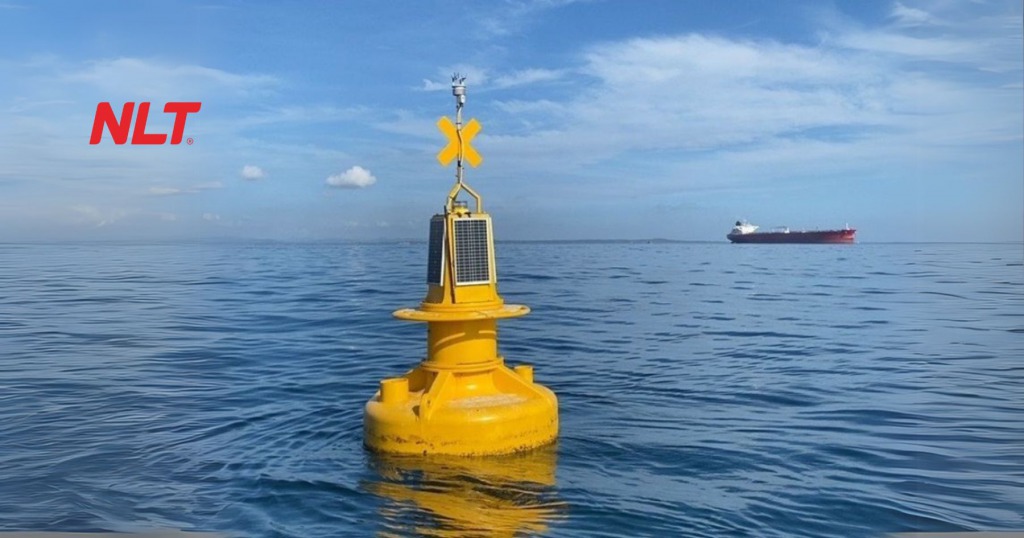
Meeting 24/7 operational requirements
One of the most critical requirements of inland waterway navigation systems is the ability to operate continuously day and night regardless of weather or environmental conditions. Even a short interruption in buoy operation can lead to serious maritime safety risks. For this reason, integrating solar energy provides a proactive and sustainable solution.
Thanks to on site energy generation, solar powered buoys receive a continuous power supply through photovoltaic panels and energy storage units. This allows the system to maintain signaling, positioning, and data transmission functions 24 hours a day without relying on the power grid or external power sources. This is a decisive factor in ensuring stable and long term maritime safety.
Saving maintenance and operating costs
Solar powered buoys use electricity generated from sunlight, significantly reducing long term costs thanks to:
- No need to install power cables from shore to buoy.
- No dependence on auxiliary power stations.
- Reduced risk of damage caused by flooding or cable breakage.
- Lower maintenance requirements compared with traditional electrical systems.
This is an effective solution for reducing annual operating budgets for port authorities and waterway management units.
Reducing dependence on coastal and offshore power infrastructure
In many key waterway regions of Vietnam such as the Mekong Delta, dense canal networks, and remote coastal or island areas, shoreline power infrastructure is often insufficient to provide a stable supply for navigation aids. Therefore, the use of solar powered buoys not only solves the issue of grid dependence but also enables buoys to operate independently at any location, including areas with no existing power connection.
Contributing to environmental protection and emission reduction
In the context of the global shift toward green energy, upgrading navigation buoy systems to use solar energy is a necessary and forward looking step. Instead of relying on fuel powered generators or inefficient grid electricity, each solar powered buoy becomes a zero emission light source that is environmentally friendly.
Structure and operating principle of solar powered buoys
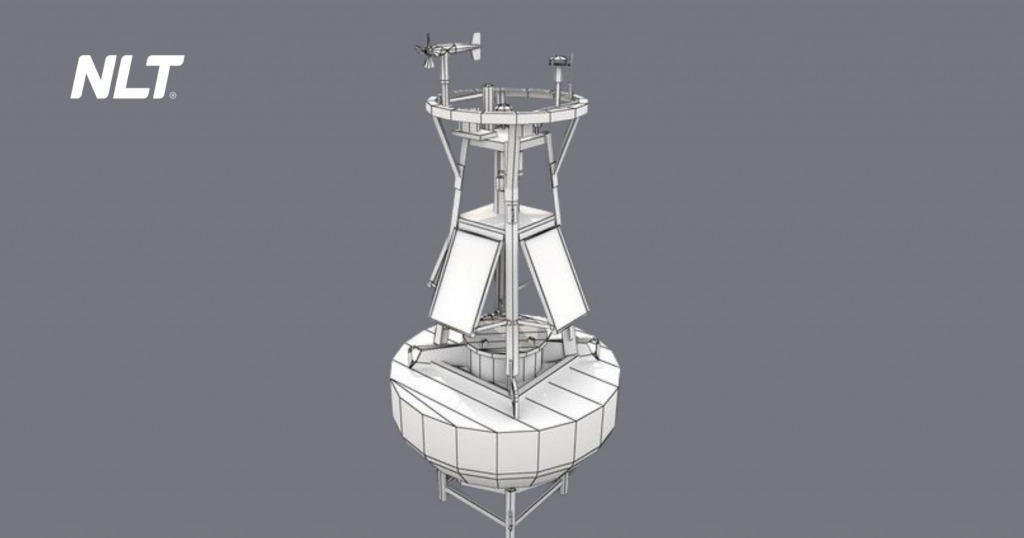
External structure and load bearing materials
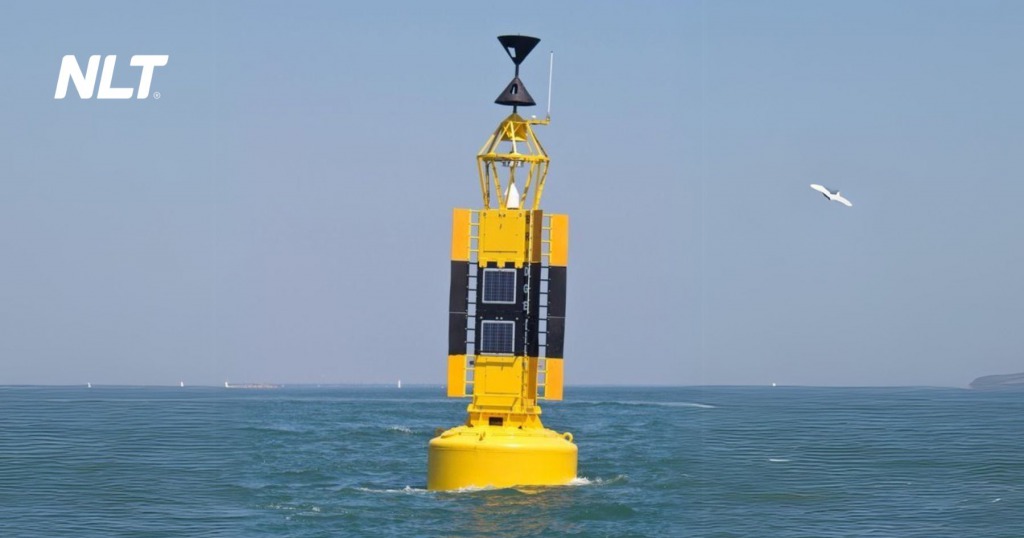
This type of solar powered buoy is specially designed to suit harsh operating environments:
- Primary materials: HDPE plastic or high grade composite, resistant to UV radiation and saltwater corrosion.
- Geometric structure: Ensures stable buoyancy and resistance to strong waves and currents.
- Reflective coating: Enhances visibility at night or in foggy conditions.
- Radar reflector: Helps vessels detect buoy positions from a distance.
All of these elements combine to ensure high stability and positional accuracy along navigation channels.
Integration of solar panels and energy storage systems
The core of the system lies in the intelligent energy module integrated into each buoy:
- Solar panels mounted on the top with high efficiency, capable of absorbing light even under overcast conditions.
- Energy storage batteries, typically lithium or gel, installed inside the buoy body to provide sufficient power for multiple days.
- A controller that manages charging and power distribution, automatically disconnecting when fully charged and optimizing energy efficiency.
As a result, solar powered buoys can operate fully autonomously without any external power supply.
Nighttime operation and performance under adverse weather conditions
One of the main concerns when deploying solar powered buoys is operational stability during prolonged rain, overcast skies, or nighttime. However, practical implementation has shown that:
- The energy storage system is designed to sustain operation for at least 5 to 7 days without direct sunlight.
- An automatic energy saving mode is activated during daytime or when high intensity signaling is not required.
- Smart sensors adjust light intensity according to surrounding environmental conditions.
>> See more: Structure of navigation buoys
Outstanding benefits of solar powered buoys
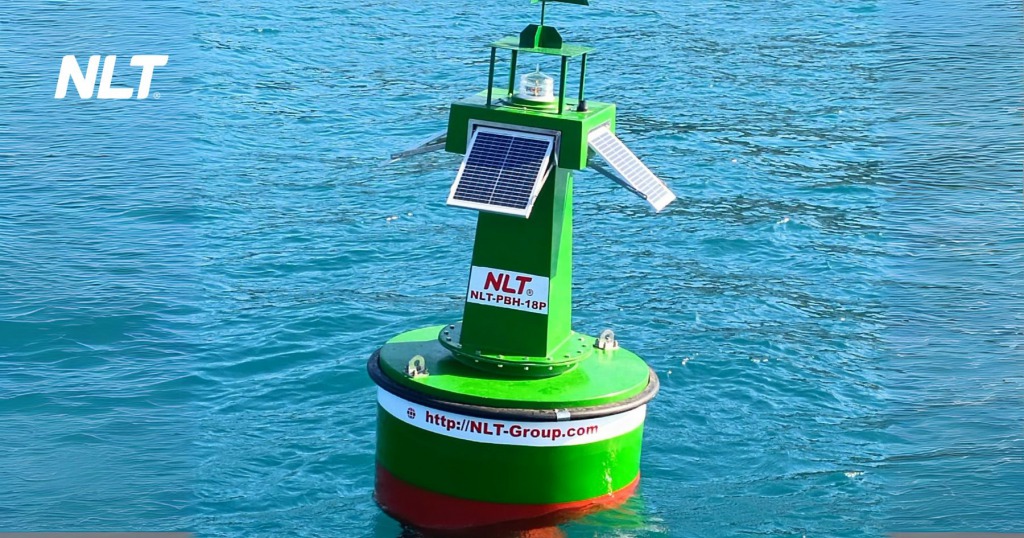
Easy installation and maintenance
Unlike traditional navigation aid systems that require electrical infrastructure connections, specialized technicians, and dedicated machinery, solar powered buoys offer high mobility and a much simpler installation process:
- No need to lay underground power cables or install auxiliary floating poles
- No need to build power supply stations or separate control cabinets
- Can be installed using small vessels, mobile cranes, or directly from the shore
In addition, the closed system inside the buoy body helps minimize failures caused by water ingress, corrosion, or marine organism attachment. Periodic maintenance mainly involves checking the storage batteries and cleaning the surface of the solar panels, without requiring advanced technical skills.
Safety and automatic adjustment based on ambient light
Modern buoy technology is not only a replacement in terms of energy source, but also represents a major advancement in safety and automation. Key features include:
- Integrated light sensors that allow the device to automatically activate signals at night and turn off when sufficient daylight is available, without manual intervention
- Automatic adjustment of light intensity according to environmental conditions to save battery power and avoid glare that could cause signal misinterpretation
- Complete electrical insulation, eliminating the risk of electric shock to vessels or inspection personnel
As a result, the buoy operates with a high level of safety even during storm seasons, high tides, or minor collisions with vessels.
Challenges during deployment
Battery durability and weather impact
The storage battery in a solar powered buoy system is a critical component that determines continuous operation in the absence of sunlight. However, battery durability is affected by various environmental factors such as high temperatures, prolonged humidity, and frequent charging cycles, all of which can reduce battery lifespan.
If periodic maintenance and timely replacement are not carried out, battery failure will cause the entire buoy to stop signaling, disrupting navigation functions and posing significant risks to maritime safety.
Initial investment cost
The initial investment cost of solar powered buoys is always a factor that management authorities must carefully consider. Total upfront costs can range from tens to hundreds of millions of VND per buoy depending on configuration. For systems deployed in large numbers along long river routes or across multiple port clusters, the initial budget requirement can be a significant barrier. Although long term operating costs are lower, the initial financial pressure may slow implementation progress without suitable funding sources or central budget support mechanisms.
Technical requirements for panel orientation and installation location
To achieve maximum efficiency, solar panels must be installed in the correct orientation and free from obstructions. Mandatory technical requirements include:
- Installation orientation must receive maximum direct sunlight, without shading from bridges, tree lines, or nearby floating structures
- Panels must be installed at an optimal tilt angle, not too steep to avoid water pooling, and not too flat to prevent reduced efficiency
- Buoys must be positioned in areas with stable depth and current, avoiding zones where moored vessels could cause vibration or cast shadows on the panels
Only when these conditions are met can the panels generate sufficient energy to ensure stable operation day and night, even during transitional seasons or prolonged cloudy weather.
Considerations for selection and installation
Checking battery standards and light output capacity
Not all batteries or lights are suitable for riverine and marine environments. When selecting solar powered buoys, it is essential to ensure that:
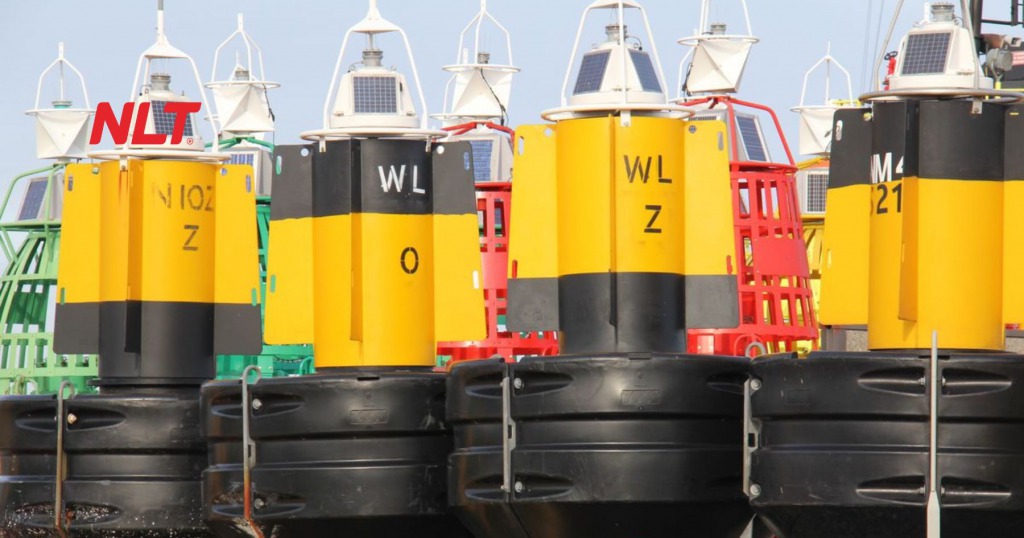
- Storage batteries meet at least IP65 standards, providing resistance to water and dust
- Battery capacity matches the total power consumption of the system for a minimum of five consecutive days without sunlight
- Light output meets required visibility levels, neither too weak to be difficult to detect nor too strong to cause glare
>> See more: Detailed guide on inspecting and detecting navigation buoy faults
Ensuring sufficient charging capacity under cloudy conditions
A common mistake is calculating battery capacity only under ideal sunny conditions. In reality, many regions in Vietnam experience prolonged rainy seasons, particularly in the northern and central areas. Therefore:
- Battery capacity must be sufficient to maintain continuous operation for at least five to seven days without sunlight
- Solar panels should have surface coatings that enhance absorption of diffused light, not just direct sunlight
- The controller should integrate an energy saving mode during adverse weather conditions to support sustainable system operation
Choosing a reputable supplier with warranty support
Solar powered buoy technology is still relatively new in the market, making the choice of a reliable supplier a decisive factor for long term stability. Priority should be given to suppliers that:
- Have proven experience deploying equipment in waterway environments, not merely supplying solar energy devices
- Offer clear warranty policies, with at least 12 to 24 months coverage for batteries and control systems
- Provide periodic maintenance services and rapid technical support, especially in hard to access areas such as river networks or remote islands
NLT Group – A leading provider of solar powered buoys
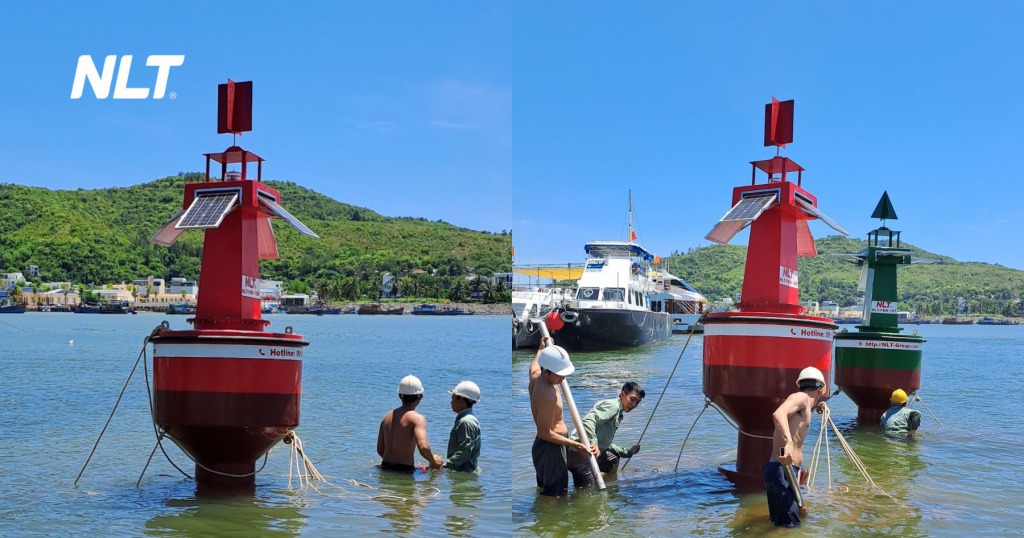
In Vietnam, NLT Group is one of the pioneering companies in researching, developing, and supplying navigation buoy solutions that apply solar energy technology. With more than ten years of experience in the maritime equipment sector, the company does not merely supply products but also provides comprehensive consulting services covering design, manufacturing, installation, and operation. Beyond being an equipment supplier, NLT Group is a trusted partner of many local Departments of Transport in projects aimed at upgrading waterway infrastructure. Choosing NLT Group means investing in a modern, sustainable signaling system aligned with Vietnam’s green transition strategy in the transport sector.
Conclusion
In the context of increasingly stringent maritime safety requirements, solar-powered buoys have emerged as a smart and sustainable solution. Their ability to operate continuously without relying on external power sources enhances the reliability of waterway navigation systems, particularly in remote or hard-to-access areas. This represents an optimal direction for modernizing waterway infrastructure while contributing to environmental protection and long-term operational cost savings.
FAQ
How many hours can a solar-powered buoy provide continuous lighting?
Typically, a high-quality solar-powered buoy can operate continuously for 72 to 120 hours, equivalent to 3 to 5 days without sunlight, depending on battery capacity and system power consumption. With compliant solar panels and storage batteries, the system consistently ensures uninterrupted signaling throughout the night.
How often do the battery or solar panel need to be replaced?
The service life of storage batteries usually ranges from 3 to 5 years, while solar panels can operate reliably for 10 to 15 years if properly cleaned and maintained. When energy storage capacity begins to decline noticeably, the battery should be replaced to ensure continuous performance.
Can this type of buoy be used on large rivers or at sea?
Yes, absolutely. Modern solar-powered buoy models such as those developed by NLT Group are designed to withstand strong waves, high winds, and saline environments, making them suitable for large rivers, estuaries, enclosed bays, and offshore anchorage areas. The mooring system and buoy body materials are carefully engineered to ensure buoyancy and stable positioning throughout the year.
Do the lights automatically turn on and off based on ambient light conditions?
Yes. Most modern buoy systems integrate light sensors that automatically switch the lights on at night and off during daylight hours. This mechanism helps conserve energy and extend battery lifespan.
Is a permit required to install solar-powered buoys?
Under current regulations, the installation of navigation buoys on maritime routes or inland waterways requires approval from the relevant specialized management authorities, such as inland waterway port authorities, Departments of Transport, or Inland Waterway Administrations. Investors must prepare technical documentation, location drawings, and construction plans for approval prior to implementation.