Tiếng Việt

Installing a smart gas system is a critical technical scope in modern projects, where requirements for safety, operational management, and regulatory compliance are increasingly stringent. However, many investors and project management teams still face challenges when approaching smart gas systems, including what components the system consists of, which implementation steps are required, what mandatory safety standards must be followed, and which common mistakes should be avoided. This article serves as a comprehensive guideline, clarifying all core aspects of the smart gas system installation process, from technical considerations to practical operation, helping ensure that investments are implemented correctly from the outset and deliver long-term effectiveness.
The role of smart gas systems in modern projects
Real-time gas safety monitoring
Smart gas systems enable continuous monitoring and immediate leak detection as soon as abnormal signs appear, rather than relying solely on periodic inspections. Early detection helps minimize risks and supports timely incident response.
In modern projects, installing a smart gas system not only addresses immediate safety requirements but also forms part of a smart gas infrastructure solution, where gas systems are centrally managed, data is digitized, and integrated into the overall technical systems of the facility.
Supporting centralized and remote operation management
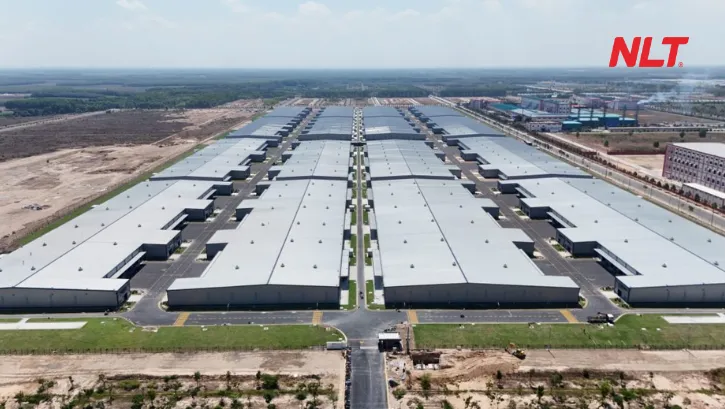
Smart gas systems allow operational data to be centralized on a single management platform, making them suitable for large-scale projects or facilities with multiple distributed gas usage points. Management teams can monitor multiple areas simultaneously, track system status, and quickly detect abnormal conditions.
Generating data for long-term management and optimization
The system records gas consumption data over time and by area, enabling investors to assess usage efficiency, identify fluctuations, and adjust operational strategies. This data serves as a critical foundation for cost optimization and improved long-term management effectiveness.
Main components of a smart gas system
Thiết bị hiện trường
Field devices can be considered the “senses” of a smart gas system, including leak detectors, measuring devices, control valves, and safety equipment. In smart gas system installation, this layer directly captures the operational status of the gas system and significantly affects alert accuracy and response capability in the event of an incident.
Management platform and data processing
The management platform acts as the “brain” of the smart gas system. It is the central hub for receiving and processing data from field devices. This platform supports system monitoring, incident alerts, consumption trend analysis, and data-driven decision-making.
Communication and connectivity infrastructure
The communication infrastructure serves as the “bridge” between field devices and the management platform, ensuring continuous, stable, and secure data transmission, especially for large-scale projects or those with multiple gas usage points.
Mandatory scopes when installing a smart gas system
Management platform and system configuration
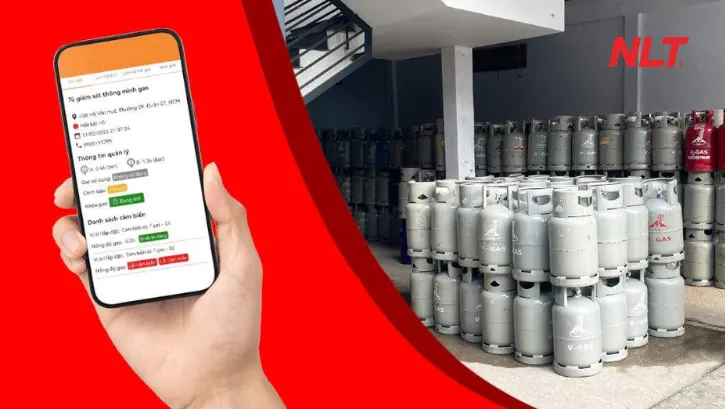
The management platform is the central data processing and control hub of the smart gas system. When installing a smart gas system, appropriate software must be deployed in line with the project scale, ensuring full visibility of operational status and real-time alerts.
In addition, the system must establish clear access rights for each user group, such as project management teams, technical departments, and operating units, to prevent overlapping operations and ensure proper access control.
Furthermore, alert thresholds and incident response scenarios must be configured in accordance with actual site conditions to minimize false alarms while ensuring no critical signals are missed. Operational data must also be fully stored, easily retrievable, and protected to ensure information security.
Connectivity, integration, and testing
After completing the management platform setup, all field devices must be connected synchronously to ensure continuous and accurate data transmission during operation.
For projects with existing management systems, smart gas system installation must be integrated so that data is centrally managed, avoiding fragmented operations and supporting comprehensive monitoring.
Before acceptance, the system must undergo full testing for scenarios such as gas leaks, threshold exceedance, or communication loss. Structured and thorough testing is a prerequisite to ensure the system is ready for official operation and provides long-term safety assurance.
Safety standards for smart gas system installation
Gas safety and fire prevention regulations
- QCVN 06:2022/BXD– Fire safety for buildings and structures: This regulation defines fire prevention and firefighting solutions for buildings. Smart gas systems must be designed and installed in alignment with the approved fire protection plan, especially in areas with a high risk of fire and explosion.
Standards for gas system design and installation in buildings
- TCVN 7441:2004– Requirements for the design, installation, and operation of liquefied petroleum gas (LPG) supply systems at points of use: This standard specifies materials, pipeline installation methods, safety distances, and acceptance requirements. It serves as a key technical basis when implementing smart gas system installation in buildings.
- TCVN 6008:2010– Safety of pressure equipment:This standard applies to gas tanks, cylinders, and pressure-bearing equipment to ensure safety during operation and integration with smart gas systems.
Safety requirements for the placement of smart gas equipment and sensors
- Regulations on the installation positions of gas leak detection devices: Sensors must be installed in areas where gas accumulation is likely to occur, in accordance with the characteristics of each gas type, to ensure early detection and accurate alerts.
- Ensuring safe distances and maintenance accessibility: Equipment, shut-off valves, and pipelines must be arranged with proper technical clearances while remaining accessible for inspection, maintenance, and incident response.
Inspection, testing, and safety acceptance before operation
- Comprehensive technical inspection before acceptance: This includes checking pipeline tightness, verifying the operation of safety valves, confirming sensor accuracy, and ensuring proper data transmission of the smart gas system.
- Testing incident scenarios in accordance with standards: Scenarios such as gas leaks, alert threshold exceedance, or loss of connection must be tested to evaluate the system’s response capability in line with design intent and safety requirements.
- Acceptance in compliance with current legal regulations: All documentation and acceptance records confirming compliance with applicable standards must be completed before the smart gas system is officially put into operation.
Technical guidelines for smart gas system installation
Survey and design
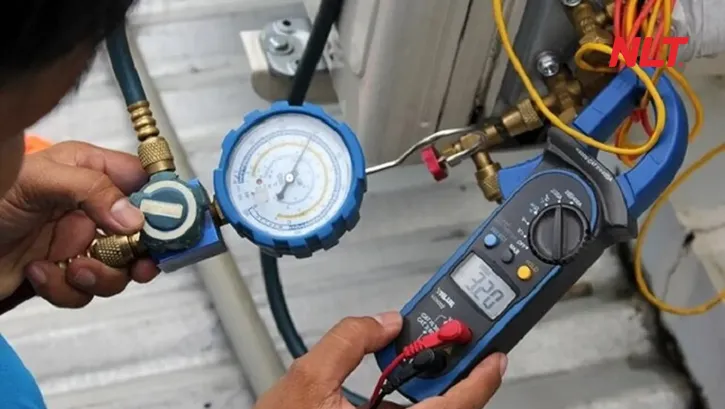
Site condition assessment is the first step and has a direct impact on the entire smart gas system installation plan. The implementing party must evaluate spatial conditions, gas usage areas, installation environments, and actual operational requirements of the project. Based on this assessment, the system design is developed to match project scale, equipment configuration, installation locations, and future expansion capability.
Installation of gas tanks or cylinders
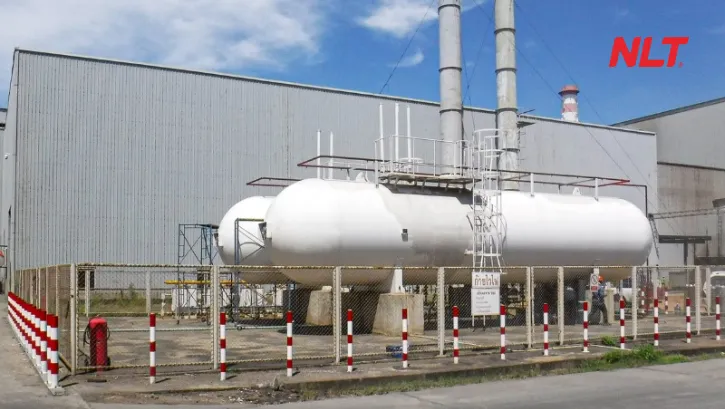
Gas tanks or cylinders must be installed at designated locations according to the design and in compliance with safety regulations regarding distance, ventilation, and fire prevention. During smart gas system installation, equipment must meet technical requirements, be securely fixed, and include all necessary safety devices. This is a critical scope that requires strict control due to its direct impact on overall system safety.
Pipeline installation
Gas pipelines must be installed in accordance with technical standards for materials, installation methods, and safety distances. All joints must ensure tight sealing, minimize leakage risks, and allow convenient inspection and maintenance. Proper pipeline installation supports stable system operation and reduces risks during use.
Installation of control and safety devices
Control devices, shut-off valves, leak detection sensors, and safety equipment are installed at locations defined in the design. This scope must ensure accurate device operation, fast response, and stable connection with the management platform. Proper installation enables the smart gas system to perform effectively in monitoring and incident handling.
Inspection and commissioning
After completing smart gas system installation, the entire system must be inspected and commissioned before official operation. Inspection items include pipeline tightness, equipment functionality, sensor accuracy, and data transmission capability. Commissioning helps identify technical issues early and ensures the system is ready for safe and stable operation.
Common mistakes in smart gas system installation
Incorrect sensor placement or density
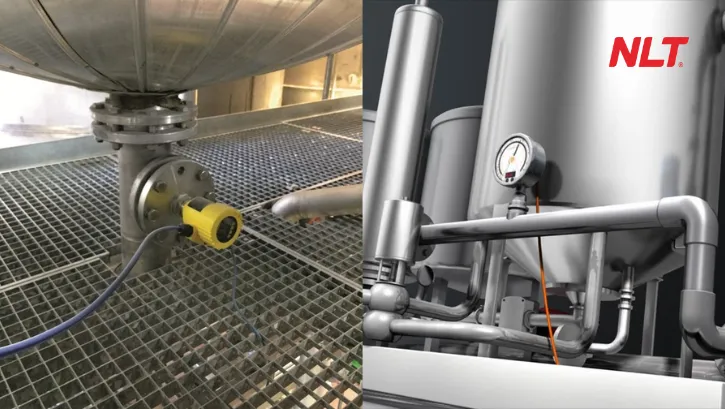
A common issue is improper placement of gas leak sensors that does not align with spatial characteristics or the type of gas used. This often results from insufficient site surveys or inaccurate identification of gas accumulation risk areas.
As a result, detection may be delayed, alerts may be inaccurate, or false alarms may occur, reducing monitoring effectiveness and creating complacency during operation.
Failing to consider expansion during smart gas system design and installation
Many projects design smart gas systems only to meet immediate needs, without considering future expansion when gas usage increases or new functional areas are added.
This leads to the need for configuration changes, additional equipment, or platform upgrades after the system is already in operation, resulting in increased costs and disruption to continuous operation.
Lack of a clear operational procedure after smart gas system installation
Some cases focus heavily on installation while neglecting the development of operational procedures, responsibility assignment, and incident response guidance. This often stems from viewing smart gas solely as a technical system rather than integrating it into daily operational management.
As a result, system capabilities are underutilized, alerts may be ignored or handled slowly, and the overall investment effectiveness fails to meet initial expectations.
Key considerations to ensure safety during smart gas system operation
Ensuring ventilation and leak control
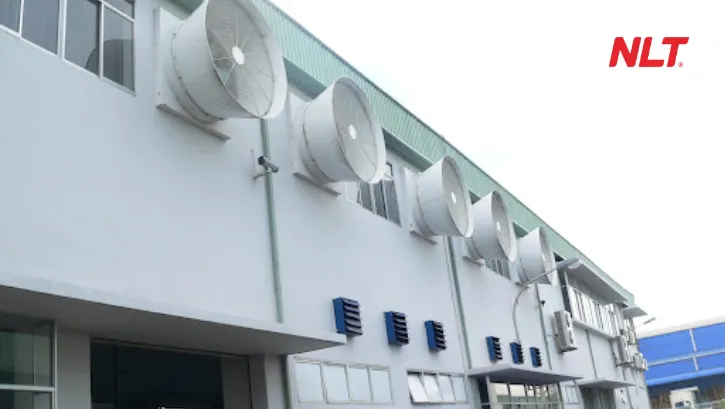
Areas where gas tanks or cylinders and gas-consuming equipment are installed must be properly ventilated in accordance with the approved design.
During operation, when a gas leak is detected by the system, immediate basic actions must be taken, such as shutting off the gas supply at the safety valve, inspecting the alerted area, and only restoring operation after the root cause has been fully addressed.
Incident response procedures and fire prevention
Incident response procedures must be clearly defined for each specific scenario, including gas leaks, alert threshold exceedance, system disconnection, or equipment malfunction.
At a minimum, the procedure must include the following steps: receiving the alert, on-site verification, activating safety measures such as gas shut-off and area isolation, notifying relevant departments, and recording the incident. These procedures must be integrated with the project’s fire prevention and firefighting plan and be regularly drilled.
Compliance with legal regulations on gas safety
During operation, smart gas systems must comply with gas safety and fire prevention regulations in accordance with TCVN 7441:2004, TCVN 6008:2010, QCVN 06:2022/BXD, and periodic inspection and maintenance requirements set by regulatory authorities. Operational records, safety inspection reports, and maintenance results must be fully archived to support audits, inspections, and ensure the system operates legally and stably over the long term.
NLT Group as a trusted partner in smart gas system installation for modern projects
Capability to deliver end-to-end solutions from design to operation
NLT Group implements smart gas systems with a synchronized approach from the outset, including site surveys, solution consulting, technical design, installation, and operational support. This end-to-end approach ensures the system aligns with the specific characteristics of each project, minimizes unforeseen issues, and delivers long-term operational effectiveness.
Advanced equipment and technology
Smart gas systems deployed by NLT Group utilize equipment that meets technical standards, combined with a modern management platform and flexible connectivity. Selecting the right technologies enables stable system operation, accurate data, and readiness for expansion as projects evolve.
>> See more: Advantages of NLT Group’s 4.0 gas customer management systemNLT Group
Experience in deploying smart gas systems for large-scale projects
NLT Group has extensive experience participating in large-scale infrastructure and building projects that demand high safety standards, centralized management, and strict regulatory compliance. This deep understanding of complex operating environments ensures smart gas systems are deployed effectively and on schedule.
24/7 consulting support and dedicated after-sales service
Beyond installation, NLT Group remains closely involved with investors throughout the operational lifecycle. The technical team is always ready to provide consultation, incident response support, and system adjustments when required, helping maintain stable and safe smart gas system operation.
>> See more: NLT Group – International-standard smart gas system provider for all types of projects
Installing a smart gas system is not merely an isolated technical task, but a critical component of the overall safety infrastructure and operational management of modern projects. With comprehensive capabilities spanning design, construction, and operational support, NLT Group is committed to delivering smart gas solutions that meet technical requirements, comply with regulations, and support long-term, sustainable operation.
If you are seeking a smart gas system installation solution for an upcoming project, contact NLT Group for prompt, clear, and project-specific consultation.
Nam Long Technology Investment Group (NLT Group)
- Hotline: 0911 379 581
- Email: kinhdoanh@nlt-group.com
- TIN: 0313339640
- Address: 43T Ho Van Hue Street, Duc Nhuan Ward, Ho Chi Minh City
Frequently asked questions about smart gas system installation
Which types of projects are suitable for installing a smart gas system?
Smart gas systems are suitable for urban developments, industrial zones, factories, commercial centers, hospitals, schools, and projects with multiple gas usage points or high safety requirements.
Can a smart gas system be integrated with an existing building infrastructure?
Yes. Smart gas systems can be integrated with existing management systems such as BMS or centralized monitoring platforms after appropriate site assessment and configuration.
How is the investment cost for installing a smart gas system evaluated?
The cost depends on project scale, the number of devices, and the level of system integration. While the initial investment is higher than traditional systems, it delivers long-term safety and operational efficiency.
Does installing a smart gas system affect the current operation of the facility?
Yes, but to a limited extent. Installation can be carried out in phases to minimize disruption to ongoing operations.
What factors should be considered to ensure stable and sustainable long-term operation of a smart gas system?
It is essential to ensure that the system is installed in accordance with technical standards and supported by clear operational and incident response procedures. In addition, periodic inspection, maintenance, and operator training play a critical role in maintaining long-term effectiveness.