Tiếng Việt
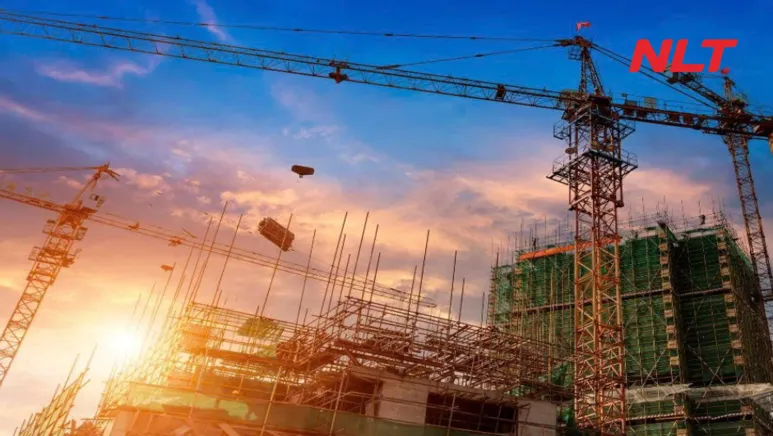
In today’s construction investment landscape, “technical infrastructure construction” plays the role of the project’s “structural backbone.” A properly executed infrastructure system provides a solid foundation for all subsequent components to operate sustainably, safely, and efficiently. Conversely, even a small mistake in infrastructure construction can lead to serious consequences such as flooding, subsidence, electrical overloads, wastewater blockages, or operational safety risks.
For this reason, selecting a contractor is not merely about choosing a construction firm. It is about choosing the party that will “safeguard the project’s foundation”, directly determining the success or failure of the entire development.
Why is choosing the right technical infrastructure contractor so important?
Impact on project schedule, quality, and cost
Technical infrastructure construction requires close coordination across transportation, water supply and drainage, power, and security systems. If the contractor lacks experience, projects often face issues such as:
- Delays in construction that extend the overall project timeline
- Technical errors requiring rework, leading to additional time and cost
- Cost overruns beyond the original budget due to material mistakes or structural reinforcement needs
A professional contractor optimizes materials, manpower, and construction methods to maintain schedule control and prevent unnecessary cost escalation.
Reduced legal and safety risks during construction
Infrastructure construction must comply with strict regulatory standards. Non-compliance can expose investors to:
- Incomplete or non-compliant legal documentation, resulting in suspended works or failed acceptance
- Projects that do not meet inspection standards, causing delays and legal expenses
- Occupational safety violations that lead to accidents and asset damage
A reputable contractor ensures compliance with QCVN and TCVN standards, enabling proper acceptance and safe execution.
Stable operation after project completion
A well-built technical infrastructure system ensures long-term operational stability:
- Fewer operational incidents due to compliant construction standards
- Lower maintenance and repair costs thanks to high initial build quality
- Optimized performance, helping save resources and energy
Selecting a capable and experienced contractor ensures the project remains durable and efficient throughout its lifecycle.
Key technical infrastructure scopes contractors must deliver
Transportation infrastructure construction
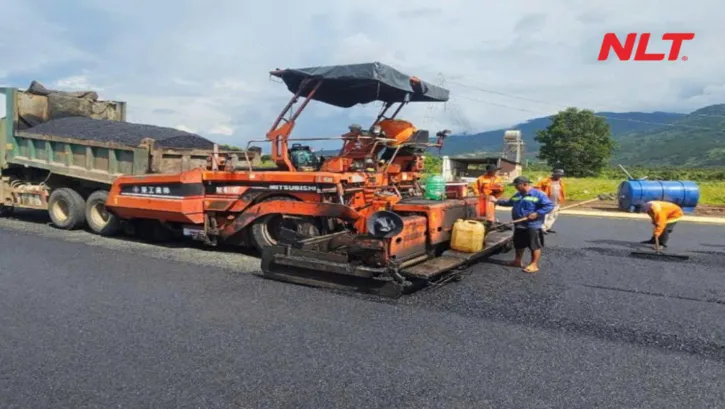
Contractors are responsible for internal roads, curbs, barriers, and street lighting systems. Roadways, markings, and traffic signage must be accurately designed and constructed to ensure load-bearing capacity and user safety.
Electrical system construction
Electrical infrastructure includes medium- and low-voltage systems, substations, control cabinets, and public lighting. Proper installation of cables, underground wiring, and grounding systems reduces fire risk and enhances user safety.
Water supply and drainage systems
Water systems must reliably supply clean water and ensure effective drainage. Components such as pipelines, drainage networks, manholes, and pumping stations must be built accurately to prevent blockages and leakage.
Telecommunications, security cameras, and IoT infrastructure
In urban and industrial projects, telecommunications, security cameras, and IoT systems are essential. Contractors must install fiber optic networks, surveillance systems, and IoT devices to support data collection and monitoring for traffic, lighting, and energy systems.
Environmental infrastructure
Contractors are also responsible for environmental protection works, including wastewater treatment plants, waste collection systems, and automated environmental monitoring. Landscaping and green spaces further improve air quality and create healthier living environments.
>> See more: Technical infrastructure construction solutions by NLT Group
Criteria for selecting a technical infrastructure construction contractor
Assessing the contractor’s capability profile
A capability profile is a key basis for evaluating whether a contractor can deliver a technical infrastructure project. Investors should review the following aspects:
- Charter capital: Ensure the contractor has sufficient financial capacity to undertake large-scale projects.
- Operating licenses and capability certificates: The contractor must hold all required legal permits and professional certifications for technical infrastructure construction.
- Technical personnel: Verify that the contractor has a sufficiently sized team of highly qualified engineers capable of handling complex works.
- Management and construction organization capacity: Assess the contractor’s ability to organize and manage projects to ensure schedule adherence and quality control.
Experience in delivering projects
Practical experience in technical infrastructure construction is a decisive factor. Investors should:
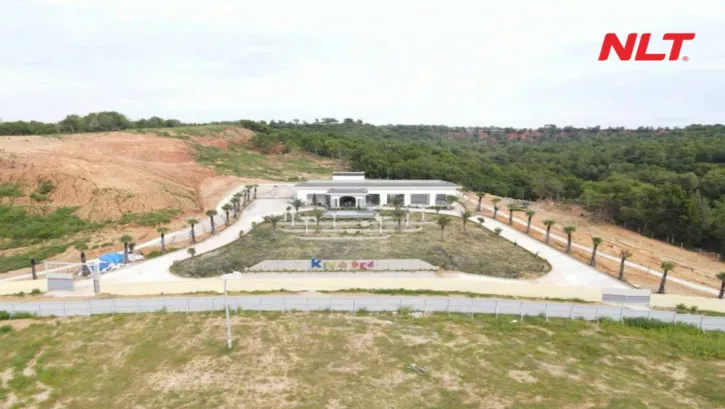
- Review acceptance records and project photos: Evaluate quality and timelines from completed projects.
- Compare project scale and nature: Assess whether past projects are comparable to the current one.
- Contact previous clients: Seek feedback to gauge reliability and performance.
Contractors with solid experience are better equipped to handle issues that arise during construction.
Technical capacity, equipment, and human resources
To deliver technical infrastructure works effectively, contractors should ensure:
- Modern machinery: Bulldozers, rollers, excavators, and specialized equipment to accelerate progress and ensure quality.
- Specialized engineers: Engineers with professional licenses and strong expertise to meet technical requirements.
- ISO quality management systems: To ensure rigorous inspection and supervision throughout construction.
Transparency in schedule, finance, and acceptance
- Clear construction schedules: Enables timely adjustments if delays occur.
- Transparent financial policies: Detailed quotations to avoid cost overruns beyond the approved budget.
- Standard acceptance procedures: Clearly defined acceptance processes to ensure quality prior to handover.
Application of BIM, GIS, and IoT
Modern technologies help optimize construction and operations:
- BIM (Building Information Modeling): Simulates and optimizes designs before construction, minimizing errors.
- GIS: Analyzes and manages spatial data to support accurate decision-making during construction.
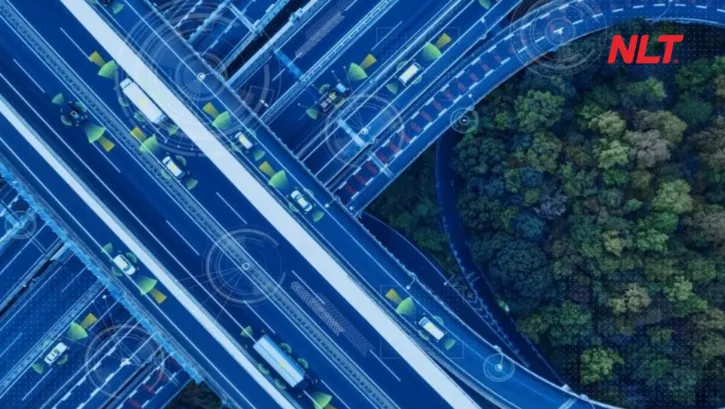
- IoT: Enables real-time monitoring and management of infrastructure systems, improving efficiency and reducing operating costs.
Warranty, maintenance, and post-project support
- Construction warranty: Contractors should provide clear warranty policies covering structural works, finishes, and technical systems to promptly address any issues.
- Maintenance services: Post-completion maintenance ensures long-term stability, optimizes asset lifespan, and protects the investor’s capital value.
Risks of selecting the wrong contractor
Cost overruns and extended timelines
Choosing an unsuitable technical infrastructure contractor can lead to additional costs from rework and corrections, inflating budgets and delaying schedules. Construction errors not only slow progress but also disrupt the entire project.
Technical failures during operation
If works are not built to standard, technical failures may occur, such as:
- Operational disruptions: Water supply, drainage, or power systems malfunctioning, affecting residential areas, industrial zones, or public facilities.
- Safety risks: Incidents like fires or flooding that endanger people and property.
Failure to pass acceptance and legal issues
One of the most serious risks is failure to meet acceptance standards:
- Non-accepted works cannot be put into operation, causing disruption.
- Non-compliance with regulations may expose investors to legal disputes and repair costs.
Ensuring the contractor holds all required licenses and capability certifications helps mitigate these risks.
Increased maintenance costs after handover
If construction does not meet standards, maintenance expenses rise:
- Repair costs may exceed initial savings.
- Reduced operational efficiency due to unstable system performance.
Process for selecting a reputable technical infrastructure construction contractor
Step 1: Define project scope and technical standards
First, the investor needs to clearly define the technical requirements, materials to be used, and applicable legal standards of the project. This helps contractors fully understand the expectations and propose appropriate construction solutions.
Step 2: Evaluate the contractor’s capability profile
Review the contractor’s legal documents, human resources, equipment, and financial capacity. These are critical factors in assessing whether the contractor can deliver the project on schedule and to the required quality.
Step 3: Compare technical solutions and construction methods
Select the contractor that proposes the most optimal construction approach in terms of cost, quality, and timeline. The proposed method should ensure efficiency throughout the entire technical infrastructure construction process.
Step 4: Verify practical experience
Inspect projects that the contractor has completed to assess construction quality and their ability to handle issues arising during execution.
Step 5: Assess financial capacity, schedule commitment, and warranty
Ensure the contractor has sufficient financial strength to carry out the project, clear schedule commitments, and transparent warranty policies after completion.
Step 6: Inspect sites the contractor has completed or is currently executing
Conduct site visits to evaluate actual construction organization, quality management, and progress control.

Trends in selecting technical infrastructure construction contractors for 2025–2030
Contractors applying smart construction technologies
Technologies such as BIM, GIS, IoT, and progress-monitoring drones help optimize design and construction, improve efficiency, and minimize errors. The use of automated machinery also accelerates progress and ensures consistent quality.
Green construction with reduced emissions and optimized energy use
Green and sustainable technical infrastructure construction is becoming a mandatory requirement, especially in new urban and industrial developments. Contractors are expected to use environmentally friendly materials, reduce emissions, and optimize energy consumption to lower costs and protect the environment.
Life-cycle cost analysis to reduce long-term expenses
Considering the full life cycle of infrastructure helps investors reduce long-term maintenance and operating costs. Contractors optimize material and technology choices to lower total cost of ownership over 10 to 20 years, thereby improving investment efficiency.
Looking for a reputable technical infrastructure construction contractor?
With hands-on experience across numerous residential, industrial, and high-tech projects, NLT Group is a trusted partner for many investors in Vietnam.
>> See more: NLT Group – A leading reputable MEP contractor in Vietnam
Contact NLT Group for optimal project solutions:
Nam Long Technology Investment Group (NLT Group)
- Hotline: 0911 379 581
- Email: kinhdoanh@nlt-group.com
- TIN: 0313339640
- Address: 43T Ho Van Hue Street, Duc Nhuan Ward, Ho Chi Minh City