Tiếng Việt
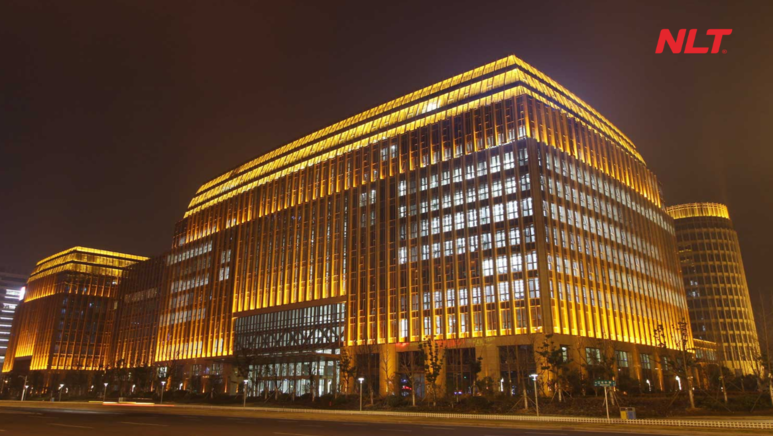
Building lighting today plays a critical role in shaping architectural identity, optimizing energy use, and supporting a project’s ESG orientation. A properly designed system helps define massing, materials, and facade composition while reducing power consumption and minimizing environmental impact on the urban setting. This article introduces an ESG-aligned approach to building lighting as a reference for investors and facility managers when designing new projects or upgrading existing systems..
Overview of ESG-compliant building lighting
What is ESG-compliant lighting?
ESG-compliant lighting refers to a set of criteria used to assess the sustainability performance of a building. When applied to building lighting, especially smart lighting solutions, ESG goes beyond aesthetics to evaluate how the system uses energy, its environmental impact, and how it is managed and operated throughout its lifecycle. The ultimate goal is to create a building lighting system that is visually refined, energy-efficient, and sustainable, maintaining long-term value over many years.
How does ESG relate to building lighting?
Building lighting is one of the most visible elements reflecting a project’s ESG commitment:
- Environment: Optimizing luminaire configuration, drivers, dimming scenarios, and operating schedules to reduce energy use and indirect emissions.
- Social: Designing comfortable lighting with controlled brightness, minimal glare, and no direct light spill into residential areas, creating a safer and more pleasant nighttime environment.
- Governance: Monitoring power consumption, equipment status, and maintenance schedules, enabling investors and operators to make upgrade and investment decisions based on transparent, data-driven insights.
Comparison between ESG-compliant building lighting and conventional lighting
| Criteria | Conventional lighting | ESG-compliant building lighting |
| Implementation objective | Focuses on basic illumination or visual highlights based on subjective preference. | Designed based on architectural intent and long-term operational goals. |
| Number & wattage of fixtures | Uses more fixtures with higher wattage due to limited upfront calculation. | Optimizes fixture quantity, wattage, and optics from the design stage. |
| Energy efficiency | High energy consumption with limited aesthetic return. | Reduced energy use through dimming strategies and high-efficiency drivers. |
| Operation and maintenance | Higher long-term costs and difficult to control over time. | Clear operating scenarios and stable performance over many years. |
| Aesthetic value | Lighting often appears uneven and lacks depth. | Light acts as a “skin” that enhances and respects the architectural character. |
>> Learn more: Why is conventional lighting often less effective than ESG-compliant solutions?
The value of ESG-compliant building lighting for investors and developers
Enhancing building identity and brand recognition
When properly designed, building lighting becomes part of the overall brand language. The facade, logo, entrances, and key architectural elements are highlighted with precision and depth, without visual clutter or glare. Light reinforces the architectural spirit: clean, modern, and refined, giving the building a consistent nighttime appearance that is easy to recognize and strengthens brand value and communication for the owner.
Reducing operating costs and improving life-cycle efficiency
With ESG-compliant building lighting, both equipment selection and operating configurations are calculated from the outset to meet technical requirements while optimizing long-term costs. High-efficiency LED fixtures combined with time-based dimming significantly reduce energy consumption, while stable drivers, effective thermal management, and outdoor-rated components minimize failures and maintenance expenses.
Installation positions are also planned for easy access and servicing, reducing the need for scaffolding or lifting equipment. As a result, over a 5–10 year period, the total cost from initial investment through operation is often significantly lower than solutions developed without proper upfront planning.
>> See more: The benefits of smart lighting systems in building operations
Unlocking commercial value
A well-executed building lighting system delivers tangible commercial benefits. A professional and recognizable nighttime image increases attractiveness for office tenants, retail spaces, hotels, and commercial centers. Thoughtful lighting composition also creates natural photo viewpoints, encouraging visitors and communities to share images organically across digital platforms, extending project visibility without heavy advertising spend.
Increasing long-term value while reducing environmental impact
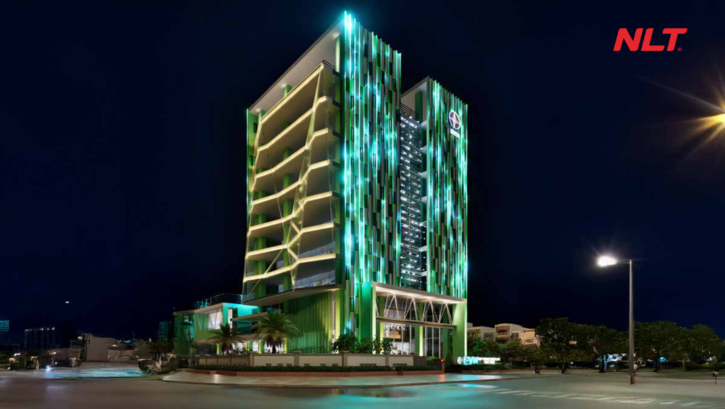
As cities move toward “greener” and “smarter” development, ESG-compliant building lighting helps facades appear clear and visually calm at night, limiting light pollution instead of turning surrounding areas into glaring light signage.
Lower energy consumption, extended equipment lifespan, reduced electronic waste, and data-driven system management all demonstrate a strong commitment to sustainability. This approach not only supports environmental and social responsibility but also builds credibility with authorities, institutions, and investment funds focused on environmental and social impact.
Principles of ESG-compliant building lighting design
Respecting architecture as the top priority
In building lighting, light plays a supporting role. Its purpose is to reveal architectural form, not to overpower or distort it. Designers must understand the facade composition, materials, solid and void rhythms, and identity elements in order to determine which areas require emphasis and which should remain subtle or intentionally dark. A lighting scheme is considered ineffective if it visually deforms the building or diverges from the original architectural intent.
Designing with layered lighting instead of uniform illumination
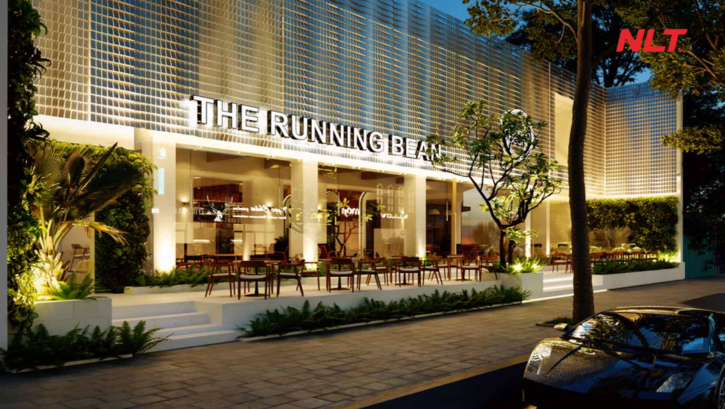
ESG-compliant building lighting is typically organized into “lighting layers”. A base layer allows the building mass to appear gently within the urban context. An accent layer highlights columns, fins, recesses, logos, and key identity details. A functional layer serves walkways, entrances, lobbies, and access zones. This layered approach optimizes fixture quantity while creating a clear, structured, and visually calm nighttime composition without clutter or excess brightness.
Controlling glare and reducing urban visual disturbance
A core requirement of ESG-aligned building lighting is minimizing glare and avoiding visual disturbance to drivers and nearby residents. Careful calculation of beam angles, shielding accessories, anti-glare solutions, and installation positions ensures that light does not shine directly into drivers’ eyes or adjacent apartments while still delivering clear architectural effects.
Prioritizing light that is “sufficient, precise, and time-appropriate“
Effective facade lighting is guided by three principles:
- Light levels are kept only as high as needed to define architectural form, avoiding overly bright facades.
- Fixtures are placed on architecturally meaningful surfaces rather than technical or visually insignificant areas.
- Brightness levels and operating times are adjusted by time of night, preventing the system from running at maximum output throughout the evening.
Designing for maintenance and replacement from the outset
A lighting system is only sustainable when maintenance and replacement are considered during design. Fixture locations must be safe and easy to access, minimizing dependence on specialized equipment. Products should be easy to install and replace, using standardized accessories rather than temporary solutions. When these principles are met, building lighting remains stable over the long term, aligns with ESG objectives, and significantly reduces future risk and cost for owners.
Key components of an ESG-compliant building lighting system
High-efficiency lighting fixture layer
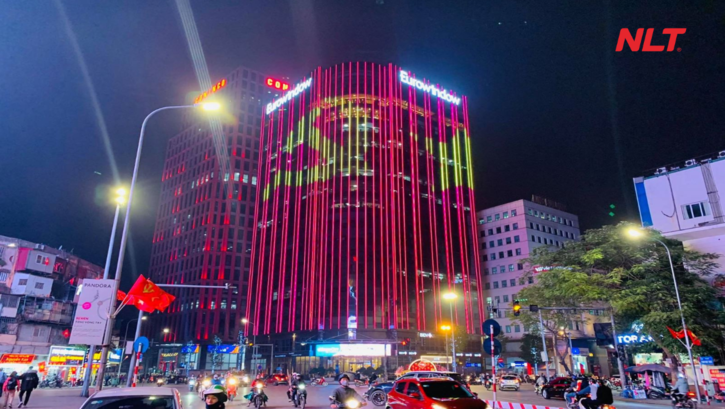
This layer directly shapes the building’s nighttime image and typically combines linear lights, wall washers, floods, spots, or pixels depending on facade surfaces and architectural intent. Fixtures should provide:
- High luminous efficacy with precise optics and uniform output
- CRI appropriate to facade materials
- Durable housings resistant to rain, dust, sunlight, and salt air in coastal environments
ESG-compliant building lighting always begins with selecting the right fixtures, as they determine both visual quality and energy performance.
>> Learn more: Understanding LED technology to optimize building lighting design
Stable driver, power supply, and control cabinet layer
While fixtures are visible, drivers, power supplies, and control cabinets form the technical backbone that ensures reliable operation:
- High-quality drivers compatible with fixture types and control systems
- Well-ventilated electrical and control cabinets with surge and leakage protection
- Proper power distribution design with voltage drop calculation and phase balancing
In ESG-oriented building lighting, a robust driver and power layer is essential for all higher-level optimizations to be effective.
Smart control and scene programming layer
The control layer acts as the system’s “intelligence“, enabling flexibility without hardware changes. At a minimum, it should include:
- Control zoning by facade section, functional area, or primary viewing direction
- Time-based scenes for different hours, weekdays, and special events
- Dimming capability to reduce power while maintaining architectural clarity
With a well-designed control layer, owners can fine-tune building lighting based on real operational needs, increasing flexibility and energy savings.
Energy monitoring and fault alert layer
For medium and large projects, especially those incorporating solar or energy-saving solutions, monitoring functions as the ESG data center:
- Tracking energy use by cabinet, zone, or lighting scene
- Early alerts for abnormal fixture or driver behavior
- Operational history for evaluating performance after adjustments or upgrades
Quantified data allows owners to evaluate lighting effectiveness and make informed investment decisions rather than relying on intuition.
Standardized operation and maintenance layer
The final layer connecting the entire system is people and process:
- Scheduled maintenance plans including cleaning, mechanical checks, seals, cables, and connectors
- Clear procedures for fault handling, replacement, and documentation
- Defined responsibilities between operators, lighting contractors, and service providers
When all layers are implemented cohesively, the building lighting system operates reliably, conserves energy, and remains ESG-compliant throughout the building’s full life cycle.
Tips for selecting building lighting equipment to optimize aesthetics and performance
Allocating linear, wall washer, flood, and point or pixel lighting by function and architectural surface
In building lighting design, there is no “universal” fixture. Each type serves a distinct purpose:
- Linear lighting: highlights edges, ribs, outlines, and architectural grooves.
- Wall washers: create even background illumination, revealing materials and wall textures.
- Floodlights: provide long-range illumination for large surfaces, prominent logos, or entire building volumes.
- Point or pixel lights: create visual effects, patterns, or subtle motion and must be carefully controlled to avoid visual clutter.
Selecting the right fixture for the right surface and role results in a clear, organized lighting composition that is easier to operate and maintain over the long term.
Selecting lenses and beam angles to deliver sufficient light while saving energy
Lens design and beam angle determine how light spreads across architectural surfaces. An overly wide beam causes light spill and requires higher wattage without clearly defining form. An overly narrow beam creates patchy illumination and poor continuity. Effective building lighting design therefore requires:
- Careful review of photometric data, beam angles, and light distribution curves in product documentation
- Simulation or on-site testing on the actual facade materials
- Fine-tuning until light is sufficient, accurately placed, and waste is minimized
Choosing wattage based on illuminance standards for each area
Fixture wattage should be determined by recommended illuminance levels and functional requirements, not by the assumption that “brighter is better”:
- Facades, entrances, and signage for offices, hotels, and commercial centers all have recommended illuminance ranges
- These values should form the design baseline and be adjusted based on site context and surrounding urban conditions
This approach prevents glare and energy waste while ensuring the architecture does not “disappear” at night.
Prioritize equipment that is suitable for the local climate and installation environment
The same fixture performs differently depending on whether it is installed in dense urban areas, coastal zones, or along major traffic corridors. Equipment selection should never rely on “default” catalog assumptions:
- Coastal environments: require corrosion-resistant materials, high-quality seals, and appropriate protection ratings
- Dusty or polluted areas: benefit from fixtures that are easy to clean and have glass surfaces that resist dirt buildup
- Accessible locations: require impact resistance to reduce vandalism risk
Choosing fixtures suited to their environment ensures stable operation, fewer failures, and lower maintenance costs.
Avoiding configurations that waste luminous output
Every watt used in building lighting should produce useful illumination. Avoid the following inefficiencies:
- Installing fixtures too far from surfaces, forcing higher wattage with limited visual benefit
- Shining light through glass or onto areas with no functional or aesthetic value
- Mounting fixtures where louvers or structural elements block the beam
Eliminating these issues during the design phase improves lighting efficiency and reduces operational cost throughout the building’s life cycle.
Color and color temperature in ESG-compliant building lighting
A shift toward refined lighting with fewer colors and greater depth
Current building lighting trends favor restrained color palettes with depth and visual comfort. Color choices align with architectural style and brand identity. Lighting is no longer used for spectacle, but as a refined finishing layer that supports architecture, reveals detail, and remains harmonious with the nighttime urban environment.
Selecting warm, neutral, or cool white light by architectural style
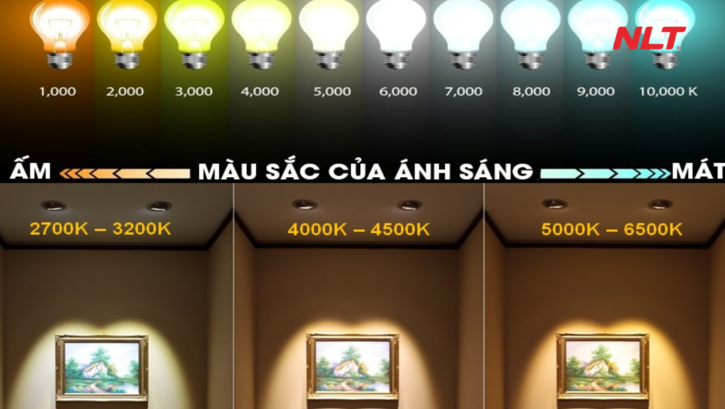
Color temperature is a key factor in building lighting design:
- Modern architecture with glass and metal: favors neutral to cool white light, typically around 3000 to 5000 K, for crisp and refined expression
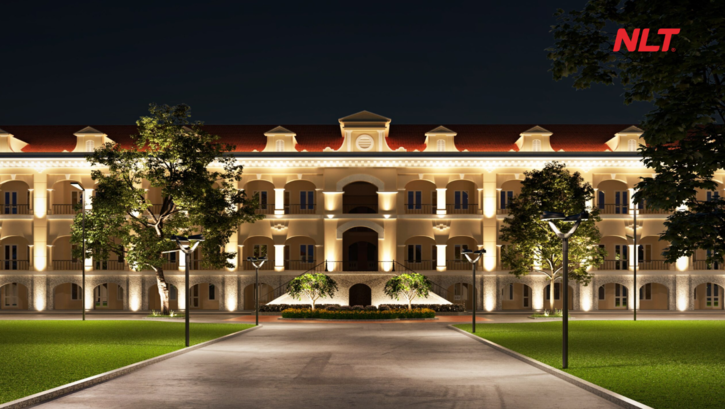
- Stone facades, solid walls, and classical or semi-classical architecture: benefit from warm white light in the 2700 to 3000 K range for a sense of warmth and elegance
Regardless of the range selected, consistency across the entire facade is essential to avoid tonal imbalance and visual disharmony.
Using RGB and RGBW lighting responsibly in building illumination
RGRGB and RGBW systems can create strong visual effects, but in ESG-aligned building lighting they must be applied selectively:
- Reserved for accent elements, event areas, branding campaigns, or festive occasions rather than covering entire residential or mixed-use buildings
- Clear scene definitions for weekdays, weekends, and special events, with limited duration and operating hours
- Slow, smooth color transitions with no flicker, avoiding harsh changes and overly intense purple or red tones
The goal is “responsible” use of color that creates emotional highlights while preserving comfort and urban harmony.
Coordinating light color with facade materials for authentic expression
Light color design must be closely aligned with facade materials:
- Light-colored stone: requires controlled intensity and beam angles to prevent harsh glare
- Dark stone and dark metals: need sufficient intensity and proper aiming to reveal texture and form
- Glass surfaces: require careful consideration of reflection, transparency, and light diffusion to avoid discomfort
When lighting is calibrated to complement materials, the building expresses its architectural character clearly while meeting ESG requirements for aesthetics, efficiency, and long-term sustainability.
Building lighting solutions by common facade types
Glass facades
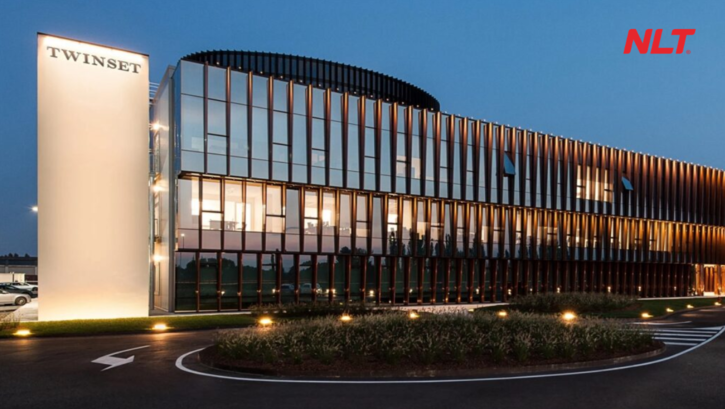
For buildings with extensive glass surfaces, building lighting should prioritize glare and reflection control. Instead of directing light straight onto the glass, fixtures should follow edges, columns, beams, fins, or structural frames to visually define the architectural mass. In suitable projects, interior lighting can be integrated to create a soft through-glass glow, adding depth while maintaining visual comfort for viewers.
Stone facades
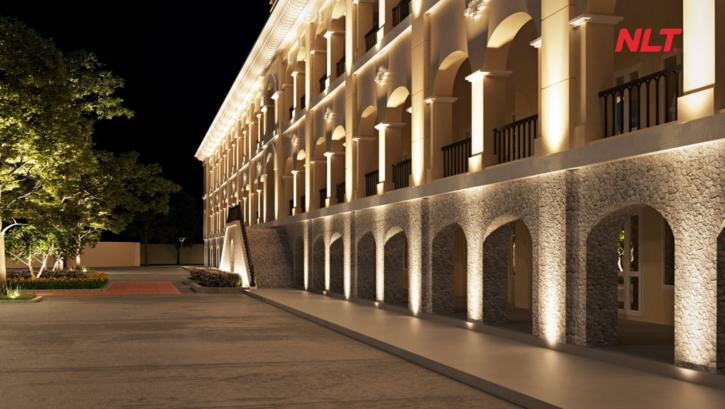
For natural stone or stone-clad facades, wall washer lighting helps evenly illuminate surfaces and reveal stone texture and material character. Proper spacing and beam angles are essential to avoid overexposure near the fixtures. Moldings, cornices, reliefs, and sculptural details can be gently accented with focused light to add depth while keeping the overall composition refined and harmonious.
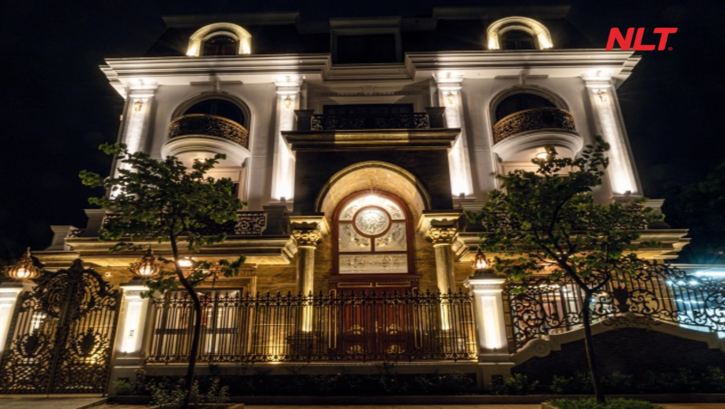
Metal facades
Metal surfaces are highly reflective, so building lighting requires careful beam angle selection to avoid “mirror-like” reflections and direct glare. Horizontal grazing often produces a smoother and more refined appearance that enhances material quality. Extremely cool color temperatures should be avoided. Instead, lighting should align with the architectural style and brand positioning so the building appears elegant yet approachable.
Concrete facades and solid surfaces
Concrete and solid wall surfaces are relatively easy to illuminate, but without intentional design they can appear flat and monotonous. An effective building lighting approach introduces rhythm through controlled contrasts of light and shadow, linear highlights, recess lighting, or subtle lighting patterns. Deliberately preserving darker zones allows the facade to gain depth and ensures highlighted areas stand out clearly within the nighttime architectural composition.
Building lighting scenarios to optimize energy use in real-world operation

Daily default scenario
In regular operation, building lighting should maintain a stable brightness level that clearly defines the architecture without running at maximum output. This scenario aligns with core operating hours and ensures a consistent nighttime image that is easy to recognize while keeping electricity costs under control.
Weekend scenario
For offices, commercial centers, and hotels, weekends may allow for a slight increase in brightness or added emphasis on entrances, podium levels, or plazas to create a more vibrant atmosphere. However, the overall lighting composition must remain consistent to preserve the building’s image and brand identity.
Festival and event scenario
During festivals or short-term promotional campaigns, building lighting may incorporate color, effects, or additional accent layers. These scenarios should have clearly defined time limits to enhance visual experience while controlling energy use and avoiding visual fatigue for observers.
ESG performance criteria for building lighting projects
Energy efficiency and consumption reduction
In building lighting, the primary metric is the percentage of energy saved compared to existing conditions or equivalent conventional solutions. Measuring consumption monthly, by control cabinet, or by zone allows owners to quantify annual kilowatt-hour and cost reductions, providing clear evidence of ESG-related energy performance.
>> Learn more: Using LED lighting to optimize energy consumption and lighting costs
System lifespan and replacement planning
A sustainable building lighting solution must consider the full life cycle, not just installation. The lifespan of fixtures, drivers, accessories, and maintenance or replacement intervals should be clearly defined in the design documentation. This allows owners to plan budgets proactively and avoid large-scale system degradation occurring all at once.
Impact on the nighttime environment and surrounding community
ESG performance is reflected in how the lighting integrates with the urban nightscape. Glare, light spill, and impacts on residents and road users must be carefully controlled. A compliant project enhances nighttime spatial quality and reduces light pollution rather than creating visual clutter or discomfort.
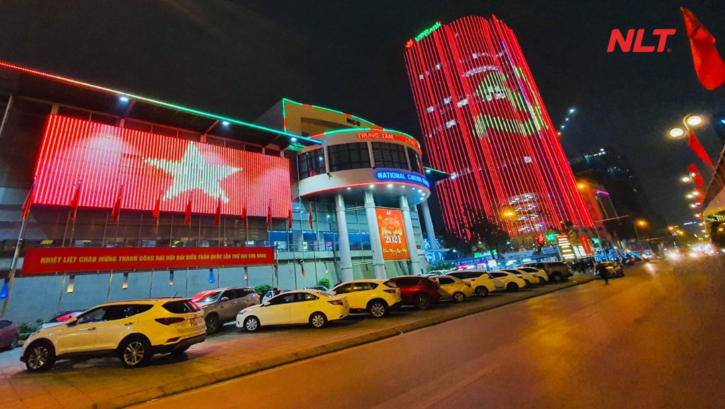
Flexibility for future expansion and scenario updates
Over a building’s life cycle, lighting needs evolve. Accent zones may be added, festival scenarios introduced, or dimming schedules adjusted. An ESG-oriented system must be flexible enough to expand control zones and update scenarios without widespread equipment replacement, maintaining efficiency and cost optimization.
Transparency of design and operational documentation
An ESG-compliant building lighting project is supported by transparent documentation, including design drawings, equipment specifications, operating manuals, maintenance logs, energy reports, and operational data. This transparency enables owners and facility managers to assess performance, identify issues early, and continue optimizing the system over time.
Common mistakes to avoid in ESG-compliant building lighting
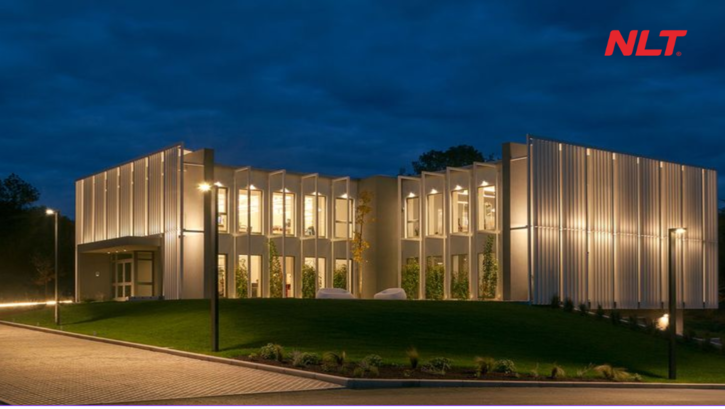
Overusing dynamic effects and multiple colors
Constant motion effects and frequent color changes easily cause visual fatigue, become outdated quickly, and consume more energy. In ESG-oriented building lighting, color and movement should be used sparingly and intentionally, aligned with the architectural narrative, rather than turning the entire facade into a permanent “light show”.
Incorrect beam angles leading to unnecessary fixture quantity
Poor beam angle selection leaves key areas underlit, forcing designers to add more fixtures. This increases both capital and operating costs without delivering proportional aesthetic value. Proper lighting design requires careful consideration of optics and fixture placement so each luminaire performs at its full potential.
Neglecting drivers and thermal management causes early system degradation
Focusing only on “attractive fixture” housings while compromising on drivers and heat dissipation often results in lumen depreciation, flickering, and frequent replacements. For ESG-compliant building lighting, stable drivers and effective thermal management are essential to ensure durability and reliable operation.
Lack of a maintenance strategy undermines long-term operation
Even a well-designed system will struggle to perform sustainably without a clear maintenance schedule, defined responsibilities, and standardized checklists. A reactive approach of fixing issues only when failures occur disrupts the building’s image and leads to higher long-term costs compared to proactive maintenance.
Skipping lighting simulation and mock-ups before finalizing specifications
Omitting simulations or on-site mock-ups for parts of the facade often results in lighting that is too harsh, too dim, or uneven compared to the original concept. Early simulation and small-scale testing significantly reduce risk and help avoid costly revisions after full installation.
Implementation process for ESG-compliant building lighting solutions
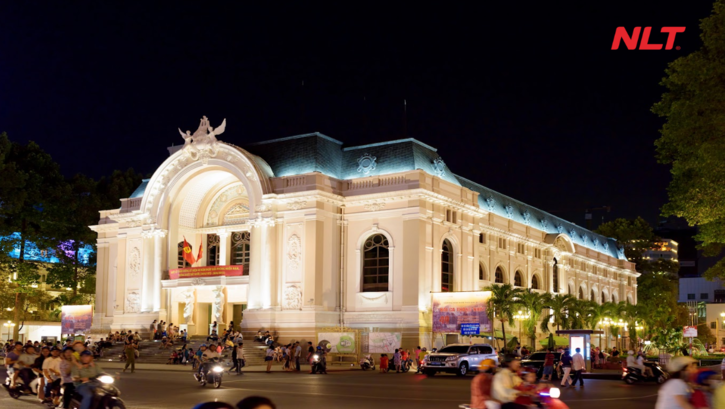
Site survey and definition of aesthetic and energy goals
The first step is to assess architectural form, facade materials, surrounding context, primary viewing angles, traffic density, and nearby residential areas. Based on this, the nighttime appearance of the building is defined along with energy-saving targets and system operating hours.
Concept development and simulation for solution optimization
Once objectives are aligned, the design team develops a building lighting concept that defines lighting layers, accent zones, base illumination, and key viewpoints. The proposal is simulated using software to evaluate illuminance, glare, light distribution, and energy performance before construction, minimizing the risk of later modifications.
Technical design and life cycle cost estimation
After the concept is approved, detailed technical drawings are prepared, including fixture types, wattage, optics, power distribution, installation locations, control cabinets, and control and monitoring solutions. Cost estimates cover not only capital expenditure but also operation and maintenance across the entire system life cycle, enabling informed decision-making.
Installation, testing, and scenario fine-tuning
During installation, fixtures are mounted according to drawings with correct heights, beam angles, wiring, waterproofing, and electrical safety. The system is then tested by zones and as a whole, running predefined scenarios and fine-tuning brightness levels, accent areas, and operating schedules to match real conditions.
Acceptance, handover, and operation and maintenance training
The project concludes with acceptance based on nighttime architectural appearance and operational performance. The owner receives complete documentation including design files, equipment catalogues, as-built drawings, operation manuals, and baseline data. Facility management teams are trained to operate the system, monitor key metrics, handle basic issues, and coordinate periodic maintenance for long-term stability.
>> Learn more: NLT Group consulting and design services for smart building lighting
Building lighting applications by project type
Office buildings
For office developments, building lighting and artistic lighting accents should prioritize a professional, clear, and stable image. Facade lighting should be clean and moderately bright, avoiding glare that could cause discomfort for employees and visitors. Lighting mainly reinforces corporate identity without dominating the surrounding environment.
Hotels and shopping centers
For hotels and retail complexes, building lighting may be more expressive to attract visitors and support commercial activity, but it must remain refined. Emphasis should be placed on podiums, entrances, lobbies, and logos rather than turning the entire building into a “colorful spectacle”. The building should stand out while remaining elegant and comfortable for guests and nearby residents.
High-rise residential buildings
For residential towers, building lighting must balance project identity with resident comfort. The facade should remain visible and recognizable at night while minimizing direct light into windows, balconies, and private living spaces. Design restraint is essential, prioritizing safety and long-term comfort for occupants.
Coastal developments
For coastal projects, building lighting must meet both technical and environmental requirements. Fixtures must resist corrosion, humidity, and strong winds while avoiding excessive impact on surrounding ecosystems. Beam direction, brightness levels, and color temperatures require careful consideration to preserve architectural quality and respect the natural landscape.
Iconic public landmarks
For landmark projects such as theaters, museums, and civic plazas, building lighting can be more expressive in form and storytelling. However, all effects must be guided by a clear concept aligned with the building’s symbolic value, avoiding excessive display or conflict with the city’s overall nighttime character.
ESG-compliant building lighting allows architecture to stand out clearly at night, controls energy consumption effectively, and reflects a well-invested project with long-term vision. When designed correctly from concept and equipment selection through operation and maintenance, lighting becomes a tangible asset value within the urban environment.
If you are seeking an ESG-compliant building lighting solution or planning to review and upgrade an existing system, NLT Group is ready to advise and support you from concept development through long-term operation. Contact NLT Group to build an architectural lighting solution that is effective, sustainable, and aligned with your project’s development goals.
Nam Long Technology Investment Group (NLT Group)
- Hotline: 0911 379 581
- Email: kinhdoanh@nlt-group.com
- TIN: 0313339640
- Address: 43T Ho Van Hue Street, Duc Nhuan Ward, Ho Chi Minh City